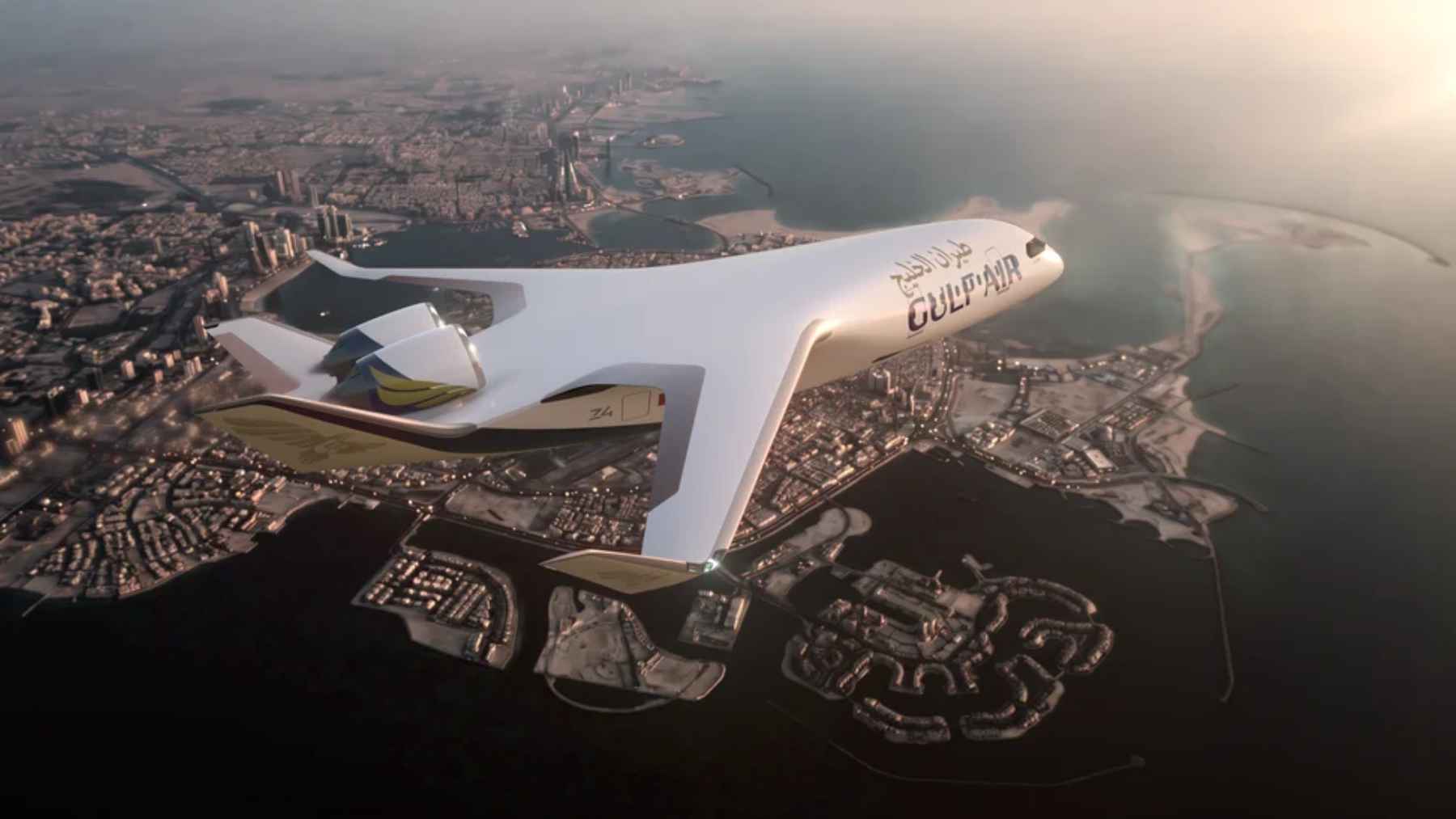
A commercial airplane that looks more like one broad flying surface than the familiar tube with wings is moving closer to reality. California startup JetZero says its Z4 will carry about 250 passengers, fly roughly 5,750 miles, and use 30% to 50% less fuel than commercial aircraft in service today, with entry into service planned for the early 2030s.
The latest sign that the concept is becoming more than a polished rendering came at the 2026 Farnborough International Airshow. Japan Airlines has joined the program to help shape the aircraft’s design, airport operations, maintenance, and cabin service before certification, bringing everyday airline experience into one of aviation’s most unconventional projects.
A different shape does the heavy lifting
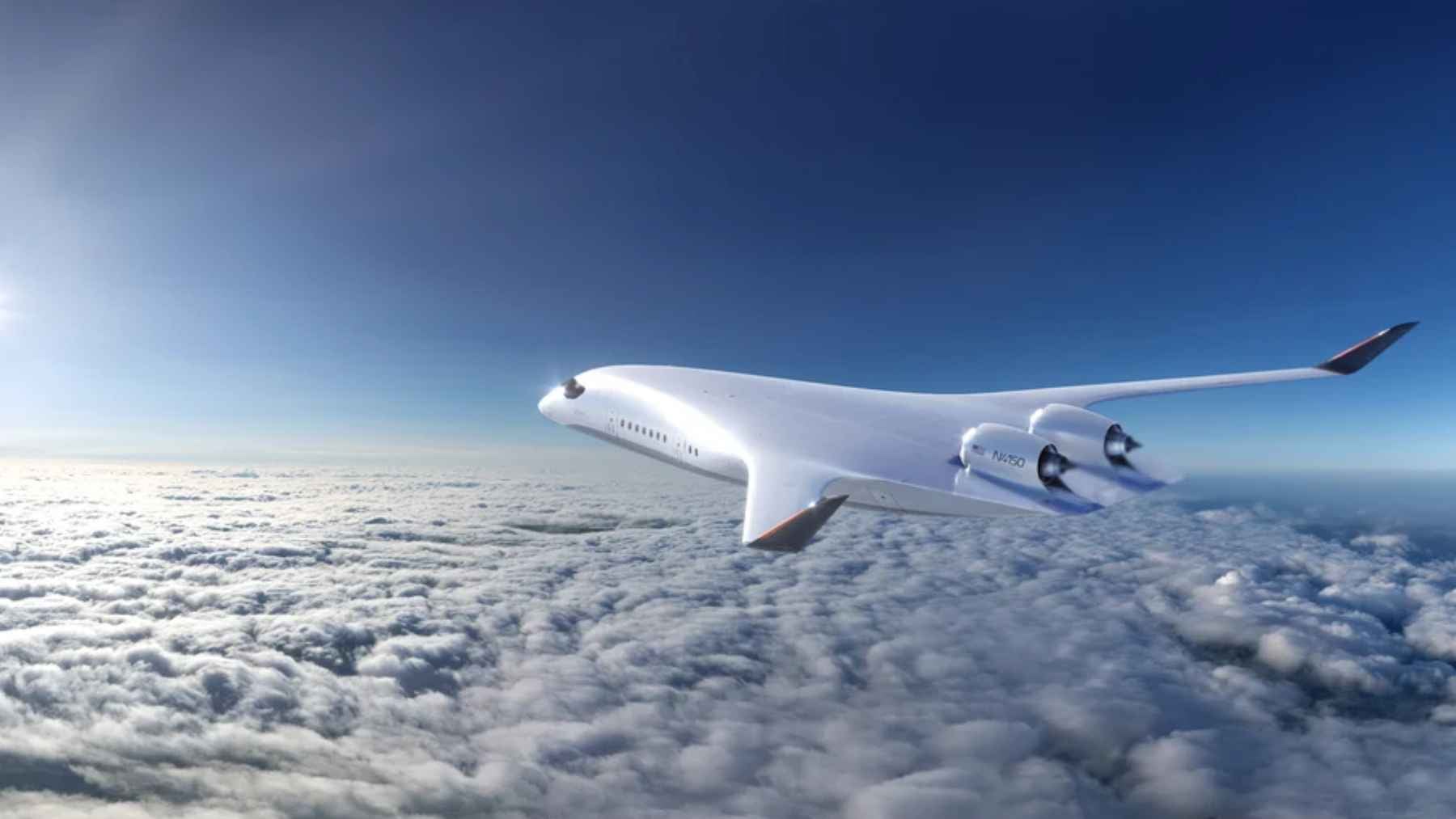
The Z4 uses a blended-wing-body design, which merges the wings and central fuselage into a single lifting surface. On a conventional airliner, the wings provide most of the lift while the tube-shaped cabin adds weight and drag, but JetZero’s wider center body is designed to help carry the aircraft through the air.
In practical terms, that means more of the airplane is working to keep itself aloft. The Z4 is trying to make the whole airframe behave like one efficient wing instead of asking two wings to carry a separate tube, which is why JetZero believes it can sharply reduce aerodynamic drag and fuel use.
The idea itself is not new. NASA has tested blended-wing-body concepts for years and has identified high fuel efficiency, lower noise, and greater internal volume as potential advantages. Turning those benefits into a certified passenger jet, however, remains the difficult part.
Japan Airlines brings operational reality
Japan Airlines will contribute expertise in flight operations, cabin service, maintenance, and ground handling as JetZero defines the Z4’s baseline specifications. The two companies also plan to study gate management and build a maintenance, repair, and overhaul framework for airlines that may eventually operate the aircraft.
Those details may sound less exciting than a radical silhouette, but they can decide whether a new jet works in the real world. A revolutionary aircraft that cannot move efficiently through a crowded hub, receive routine servicing, or fit an airline’s maintenance system will not stay revolutionary for long.

“Collaborating with JetZero on the Z4 aligns perfectly with our commitment to sustainable innovation and net-zero emissions by 2050,” said Takao Suzuki, Japan Airlines executive officer for corporate strategy. JAL’s early involvement gives the carrier a chance to influence the airplane before certification rather than adapting its operation after the design is largely fixed.
The 50% claim remains a target
JetZero is targeting a fuel-efficiency improvement of 30% to 50% compared with commercial aircraft operating today. That is a range, not a certified result, and the final performance will depend to a large extent on the production aircraft’s weight, engines, cabin layout, route, and day-to-day airline operation.
Even the lower end would be significant. The International Air Transport Association says each new generation of aircraft has typically reduced emissions by about 15% to 20%, so a verified improvement approaching 30% or more would represent a much larger step than the industry usually gets from one fleet cycle.
Lower fuel burn could also reduce one of an airline’s biggest operating expenses. It would generally cut direct carbon dioxide emissions when the same type of fuel is used, but it would not make a flight carbon neutral by itself. That distinction matters.
Existing airports are part of the sales pitch
Despite its unusual shape, JetZero says the Z4 is being designed for today’s airport gates and taxiways without expensive infrastructure changes. Its broad interior could also create a roomier environment for passengers and crews while supporting more efficient boarding.
That promise now has to survive measurements and procedures at real airports. JAL and JetZero will jointly examine gate operations and ground handling, including the behind-the-scenes work required to service the jet and prepare it for its next departure.
For passengers, the difference could be felt before takeoff. A wider cabin and a boarding process designed around the new layout may ease some familiar bottlenecks, although the final configuration and turnaround gains will only become clear as the aircraft matures.
A full-scale flight is the next hard milestone
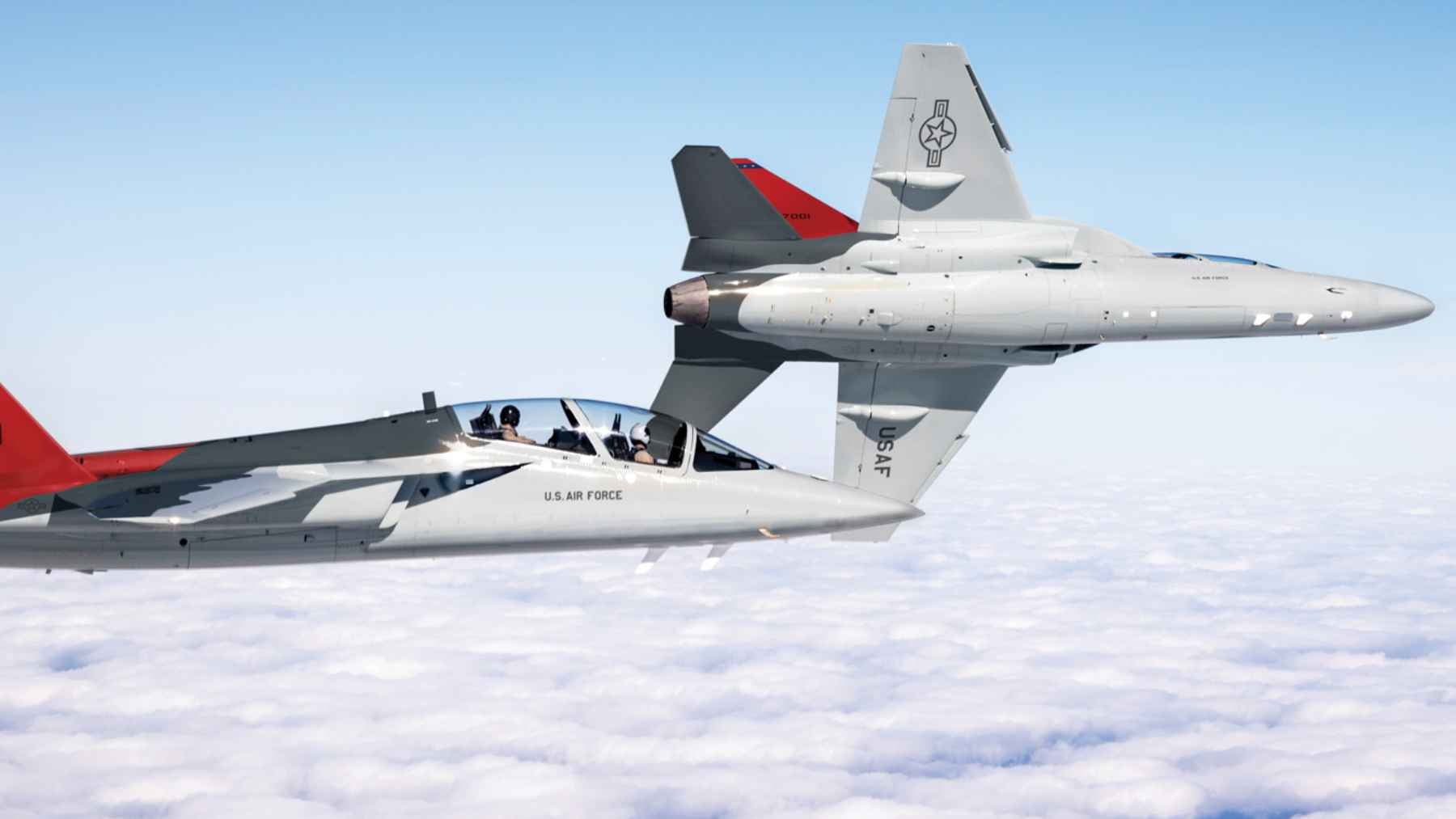
JetZero is currently developing the full-scale Jet1 demonstrator with Scaled Composites, a Northrop Grumman subsidiary, with support from the U.S. Air Force. The company says the aircraft is on track for a first flight in 2027, following more than 30 flights across five generations of smaller Pathfinder test vehicles.
That demonstrator is intended to validate the configuration and its flight-control approach. Still, a full-scale test aircraft is not the same as a certified 250-seat airliner, and JetZero must move through flight testing, regulatory approval, production planning, airline training, and long-term support before passengers can buy a ticket.
The early 2030s target is ambitious, but airline participation can help expose practical problems sooner. That is where JAL’s contribution may prove just as valuable as another round of computer modeling.
Efficiency could stretch cleaner fuel supplies
A more efficient airframe is only one piece of aviation’s climate puzzle. IATA estimates that sustainable aviation fuel could provide up to 65% of the emissions reductions needed for the sector to reach net-zero carbon dioxide emissions by 2050, alongside new aircraft, better operations, and policy support.
The two approaches can reinforce each other. When an airplane needs less energy for the same trip, every gallon of conventional or sustainable fuel goes farther, reducing both operating pressure and the amount of lower-carbon fuel required for a given route.
But there is no automatic victory here. Industry-wide emissions will still depend on how many flights operate, what fuels they use, and whether efficiency improvements outpace growth in air travel.
The Z4 now has to prove the numbers
JetZero has a striking aircraft concept, a 5,750-mile target range, and growing airline involvement. More importantly, it is asking operators to help design the less glamorous systems that determine whether a jet can work reliably every day.
The opportunity is substantial. If the Z4 can deliver even the lower end of its promised fuel savings while fitting existing airports and meeting commercial safety standards, it could reset expectations for the 250-seat market. For now, though, the boldest figures remain engineering targets rather than results from passenger service.
The official press release was published on JetZero.