Japan’s biggest automakers are considering cooperation on parts they once designed separately, a move that would have sounded unlikely only a few years ago.
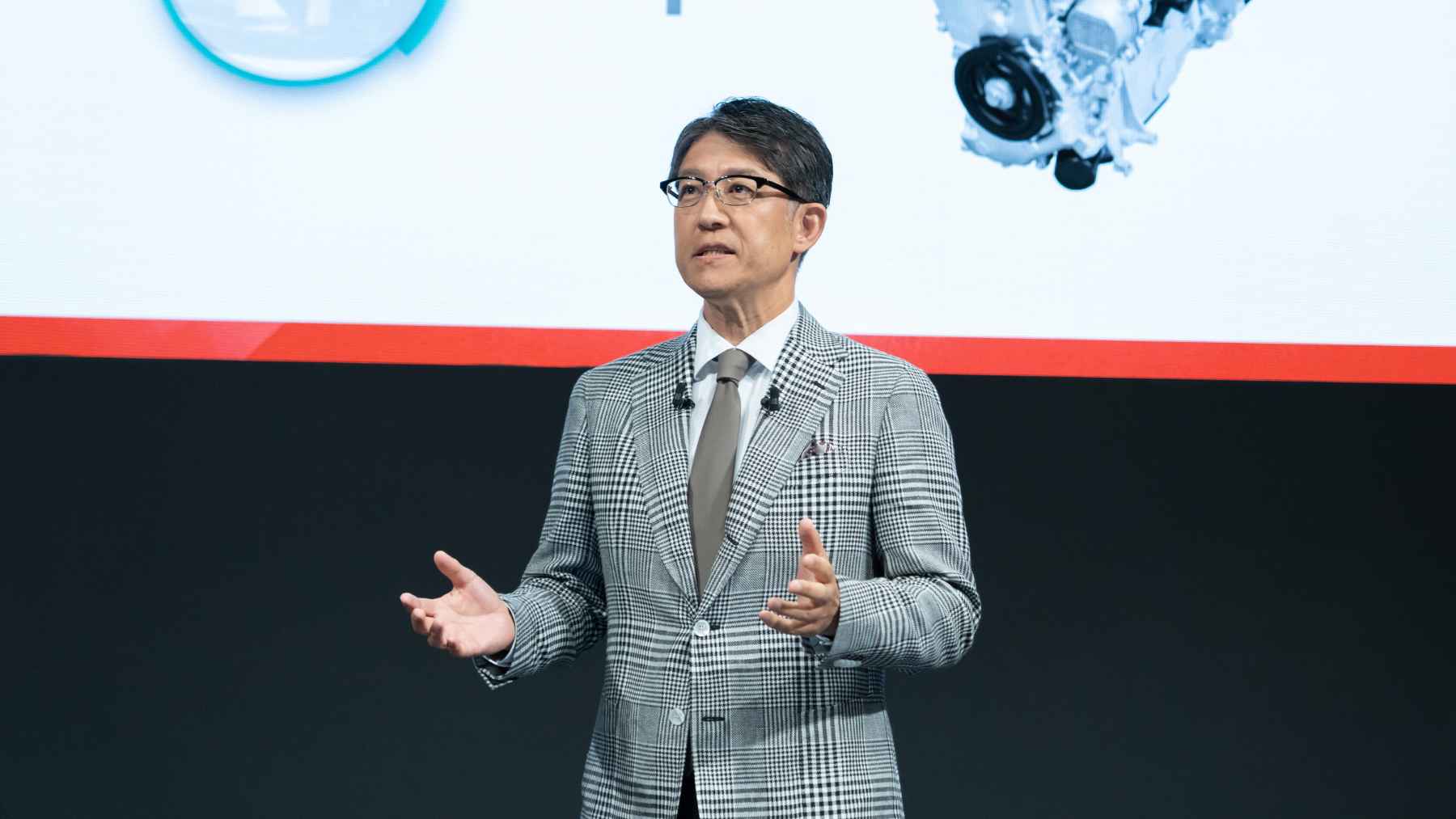
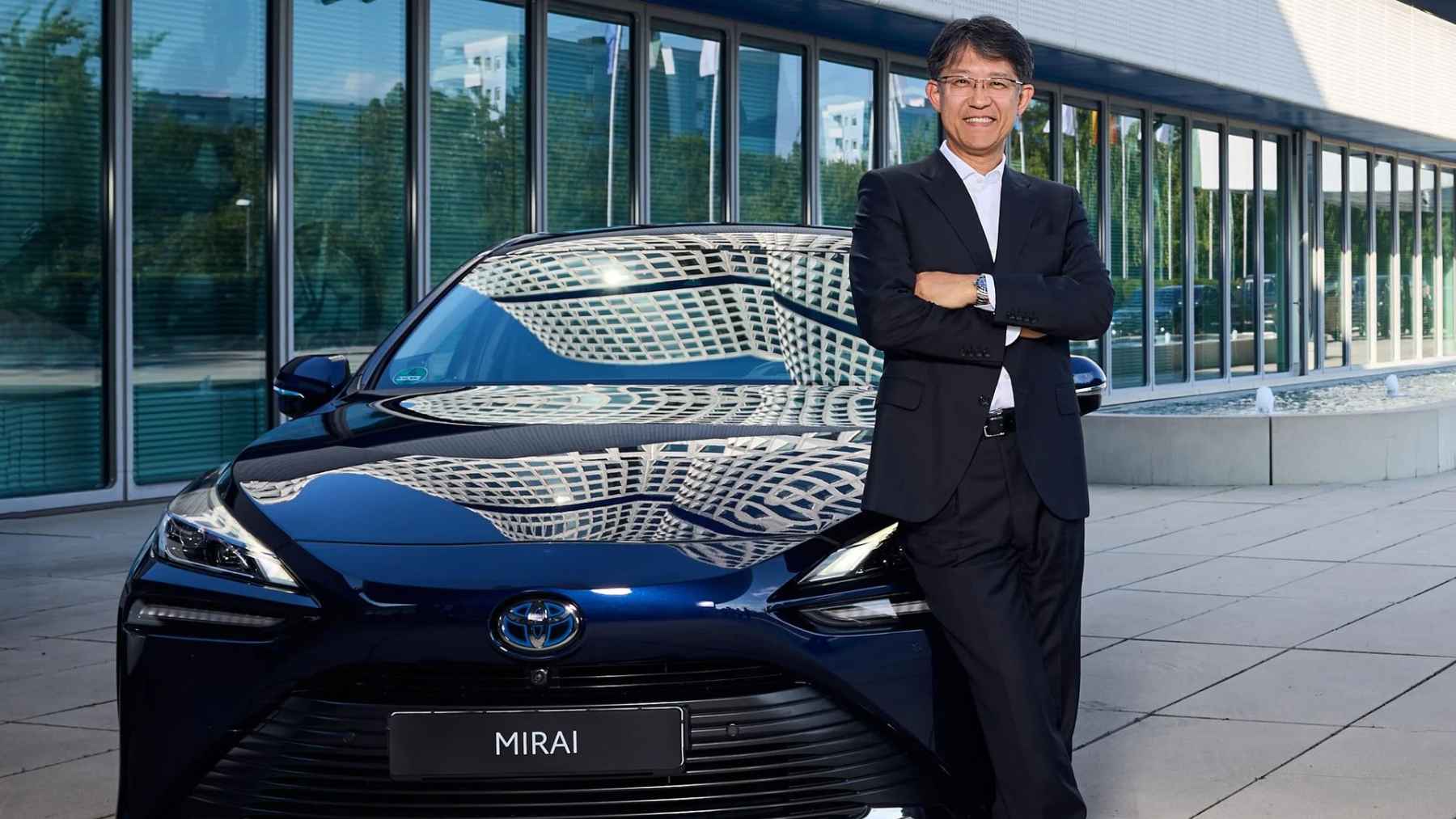
Koji Sato, Toyota’s vice chairman and chief industry officer, also chairs the Japan Automobile Manufacturers Association (JAMA) and has framed the situation in unusually blunt terms. “Unless things change, we will not survive.”
The proposal would begin with shared wiring-harness specifications across Toyota, Honda, Nissan, Mazda, Subaru, Mitsubishi and Suzuki, and could later cover steel grades, plastics, hoses, connectors, logistics, raw materials and recycling systems.
It is not a plan to turn every Japanese vehicle into the same car. It is an attempt to stop spending seven times on invisible components so manufacturers can invest more quickly in batteries, software, driver assistance and lower-waste production.
Japan wants one hidden standard
A wiring harness is the network of cables and connectors that carries power and data around a vehicle. Japanese suppliers reportedly produce around 70,000 harness variations for the seven brands involved, and Sato believes common specifications could lift productivity by more than tenfold while making automation and recycling easier.
That is a lot of complexity hiding behind a dashboard.
Sato has described the strategy as creating “areas of cooperation” while protecting the “areas of competition” that make each brand different. Nissan CEO Ivan Espinosa has backed the idea, saying Japanese manufacturers should expect “a lot more collaboration” and suggesting a shared “JAMA standard” approved for use across certified suppliers.
China changed the timetable
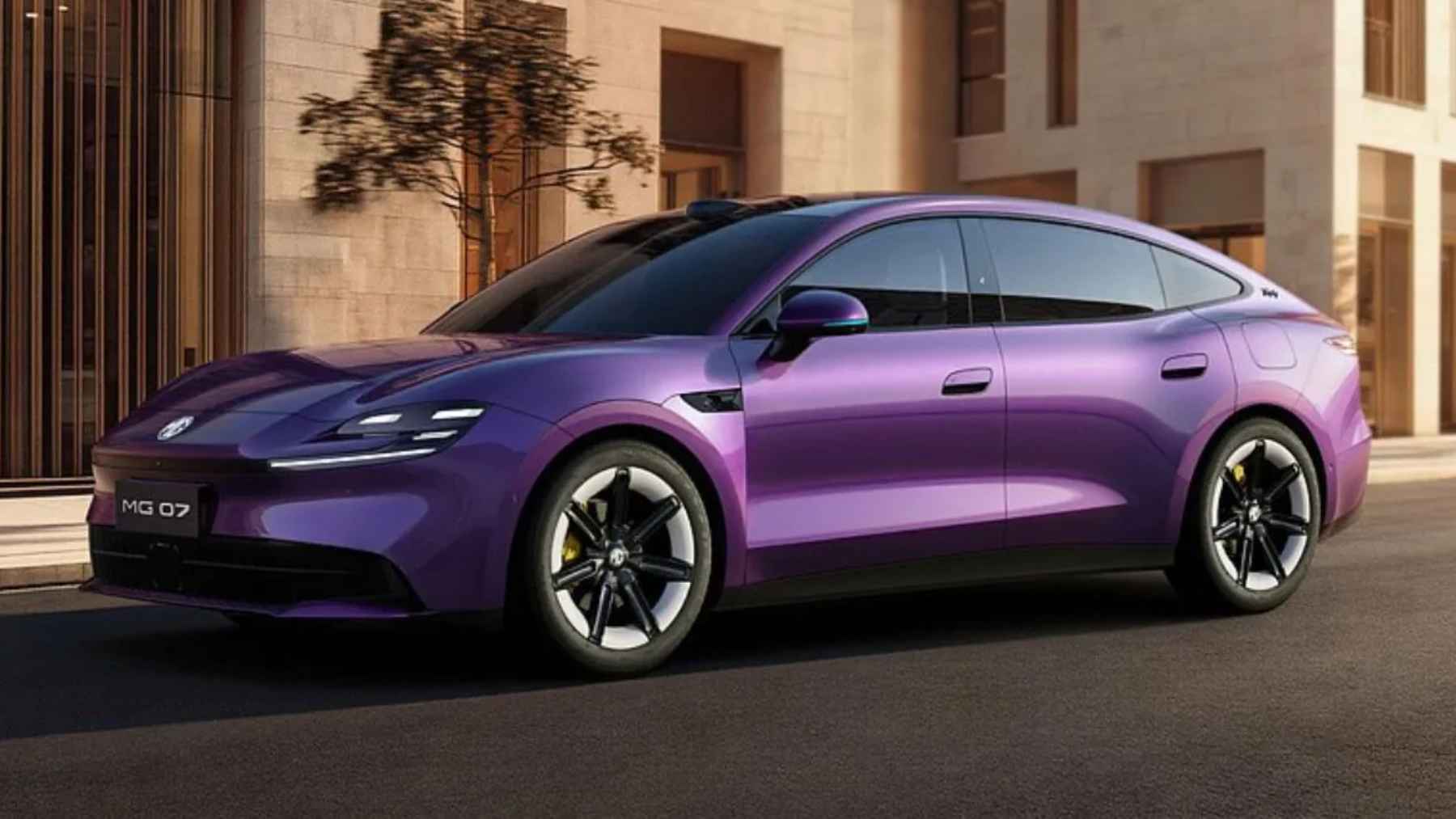
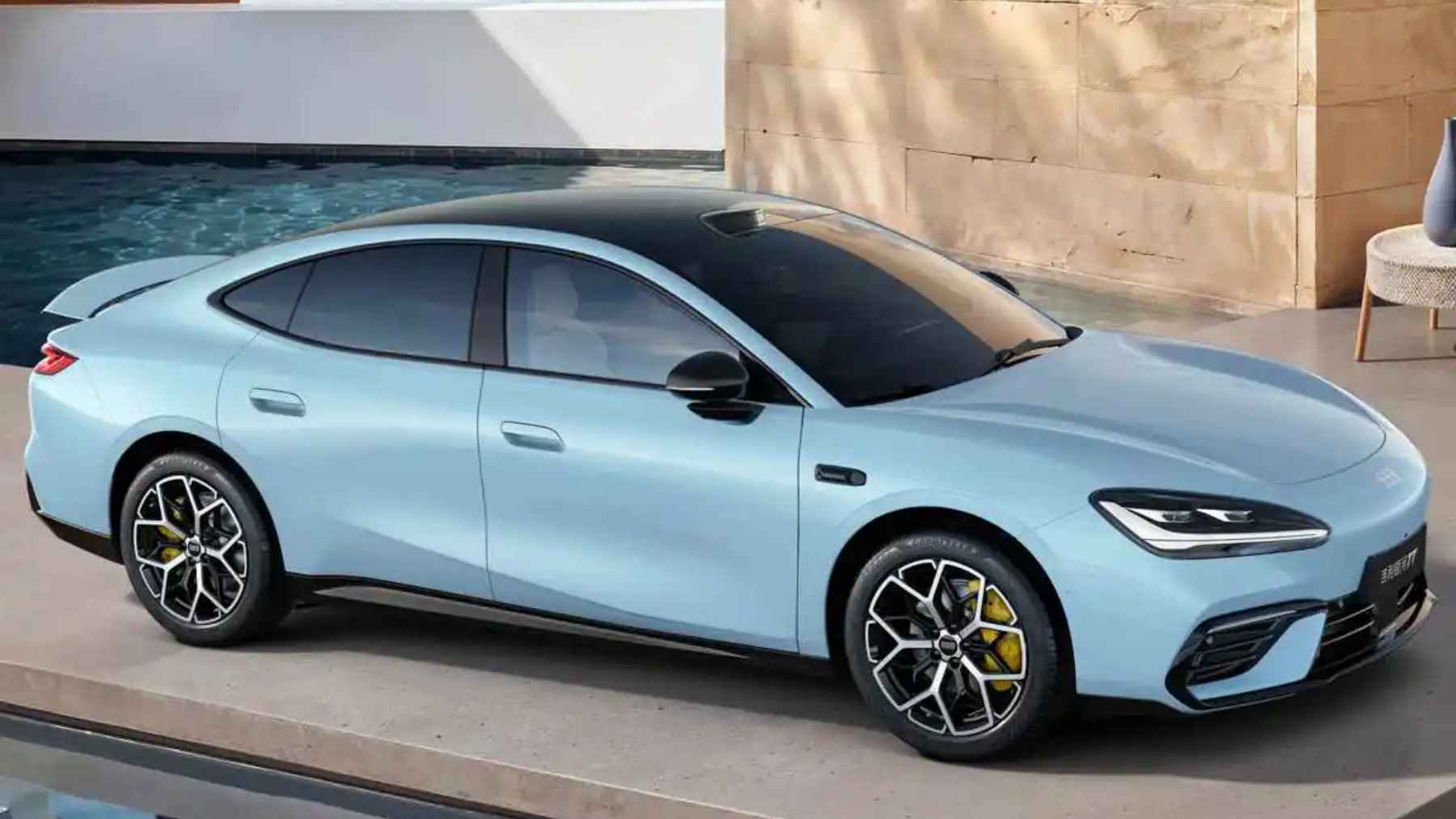
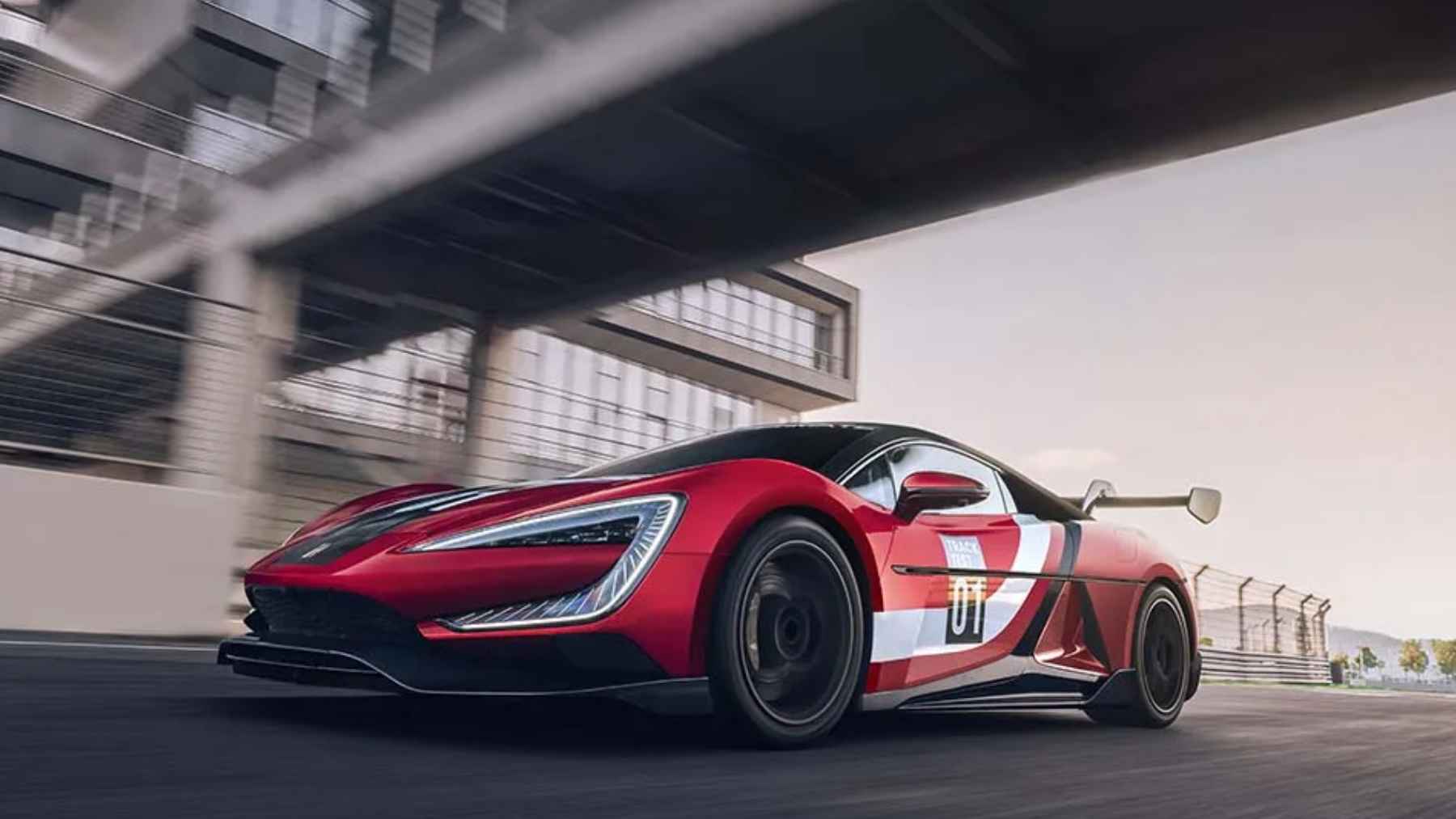
Why the urgency now? China’s car industry is moving at a pace that older manufacturing systems struggle to match. Around 650 new or refreshed vehicles reached the Chinese market in the first half of 2026, close to four every day or 25 each week, although the figure includes updates as well as entirely new models.
The pressure is no longer confined to China. In Australia, 175,151 China-built vehicles were recorded through VFACTS in the first half of 2026, up 70.2% from a year earlier, while vehicles imported from Japan fell 22.8% to 144,430. Tesla and Polestar report separately through the Electric Vehicle Council, so the VFACTS figure does not capture every China-built delivery.
The green upside is easy to miss
At first glance, common wiring and steel specifications sound like a cost-cutting exercise. They are, but the environmental opportunity could be just as important. Fewer near-duplicate parts can simplify sorting, repair, reuse and recycling, and JAMA has placed circular-economy systems and battery reverse supply chains among its seven priority challenges.
The association is also developing shared logistics built around round trips instead of one-way deliveries. Empty return journeys could carry parts or recovered materials for another company, creating a circular loop and reducing wasted truck capacity, replacing seven partly empty delivery routes with a network that talks to itself.
Still, standardization is not always green. Its environmental value will depend on whether the new specifications use less material, support disassembly and recycled content, and avoid shifting production toward more carbon-intensive routes. The accounting will matter.
Standardization has limits
This will not happen overnight. Industry reporting suggests the first common specifications could take one or two years to agree, after which manufacturers would still need to introduce them through future vehicle generations. Suppliers must retool, engineers must settle different safety requirements and each company must decide where cooperation ends.
There is another catch. A common component can improve resilience when several certified suppliers make it, but it can create a wider bottleneck when too much production depends on one source.
That is an inference from the plan, and it is why JAMA’s focus on supplier certification, stable procurement and stronger supply chains matters as much as the standard itself.
Japanese cars are already global
The contest is not Japan on one side and China on the other. Mazda’s 6e and CX-6e electric vehicles were developed with Chongqing Changan Automobile, and both have been introduced for Australia.
Nissan has also said China will serve as a source of development speed, cost efficiency and exports, with China-developed models being prepared for markets beyond the country.
That makes Sato’s proposal less like a defensive wall and more like a repair job on Japan’s industrial foundation.
Japanese brands can continue using Chinese partnerships while reducing duplication at home. The challenge is to learn from China’s speed without giving up the engineering identity that made brands such as Toyota, Honda, Mazda and Subaru valuable in the first place.
What drivers should watch
Most buyers will never inspect a wiring harness, but they may notice the results. Successful standardization could mean fewer supply delays, lower development costs, more predictable replacement-part availability and faster launches of electric cars and digital features. None of those outcomes is guaranteed, yet they are the practical test of whether the cooperation works.
The next signals will be concrete ones, including agreed specifications for harnesses, steel and plastics, a wider group of certified suppliers, shared logistics data and measurable use of recovered materials.
Japan cannot match 650 Chinese launches simply by trimming its parts catalog. But cutting duplicate work and material waste would give its automakers more room to compete where customers actually care.
Sato is not asking Japan’s carmakers to compete less everywhere. He is asking them to stop competing over the industrial equivalent of seven different phone chargers and save their energy for the battery, software, safety and efficiency race. That may not guarantee survival, but standing still now looks like the riskier option.
The industry update was published on JAMA.