
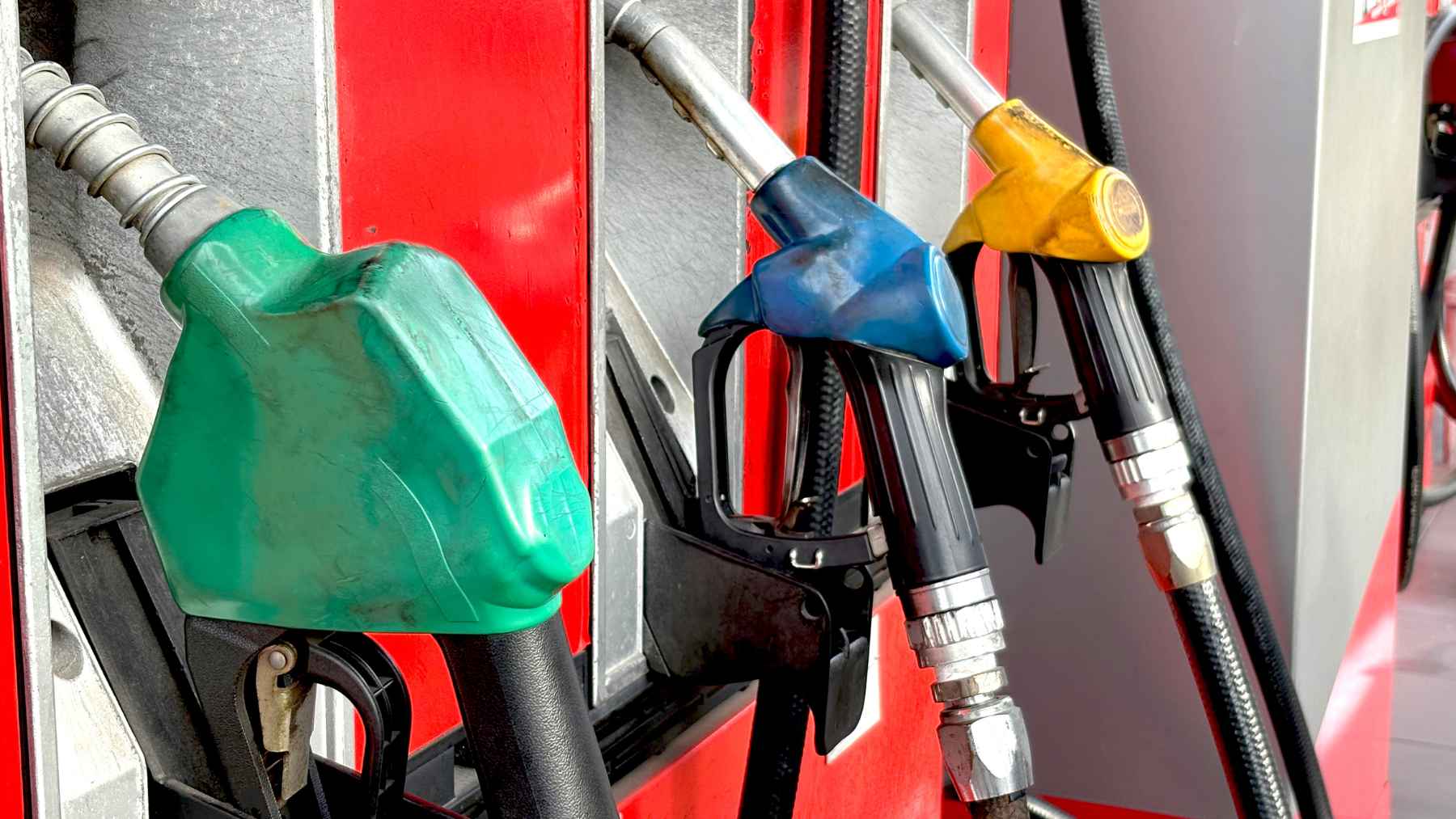
A quiet change is spreading across Argentina’s gas stations. Operators are pulling out compressed natural gas dispensers and replacing them with gasoline and diesel equipment as fewer authorized CNG vehicles arrive at the pump. Drivers may notice only a different nozzle, but the shift points to a much larger reversal in the country’s fuel market.
In June 2016, Argentina had 1,788,249 vehicles authorized to run on CNG. By June 2026, that figure had fallen to 1,412,870, a drop of 375,379 vehicles or nearly 21%. Sources linked to auditing firms say they now receive about one inquiry each month from operators considering the switch.
Why stations are making the switch
For many station owners, the calculation is becoming hard to ignore. A CNG dispenser occupies valuable space on the fueling island, and fewer active vehicles mean fewer chances to recover the cost of keeping that equipment in service. Gasoline and diesel, by contrast, are described by industry sources as higher-turnover products.
“The demand is there and moving at a good pace. Every month we receive inquiries about removing CNG dispensers and installing liquid-fuel equipment,” sources linked to auditing firms told Surtidores. That is a clear signal from the market, even if one inquiry a month still sounds modest.
The number should not be mistaken for a nationwide rush to abandon CNG. It shows an emerging direction, not a completed transformation. Still, once operators begin asking whether a gas dispenser earns its place, the old business model is already under pressure.
What the fleet count really means
At first glance, 375,379 fewer vehicles sounds as though all of those cars disappeared from the road. They did not necessarily vanish. ENARGAS defines the natural gas fleet by counting vehicles that hold a current authorization sticker.
ENARGAS’s published methodology says the database receives information every day and can later be adjusted when regulated providers correct their submissions. The 2026 total describes the active authorized CNG fleet, not every vehicle that has ever been converted to run on gas.
That distinction matters. A vehicle that no longer has a valid authorization is not included in the active total, even if it once used CNG. The trend is still significant, but the methodology helps explain exactly what the number measures.
A regulated equipment change
This is not a weekend hardware swap. An operator must formally notify the gas distributor and receive approval to decommission the installation connected to the CNG system. Only then can the next stage begin.
An auditing company authorized by Argentina’s Energy Secretariat handles the documentation needed to approve the new liquid-fuel dispenser. Technical reviews, safety checks, and updated permits must be completed before the replacement equipment can start serving customers.
The source does not provide a typical project cost, approval timeline, or payback period. That leaves an important part of the investment case unanswered. More gasoline and diesel capacity may improve throughput, but operators still have to weigh that benefit against the required compliance work.
The environmental trade-off
The business logic is fairly straightforward. The environmental logic is less tidy. CNG is still a fossil fuel, but the U.S. Department of Energy says natural gas vehicles can offer air-quality benefits compared with conventional gasoline and diesel vehicles.
For heavy-duty vehicles, the agency says life-cycle greenhouse gas reductions can be small to moderate compared with diesel. The actual result depends on fuel economy and methane leakage upstream and from the vehicle itself. In other words, the climate value of CNG is real in some cases, but it is not automatic.

That makes the pump replacement trend environmentally complicated. Replacing CNG capacity with gasoline and diesel is not the same as moving toward zero-emission transportation, even when it makes commercial sense.
The source offers no estimate of added liquid-fuel sales, completed retrofits, or resulting emissions, so a nationwide climate impact cannot be calculated from the available information.
A business signal, not the end of CNG
The monthly inquiry figure is a warning light, not an obituary. Argentina still had more than 1.4 million authorized CNG vehicles in the cited June 2026 count, which means a large customer base remains. Some stations may still find that gas earns its space, while others will see better returns from liquid fuels.
For operators, the useful question is not which fuel is winning nationwide. It is which mix makes the best use of a specific property, serves local drivers, and leaves room to adapt again. A dispenser may look like a fixed piece of equipment, but in this market it has become a bet on what motorists will buy for years to come.
There is also a wider strategic issue because the source does not report that stations are adding electric vehicle charging or another lower-carbon option alongside the conversions. This is a commercial adaptation from one fossil-fuel system to another, not a clean-energy transition.
The official vehicle statistics were published on ENARGAS.