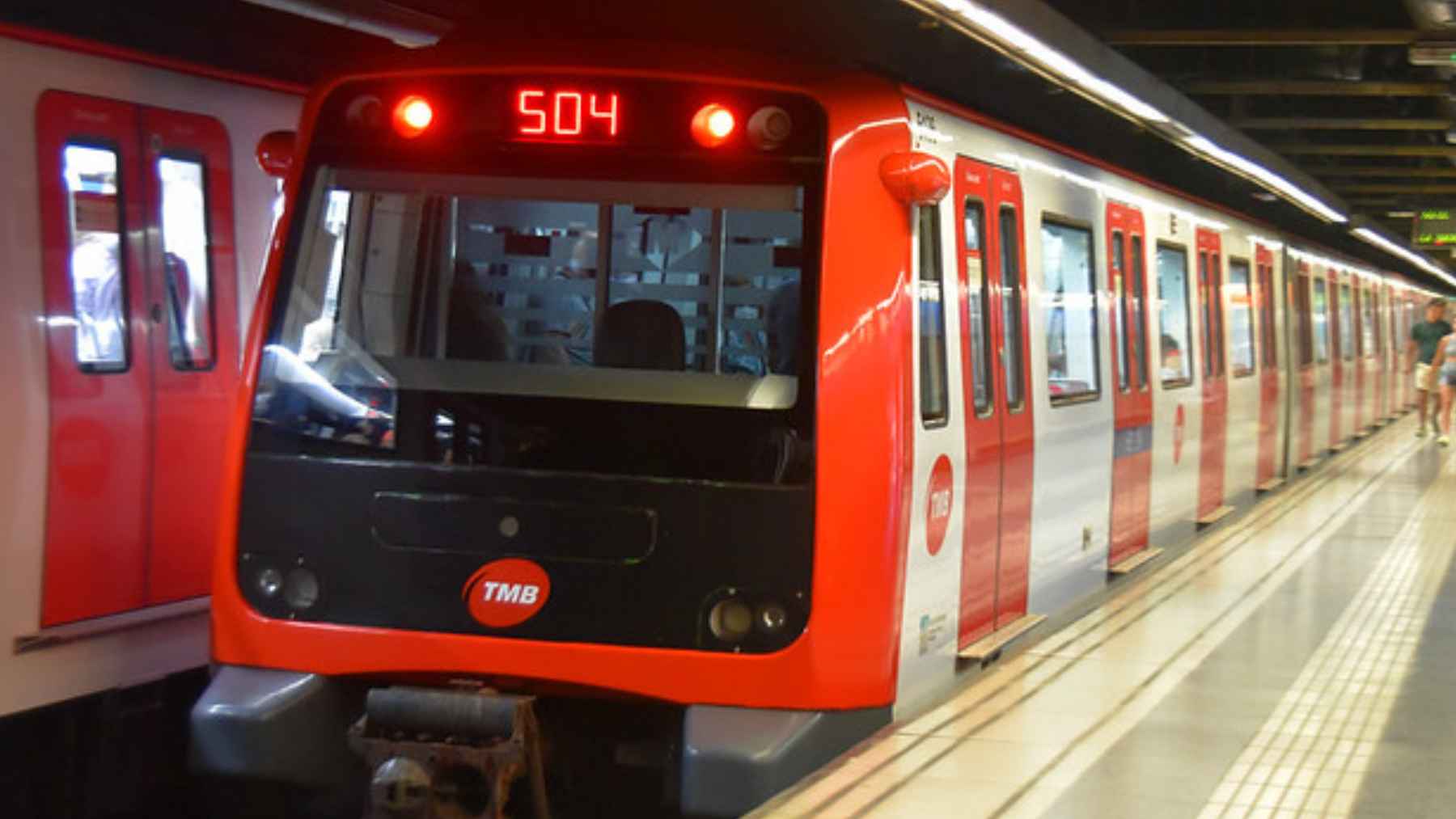
Barcelona’s long-delayed L9 metro project is approaching a major underground milestone. The tunnel-boring machine working beneath La Bonanova was on course to reach the future El Putxet interchange in July 2026, leaving only about 0.62 miles of new tunnel before Lesseps.
But this is no routine breakthrough. A ground collapse linked to the excavation forced residents from nearby buildings and shifted attention from construction speed to safety, monitoring, and accountability. The clearest takeaway is that the central tunnel is close to completion, although passengers will still wait years for El Putxet station to open.
A milestone, not an opening
Once the machine reaches El Putxet, crews will carry out a previously planned inspection and maintenance stop. From there, the final push to Lesseps should complete the missing tunnel in fall 2026, provided no further problems emerge.
That does not mean trains will begin stopping at El Putxet anytime soon. The government’s published schedule places the station’s opening in 2032, while a first four-station extension on the eastern side of the central section is expected at the end of 2027. The cutterhead can arrive years before the first passenger does.
A moving underground factory
The machine is roughly 312 feet long and led by a cutting wheel about 39 feet across. As the wheel breaks through rock and soil, an auger moves the excavated material onto a conveyor and then toward a work train for removal.
Just behind the cutting face, automated equipment installs a concrete lining made from rings of seven segments. The machine is not just digging a hole. It is building the finished shell of the tunnel as it moves forward, almost like a factory crawling beneath the city.
What happened beneath Putxet
The collapse appeared after the cutting head had passed roughly 148 feet below the block formed by Teodora Lamadrid, Rubinstein, and Sant Gervasi de Cassoles streets. At the time described in the project update, the machine was already about 39 feet beyond the affected point.
Previous geological studies had identified this as one of the more delicate parts of the route. Albert Ventayol, a member of the Georisc observatory at the Catalan geologists’ association, said the machine moved from hard granite into much softer slate. His explanation is a working hypothesis, not a final official finding.
How softer rock may have opened a void
According to Ventayol, the sudden change in ground could have caused “over-excavation,” meaning the machine removed more material than intended. A cavity may then have formed above the tunnel roof and progressed upward until part of the surface gave way.
No injuries were reported, but the incident affected a residential block and prompted evacuations, concrete injection, structural checks, and continuous measurements. The regional government’s latest position is that residents should return only when technicians can guarantee maximum safety.
Safety now controls the clock
The tunnel-boring machine was temporarily stopped so its movement would not interfere with measurements around the damaged ground. Some residents have begun returning in stages, while stabilization work and the investigation continue.
That pause matters because the earlier fall completion target was already conditional on avoiding new setbacks. The planned maintenance stop at El Putxet remains part of the construction program, but the sinkhole adds another layer of review. Underground work can be fast only when the ground allows it.
The price of difficult geology
This is not the machine’s first major interruption. Before work resumed on the central section, it spent close to a year at the future Mandri station for a deep overhaul, including replacement of the cutting wheel so it could tackle hard ground.
The wheel replacement and related work cost more than $13.7 million, using the European Central Bank’s July 22 reference rate. The Catalan government estimates that finishing the full line will require roughly $1.14 billion. Those numbers show why every delay matters to both taxpayers and contractors.
Why the L9 matters for the environment
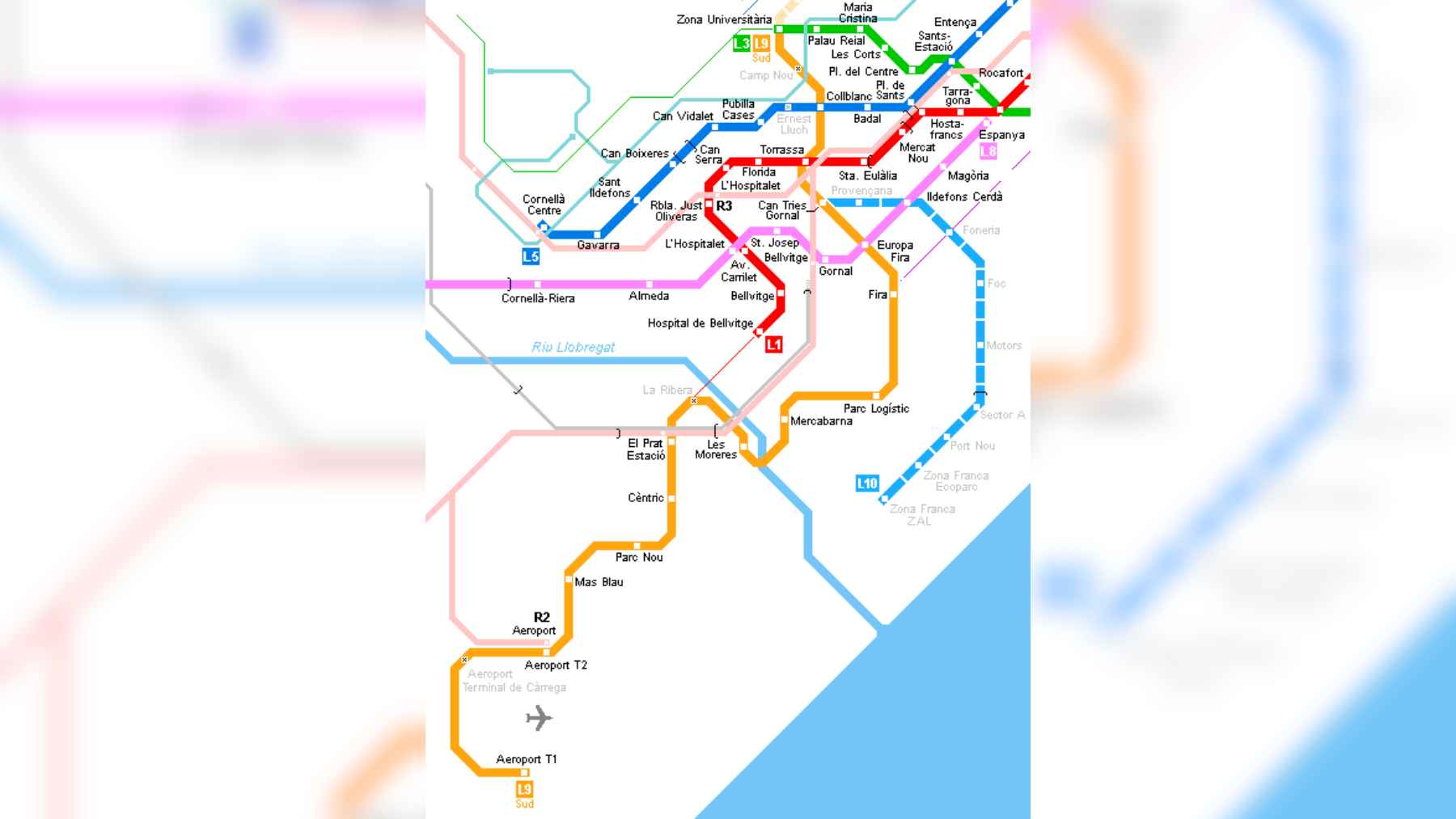
The four operating branches currently cover about 23.6 miles of a planned 29.8-mile system and carry around 23 million passenger trips a year. Once completed, authorities expect annual use to rise to 110 million trips, nearly five times the current total.
The environmental case is just as important. Earlier official estimates said the completed system could remove more than 8,100 vehicles from roads each day and avoid roughly 5,600 U.S. tons of carbon dioxide emissions a year. Those are projections, of course, and they depend on frequent, reliable service that persuades people to leave their cars at home.
Work continues across the network
Other parts of the project are moving ahead while the Putxet area is stabilized. Architecture and systems work is scheduled at Plaça de Maragall and Guinardó Hospital de Sant Pau, while crews install track, build the intermediate slab separating the two travel directions, and connect the northern branches through the large Sagrera shaft.
For everyday riders, that work comes with disruption. L9 and L10 North service is closed from La Sagrera to Onze de Setembre from June 25 through Aug. 30, followed by a shorter closure from La Sagrera to Bon Pastor from Aug. 31 through Sept. 6. The inconvenience is immediate, even if the payoff is years away.
What happens next
Engineers must finish stabilizing the affected ground, complete the technical investigation, and decide when excavation can continue without compromising measurements or nearby buildings. The machine then faces its final stretch through El Putxet toward Lesseps.
The project is close enough to make the end of tunneling visible, but not close enough to treat the schedule as guaranteed. For Barcelona, the real test is whether the L9 can be finished safely while still delivering the mobility and emissions benefits promised to the public.
The latest statement was published on Government of Catalonia.