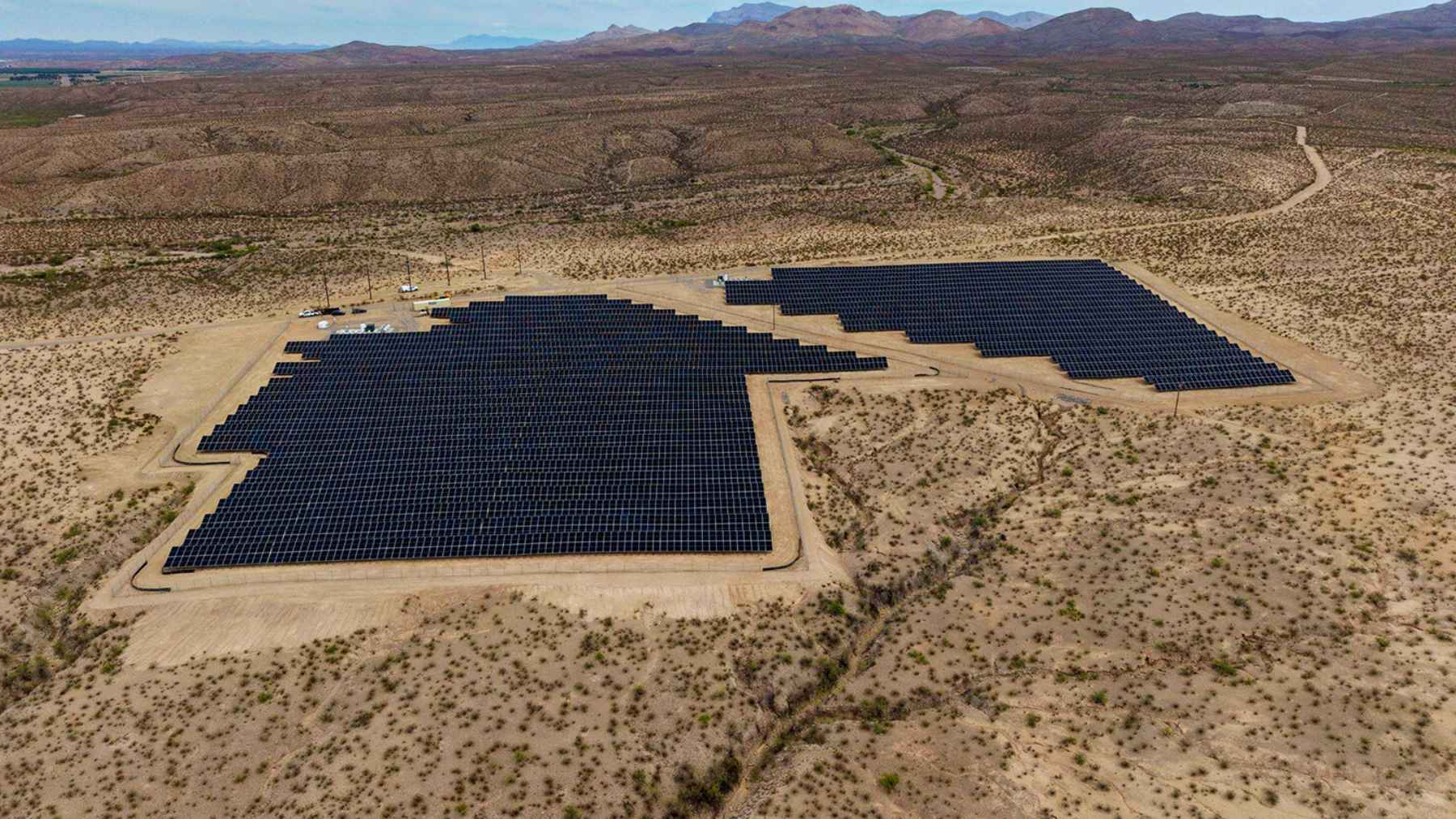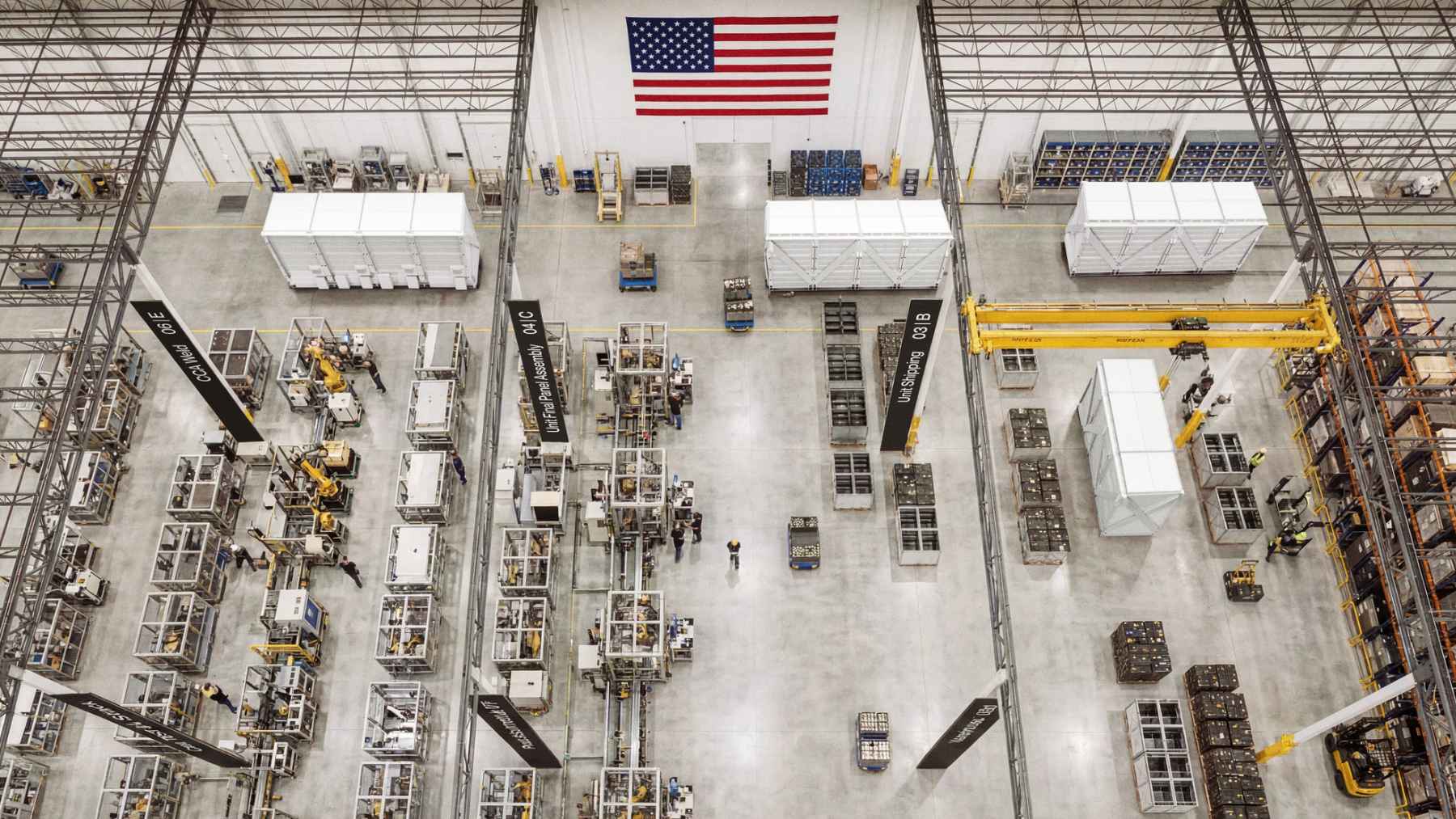
Lockheed Martin and Rheinmetall signed a memorandum of understanding on July 7, 2026, to move toward producing ATACMS missiles at Rheinmetall’s Unterluess site in northern Germany.
The proposal could give NATO members a closer and more dependable source of one of the alliance’s most closely watched precision weapons. But it also places Europe’s defense buildup under a different kind of spotlight, since a larger missile industry brings questions about energy use, hazardous materials, waste, water and the protection of nearby habitats.
A first, but not a finished deal
The agreement is backed by the U.S. and German governments and is intended to lead to a joint venture. That future company would create a European center for manufacturing, integrating and distributing ATACMS to NATO members and allied countries. Lockheed Martin called the partnership a “watershed moment” for allied industrial cooperation.
Still, this is a memorandum, not a final production contract. No investment figure, annual output target or confirmed date for the first German-built ATACMS was announced, while Lockheed Martin said its existing line in Camden, Arkansas, will continue operating until the transition is complete. That distinction matters.
Why Unterluess matters
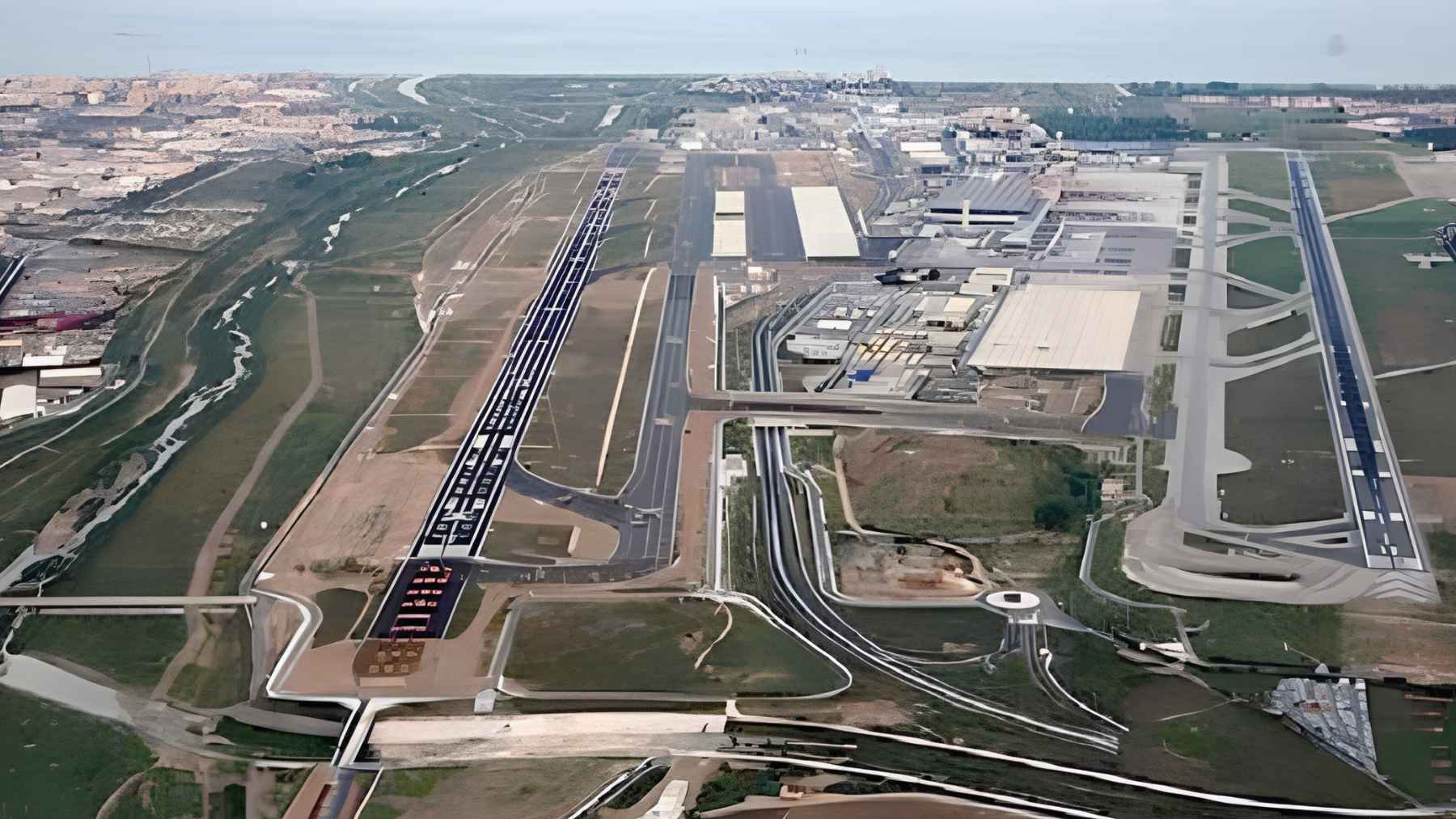
Rheinmetall is not starting with an empty field. Its Unterluess complex has operated for more than 125 years, employs about 4,000 people and includes weapons, ammunition and tracked-vehicle work, along with what the company describes as Europe’s largest privately owned firing range.
A major artillery ammunition plant opened there in 2025, and a separate rocket motor factory is nearing completion. Rheinmetall expects rocket motors and guided missile components to begin production as early as 2027, giving the planned ATACMS project an industrial base that is already expanding. The specific ATACMS production date, however, remains open.
What the missile does
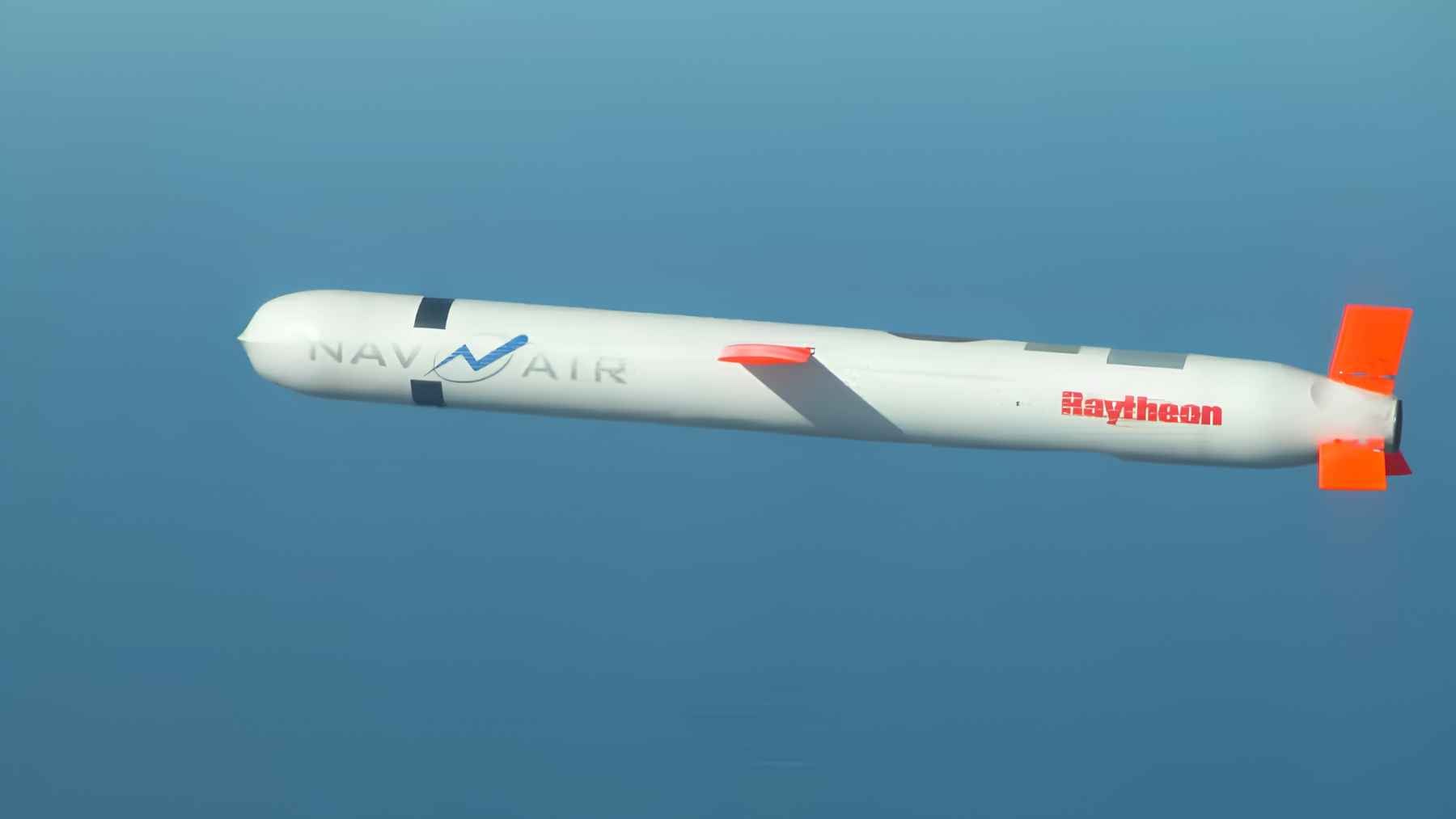
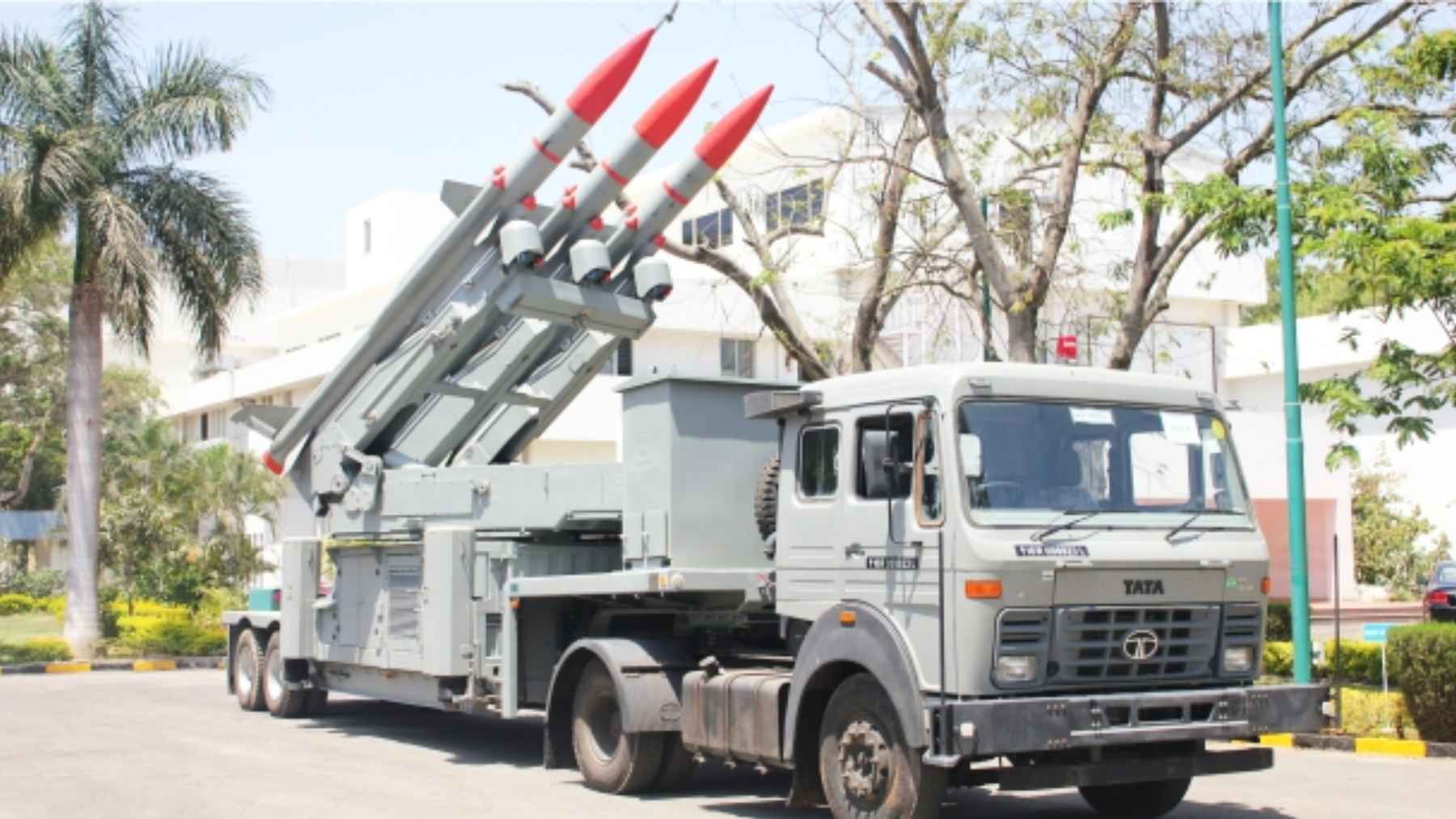
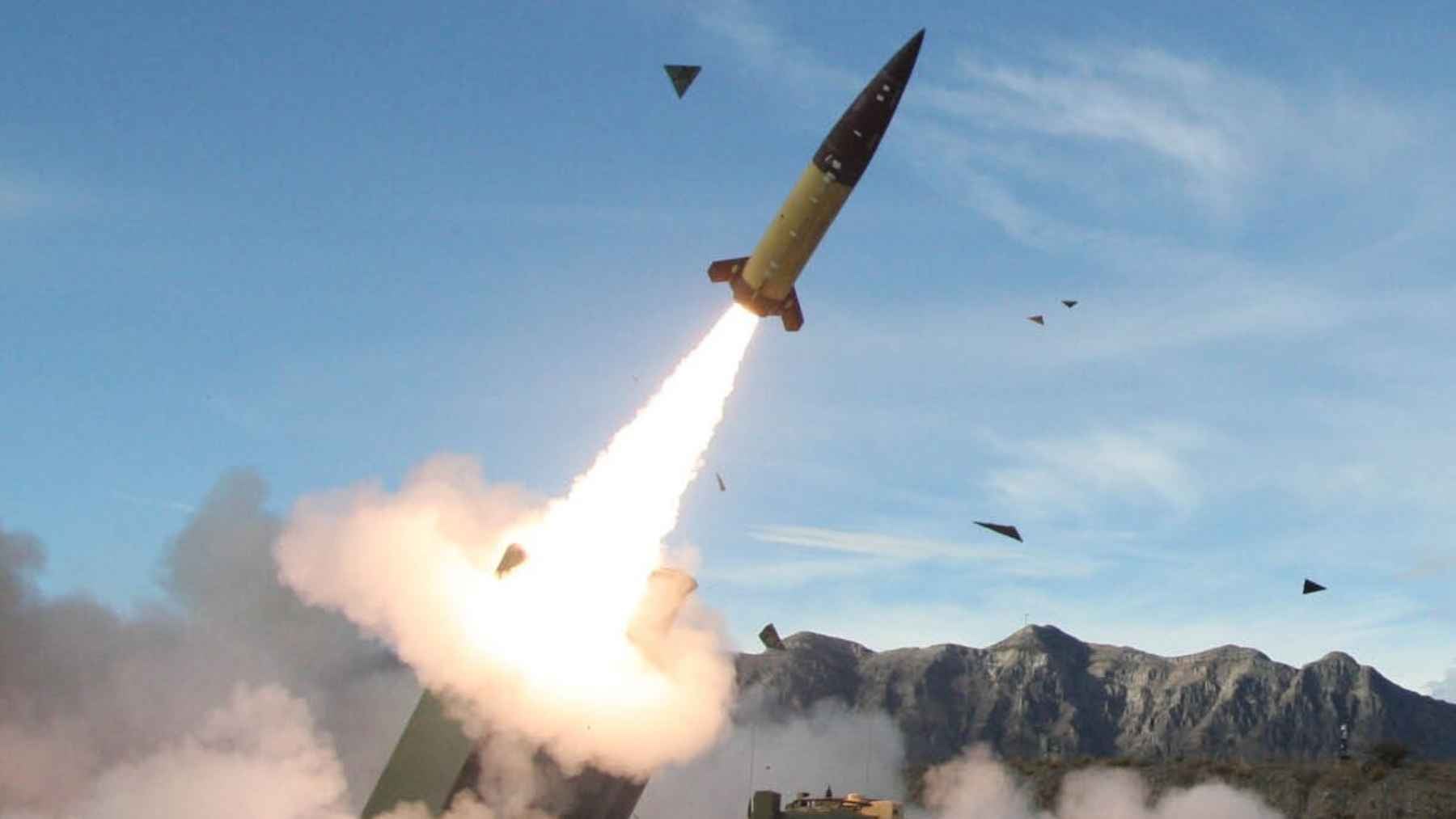
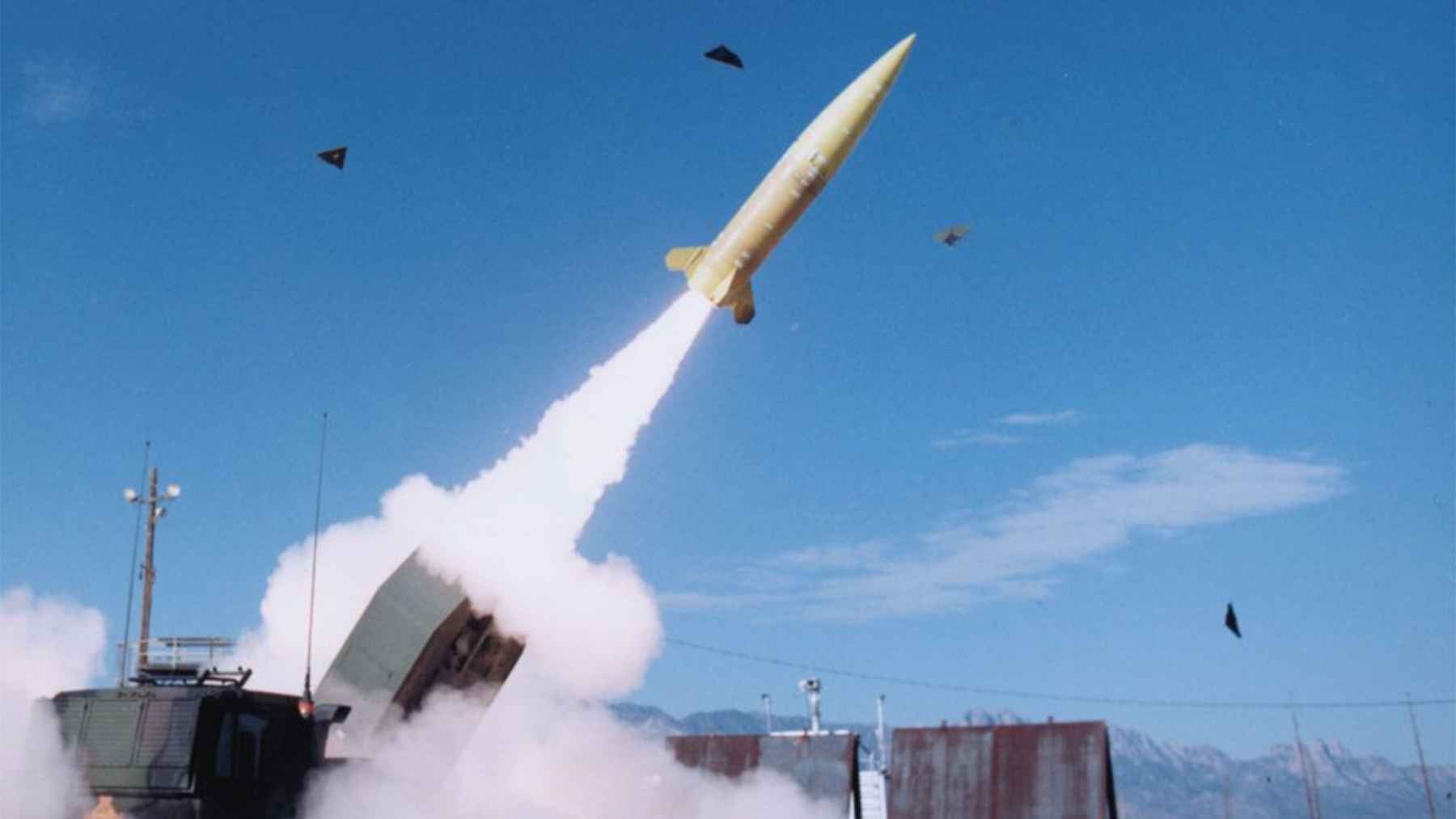
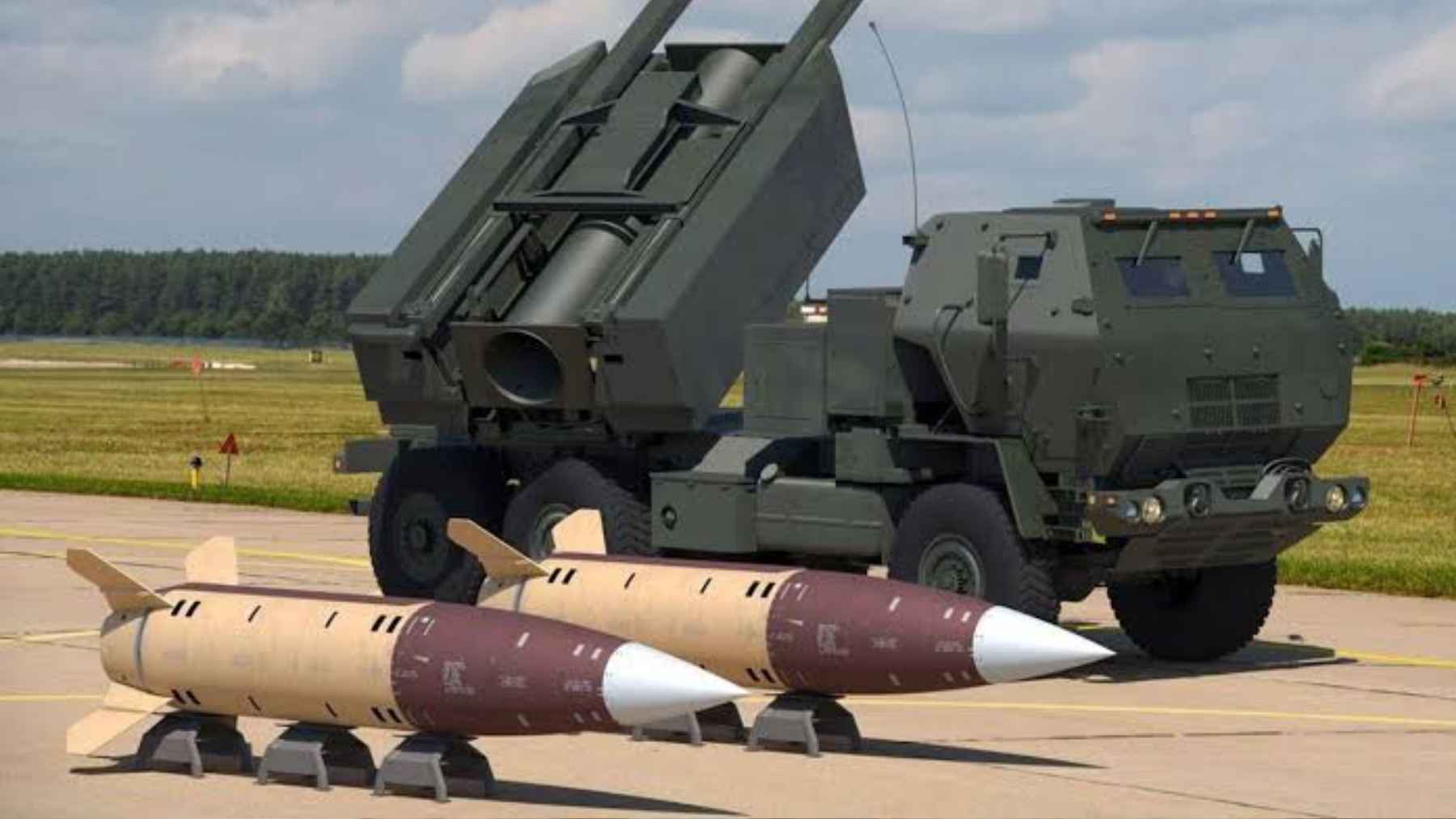
ATACMS is a mobile, surface-to-surface guided missile that can reach targets up to about 186 miles away. U.S. Army material places it at 13 feet long and between 3,000 and 3,600 pounds, depending on its load, while Lockheed Martin describes a 500-pound-class blast fragmentation warhead.
The missile can be fired from both the wheeled HIMARS launcher and the tracked M270 system. By formal military classification, it is a short-range ballistic missile, but for troops on the ground it provides long-range precision fire against land targets. One mobile launcher can threaten sites far beyond the reach of conventional tube artillery.
Europe’s supply chain reset
The deal comes after wars in Ukraine and the Middle East placed heavy pressure on Western ammunition inventories. At the Ankara summit, the ATACMS plan formed part of a wider group of defense agreements worth more than $50 billion, showing how quickly NATO’s industrial priorities are shifting from efficiency in peacetime to capacity and resilience.
Producing missiles in Germany could reduce Europe’s dependence on a single American manufacturing base and shorten some delivery routes. It may also keep more engineering work, supplier spending and skilled jobs inside Europe. Yet neither company has published an estimate showing how much transportation, cost or carbon would actually be saved.
The environmental test
Production of guided missiles and rocket motors brings metalworking, electronics, propellant and testing into one industrial chain. That is why power demand, emissions controls, water use, chemical handling and waste disposal matter, even when the strategic argument for new capacity is strong.
Rheinmetall says its newer munitions factory designs include energy and emissions planning as well as environmental controls. The trouble is, the ATACMS announcement contains no project-specific estimate for carbon emissions, water consumption or waste. Without those figures, claims about a cleaner local supply chain remain unproven.
Rheinmetall has previously said it intends to make the group carbon neutral by 2035 and cut water use by about 10%. Those are company-wide ambitions, not guarantees for this missile line. NATO has also developed a method to map emissions from military activities and installations, saying the data can help guide investment and efficiency decisions.
A factory inside a sensitive landscape
There is another unusual detail at Unterluess. Rheinmetall says about one-third of the site’s testing grounds is designated as a nature reserve, even as the larger complex supports ammunition production and live-fire work.
That makes environmental permits and long-term monitoring more than paperwork. Expansion will have to show that new buildings, transport, testing and industrial processes do not undermine the habitats the company says it protects. Security and conservation are not automatically incompatible, but neither can be taken on trust.
What to watch next
The practical questions are straightforward. How many missiles will the German line produce, what power sources will it use and how will water, waste and emissions be reported? Will the companies publish environmental permit data and explain how new construction affects the reserve and surrounding communities?
The project may make Europe’s missile supply more secure. Whether it can do so with transparent environmental controls will be the real test.
The press release was published by Rheinmetall.