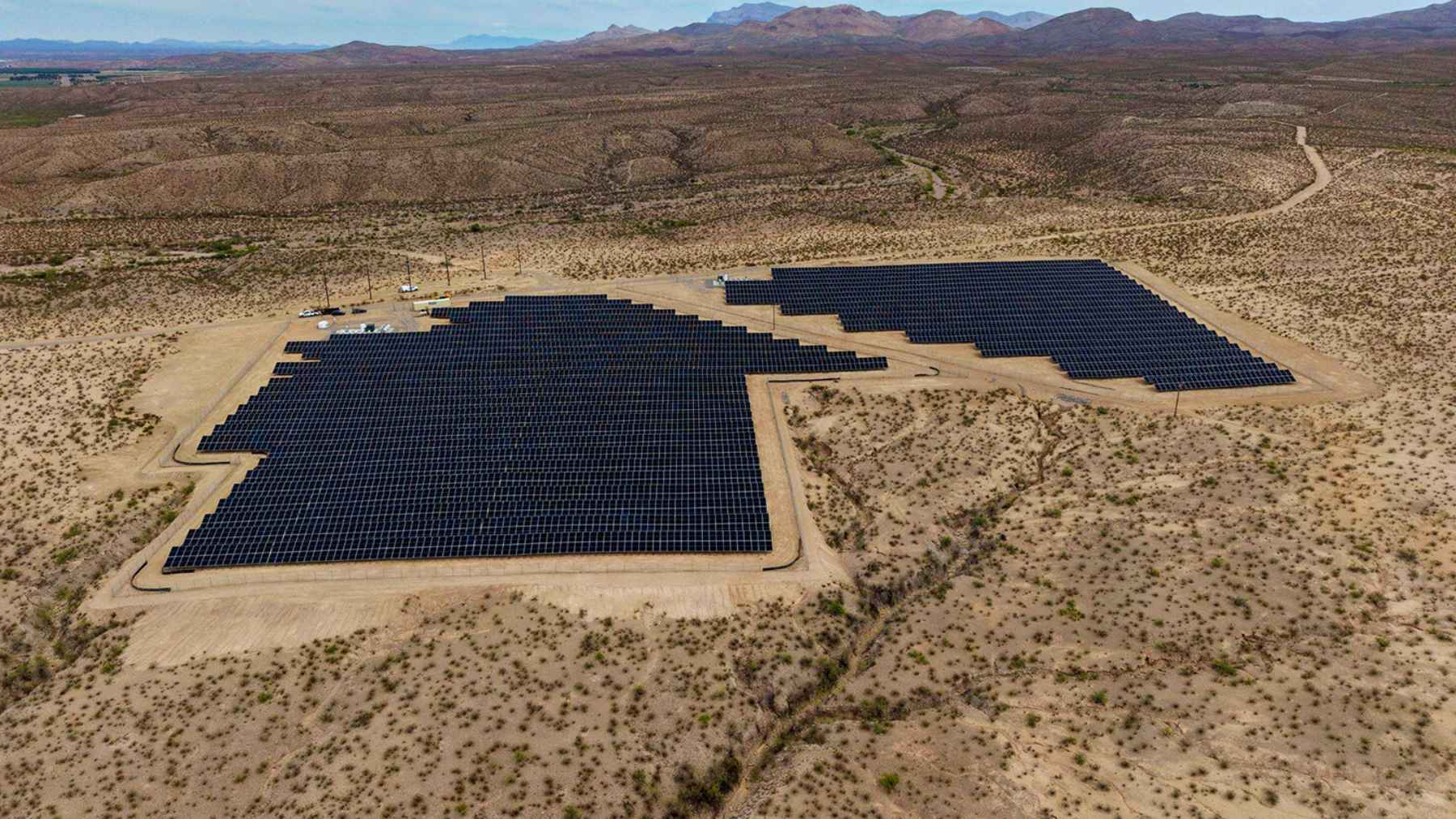
Plasencia, a city in western Spain, is moving closer to hosting Las Cruces I, a 49.8-megawatt solar farm that local officials say could generate about $9.4 million in municipal taxes over a 35-year operating life. The plant is expected to produce 165.85 gigawatt-hours of electricity each year, enough to match the annual consumption of roughly 47,500 homes.
The headline numbers are attractive, but this is not just a story about turning sunshine into revenue. Most of the jobs would arrive during construction, the battery system remains under review, and the 368-acre project must coexist with environmentally protected land and a transmission route that crosses part of the European Union’s Natura 2000 network.
A tax boost with limits
Developer Decoae Energías Renovables 6 plans to invest about $57.2 million in Las Cruces I. According to the detailed local breakdown, Plasencia would collect around $3.4 million from license fees and construction taxes in the first year, followed by nearly $5.9 million over the next 34 years, or about $174,000 annually. These conversions use the European Central Bank’s July 17, 2026 reference rate.
There is one detail worth clearing up. The city’s online statement describes the later $5.9 million return as “annual,” but that wording conflicts with the reported $9.4 million lifetime total and appears to be a publishing error.
Construction is expected to begin during 2027 and create about 300 direct jobs, with officials saying local companies and suppliers will be hired for the work. Mayor David Dóniga called the development “a major investment that directly benefits city services.” Once the plant is operating, however, it is expected to support only six permanent direct jobs.
Why the technology matters
Las Cruces I would use 94,620 bifacial solar panels rated at 645 watts each and mounted on single-axis trackers. Together, the modules add up to about 61 megawatts of peak direct-current capacity, while the plant’s authorized installed capacity is 49.8 megawatts and its grid injection would be capped at 42 megawatts.
Why install more panel capacity than the grid connection can accept at one moment? Bifacial panels capture direct sunlight on the front and reflected sunlight on the rear, while the trackers adjust the panels’ position through the day. That combination is intended to squeeze more electricity from the same patch of ground.
The difference between panel capacity and the grid limit is not necessarily a contradiction. A larger solar array can keep production closer to the plant’s maximum output during mornings, evenings, and less sunny conditions, although some energy may be clipped during the brightest periods.
The developer is also seeking approval for a hybrid battery storage system. If built, it could hold some midday electricity for later use, but it should not yet be treated as a confirmed part of the plant. Power would leave the site through a roughly 13.5-mile overhead transmission line with 79 support structures before reaching a shared connection point.
Protected land is the real test
The solar field itself would sit outside Natura 2000, but local planning rules classify the site as non-urban land under natural and ecological protection. The entire fenced area is also mapped as Mediterranean scrubland habitat, while the transmission line would cross the protected “Ríos Alagón y Jerte” area.
Part of that line would pass above protected alluvial woodland near the Alagón River. Regional reviewers found that the support structures would remain outside the habitat and that the planned cable height should avoid the removal of important trees.
Still, the favorable environmental decision is conditional, not a blank check. Authorities concluded that significant harm to Natura 2000 should be avoided only if the developer follows every preventive, corrective, and compensatory measure included in the approval.
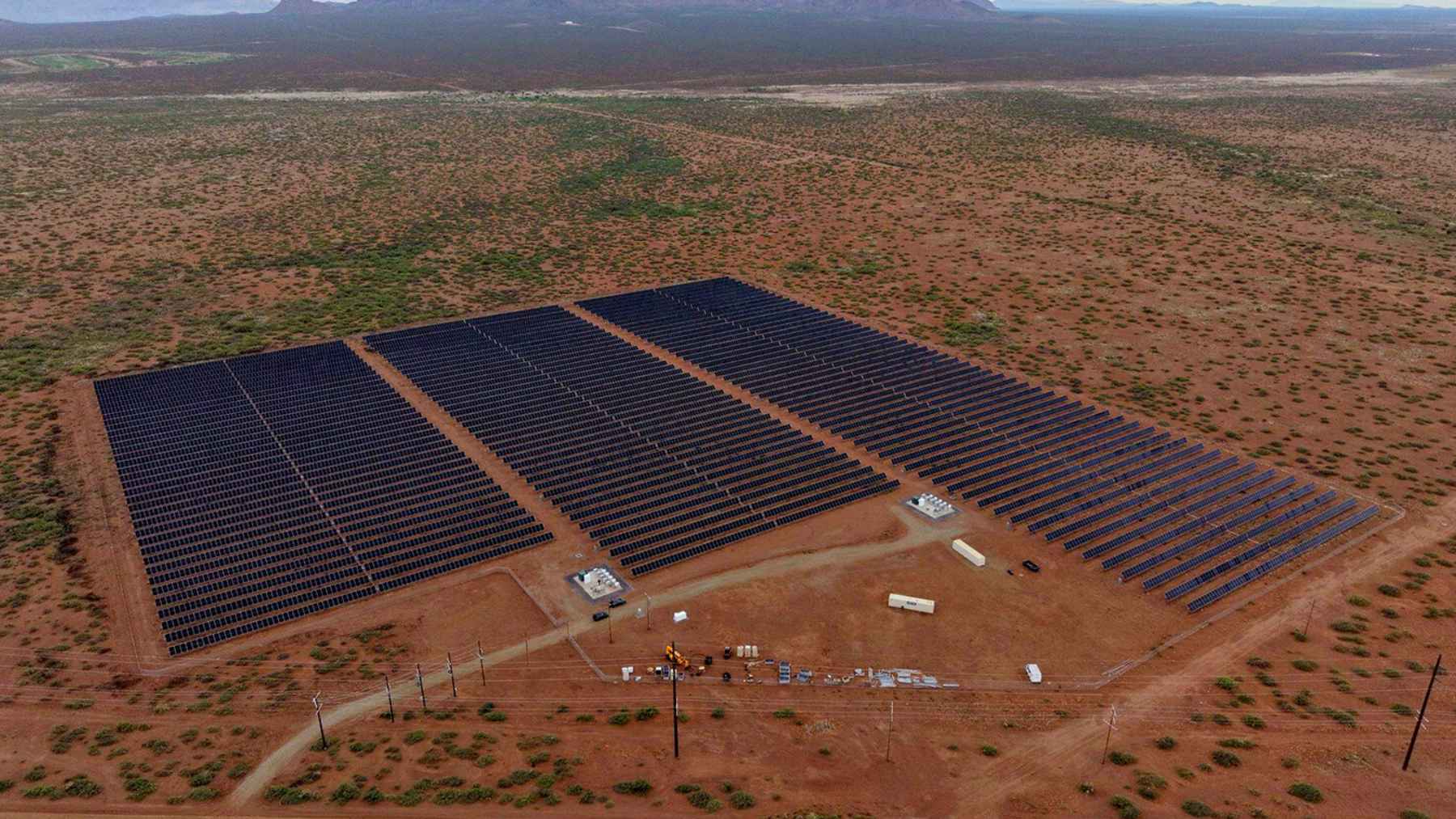
Those conditions are unusually concrete. They include bird-protection equipment, limited nighttime lighting, fencing without barbed wire, roughly 30 nest boxes, a bat shelter, rabbit refuges, and a pond covering at least 0.6 acres.
The company must also manage a conservation area equal to the project’s occupied footprint, or about 368 acres, and restore disturbed land when operations end.
One carbon claim needs checking
Plasencia’s announcement says Las Cruces I would prevent about 172 tons of carbon dioxide emissions each year. That appears unusually low for a plant expected to generate 165.85 gigawatt-hours annually, and the regional environmental decision does not provide a matching numerical estimate.
For perspective, Red Eléctrica reported approximately 29.8 million tons of power-sector emissions in Spain during 2024. It also recorded 148,999 gigawatt-hours of renewable generation, which represented 56.8% of total electricity production.
Using those figures to create a rough national grid average, Las Cruces I’s projected output would correspond to about 18,800 tons of emissions annually. That is not a plant-specific forecast because the real savings depend on which power stations reduce their output when the solar farm is generating.
Even so, the rough benchmark is more than 100 times the city’s published figure. The difference may reflect an incorrect unit or transcription error, so officials or the developer should clarify the number before presenting it as a firm climate benefit. Numbers this important deserve a clean label.
What happens next
Las Cruces I has received a favorable environmental declaration and preliminary administrative authorization, which are major steps. It still needs municipal, provincial, and other permits, while the battery component remains under review, so the proposed 2027 construction start is a target rather than a guarantee.
At the end of the day, the project will be judged on more than the number of panels behind a fence. Its case rests on whether Plasencia receives the promised revenue, local businesses share in the work, and environmental safeguards are enforced from the first access road to the final transmission tower.
The official statement was published on Plasencia City Council.