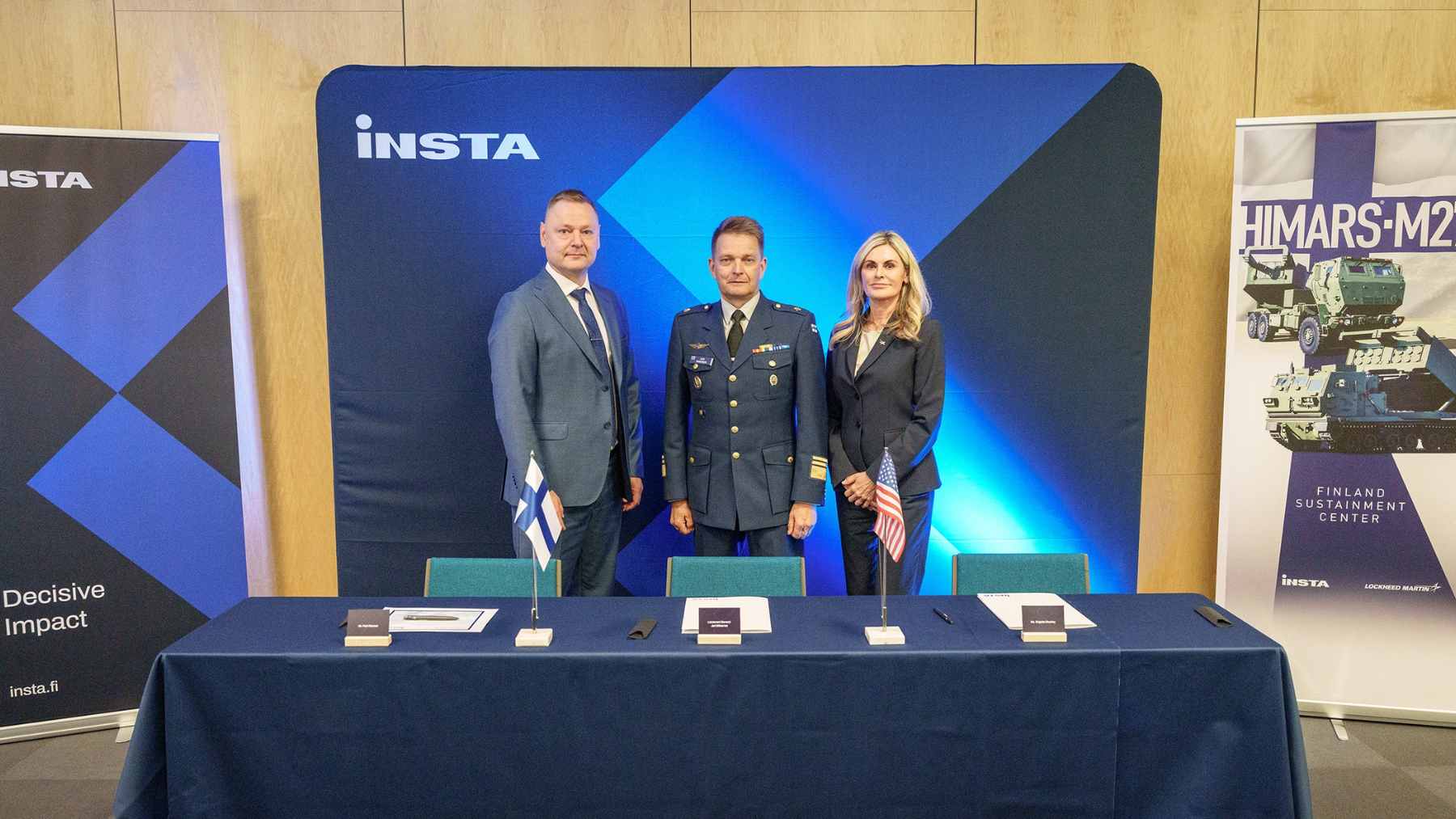
Europe’s next boost in precision firepower is not a new missile or another launcher order. It is a workshop. The Finnish Defense Forces, Lockheed Martin, and Finnish technology company Insta signed an agreement on June 25, 2026, to create Europe’s first maintenance and sustainment center dedicated to the Common Fire Control System used by M270A2 and HIMARS launchers.
The facility will be established at Insta’s site in Tampere and will support Finland’s own rocket artillery fleet, with the capability intended to serve other European operators. That matters because a launcher sitting idle while technicians wait for parts or distant support contributes nothing to deterrence, no matter how advanced the weapon looks on paper.
What the center will fix
The new center is specifically focused on the Common Fire Control System, often shortened to CFCS. It is not being presented as a factory for missiles or complete launch vehicles, and that distinction keeps the announcement from being overstated.
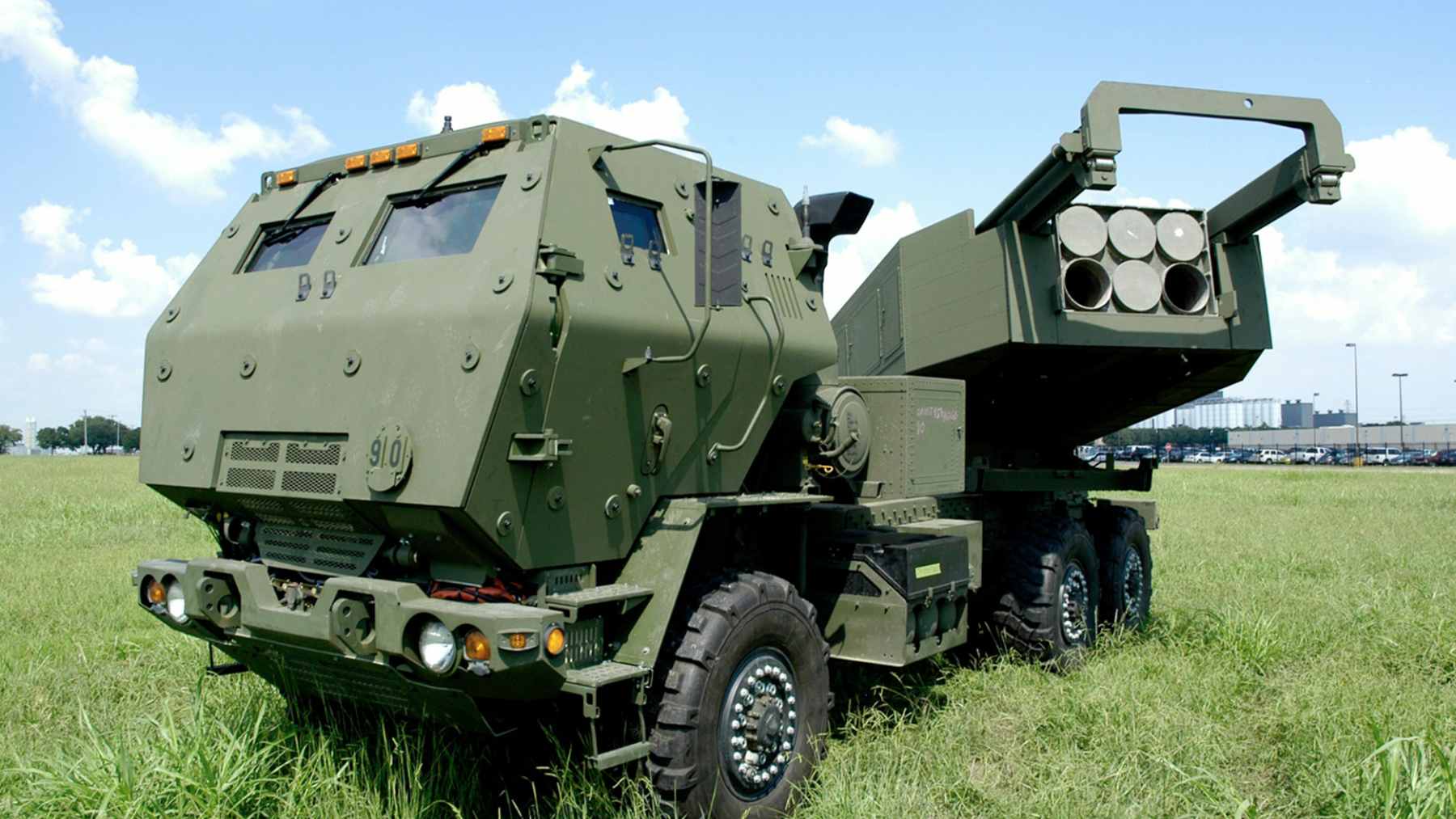
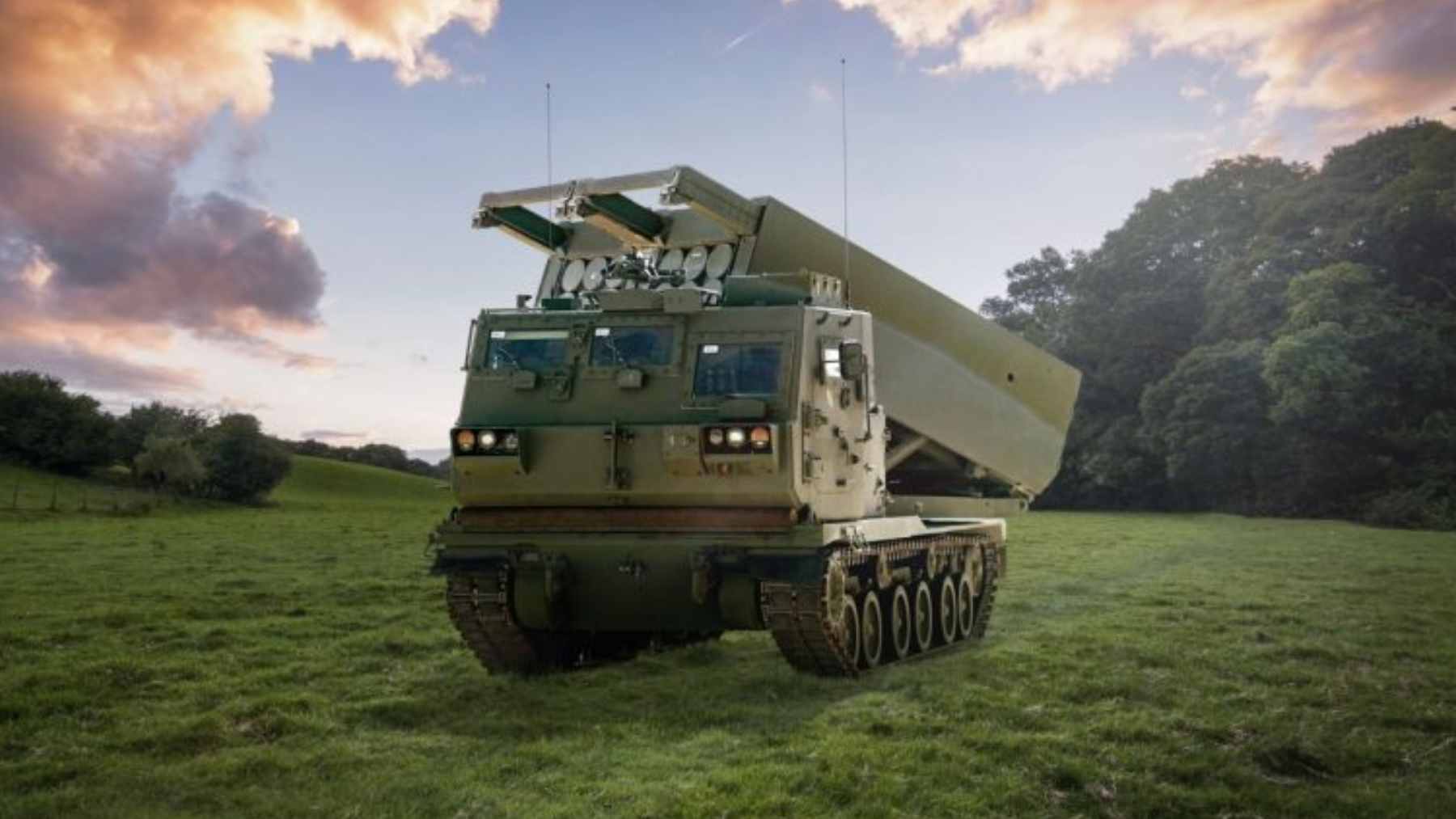
In practical terms, the fire control system is the digital layer that helps crews operate the launcher and remain compatible with modern munitions. Lockheed Martin has described CFCS as a central part of the M270A2 upgrade, alongside a new engine and improved armored cab, while HIMARS is designed to share substantial commonality with the M270 family.
The two launchers are not identical. The M270A2 is a heavy-tracked system that carries two rocket pods, while HIMARS is a lighter-wheeled launcher carrying one pod, but their shared fire control architecture and ammunition family make common support especially valuable.
Why availability wins wars
What good is long-range artillery if it spends weeks waiting for diagnosis? Modern launchers depend on software, electronics, test equipment, spare parts, and trained specialists just as much as they depend on rockets.
The Tampere operation is expected to provide lifecycle planning, spare parts support, obsolescence management, and technical assistance. Lockheed Martin and Insta say those services should reduce downtime, improve system availability, and strengthen continuity of operations for Finnish and NATO users.
Obsolescence is a particularly unglamorous threat. A discontinued component or outdated diagnostic tool can sideline a high-value platform, which is why local engineering knowledge and parts management are strategic capabilities rather than routine garage work.
Finland’s strategic advantage
Finland became NATO’s 31st member on April 4, 2023, and shares 833 miles of border with Russia. That geography gives a European fire control support center added strategic weight, even though Tampere itself sits well inside Finnish territory.
A nearby repair network cannot remove every supply chain risk, but it can shorten the route between a fault report and a working launcher. For crews in the field, that difference may be less dramatic than a missile test video, yet it is often what separates nominal capability from equipment that is actually ready.
The F-35 connection
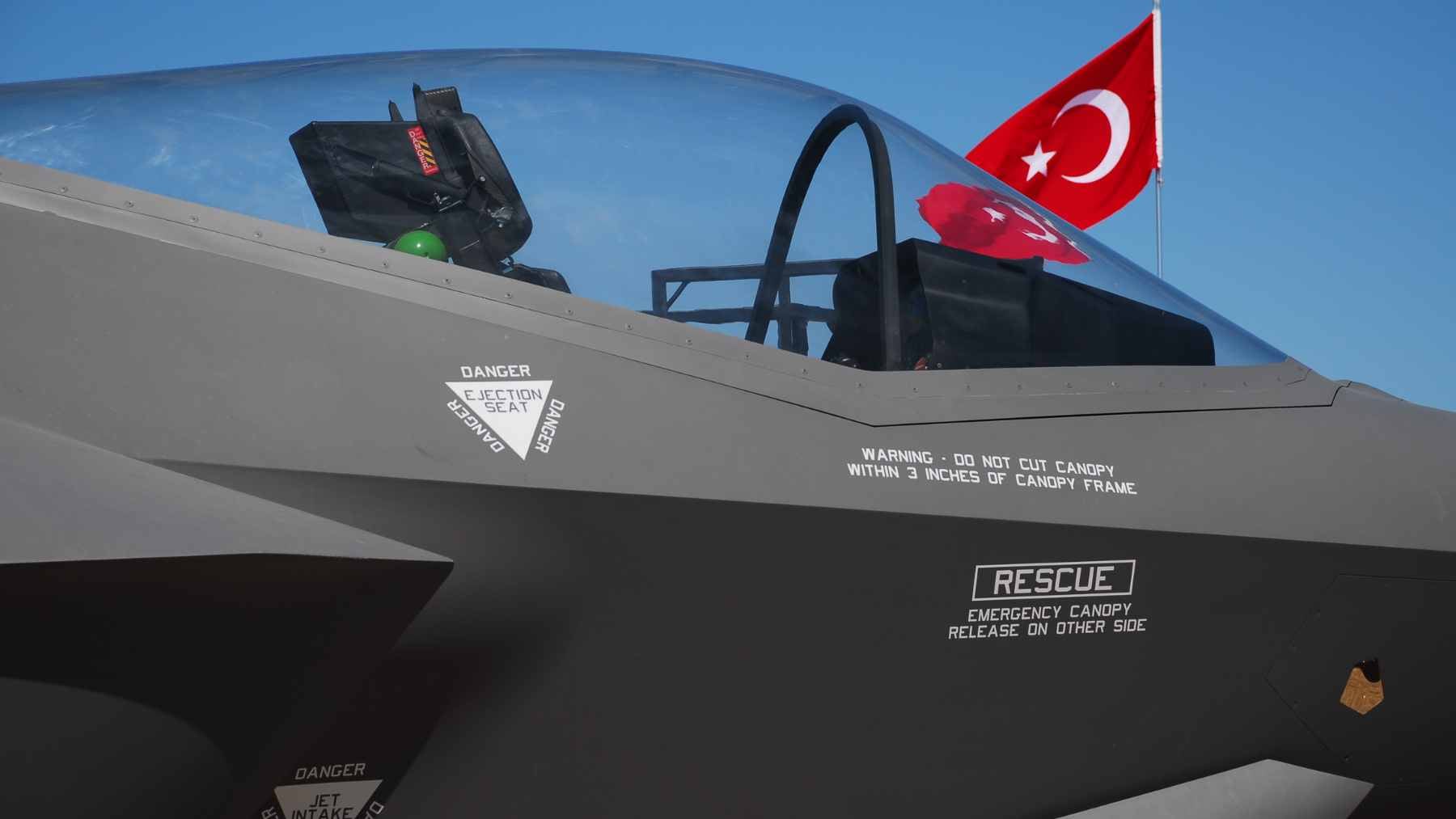
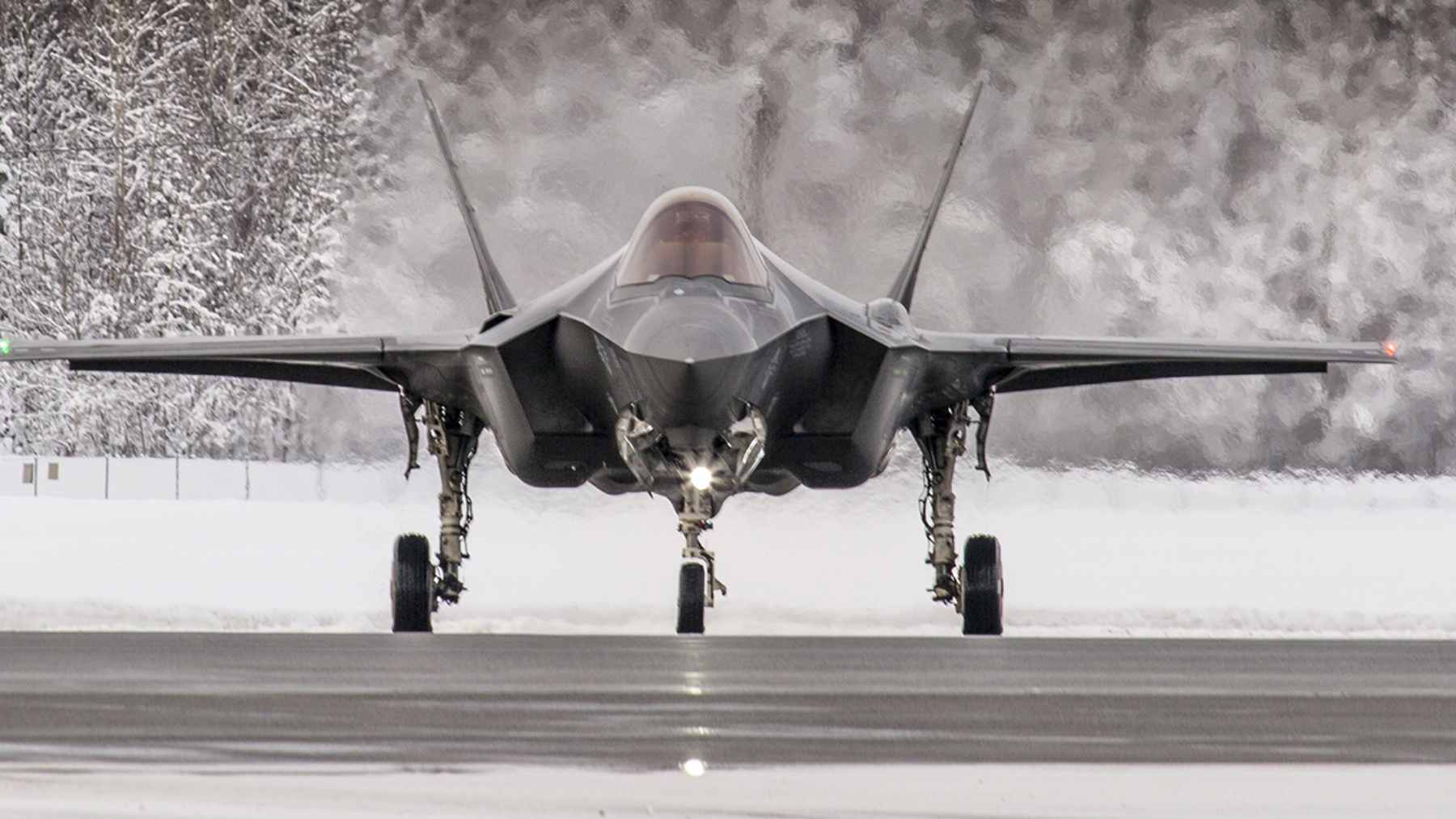
The project grew out of indirect industrial cooperation linked to Finland’s F-35 program. Lockheed Martin and Insta signed a memorandum of understanding in December 2025 during the rollout of the first of Finland’s 64 F-35A fighters, and Insta is also developing long-term avionics support for that fleet.
Finnish Defense Minister Antti Häkkänen said the arrangement would “create new jobs and further increase the high technology expertise” in the country’s defense industry. At the end of the day, the F-35 purchase is helping Finland build skills that reach beyond combat aircraft and into rocket artillery sustainment.
A European support network
The immediate customer is Finland, but the companies are clearly looking beyond one national fleet. Petri Reiman, CEO of Insta Advance, said the center would create readiness to provide sustainment services to other European users.
Lockheed Martin executive Gaylia Campbell said the facility would “secure the supply chain” and speed logistics and technical services. That is the bigger play, turning Tampere into a regional service node as European operators seek more reliable support for their long-range fire systems.
The business of keeping systems alive
For Insta, the center opens a specialized defense service business built around maintenance contracts, technical knowledge, and long-term customer relationships. For Lockheed Martin, it places more support capacity closer to European operators and reduces the need to route specialized assistance through distant facilities.
There is also a quieter resource-efficiency benefit. Keeping complex electronics serviceable can extend the useful life of costly platforms and reduce pressure for premature replacement, although neither company has released environmental estimates for the Tampere project.
What remains unknown
The official announcements do not give an opening date, investment figure, staffing level, service capacity, or a list of the first foreign customers. Those details will decide whether the center begins as a Finnish national capability or quickly grows into the European hub envisioned by the partners.
A multinational facility handling sensitive fire control electronics will also need strong cybersecurity, access controls, and clear rules for prioritizing repairs during a crisis. The companies have not publicly described those arrangements, so it is too early to judge how the center will operate under wartime pressure.
Still, the direction is clear. Europe is learning that precision firepower is not measured only by launcher counts and missile ranges, but also by how quickly a damaged or obsolete system can return to service.
The press release was published on Insta.