Argentina’s government has approved the San Matías Pipeline under its Large Investment Incentive Regime, known as RIGI, clearing a major financial and regulatory hurdle for a $1.3 billion energy project.
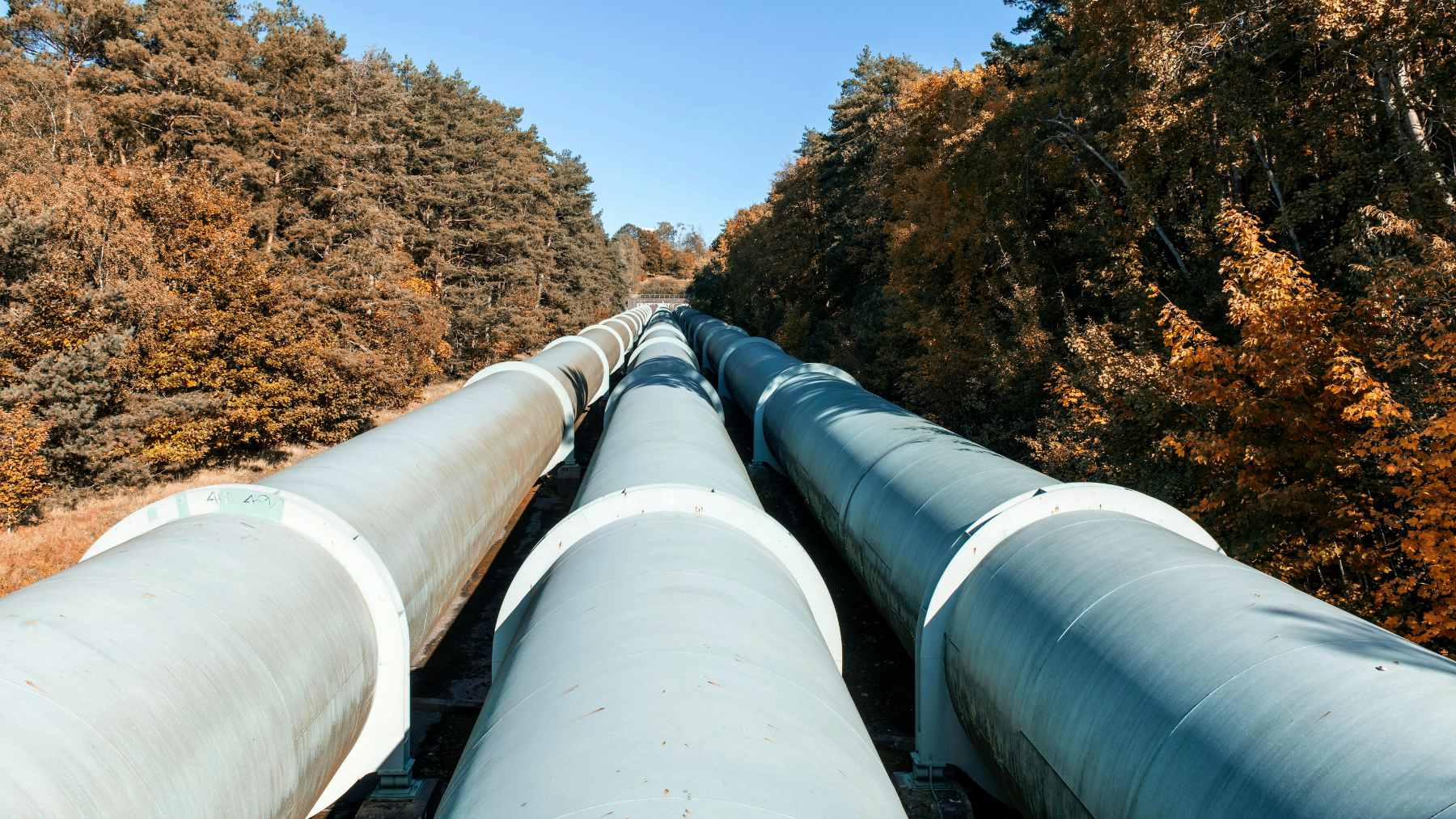
The planned 36-inch line would run 298 miles from Tratayén in Neuquén to San Antonio Oeste in Río Negro and carry roughly 954 million ft.³ of natural gas per day toward floating liquefaction facilities on the Atlantic coast.
The decision could turn more Vaca Muerta gas into export revenue, but it does not settle the environmental debate. The RIGI resolution covers the investment plan and access to incentives, while Neuquén and Río Negro have handled environmental assessment and public participation through separate provincial processes.
A pipeline built for exports
The pipeline is designed as a dedicated route rather than another branch of Argentina’s domestic gas network. It would move additional production from the Neuquén Basin to a compressor station near San Antonio Oeste, where the gas would continue to liquefaction units and then leave the country by ship.
The plan also includes a new 60,000-horsepower compressor station and upgrades to existing equipment.
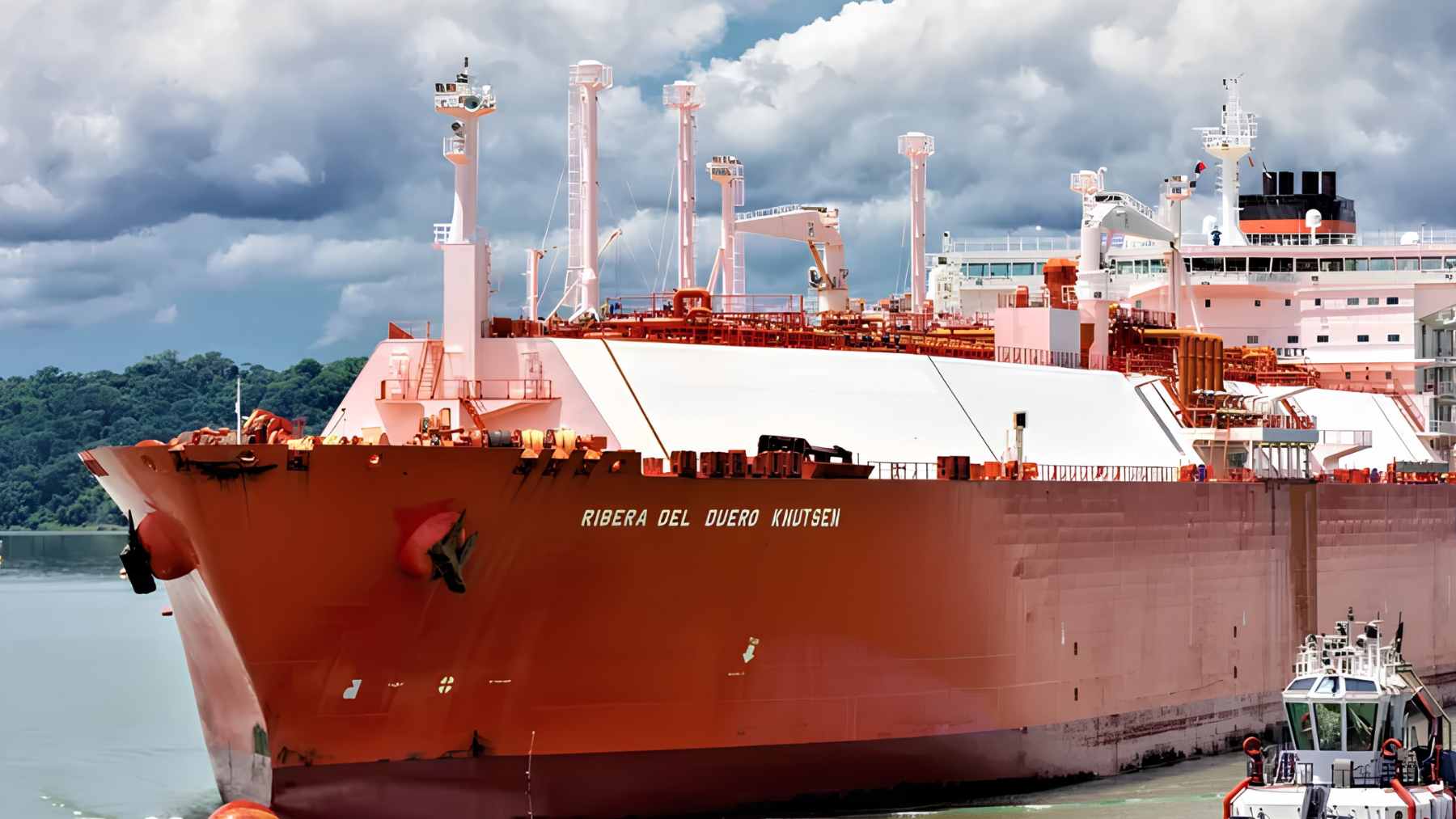
Think of it as a nearly 300-mile highway built for one destination. At the coastal end is Southern Energy’s floating LNG project, backed by a consortium involving Pan American Energy, YPF, Pampa Energía, Harbour Energy, and Golar LNG.
What RIGI changes
RIGI gives San Matías Pipeline access to tax, customs, and foreign exchange incentives intended to make large projects easier to finance. The company was also accepted as a “Single Project Vehicle,” meaning the corporate entity is dedicated to this investment rather than a broader collection of businesses.
For investors, that creates a clearer legal and financial perimeter around the project.
The spending promises are substantial. The approved plan lists $454 million in qualifying assets during the first year and $501 million during the second, with May 31, 2027 set as the deadline for reaching the required minimum investment. In other words, $955 million of planned qualifying spending is concentrated in the first two years.
There is also a local business requirement. At least 20% of the total investment in goods and works must involve local suppliers during construction and operation, equal to at least $260 million if applied to the full $1.3 billion budget.
That could spread work beyond major energy companies and into workshops, engineering firms, transportation providers, and service businesses across Patagonia.
Why the project matters
Argentina has plenty of gas in Vaca Muerta, but reserves alone do not create export revenue. The fuel must be produced, processed, transported, compressed, liquefied, stored, and loaded onto vessels, and one missing link can slow the whole chain.
Federal energy officials previously concluded that the existing transport system lacked enough capacity for the planned LNG volumes, making the dedicated pipeline central to the export plan.
Southern Energy’s expanded project includes two floating liquefaction units. Río Negro’s environmental information lists annual production capacities equivalent to about 2.65 million and 3.86 million tons of LNG, respectively. Reliable year-round feed gas is therefore not a side issue, it is the backbone of the business model.
The approved schedule set June 30, 2026 as the planned construction start and May 1, 2028 as the estimated beginning of operations. The resolution does not confirm whether field work actually began on the planned date, so permits, contracts, financing, and visible construction progress are now the milestones to watch.
The environmental test
The federal incentive decision should not be confused with the provincial environmental review.
Neuquén held a public hearing in April 2026 for the roughly 18-mile section inside that province, while Río Negro held its hearing in May as part of the environmental impact assessment process. Those proceedings gave residents and other interested parties a formal place to raise questions before environmental decisions are made.
The climate issue is bigger than the buried pipe. LNG passes through production, processing, pipeline transmission, liquefaction, shipping, and regasification, with emissions possible at every stage.
The International Energy Agency estimates that about 30% of global LNG supply-chain emissions come from methane, a gas that traps about 80 times as much heat as carbon dioxide during its first 20 years in the atmosphere.
There is room to improve. The IEA estimates that LNG supply emissions could be cut by more than 60% using technology available today, while reducing methane leaks alone could remove emissions equal to about one-quarter of the current total.
Better leak detection, efficient compressors, low-emission electricity, reduced flaring, and public reporting would make the environmental claims easier to test.
What to watch next
Official documents do not use exactly the same engineering figures. The federal RIGI resolution describes a line of 298 miles carrying 954 million ft.³ per day, while Río Negro’s environmental materials list 294 miles and 989 million ft.³ per day. The difference is modest, but the final design and operating permits should make the definitive numbers clear.
For businesses, the key questions are whether the first two years of spending arrive on schedule and whether local suppliers receive the promised share.
For nearby communities, more everyday details will matter, including construction traffic, land restoration, emergency plans, and independently verifiable leak and flaring data. Both sides will be watching the same project, just through different windows.
At the end of the day, the approval gives Argentina a stronger path from Vaca Muerta to global LNG buyers, but it does not guarantee commercial success or a lower-emission operation. What happens next can be judged against clear investment dates, local purchasing commitments, and environmental performance that regulators and communities can verify.
The official resolution was published on Boletín Oficial de la República Argentina.