What happens when a train factory stops building trains and starts preparing parts for tanks? In Görlitz, a German city on the Polish border, that shift is no longer theoretical. The former Alstom rail plant is now producing armored vehicle components for KNDS, including parts linked to the Leopard 2, Boxer, and protected transport vehicles used by the German Armed Forces.
At first glance, this is a defense story. Look closer, though, and it is also an industrial and environmental one. Europe’s rearmament is not only about budgets, missiles, and military planning.
It is also about whether old factories can be reused, how fast heavy industry can pivot, and how much steel, energy, and land this new security era will demand.
From trains to armor
Just over a year after KNDS signed a framework agreement to acquire the Görlitz site from Alstom, the company says the factory has become a key part of its production ramp-up. More than half of the site’s roughly 753,000 ft.² of production area has already been converted, meaning more than 376,000 ft.² is now part of the defense manufacturing push.
During a visit by Saxony Minister-President Michael Kretschmer and Görlitz Mayor Octavian Ursu, KNDS Deutschland CEO Florian Hohenwarter presented the 40th interior cabin for the German Armed Forces’ Protected Transport Vehicle (GTF 3).
Those cabin interiors are manufactured and equipped in Görlitz, then sent to KNDS in Munich for painting.
What the plant is making
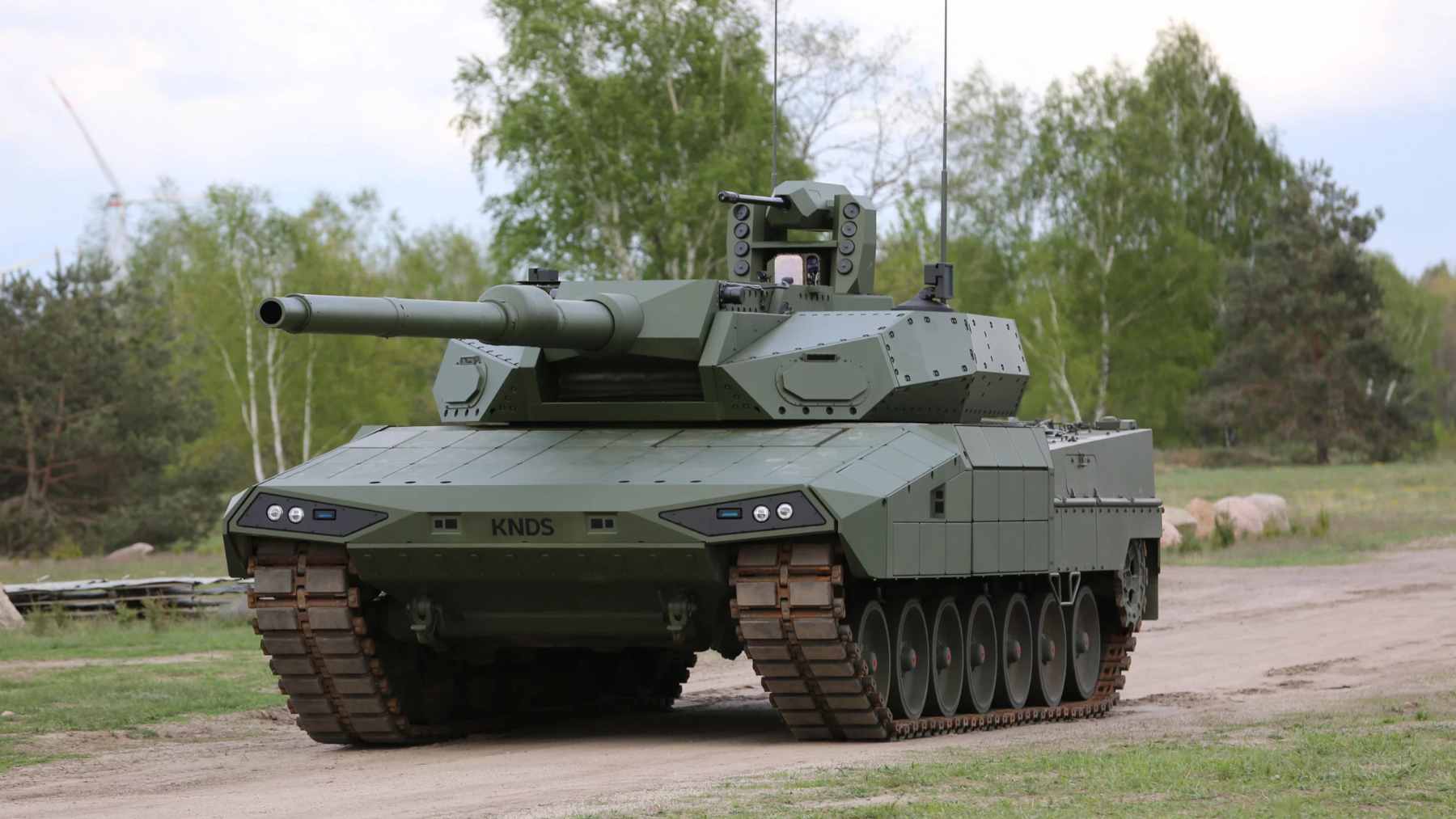
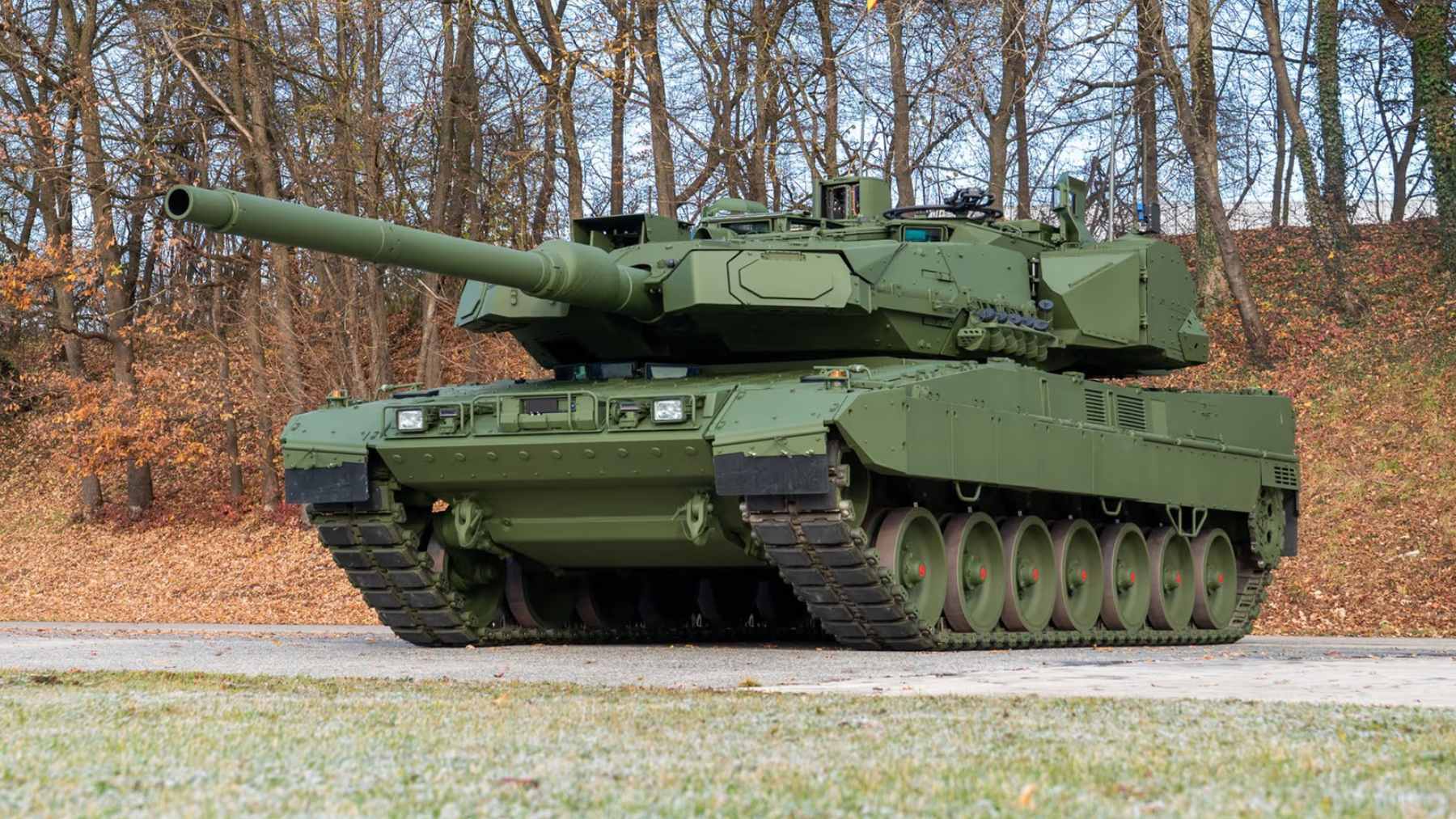
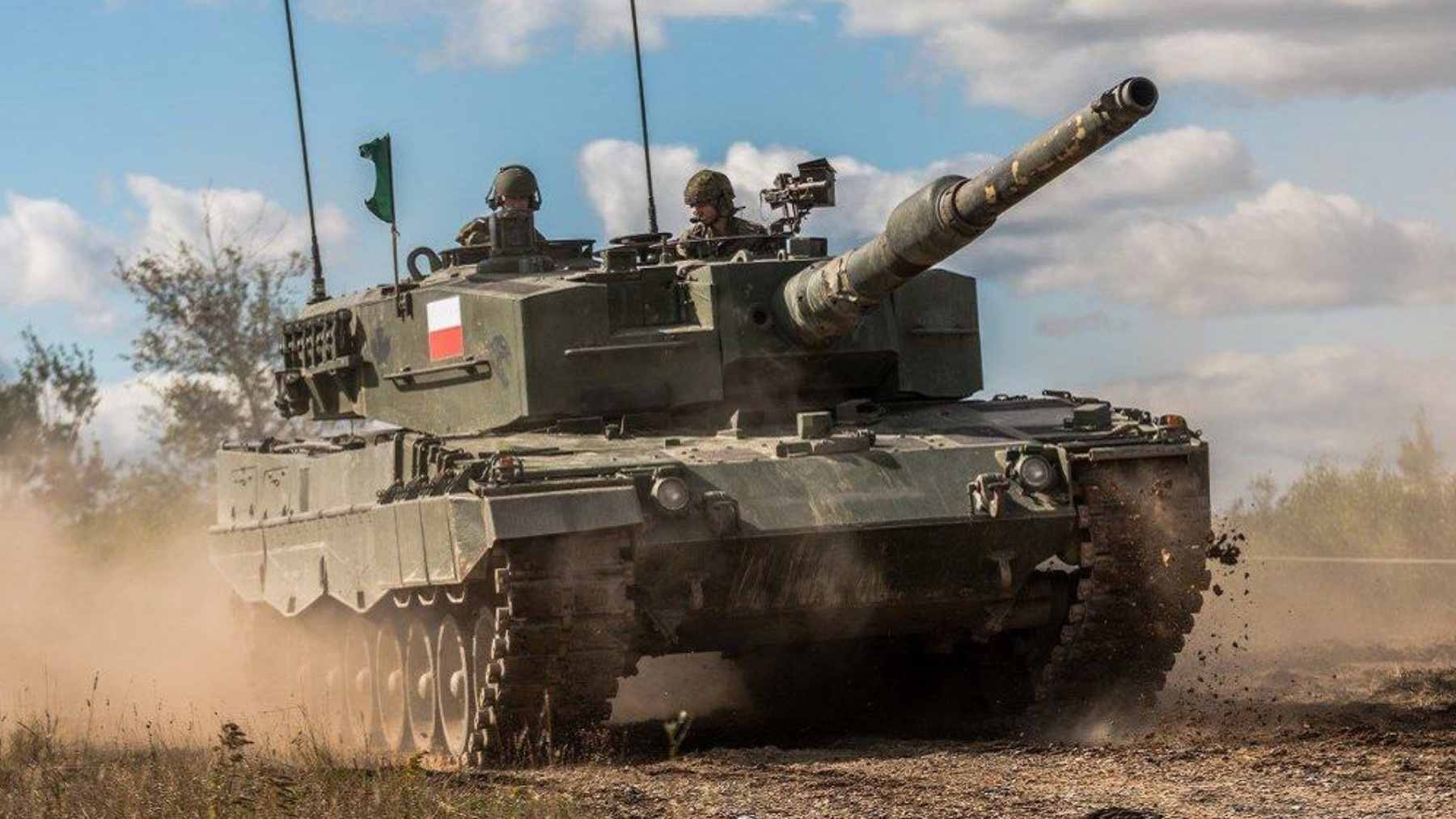
KNDS says Görlitz is already producing hulls and turret housings for the Leopard 2 main battle tank, as well as modules for several Boxer armored vehicle variants. Production of turret housings for the Puma infantry fighting vehicle and hulls for the Boxer wheeled armored vehicle is also being prepared.
That may sound like a list of military hardware, and it is. In practical terms, however, it shows something bigger. A civilian rail site with metalworking experience, large halls, logistics, and trained workers can become a defense production node much faster than a new factory built from scratch.
Why Görlitz moved so fast
The key asset was not only the building, it was the workforce. When Alstom and KNDS announced the takeover plan in February 2025, they said KNDS expected to take on 350 to 400 of the plant’s roughly 700 employees, while around 580 workers would continue employment through KNDS or Alstom sites.
Those employees matter because armored vehicles are not simple products. They require welding, precision assembly, quality control, and knowledge of heavy materials. For the most part, Görlitz did not need to invent an industrial culture–it already had one, shaped by decades of rail manufacturing.
The environmental angle
This is not a green story in the usual sense. Tanks and armored vehicles are steel-heavy products, and steel remains one of the toughest industrial sectors to clean up. The World Steel Association says steel industry emissions represent about 7% to 8% of global human-caused greenhouse gas emissions.
Still, reusing an existing industrial site changes the conversation. It does not make military production carbon-free, but it can reduce the pressure to build on new land and duplicate heavy infrastructure. At the end of the day, the environmental question is not just what Europe builds, but where and how it builds it.
Germany is scaling up
Görlitz fits into a much larger German defense shift. Germany’s Finance Ministry says NATO defense spending is slated to rise to 2.8% of GDP in 2026 and reach 3.5% of GDP in 2029 under the fiscal plan. That is the kind of budget signal factories can hear.
The same shift can be seen beyond armored vehicles. Chancellor Friedrich Merz said Germany would purchase U.S.-made Tomahawk cruise missiles while also working to develop European systems, according to Reuters.
In other words, Germany is trying to close military gaps with both imports and domestic industrial expansion.
Jobs, skills, and local stakes
For Görlitz, the change is deeply local. A factory that once helped make trains now supports armored vehicle programs, and KNDS expects to employ 400 people at the site by the end of the year. That is not an abstract policy debate for families who depend on factory work.
Kretschmer framed the project as a win for Saxony’s industrial base. “Modern industry creates added value, secures skilled jobs, and strengthens our technological capabilities,” he said during the site update. There is also a quieter tension here, though.
The same industrial strength that can preserve jobs is now being pulled more firmly into Europe’s military economy.
What to watch next
The next big test is whether Görlitz becomes a model. If the conversion keeps moving quickly, more civilian industrial sites across Germany could be evaluated through the same lens. Big halls, skilled workers, machinery, and transport links are suddenly strategic assets.
The other test is environmental discipline. Heavy defense production will still need steel, energy, coatings, transport, and supply chains.
If Europe is going to rearm, factories like Görlitz show that it can do so by reusing old industrial muscle, but they also raise a simple question: can security policy move fast without leaving climate and resource concerns behind?
The press release was published on KNDS Group.