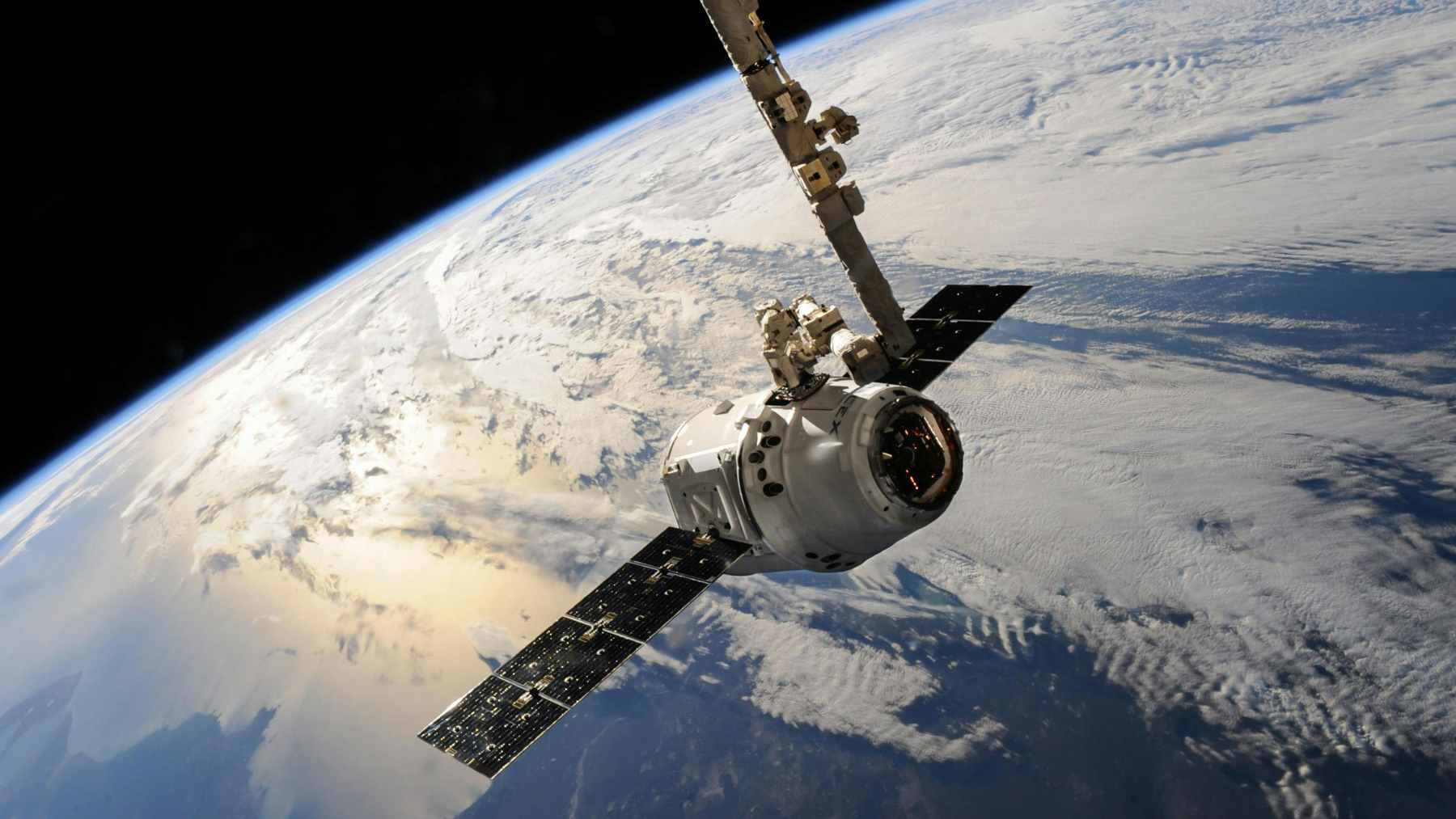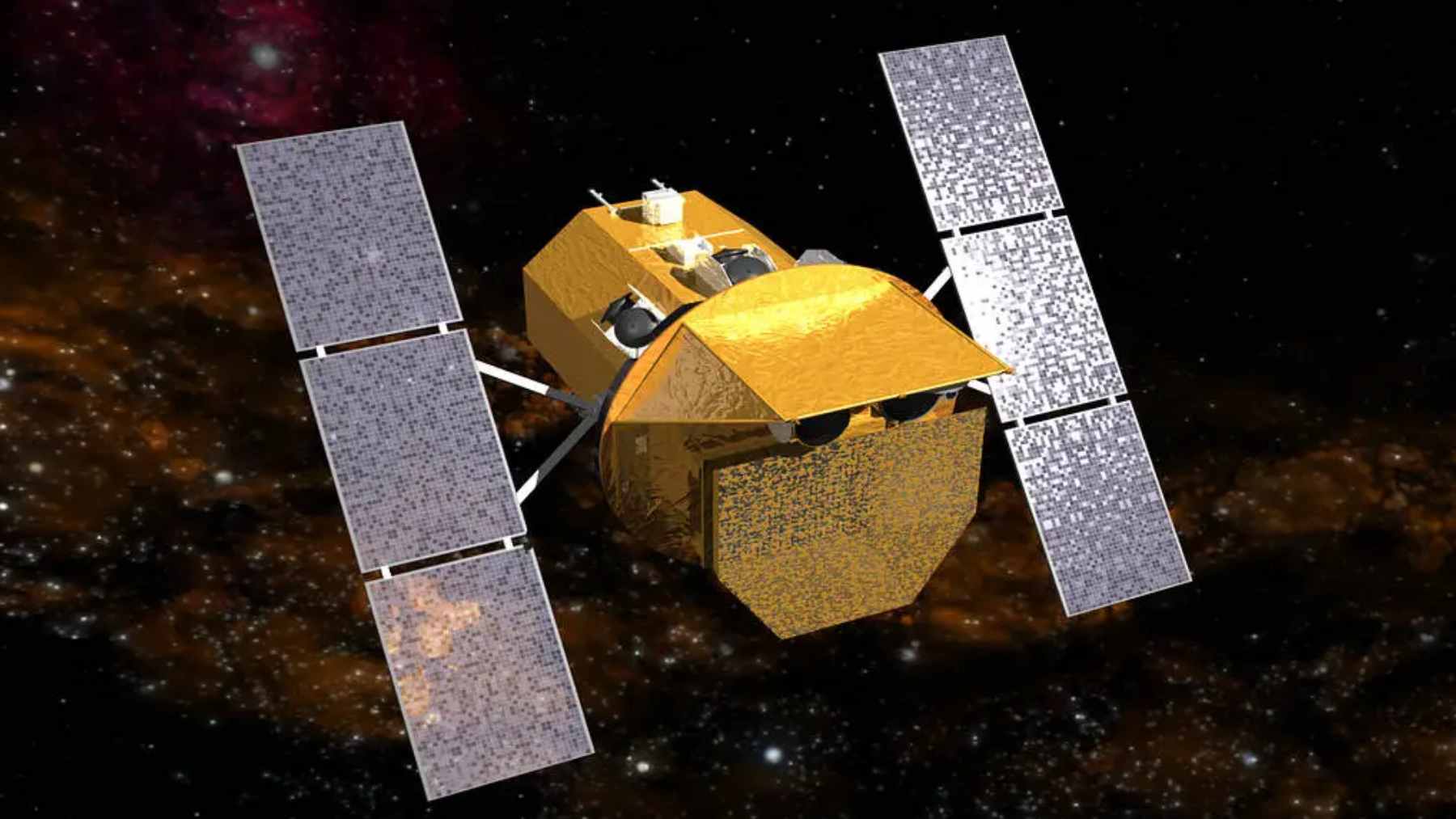
NASA has sent an 880-lb. robotic spacecraft into low Earth orbit to try to save the Neil Gehrels Swift Observatory from a possible fiery reentry this fall. Katalyst Space’s LINK launched on July 3 and, as of NASA’s July 10 update, was healthy, powered, communicating with controllers, and moving through on-orbit checks.
This is more than a rescue of one aging telescope. The $30 million mission is a live test of whether government and commercial operators can repair, reposition, and keep valuable spacecraft working instead of treating them as disposable hardware. If it succeeds, the lesson could reach science, business, environmental planning, and defense.
LINK is healthy after launch
Northrop Grumman’s Stargazer aircraft carried a Pegasus XL rocket over the Pacific near Kwajalein Atoll in the Marshall Islands. At about 40,000 ft., the aircraft released the rocket, which delivered LINK into orbit at 4:36 a.m. EDT on July 3 after earlier attempts were delayed by weather and a launch vehicle issue.
The first signs are encouraging. NASA says LINK deployed its solar arrays, began receiving power, established routine communications, and recovered from an initial period of excess momentum. Katalyst is now testing its subsystems, including three xenon-fueled electric thrusters.
How the robotic catch will work
Can an 880-lb. robot safely grab a roughly 3,200-lb. telescope that was never designed for docking? Think of it as a tow truck approaching a vehicle with no tow hook, except both machines are circling Earth at orbital speed. Small errors matter.
After commissioning, which NASA expects to take a few weeks, LINK will begin moving toward Swift. The servicer will photograph and inspect the observatory so engineers can confirm where its three robotic arms should attach. NASA says the careful rendezvous and capture process could take about a month.
Swift was circling 224 miles above Earth when the rescue launched. LINK is expected to lift it by roughly 150 miles, returning the observatory close to its original altitude of 373 miles. The push will be slow and gentle, lasting several months rather than one dramatic burn.
Why NASA wants Swift back
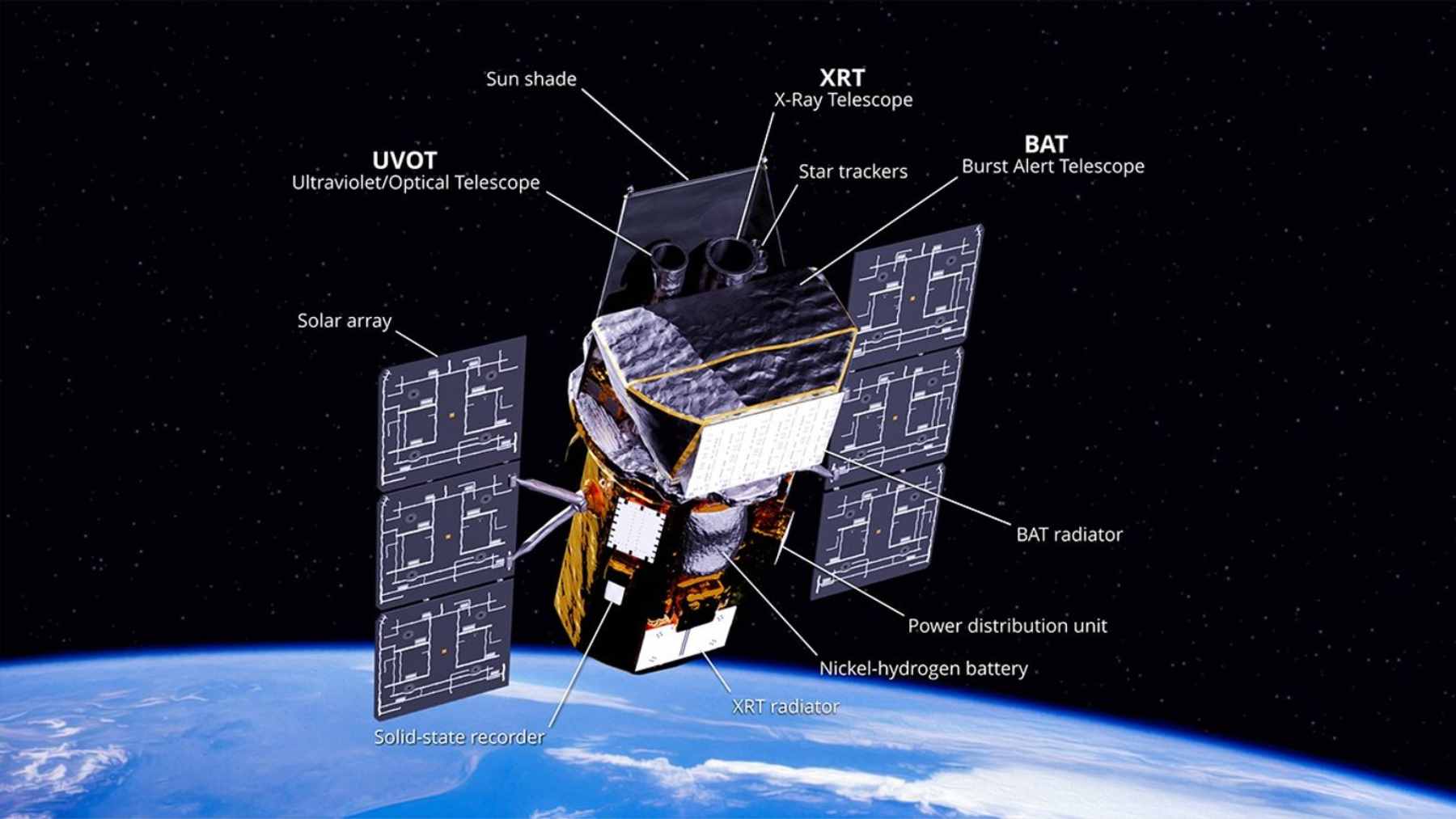
Launched on November 20, 2004, Swift studies short-lived events using gamma-ray, X-ray, ultraviolet, and visible light. Its specialty is detecting gamma-ray bursts, enormous cosmic explosions that can appear with little warning and fade quickly.
“Swift is NASA’s multitool when it comes to studying the cosmos,” principal investigator S. Bradley Cenko said. The observatory can rapidly turn toward a new event and alert telescopes on the ground and in space, giving scientists a better chance to catch the aftermath while it is still changing.
Swift’s original mission cost about $250 million, including contributions from the United Kingdom and Italy. NASA’s $30 million rescue contract is roughly 12% of that original price, before adjusting for inflation. It is not a perfect replacement-cost comparison, but it explains why an orbital repair can look attractive.
Solar storms changed the deadline
Low Earth orbit is not an empty vacuum. Traces of atmosphere create drag, and increased solar activity can expand the upper atmosphere and intensify the resistance felt by satellites. Swift has no propulsion system of its own, so it could not replace the altitude it was losing.
NASA and Penn State changed Swift’s pointing strategy to present a more streamlined profile and slow the descent. Science observations were eventually suspended, while controllers worked to keep the telescope above about 185 miles, the level NASA considers important for the rescue attempt. Without a boost, the observatory was projected to reenter as early as October.
Space sustainability meets business
The environmental angle is straightforward, but it needs nuance. Extending a working satellite’s life delays one reentry and may reduce the need to manufacture and launch a replacement, which fits a repair-before-replace approach.
Still, LINK required new hardware and a rocket launch, and NASA’s published mission materials do not provide a full lifecycle emissions comparison.
For the space business, the mission is a real-world demonstration rather than a laboratory test. Katalyst had less than a year to design, build, test, and launch LINK after receiving the contract in September 2025. Success could help turn satellite servicing into something agencies and companies purchase as a service.
That matters as low Earth orbit becomes more crowded and expensive equipment remains exposed to drag, component failures, and changing mission needs. A robotic fleet that can inspect, move, refuel, or repair spacecraft could keep assets useful for longer. The commercial prize is potentially much larger than this one telescope.
Why defense officials are watching
The same technology is inherently dual-use. A spacecraft able to approach, inspect, grapple, and reposition another satellite can support repairs, but similar capabilities could also be used to interfere with an adversary’s hardware.
Reuters reported that the mission is being watched as a test of technology with military applications amid competition between the United States and China. Katalyst CEO Ghonhee Lee called orbital grappling a “core element of space superiority.” That does not make LINK a weapon, but it shows why the demonstration carries strategic weight.
The rescue is not complete
Launch was only the opening move. LINK must finish commissioning, navigate to Swift, verify safe grab points, attach without damaging the observatory, and then lift the combined spacecraft over a period of months. After the boost, NASA says restarting Swift’s full science operations could take another month or more.
For now, the robot is healthy, but the hardest work is still ahead. Success could give Swift several more years and provide a blueprint for saving other aging spacecraft, while failure would leave the telescope facing reentry later in 2026.
The latest official update was published on NASA Science.