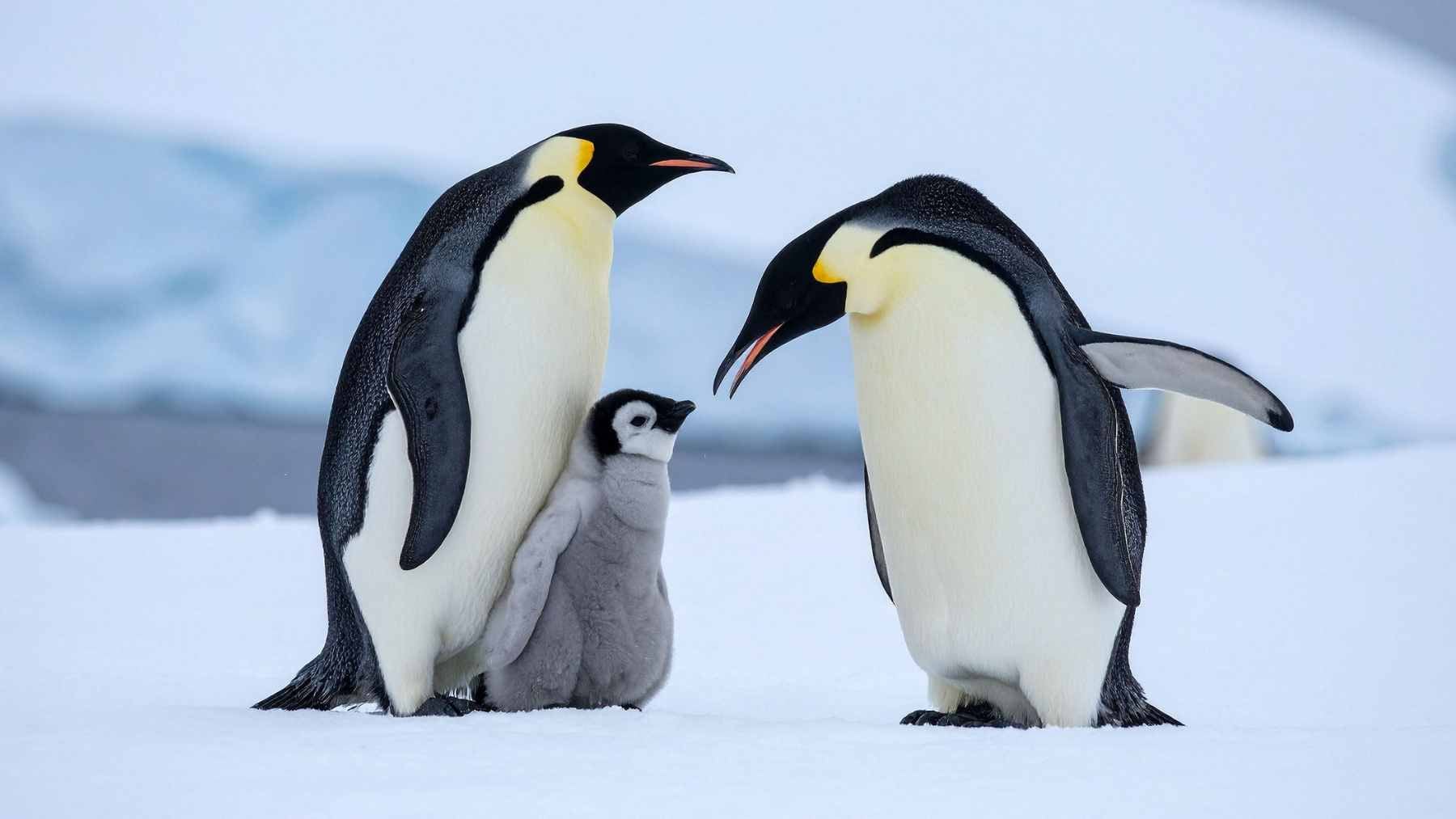
An Antarctic clean-energy project built to cut diesel use had to make room for something older and far less negotiable. On Inexpressible Island, China’s Qinling Station shifted its planned site about 1.2 miles south after environmental reviewers raised concerns about potential disturbance to Adélie penguin habitat.
The result is not a simple “humans bad, nature good” story–it is more practical than that. A nearby sanctuary jointly established by China, Italy, and South Korea has now recorded more than 29,000 breeding pairs, while Qinling’s wind, solar, hydrogen, and battery system is pushing one of the world’s harshest research bases away from heavy diesel dependence.
Why 1.2 miles mattered
Could a short distance really matter on a frozen island? In this case, yes. The non-technical summary for the Comprehensive Environmental Evaluation says China decided to move the planned station site about 1.2 miles south to reduce potential impact on penguin habitat near the north of Inexpressible Island.
The same document says several alternatives were compared, including sites around the Ross Sea region and five possible sites on the island. That matters because the move was not just a nice-looking promise after the fact, it was built into the environmental planning around the station.
The penguins came first
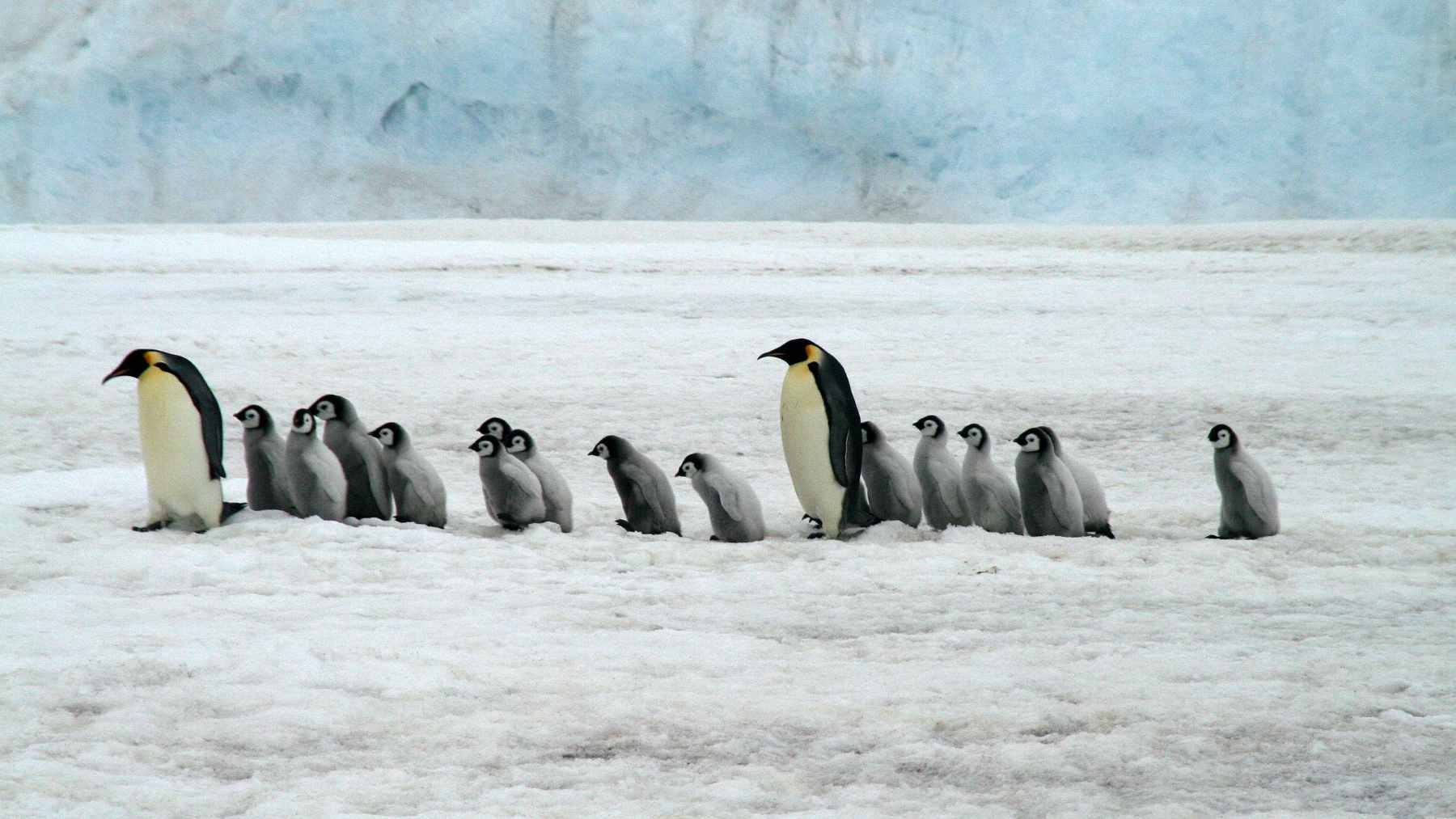
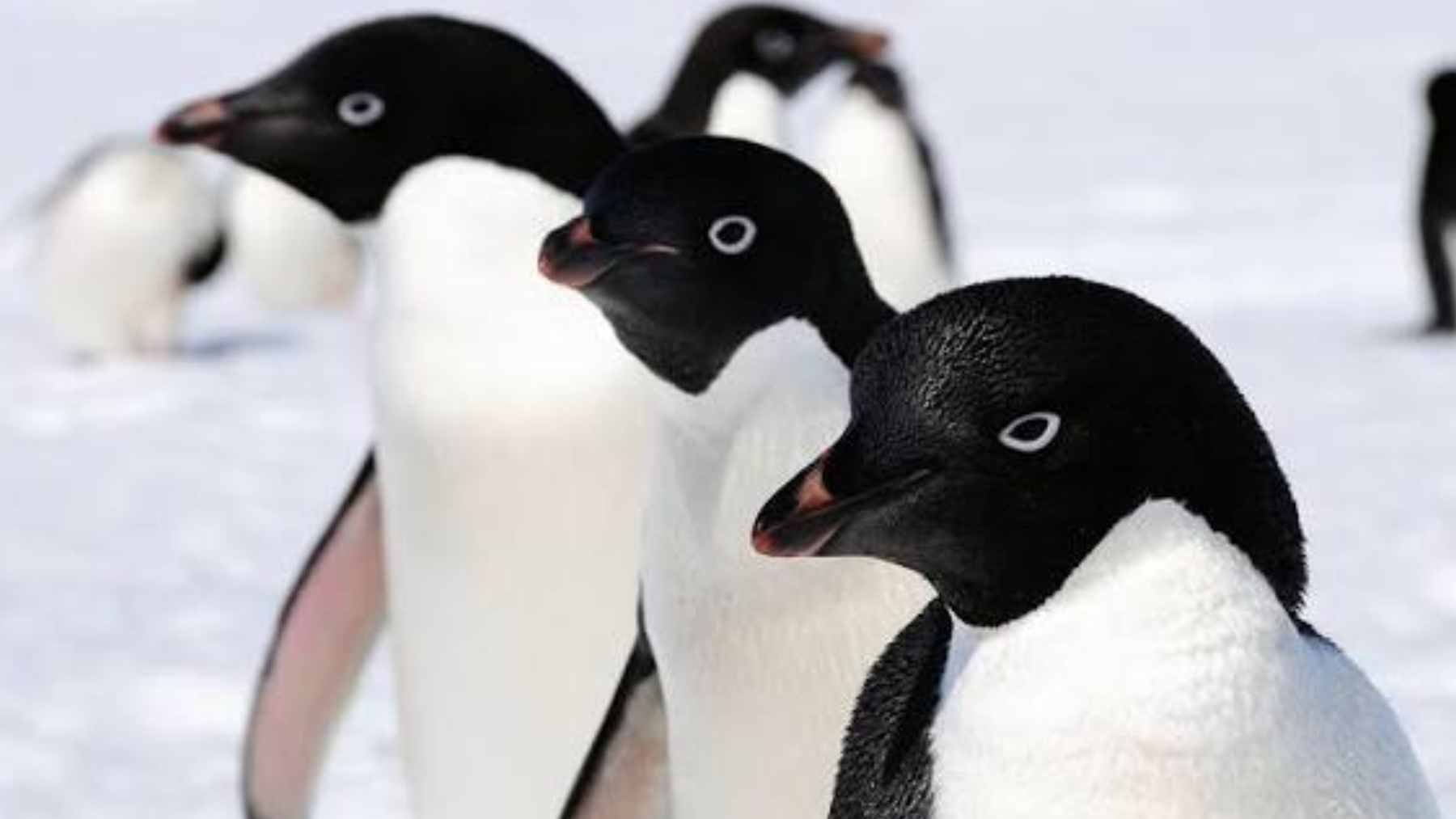
The colony is not a seasonal curiosity. Historic data cited in the evaluation found an average of about 24,450 Adélie penguin breeding pairs from 1981 to 2012, while field surveys from 2012 to 2017 found about 20,000 breeding pairs in a bay along the northern coast. For context, that is a small city of birds on ice.
More recent monitoring put the figure even higher. Zhang Qianyi, a bird researcher at Beijing Normal University, said, “This year, we recorded over 29,000 pairs.” The birds, for the most part, stayed at the center of the planning instead of being treated as scenery around it.
Clean energy still won
Moving away from the sensitive habitat did not stop the engineering push. Qinling Station, China’s fifth research station in Antarctica, began operations in February 2024, and its hybrid power supply system started running in 2025 with wind, solar, hydrogen, batteries, and diesel backup.
The installed system includes 100 kilowatts of wind power, 130 kilowatts of solar power, a 30-kilowatt hydrogen unit, and 300 kilowatt-hours of low-temperature battery storage. Xinhua reported that solar and wind power reach more than 60% of the system, saving more than 110 tons of fossil fuel annually.
Project figures cited in the background material put the annual reduction at about 180 tons of fuel and 424 tons of carbon emissions. The public Xinhua statement gives a more conservative benchmark, so the safest takeaway is simple: less diesel is being burned, and less exhaust is being added to a fragile polar setting.
The tech had to survive Antarctica
Wind and solar sound straightforward until the weather gets involved. Scientific American reported that the renewable system took $14 million to develop, with engineers designing for temperatures below -40°F, winds near 190 mph, and months of polar darkness.
That is why the hydrogen and battery parts matter. During periods without wind or sunlight, Xinhua said the system can power the station for about 2.5 hours at a maximum load of 150 kilowatts, while the hydrogen setup can provide 30 kilowatts of uninterrupted power for 14 days during polar nights.
Sun Hongbin, a polar energy scientist, put it plainly. “This system signals a shift from fossil fuels to sustainable energy in Antarctic exploration,” he said. In practical terms, fewer fuel runs, fewer emissions, and a cleaner local footprint.
Counting without crowding
Monitoring mattered almost as much as relocation. Researchers used drones flown at least 195 ft. above the colony to avoid disturbing the breeding birds, then counted nests from aerial images. In the zoomed-in footage, each black dot represented a penguin nest.
That may sound like a small detail, but it is central to the story. You cannot protect a colony by trampling through it every time you need a count. Quieter monitoring helps keep science from becoming another disturbance.
A lesson for polar construction
This is where the story grows beyond one Chinese station. Antarctic bases need reliable power for heat, communications, laboratories, food storage, and safety. The business and tech question is no longer whether renewable systems work in mild places, it is whether they can work where a missed fuel delivery or a broken turbine can put lives at risk.
Qinling’s answer is partial, but important. A hybrid grid with diesel backup is not a perfect green finish line, but it is a useful compass. It shows planners that wildlife buffers and low-carbon infrastructure do not have to cancel each other out.
Penguins, power, and compromise
At the end of the day, this is a story about stepping back just enough. A planned site moved. The grid was still built. The penguins kept breeding.
The lesson is not that nature always wins easily, because it usually does not. The lesson is that an environmental review, a harder engineering choice, and a willingness to give wildlife space can change the outcome.
The official statement was published on Xinhua.