China has unveiled a portable anti-drone laser that can reportedly be carried in a backpack, marking another step in the race to stop cheap drones without firing expensive missiles.
The Lijian system, whose name means “sharp swords,” was shown by Harbin Xinguang Optic-Electronics Technology at a Beijing defense technology expo, according to reporting from South China Morning Post.
The headline figure is eye-catching. The lightest portable model weighs about 55 lbs., can reportedly reach drones up to 1,640 ft. away, burn through one in about four seconds, and cool down in less than five seconds before firing again. The bigger story may be what this kind of weapon does to the cost, logistics, and environmental footprint of modern air defense.
A laser in a backpack
The Lijian II and Lijian III are not magic wands. They are compact directed-energy systems made up of three main parts: a laser emitter, an air cooler, and a handheld control terminal. The Lijian II weighs about 66 lbs., 11 lbs. more than the Lijian III.
That is still a serious load for a soldier. Anyone who has carried a full hiking pack knows 55 lbs. is not exactly light. Still, compared with vehicle-mounted or fixed laser systems, the idea is simple enough: move the beam closer to the threat.
Why drones changed the math
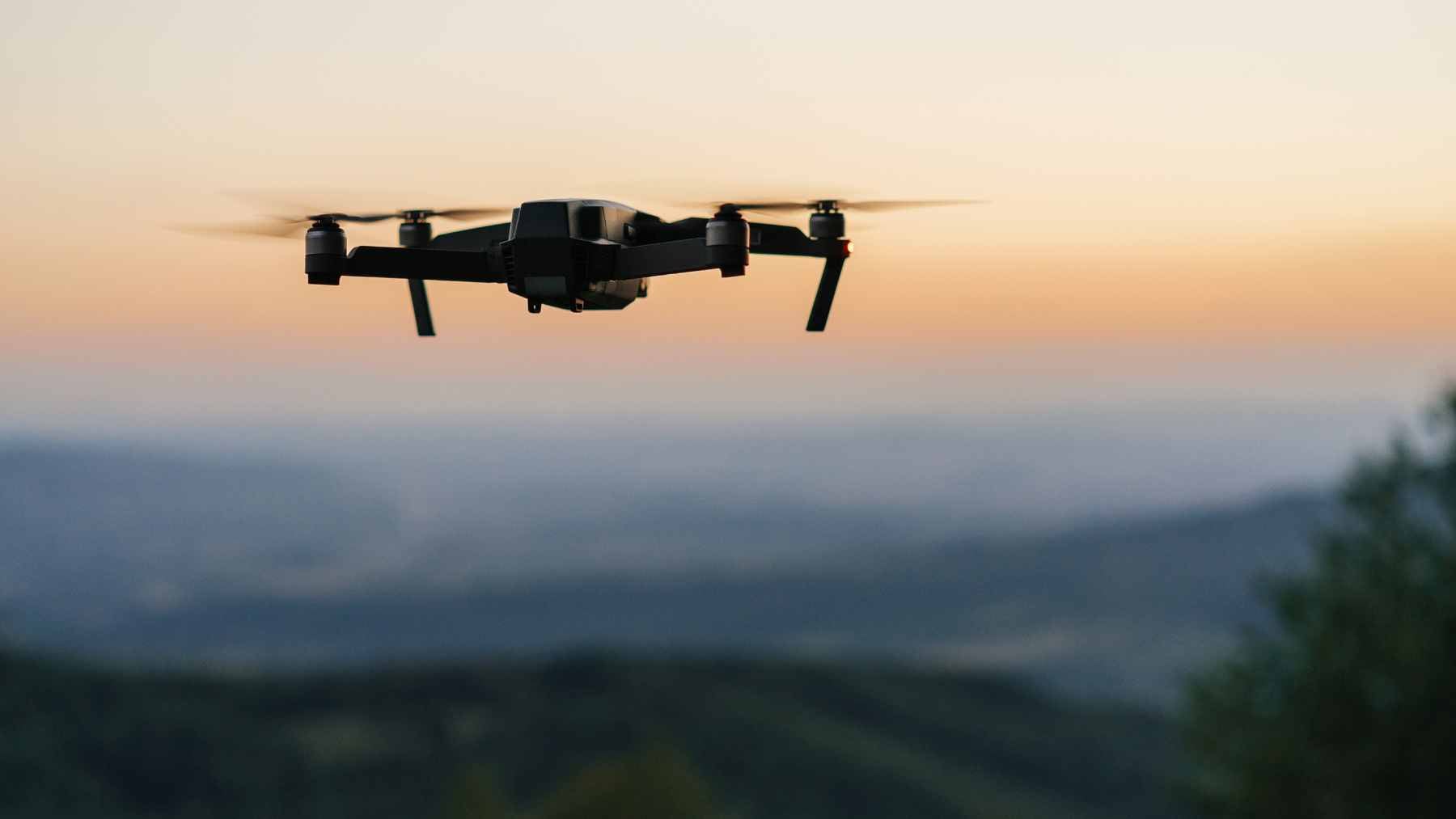
Small drones have become one of the most frustrating problems in modern warfare. They can scout, strike, harass, and force defenders to spend money fast. Do you really want to fire a missile worth far more than the drone it is chasing?
That is where lasers are attractive. They use electrical energy instead of bullets or missiles, which can make each shot much cheaper once the system is in place. The Royal Navy has said its DragonFire laser can fire for about $13 per burst, compared with more than $1.3 million for a Sea Viper missile.
The green promise is limited
At first glance, a laser sounds cleaner than conventional weapons. There are no shell casings flying, no interceptor motor burning through the sky, and no stockpile of one-time-use missiles disappearing with every shot. On the battlefield, that could mean less reliance on ammunition in some drone-defense situations.
This is not a “green weapon” in any simple sense, however. A laser still burns a target, and that drone can still fall as debris. The environmental burden also moves somewhere else, into power generation, batteries, cooling systems, rare-earth materials, manufacturing, maintenance, and the mining needed to keep those supply chains alive.
Power is the catch
Directed-energy weapons have real limits. The U.S. Government Accountability Office says these systems can be less expensive per shot and may have nearly unlimited firing power when energy is available, but fog, storms, cooling needs, and range can reduce their effectiveness.
Lt. Col. Jahara Matisek put it plainly when discussing laser weapons. They “offer speed-of-light precision and deep magazines but struggle in fog, rain, or smoke.” That means the battlefield does not always cooperate with the brochure.
The mineral problem
There is another hidden cost behind the beam. Directed-energy weapons depend on advanced components, power electronics, cooling hardware, and specialized materials.
The Emerging Technologies Institute has warned that current directed-energy supply chains, including critical raw materials, are not ready to support deployment at scale.
That matters for defense and for the environment. A U.S. defense official told lawmakers in 2026 that China controls 95% of global heavy rare-earth output, while the United States imports almost all of what it uses, with most of that coming from China.
More lasers could mean less ammunition in the air, but also more pressure on mining, refining, recycling, and industrial planning.
A wider race
China is not moving alone. In March 2026, Barksdale Air Force Base in Louisiana experienced several unauthorized drone incursions, and the Air Force said the incident remained under federal investigation.
For military planners, that kind of event is not theoretical, it is the sort of thing that turns counter-drone tools from a niche issue into a daily security concern.
The United Kingdom is also pushing hard. Its government has said DragonFire will be fitted to four Royal Navy warships, with the first ship due in 2027, as part of a layered air-defense system meant to reduce collateral damage and reliance on expensive ammunition.
What to watch next
For now, the Lijian figures should be read with some caution. They come from exhibition information and company claims reported by media outlets, not from a publicly available independent battlefield test. That does not make them meaningless, but it does mean readers should watch for proof under rain, smoke, dust, heat, and real operational stress.
At the end of the day, this is the new defense equation. Armies want cheaper ways to stop drones, but cheap shots still need expensive systems behind them.
The report was published on South China Morning Post.