Anyone who has sat in Nashville traffic has wondered whether there has to be a better way to get across town. That everyday frustration is now at the center of one of the most closely watched transportation experiments in the United States.
U.S. Transportation Secretary Sean Duffy toured The Boring Company’s Music City Loop project in Nashville and praised it as an innovative way to ease congestion without a direct construction bill for taxpayers.
But the underground Tesla tunnel is also raising hard questions about safety, transparency, geology, public oversight, and whether a “zero-emission” ride underground can really deliver meaningful environmental gains.
Nashville bets on tunnels
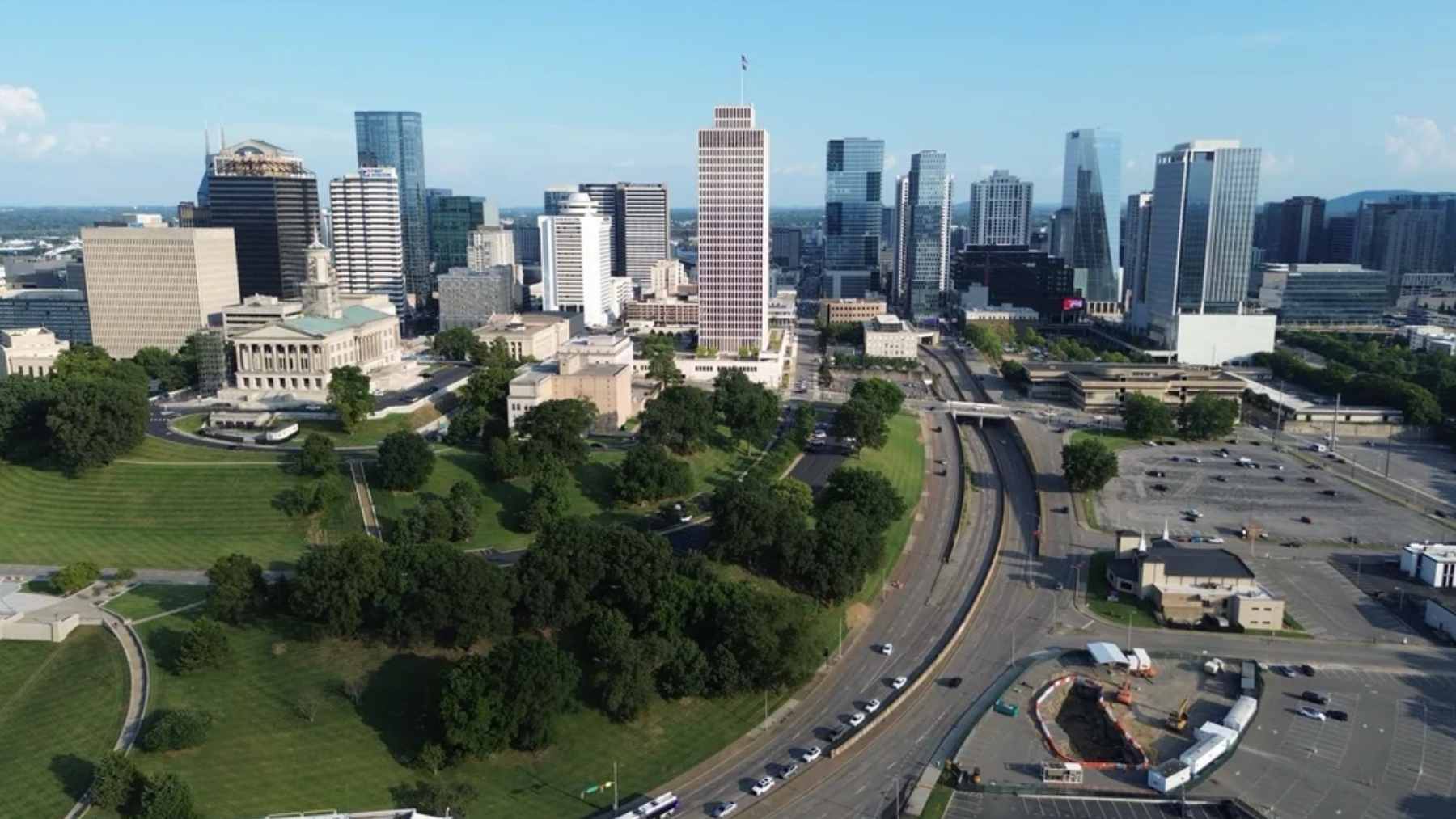
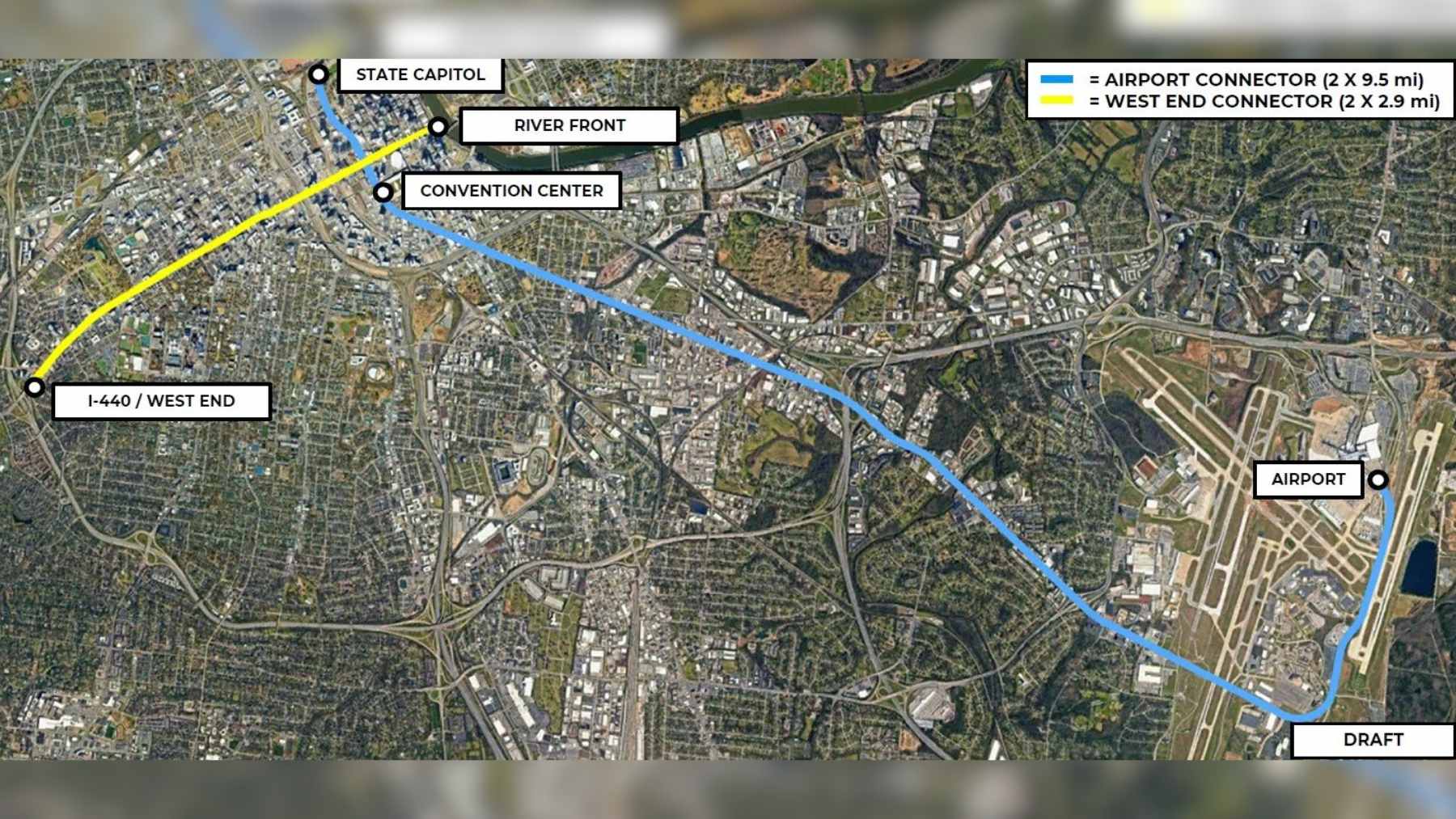
The Music City Loop is planned as an underground transit system connecting downtown Nashville, Music City Center, Lower Broadway, West End Avenue, and Nashville International Airport. The Boring Company says the system will span almost 13 miles and take about 10 minutes from the airport to Lower Broadway.
Passengers would pay to ride in dedicated Tesla vehicles, initially Model Ys and Model Xs, traveling through tunnels rather than on crowded surface streets. That means a tourist landing at the airport or a worker heading downtown could skip some of the traffic above.
The federal pitch is simple enough. If even some airport-bound vehicles disappear from the road, everyone else could get a little breathing room. “If there are people going to the airport and it’s not you, and they benefit from this project, that means one less car on the road,” Duffy told NewsChannel 5.
The green promise
The environmental case rests largely on two ideas: the vehicles will be electric, and moving trips underground could reduce idling and stop-and-go traffic on nearby roads.
That matters because transportation remains one of the biggest climate problems in the United States. The EPA says transportation accounted for 28% of total U.S. greenhouse gas emissions in 2022, with cars, trucks, aircraft, and rail all contributing to the total.
The Boring Company describes Music City Loop as a “zero-emission” system and says both the tunnel boring machines and the operational Tesla vehicles are all-electric. That does not mean the full climate story ends there.
EPA guidance notes that electric vehicles produce no tailpipe emissions, but power generation for charging can still create pollution depending on the local electricity mix.
One less car helps, but how much?
Duffy acknowledged that the tunnel is not the same as building a new six-lane interstate. That detail is important, because Nashville’s congestion is not caused by one route or one kind of traveler.
The real environmental impact will depend on scale. If the Loop mostly replaces taxi, ride-hailing, and private car trips between downtown and the airport, it could cut some tailpipe pollution at street level. But if it simply adds another premium travel option without shifting enough riders, the climate benefit could be smaller.
At the end of the day, what it is trying to do is move more people without adding more traffic lanes. That is a big idea. It is also one that needs ridership numbers, pricing details, and transparent reporting before residents can judge whether it is working.
Safety questions go underground
For many residents, the biggest question is not speed, it is what happens if something goes wrong inside a tunnel.
Duffy said The Boring Company assured him that passengers would have room to exit vehicles in the event of a breakdown. He also said the system includes ventilation designed to move smoke or dangerous gases out of the tunnel.
The company says Music City Loop will meet or exceed NFPA 130 fire and life safety standards and include smoke and gas detection, fire suppression, redundant ventilation, emergency communications, lighting, cameras, and trained Loop drivers. That sounds reassuring on paper.
Still, tunnels are places where public confidence is earned slowly, one inspection and one drill at a time.
The cost debate
Officials have repeatedly emphasized that the project is privately funded. The U.S. Department of Transportation described it as a $200 million project sponsored by The Boring Company and built at zero cost to taxpayers.
The Boring Company also says Music City Loop will use no taxpayer dollars for construction or operation, while passengers will pay fares that have not yet been announced. Stations, according to the company, will be funded by Music City Loop or other private parties.
Critics argue, however, that “no direct cost” is not the same as no public involvement. NewsChannel 5 reported that Tennessee created an underground transportation commission earlier this year that cost state taxpayers just under $1 million to operate. That is why the money question is not fully closed for many local residents.
Critics want more answers
Metro Councilmember Delishia Porterfield has criticized the way the project moved forward, calling it a “secret deal” made without enough public or local government input, according to NewsChannel 5. The concern is not just about Elon Musk or Tesla. It is about who gets to shape major infrastructure under a growing city.
The Nashville Metro Council has also put formal concerns on the record. The Associated Press reported that council members questioned safety, transparency, local input, potential flooding, porous limestone geology, and compliance with the Americans With Disabilities Act.
The Boring Company says Nashville’s limestone conditions are manageable and that it has collected geotechnical data along the corridor. It also says tunneling is underway and that twin, one-way tunnels are planned for traffic flow and safety. For the most part, the dispute now comes down to trust.
What Nashville should watch next
The Music City Loop could become a useful model for fast, privately funded urban transit. Or it could become a reminder that new technology still has to answer old questions about access, safety, oversight, and environmental proof.
For regular people, the test will be pretty simple: can it move enough riders at a fair price, operate safely, and reduce congestion without shifting hidden costs onto the public?
That is where the green promise meets real life. A cleaner ride to the airport is appealing, but Nashville will need clear data once the system opens, including ridership, incidents, emissions estimates, fares, and accessibility.
The official project information was published on The Boring Company.