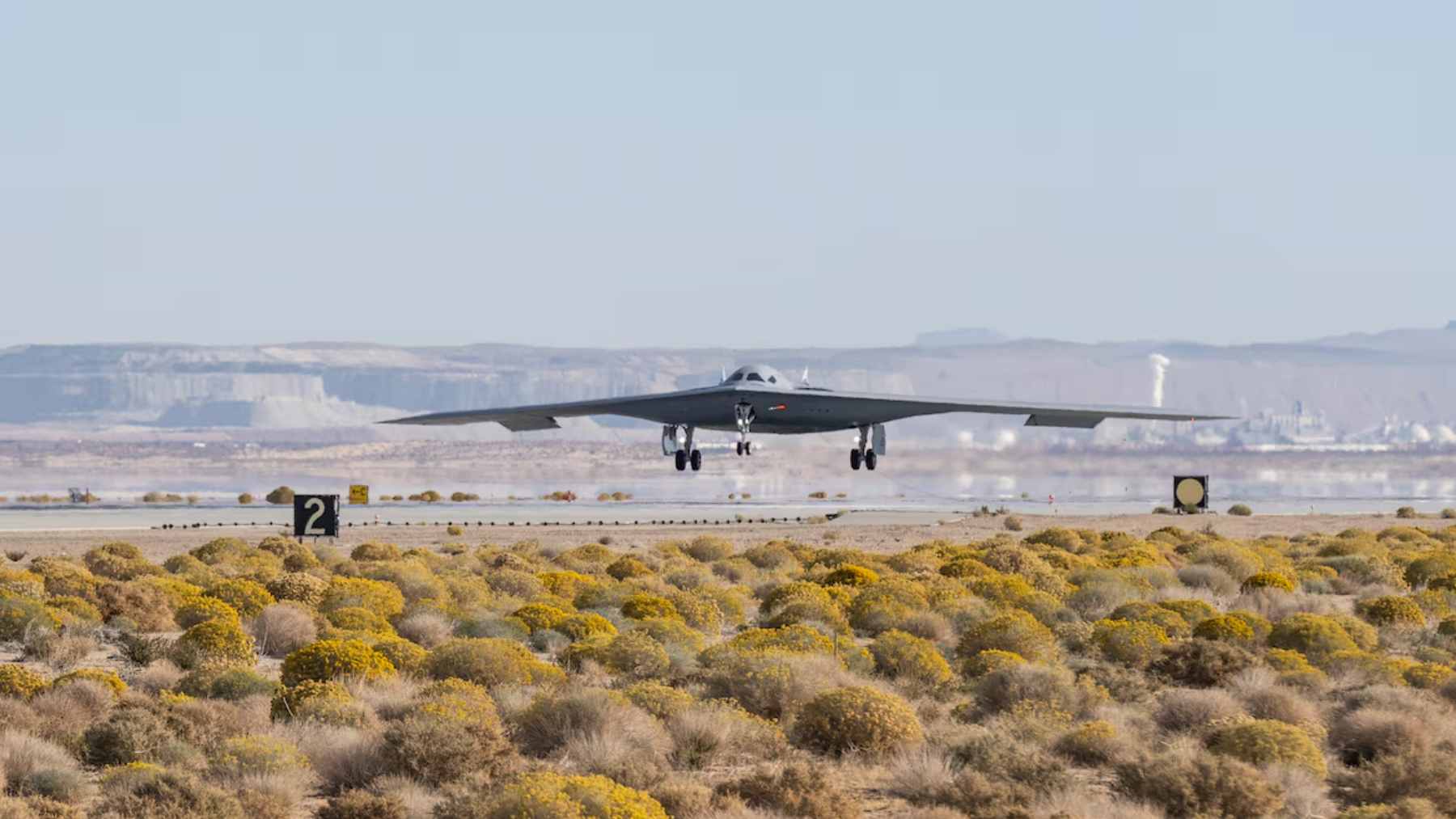
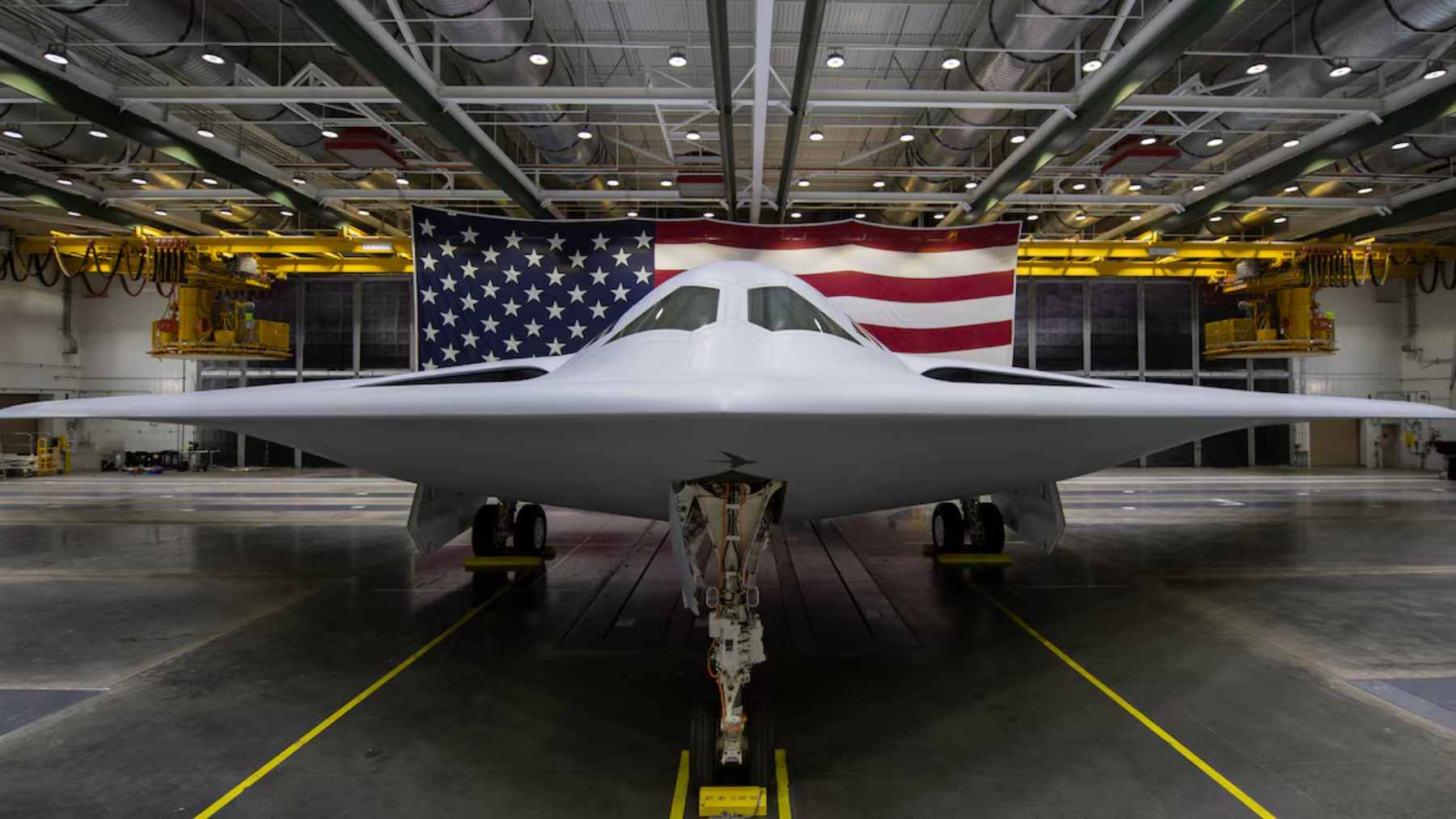
The B-21 Raider is still a bomber, but at Ellsworth Air Force Base it is also becoming a construction project, an environmental planning test, and a signal about where U.S. airpower is heading next.
The South Dakota base is being rebuilt to receive the aircraft, train its crews, and maintain a stealth system that the Air Force wants to be easier to operate than the B-2 Spirit.
The latest official figures show two big numbers that should not be confused. The Department of the Air Force has a $4.5 billion agreement with Northrop Grumman to expand B-21 production capacity by 25%, while Ellsworth itself is in the middle of an estimated $2 billion construction effort to become the first main operating base and Formal Training Unit for the Raider.
Ellsworth takes center stage
Ellsworth has long been associated with the B-1B Lancer, but the base is now being prepared for what Air Force officials call the first sixth-generation aircraft. That does not simply mean parking a new bomber on an old ramp.
In practical terms, the base is becoming the schoolhouse for the entire B-21 force. Future Raider pilots and maintainers will pass through Ellsworth’s training pipeline before the aircraft spreads to other bomber bases.
The Air Force named Ellsworth as the first B-21 main operating base in 2021 after completing the Environmental Impact Statement process required under the National Environmental Policy Act. Whiteman Air Force Base in Missouri and Dyess Air Force Base in Texas are also part of the broader B-21 basing plan.
Concrete before combat
Why pour so much concrete before the first operational Raiders arrive? Because with stealth aircraft, the base is part of the weapon system.
Ellsworth already completed a $129.5 million runway upgrade, a project that used 106,000 tons of concrete cement, 105 miles of joint sealing, and 83 miles of electrical conduit. The work was designed to support current B-1 operations while preparing the airfield for heavier, repeated use by the incoming B-21 fleet.
That kind of infrastructure rarely makes headlines like a new aircraft reveal, but it decides how often planes can launch, recover, refuel, and return to the fight. For crews on the ground, a modern runway is not glamorous, it is the difference between readiness and delay.
A stealth bomber needs cleaner maintenance
The first finished B-21 facilities at Ellsworth include a $161-million low-observable restoration facility and an $81-million wash rack and general maintenance hangar. Air Force Secretary Troy Meink said taking ownership of the facilities was “a step toward fielding advanced capabilities at scale.”
These buildings are designed for the delicate work of inspecting, cleaning, and maintaining radar-absorbent materials indoors. That matters because stealth is not just a shape on a blueprint. It has to survive weather, maintenance, washing, and daily wear.
This is where the Raider is meant to improve on the B-2 story. The older Spirit is powerful, but its maintenance demands have been a recurring concern. The Government Accountability Office reported that the B-2 met mission-capable rate goals in only four of ten years from fiscal years 2015 through 2024, while also facing shortages of trained maintenance personnel.
The environment is part of the mission
The environmental angle here is not a side note. A multiyear bomber beddown affects land use, air quality, water resources, noise, wildlife, hazardous materials, construction traffic, and nearby communities.
The Air Force’s Final Environmental Impact Statement for the first B-21 main operating base was made available in March 2021, before the final basing decision could be signed. That process gave local communities and federal reviewers a formal way to evaluate the consequences of putting the Raider mission at Ellsworth.
At the end of the day, even a high-tech aircraft lands in a real place. Roads get busier, housing demand rises, schools feel the change, and families near the base live with the sound and rhythm of military aviation.
The production bet
The $4.5 billion production agreement is meant to move the B-21 faster from factory promise to operational fleet. The Air Force says the agreement uses fiscal 2025 reconciliation funding and increases annual production capacity by 25%.
The service plans to buy a minimum of 100 Raiders, with an average procurement unit cost listed at $692 million in base year 2022 dollars. The B-21 is designed with open systems architecture, which should make future upgrades easier as sensors, weapons, and threats change.
That is the theory. The warning from history is simple enough: if the fleet stays too small or too hard to maintain, even the most advanced bomber can become a rare asset instead of a routine deterrent.
What happens next
The Air Force says the B-21 program remains on track for aircraft on the ramp at Ellsworth in 2027. That makes the current construction push more than a local building boom. It is the opening move in a decades-long shift from the B-1 and B-2 toward a future bomber force built around the Raider and the modernized B-52.
For South Dakota, that future arrives with contractors, hangars, secure equipment, and thousands of everyday adjustments around the base. For the Pentagon, it is a race to prove that the Raider can avoid the trap that has hurt older stealth aircraft, where maintenance and infrastructure can become just as decisive as speed or range.
So yes, the B-21 is a bomber, but before it becomes a familiar shape in the sky, it is remaking the ground beneath it.
The official statement was published on U.S. Air Force.