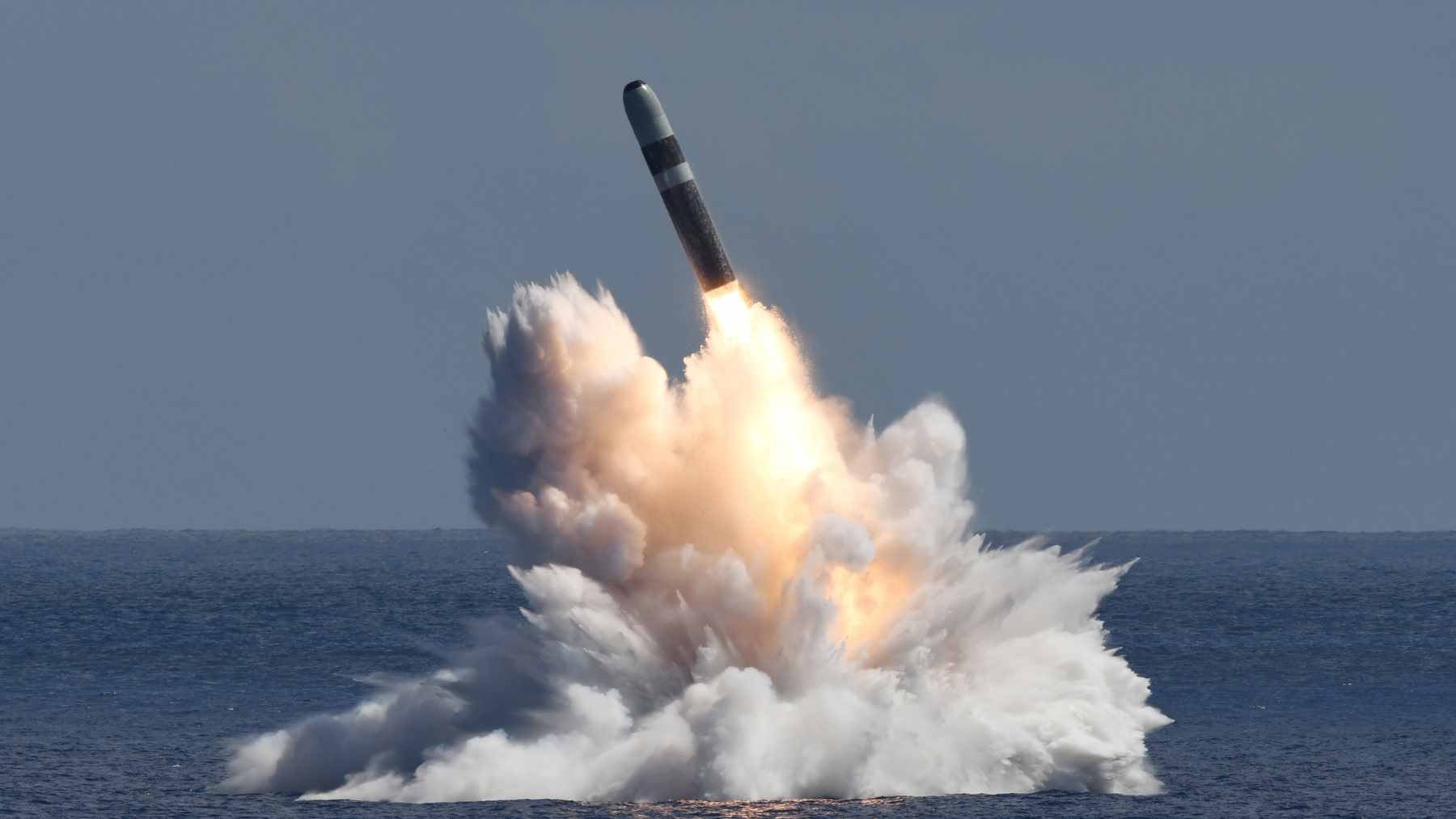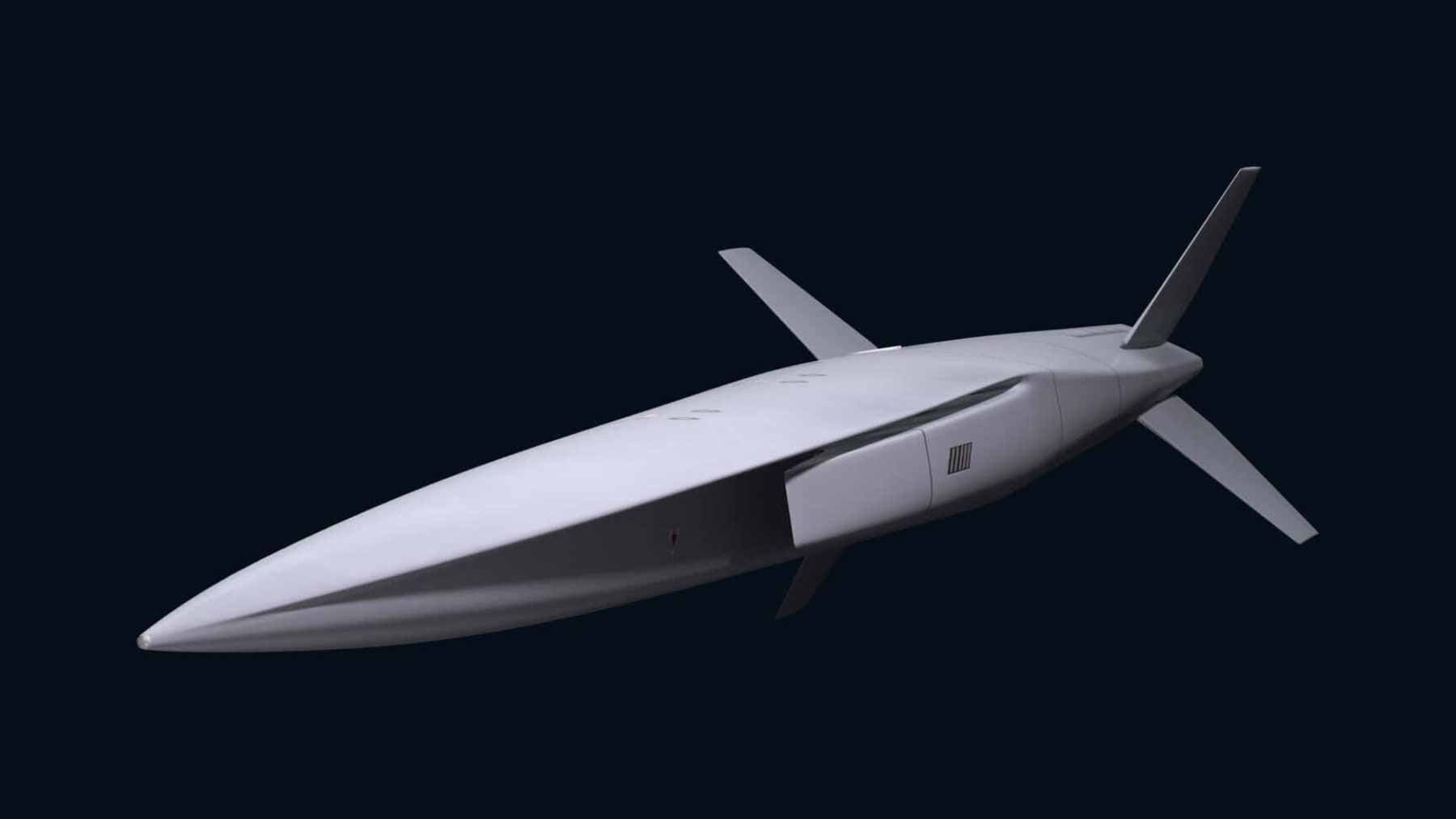
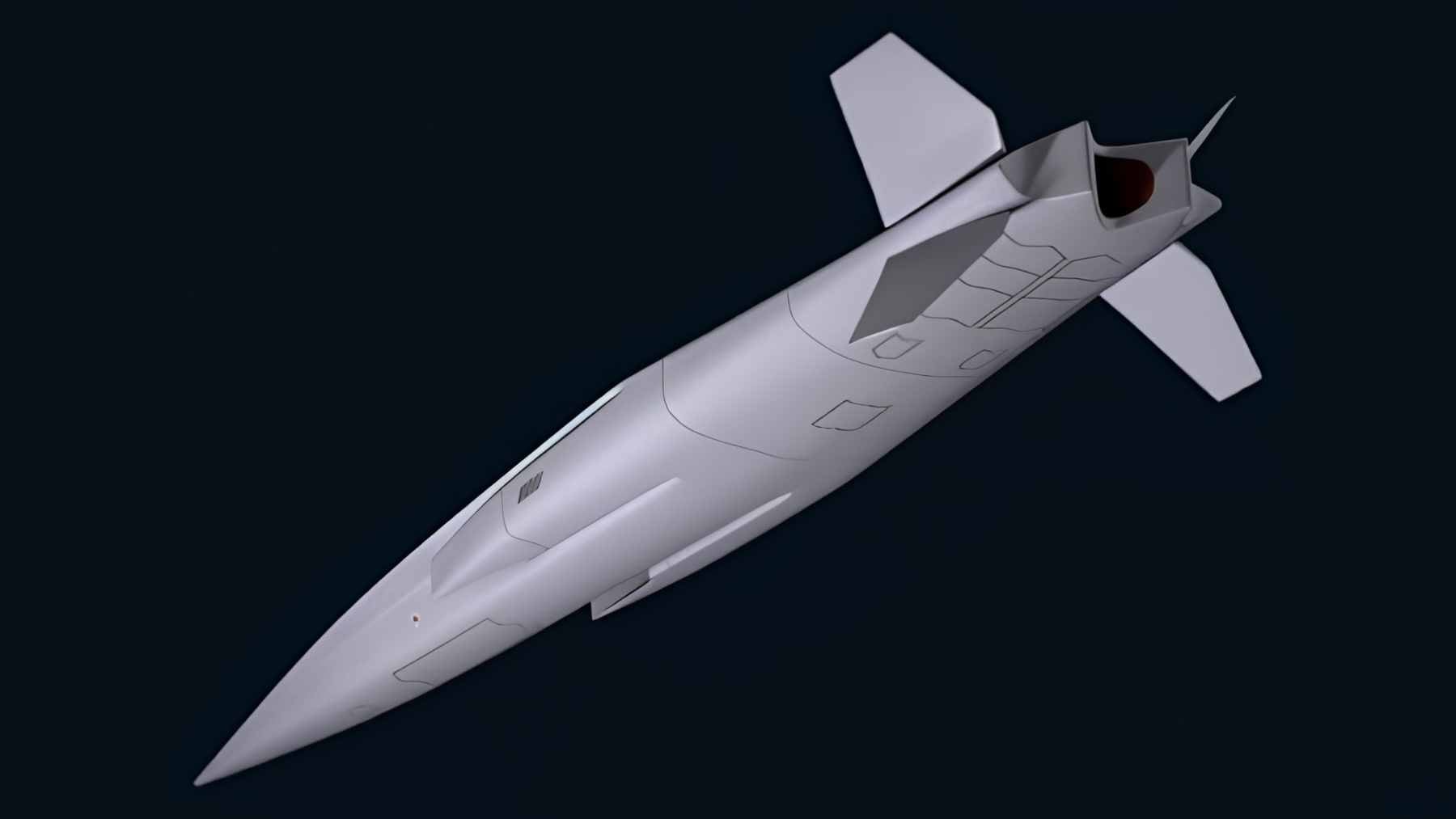
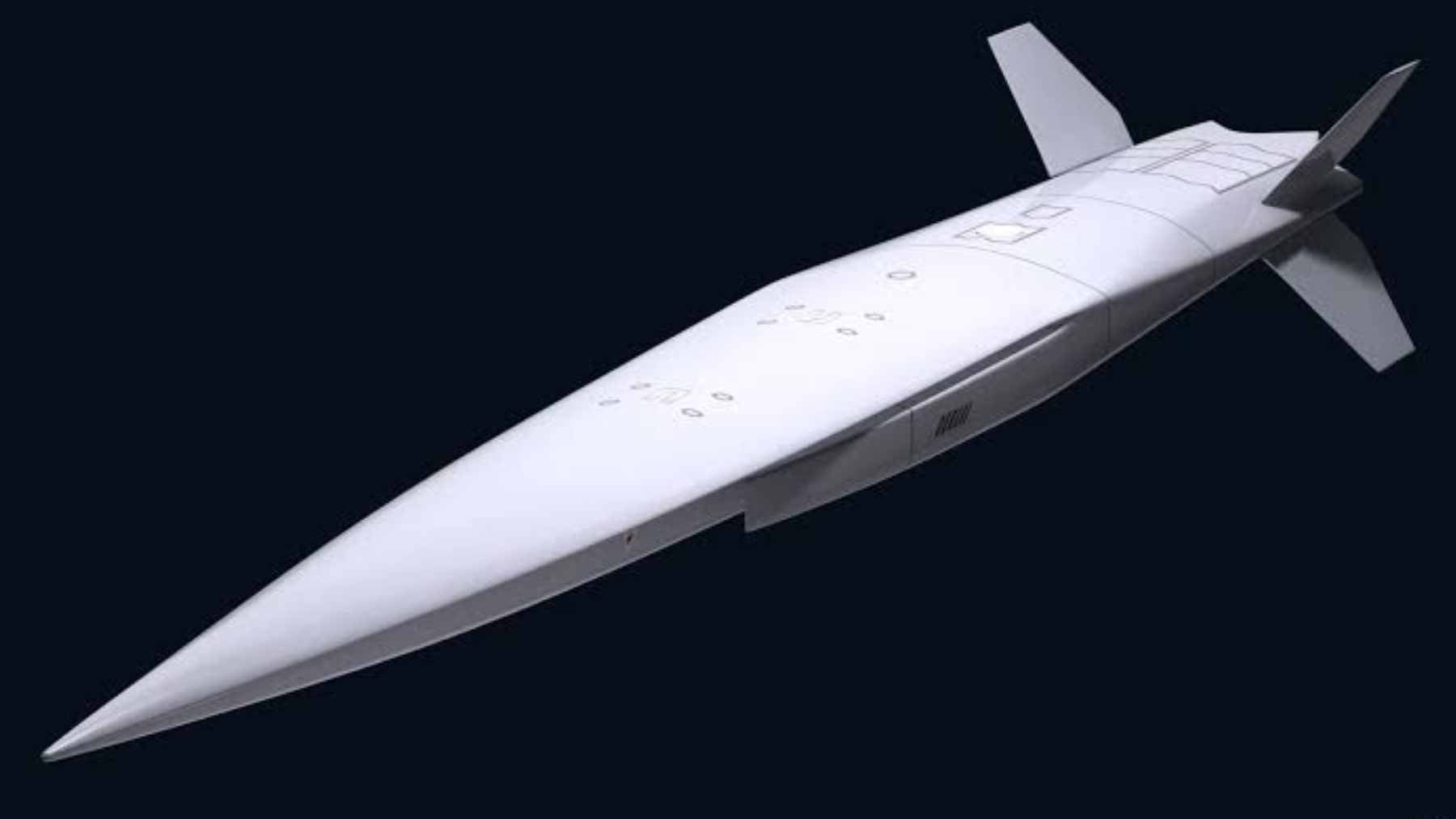
France has formally started development of the ASN4G, a fourth-generation nuclear air-to-surface missile expected to arm Rafale F5 fighter jets around 2035 and replace the ASMPA-R.
The Direction générale de l’armement (DGA) notified defense corporation MBDA of the framework agreement and development contract on June 2, 2026, according to the French defense procurement agency’s statement.
At first glance, this is a story about speed, jets, and nuclear deterrence. But it is also about the environmental pressure now sitting inside every major defense decision, from energy-hungry bases to industrial supply chains that governments rarely explain in plain language. The question is simple enough: can Europe rearm without making its climate math even harder?
Speed over stealth
France’s choice tells us where high-end deterrence is going. Rather than building the new missile mainly around stealth, Paris is prioritizing hypersonic speed, because a missile that moves very fast and maneuverably is harder for air defenses to detect, track, and intercept.
DGA has not released the missile’s full performance figures, and that silence matters. Nuclear systems are built behind heavy layers of secrecy, so the public can see the political signal before it sees the technical details. What DGA did say is that the ASN4G’s “hypervelocity” is intended to keep France’s airborne deterrent credible against evolving threats.
A missile for Rafale F5
The ASN4G is planned for the Rafale F5, the next major version of France’s combat aircraft. It is expected to serve both the Strategic Air Forces and the naval nuclear air force, meaning the missile is not just an Air Force program. It also fits into France’s carrier-based nuclear posture.
That last detail matters. A missile is only one part of the system. Pilots, aircraft, tankers, command networks, runways, hardened storage, and maintenance crews all have to work together, on ordinary weekdays as well as in a crisis.
Luxeuil becomes a symbol
France is also pouring money into Luxeuil-Saint-Sauveur Air Base in eastern France, which President Emmanuel Macron said would become one of the country’s advanced nuclear deterrence sites. The planned investment is about $1.71 billion, according to recent exchange rates.
The base is expected to host Rafale F5 aircraft carrying next-generation ASN4G missiles from 2035 onward, according to French officials cited by Reuters. In practical terms, the missile program is already shaping jobs, construction, power demand, security zones, and local infrastructure long before any operational deployment.
The climate cost is harder to see
There is an environmental catch. The DGA statement highlighted deterrence, sovereignty, and high-end industrial know-how, not emissions, land use, or resource demand. That does not mean those impacts are absent; it means they are harder for the public to measure.
The European Commission’s climate infrastructure agency says the global defense sector consumes a significant amount of energy and is estimated to be responsible for up to 5.5% of the world’s total carbon dioxide emissions. That figure is not specific to France, and it should not be pasted onto the ASN4G program.
Still, it shows why every new military buildup now carries a climate question in its shadow.
NATO is trying to count it
NATO has already recognized that defense cannot ignore climate anymore. Its Climate Change and Security Action Plan says the alliance will develop methods to map greenhouse gas emissions from military activities and installations, while also adapting procurement and bases to a changing climate.
That sounds bureaucratic, but the everyday version is easier to grasp. A fighter base is a small city with fuel, electricity, water, waste, roads, buildings, emergency systems, and security rules. If Europe is rebuilding that city for nuclear deterrence, people will reasonably ask how clean and resilient it can be.
France has its own homework
France is not starting from zero. A recent parliamentary report noted that the French Ministry of the Armed Forces has been developing climate and defense planning, including work to adapt infrastructure to floods, heat, storms, sea-level rise, and water stress.
The same report also warned that biodiversity knowledge on military lands remains incomplete and fragmented. That is the kind of quiet environmental detail that usually gets less attention than a hypersonic missile, but it can matter close to home. A base is not just concrete and fences. It can include grasslands, wetlands, forests, and protected species.
The business angle
For MBDA, the ASN4G is a major industrial win. CEO Eric Béranger described the future capability as an “ultimate and decisive weapon system” for France’s sovereignty and protection, a phrase that makes clear how closely defense business and national strategy are now tied together.
Defense companies are also entering a tougher public conversation. Governments want more missiles, faster production, and stronger deterrence. At the same time, taxpayers are asking for cleaner supply chains, lower energy use, and more transparency where secrecy allows. Those goals do not always move at the same speed.
What readers should watch
The key question is not whether France will keep modernizing its nuclear force. It will, for the most part, because Paris sees deterrence as central to sovereignty and European security. The more realistic question is whether environmental reporting and climate adaptation will follow the same timeline as the missile itself.
By 2035, France wants a new aircraft standard, a new missile, and a stronger eastern nuclear air base. By then, Europe will also be deeper into climate adaptation, energy security, and the push to track military emissions more honestly. One clock is strategic, the other is environmental. Both are ticking.
The official statement was published on the French Ministry of the Armed Forces website.