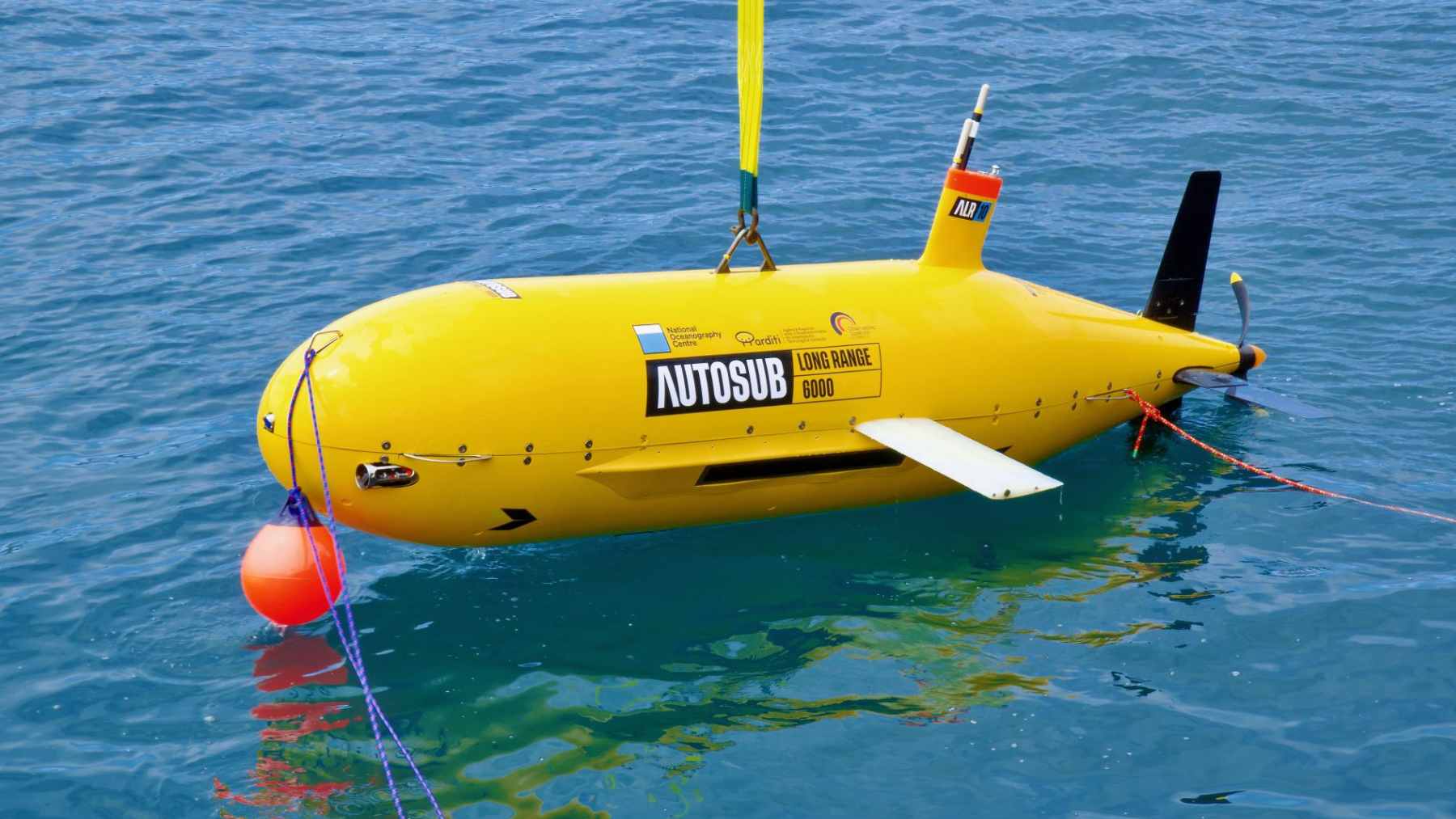
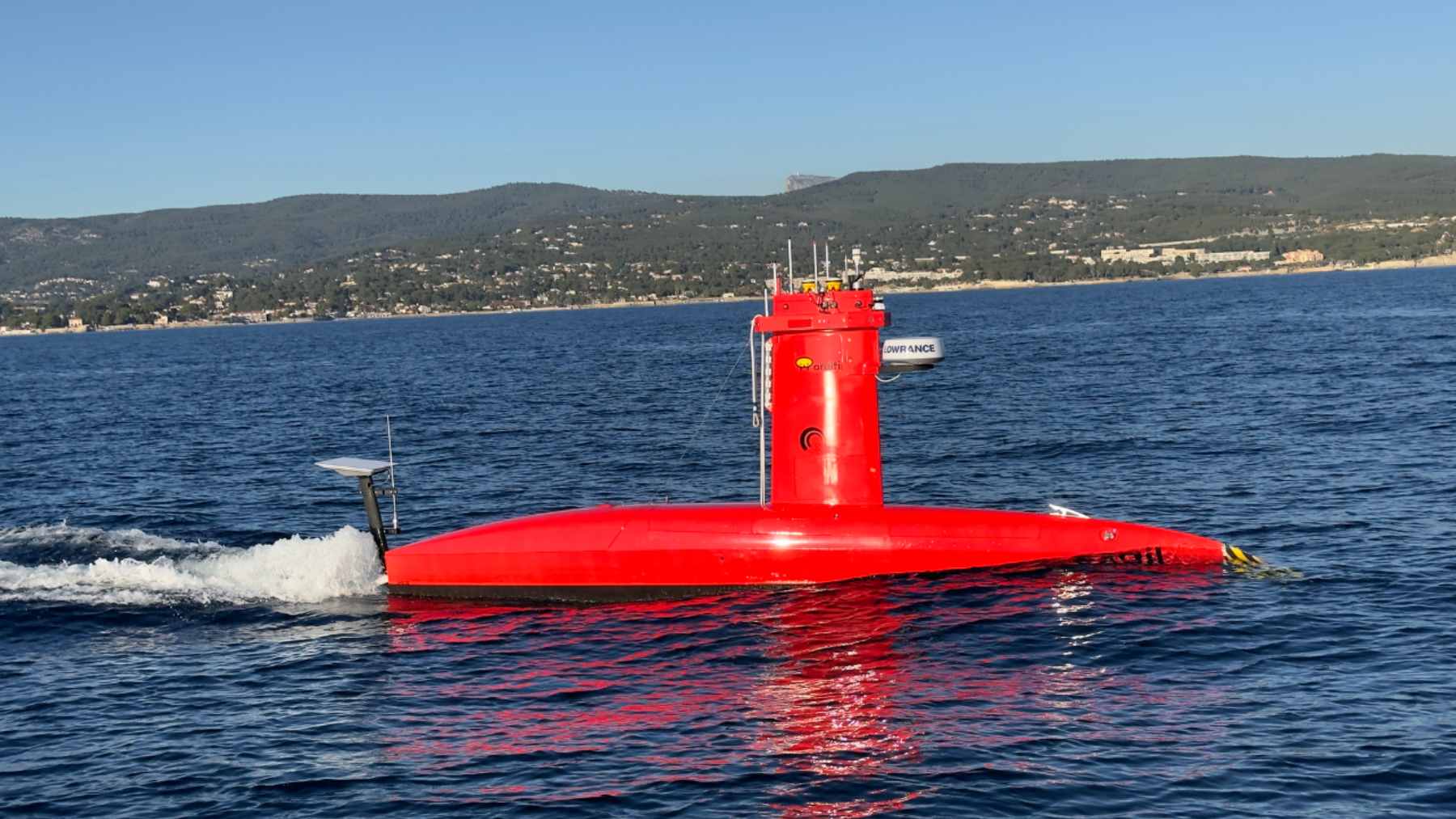
Madeira, Portuguese islands off the coast of Morocco, has unveiled two autonomous underwater vehicles that could change how the island studies the ocean around it.
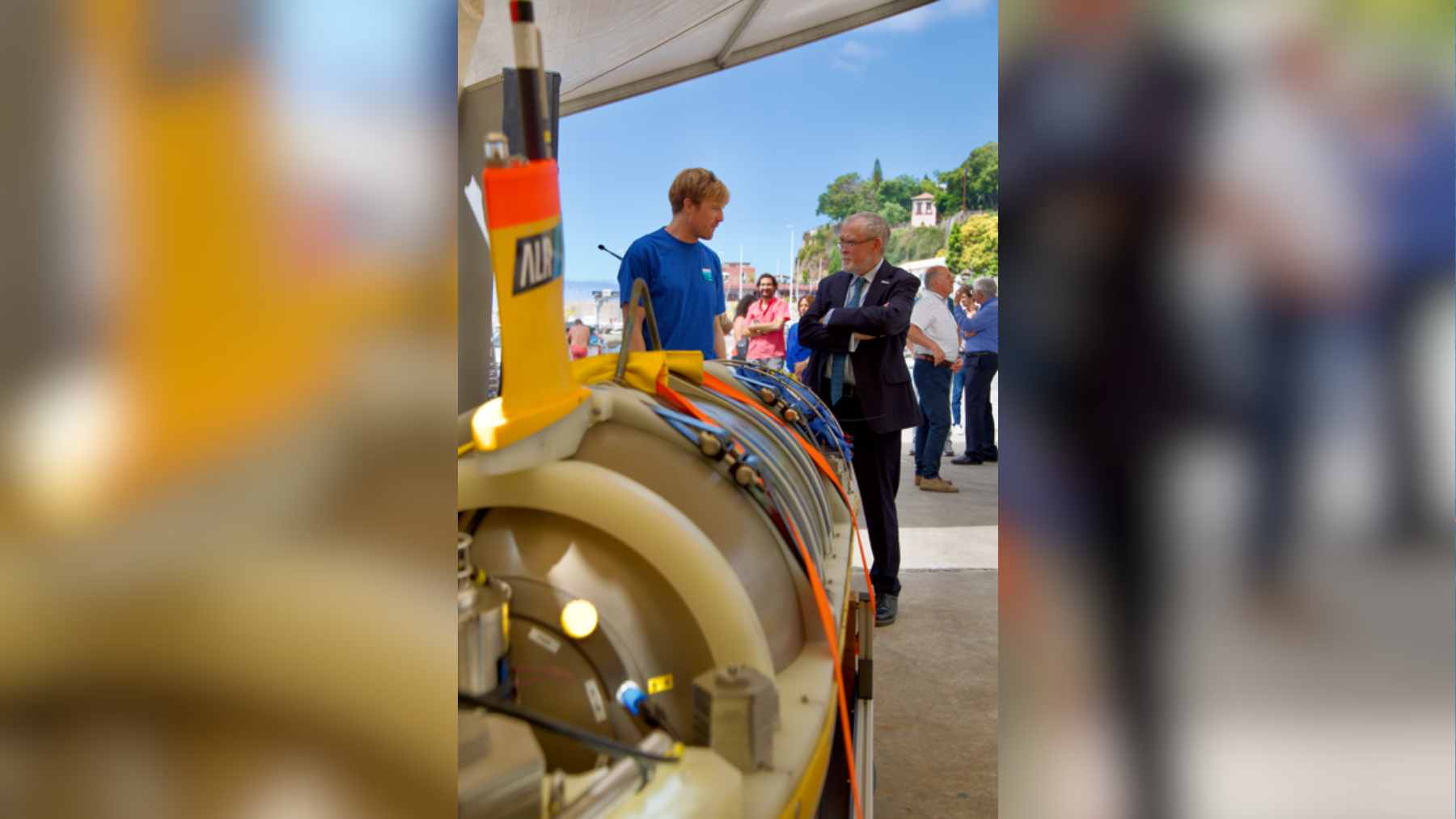
The robotic submarines, acquired through ARDITI for the Oceanic Observatory of Madeira (OOM), were presented on June 25 at the observatory’s operational center in Funchal after an investment reported locally at about $6.8 million according to recent exchange rates.
They are not built to carry people. Their job is quieter and, in many ways, more important, collecting data on biodiversity, ocean chemistry, seabed shape, and ocean conditions in waters that drop away fast around the Atlantic island.
What happens down there can shape fisheries, climate research, environmental rules, and even the way governments think about maritime security.
A new bet on ocean data
The purchase was financed by Portugal’s Recovery and Resilience Plan, giving Madeira a technology platform that can work far beyond normal coastal monitoring.
Local reports said the new system will need about $1.7 million to $2.3 million a year to operate, with the regional government aiming to fund around 100 operating days and leave the rest for European projects and services.
That detail matters. Buying a robot is the headline, but keeping it at sea is the real test. Much like a fire department cannot buy one truck and call the job finished, an ocean observatory needs maintenance, trained crews, weather windows, and a plan for what to do with the data.
Two robots, two jobs
The vehicles come from the United Kingdom’s National Oceanography Centre and belong to its Autosub Long Range family. One is rated for 4,900 ft. and is aimed at water-column science, including oceanographic and biogeochemical research, while the other can descend to 19,700 ft. for deep-sea mapping.
That split is practical. The shallower vehicle can spend longer following water conditions and ecosystem signals, while the deep-rated one can inspect the seabed where humans rarely get a direct look.
Madeira Weekly, citing ARDITI’s statement, reported that the first vehicle has more than 20 days of endurance, while the deeper vehicle has more than 24 hours of autonomy for high-resolution seabed work.
Why Madeira is the right place
Madeira sits in a rare spot for deep-sea research. The island is 621 miles southwest of Lisbon, and nearby waters fall to around 3,300 ft. within about 6 miles of the coast, then beyond 9,800 ft. within 9 miles.
In other words, the deep ocean is almost on the doorstep. A research team does not have to sail for days just to reach challenging depths, which can make trials cheaper, faster, and more attractive to international partners. For a small island economy, that is not just science, it is a possible niche in the blue economy.
What the machines can see
Autonomous underwater vehicles are not magic. They are sensor platforms, and their value depends on where they go, how often they return, and whether their data is good enough for scientists and public officials to trust.
Still, the environmental promise is clear. Research agency ARDITI’s broader ARIES project describes an integrated system using autonomous air, surface, and underwater vehicles, supported by artificial intelligence, to gather ocean data in real time and help with maritime safety, pollution response, biodiversity protection, and marine resource management.
This is where the story becomes very everyday. Cleaner beaches, fish stocks, storm warnings, and pollution alerts all depend on information that most people never see being collected. The ocean feels vast and distant until a bad algal bloom, a fuel spill, or a collapsing fishery reaches the dinner table.
A business case under the waves
The investment also highlights a shift in how ocean science is paid for. Regional funding may cover a base of operations, but the rest is expected to come from European research projects and services, according to local reporting.
That model is not risk-free. Alex Rogers of National Oceanography Center (NOC) warned at the presentation that “sometimes things go wrong” at sea, and teams need the capacity to find and recover a vehicle. He also reminded the room that “every second breath” is linked to microscopic ocean algae.
At the end of the day, the robots will have to prove they are more than impressive hardware. If they can deliver reliable maps, long-running water data, and usable environmental evidence, the investment becomes easier to defend. If not, it becomes a very expensive lesson in how hard the ocean can be.
There is a security angle, too
It would be easy to see these AUVs only as environmental tools, but autonomous marine technology now sits in a more strategic world. The UK government said the NOC and ARDITI agreement includes safeguards that restrict onward collaboration with states considered security risks, a reminder that deep-sea sensors and long-range robots are sensitive technologies.
That does not make Madeira’s project a military program. It does show how closely science, industry, and defense-adjacent technology now overlap at sea. The same robot that maps habitat can also prove that a region has the technical skill to operate in difficult underwater spaces.
What comes next
For now, the immediate task is testing, training, and building a rhythm of missions that produces useful science instead of one-off demonstrations. Madeira Weekly reported that the equipment arrived in the region on June 16 and entered final testing and operational validation, with OOM researchers and technicians preparing to integrate the systems and learn autonomous operation.
The bigger question is whether Madeira can turn a dramatic technology reveal into a steady public service. Can these robotic submarines help the island understand the Atlantic before the next environmental shock arrives? That is the goal.
The official statement on the UK-Portugal robotics partnership was published on GOV.UK.