John Barry is honored in Wexford and remembered in parts of U.S. naval history, but for many Americans his name still sits in the shadow of Washington, Jefferson, and the better-known founders.
A new TG4 documentary is trying to change that by putting the poor cabin boy from County Wexford at the heart of a much larger story about Ireland’s role in American independence.
The Irish-language series “Réabhlóid Mheiriceá, Na Laochra Gael” begins on TG4 on Wednesday, July 1, at 9.30 p.m., with the full series available on the TG4 Player from the same date. It arrives just as July 2026 marks 250 years since the Declaration of Independence, a milestone that invites a simple question; who really helped build the United States before it even had that name?
A cabin boy who crossed an ocean
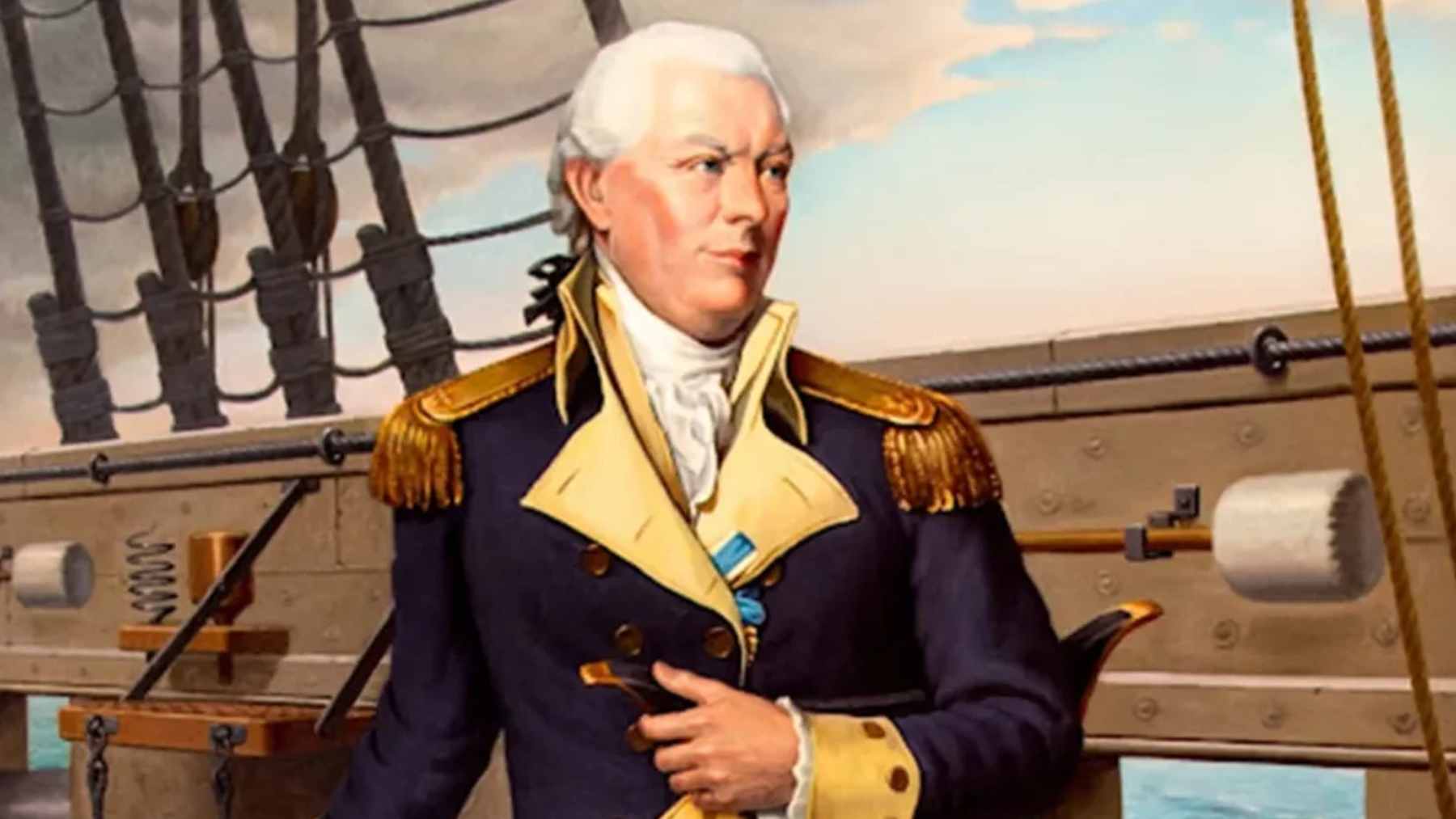
Barry’s life began far from the polished language of memorials. The National Park Service says he was born in County Wexford in 1745, went to sea as a teenager after his family was forced from their land, and quickly developed a reputation for navigation and leadership before settling in Philadelphia.
That journey gives the documentary an almost cinematic entry point. According to the background material for the series, Barry was sent to sea as a child under his uncle Nicholas, then left for America as a teenager and became captain of his own sailing ship within a few years.
When the Revolutionary War began, Barry offered his skills to the Continental cause. The National Park Service notes that he received a captain’s commission in 1776, commanded several vessels, captured or destroyed British ships, and fought through serious wounds during the war.
Why the title still matters
Barry is widely recognized as the “Father of the American Navy,” although the National Park Service adds a useful bit of nuance, saying that title is sometimes shared with John Paul Jones. That small detail matters because the new TG4 series is not just handing out patriotic labels, it is asking why some names stick, while others fade.
One of Barry’s defining moments came early in the war, when he captured HMS Edward, a tender for the British fleet. The supplied documentary material describes it as the first naval victory for the United States, a symbolic win for a young rebellion facing the world’s dominant sea power.
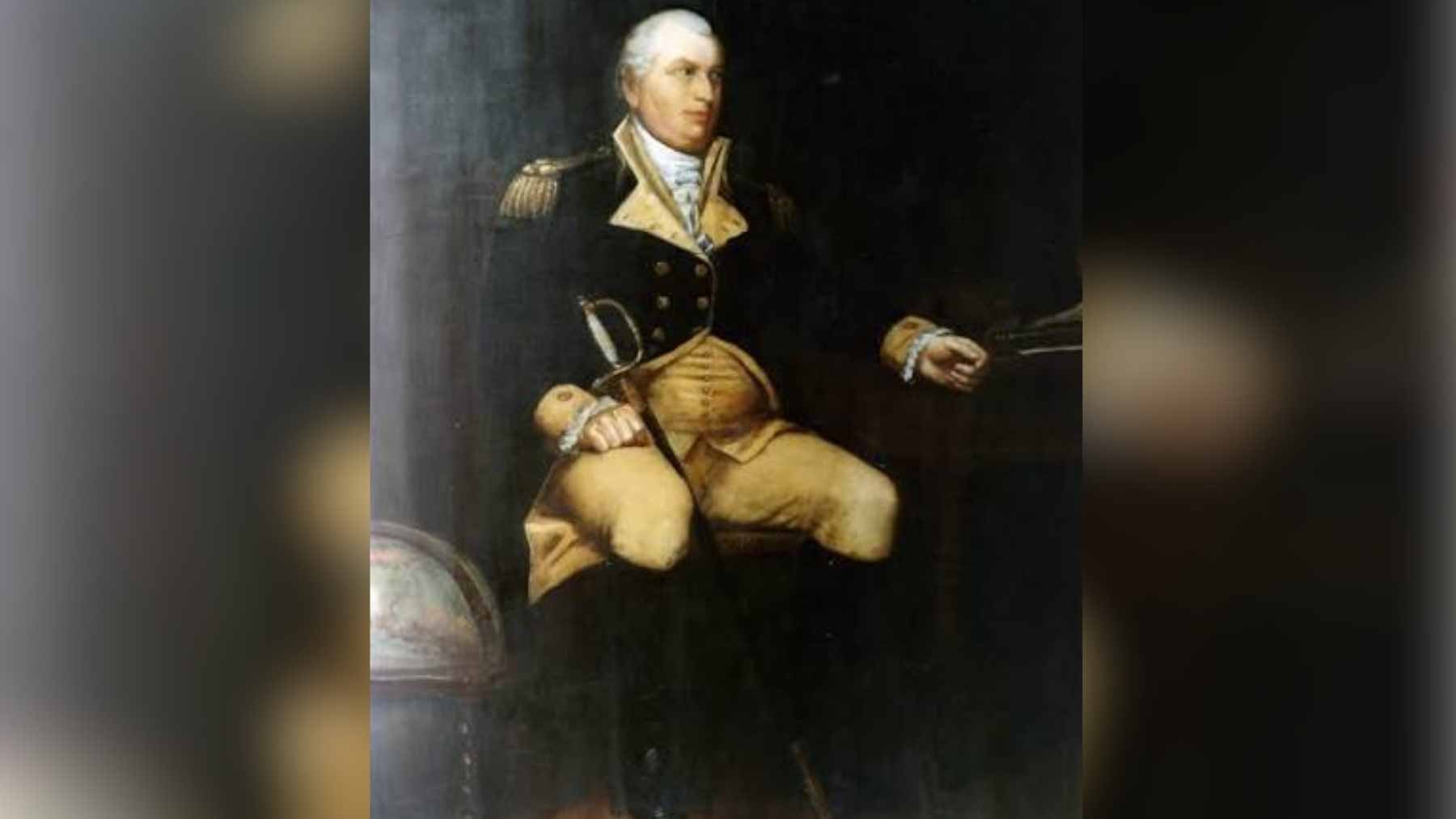
After the Revolution, Barry’s role only grew. President George Washington selected him in 1794 as the first commissioned officer of the new U.S. Navy, placing him at the center of training officers, writing regulations, and preparing the fleet for real operations.
Irish names in a U.S. origin story
The documentary does not stop with Barry. It also looks at Stephen Moylan of Cork, Lydia Darragh of Dublin, Henry Knox, and John Dunlap of Strabane, who printed the Declaration of Independence. IrishCentral notes that the series frames these figures as part of the ordinary Irish contribution to the Revolutionary War, not just as background characters.
Moylan’s story is especially striking. The Journal reports that in a January 1776 letter, he was the first person to use the country’s future name, the “United States of America.” Imagine that for a second–a phrase now printed on passports, government buildings, and school textbooks had an Irish hand near its earliest use.
Then there is Darragh, the Dublin Quaker housewife remembered for warning the Patriots about a British plan, and Dunlap, whose press helped carry the Declaration into history. These are not side notes for Irish viewers only, they are part of the machinery of revolution.
History with a military lens
Military history often gets told from the top down. Generals, maps, treaties, and final victories usually take the spotlight, while sailors, printers, messengers, and families are pushed to the edge of the frame.
That is where TG4’s angle feels useful. The series features battle sequences, drama re-enactments, archaeology, and footage filmed in Ireland and the United States, according to IrishCentral. Essentially, viewers are not just being told that Irish people mattered. They are being shown where and how their choices touched the war.
The Journal also reports that the documentary airs over two weeks, with part one on July 1 and part two on July 8. That gives the story room to move beyond Barry’s deck and into the wider Irish web of the Revolution.
A timely question for America
Why does this matter now? Because anniversaries can become ceremonies, and ceremonies can become a little too tidy. The 250th anniversary of American independence is not only a celebration of famous founders. It is also a chance to look again at the migrants, workers, soldiers, sailors, and women whose names rarely make the first paragraph.
Cormac Ó hEadhra, who presents the documentary, has said that the famous part of the story is well known, but many ordinary Irish men and women who shaped the outcome are “all but forgotten.” That is the heartbeat of the series–not a replacement history, but a fuller one.
Historian Molly Hester, who appears in the program, connects the anniversary to questions about “freedom, human rights and the moral values” behind the American founding. That gives the documentary a sharper edge, because it is not only looking backward. It is asking what those ideals still mean today.
What viewers should keep in mind
Barry’s story works because it is both grand and grounded. A child from Wexford becomes a sea captain, refuses to abandon the American cause, fights the British Navy, and later helps shape the permanent U.S. Navy. It sounds almost too neat, but the record shows why the title followed him.
The broader point is just as important. The American Revolution was not built by one class, one region, or one kind of hero. It was a messy, dangerous, human struggle, and TG4’s new series appears to be leaning into that texture rather than sanding it down.
At the end of the day, the documentary’s strongest message may be simple: nations remember themselves through stories, and sometimes the missing names matter as much as the famous ones.
The official statement was published on TG4.