Android 17 is finally moving from rumor into reality. For supported Pixel users, the update is now an official over-the-air release, while many other Android brands are opening the door through beta or developer channels rather than the calmer version most people want on their everyday phone.
That distinction matters. A software update can feel like a small thing, just another notification waiting in Settings, but it also decides whether an older phone still feels safe, useful and worth keeping.
In a world that generated about 137 billion pounds of e-waste in 2022, with only 22.3 percent formally collected and recycled, keeping devices alive a little longer is not just a tech story.
What changes in Android 17
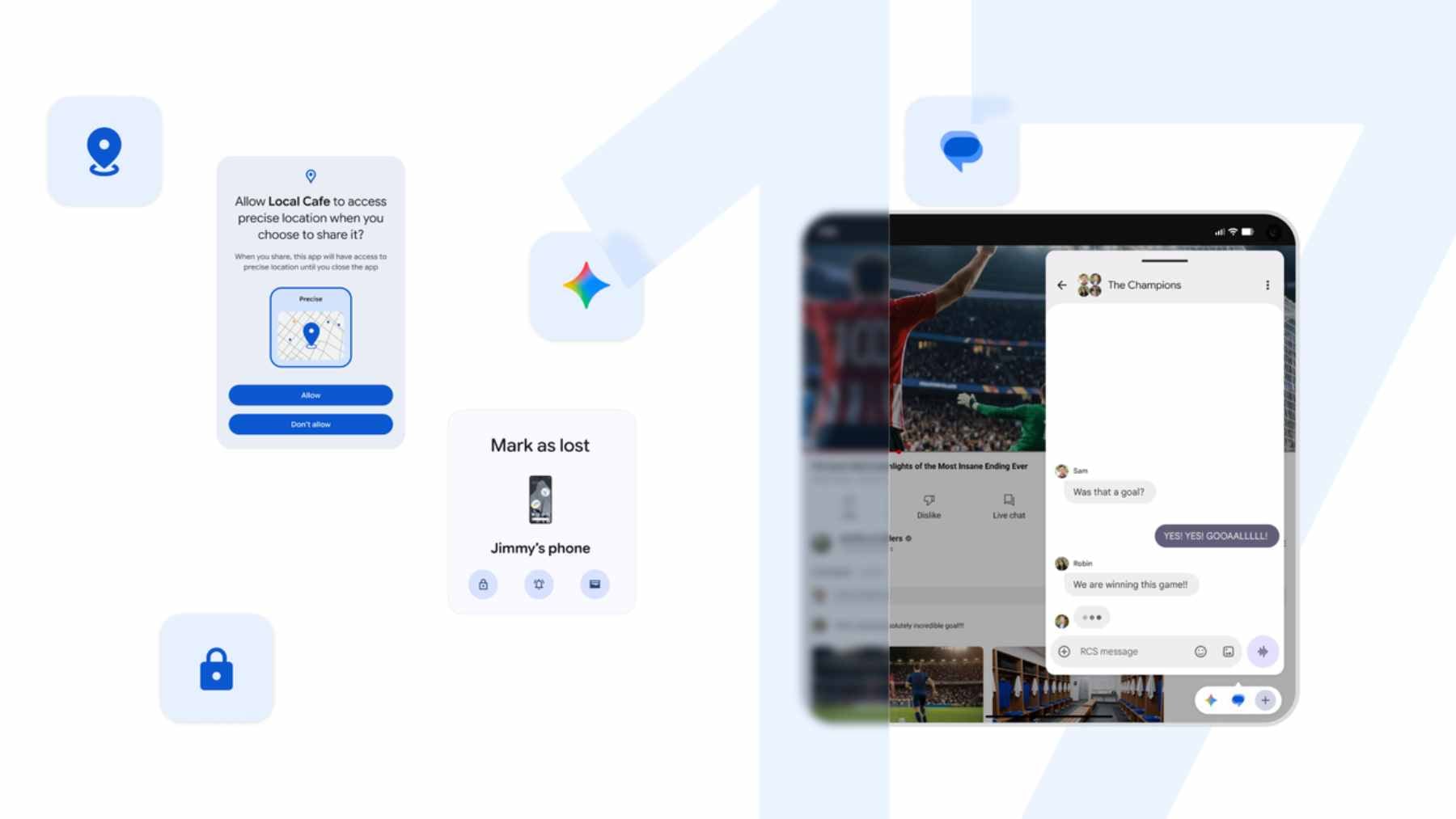
Google is putting multitasking front and center with “Bubbles,” a feature that turns apps into compact floating windows. Long-press an app icon, open it as a bubble, and the app can stay on top of whatever else you are doing. On tablets and foldables, those bubbles can sit in a dedicated bar so switching between notes, maps, videos or messages feels less like juggling.
There is also a clear nod to creators. “Screen Reactions” lets users record the phone screen and selfie camera at the same time, which means reaction videos, tutorials and quick explanations no longer need a second app or a messy edit afterward. For someone recording a how-to clip for a parent or a TikTok-style reaction, that is a small but useful shortcut.
Security gets a bigger role too. Android 17 tightens controls for temporary precise location access, contact sharing, Live Threat Detection and Advanced Protection.
Google also says Find Hub’s enhanced “Mark as lost” option can lock a missing phone with biometrics, even if someone else knows the passcode. That is the kind of change you hope you’ll never need to use but can rest easy knowing it’s available.
The phones getting it now
Google’s official list is the safest place to start. Android 17 over-the-air updates and downloads are available for supported Pixel devices including the Pixel 6 family, Pixel 7 family, Pixel 8 family, Pixel 9 family, Pixel 10 family, Pixel Fold and Pixel Tablet. That alone puts the update across more than 20 Pixel models and form factors.
The wider Android world is moving too, but with caveats. Google says Android 17 Beta is available through partners including Honor, iQOO, Lenovo, OnePlus, OPPO, Realme, Sharp, vivo and Xiaomi. In practical terms, that means some users can try Android 17 before the finished brand-customized update arrives, but they should treat it as test software.
Samsung is taking the same cautious route. Its official U.S. announcement says One UI 9 beta, built on Android 17, is launching first for Galaxy S26 series users in select markets, with sign-up through the Samsung Members app.
OnePlus lists Android 17 Beta 3 for the OnePlus 15, OPPO has Android 17 beta material for the Find X9 Pro, and Xiaomi’s community page lists the Xiaomi 17, Xiaomi 17 Ultra, Leica Leitzphone powered by Xiaomi and Xiaomi 15T Pro for its developer preview program.
How to update safely
For Pixel owners, the path is simple. Open Settings, tap System, then Software updates, and follow the on-screen steps if Android 17 is available. Google also warns that updates can be large, so it recommends Wi-Fi and at least 75 percent battery before starting.
Do not panic if the button is not there yet. Google says Pixel software updates are released in phases and that new features gradually reach all regions. That means two people with the same model may not see the update at the exact same time, especially across different carriers.
For Samsung, the beta route is different. Eligible Galaxy S26 series users in select markets can apply through Samsung Members, but beta software is not the best choice for everyone. If your phone is your work device, your payment card, your camera and your alarm clock, a stable build is usually the safer bet.
Tackling e-waste with compatibility
A new Android version will not replace a cracked screen or revive a battery that barely lasts until lunch. Still, software support is one of the quiet reasons people decide whether a phone stays in use or goes into a drawer. Once security patches and major updates stop, even good hardware starts to feel disposable.
That is where Android 17’s reach matters. A Pixel 6 is not new, but it is still on Google’s Android 17 update list. For many households, that can mean handing a phone to a younger family member, keeping it as a travel device, or simply avoiding a new purchase for another cycle.
The environmental backdrop is hard to ignore. The Global E-waste Monitor says annual e-waste could reach about 181 billion pounds by 2030 under current trends, while the documented formal collection and recycling rate could fall to 20 percent. That is the uncomfortable part of the story. The cleanest phone is often the one you do not have to replace yet.
What Android users should keep in mind
The headline is good news, but it needs a little caution. If you own a supported Pixel, Android 17 is the official route. If you own a Samsung, OnePlus, OPPO or Xiaomi device, check whether the build is stable, beta or developer preview before installing anything.

Also, back up your data. Beta programs can bring bugs, broken apps and battery weirdness, and leaving some beta tracks may require a data wipe. That sounds obvious, but it is exactly the step people skip when a shiny update appears.
At the end of the day, Android 17 is not just a fresh coat of software paint. It is a security update, a multitasking upgrade, a creator tool and, to a large extent, another reason not to retire a working phone too early.
The official statement was published on Android Developers.