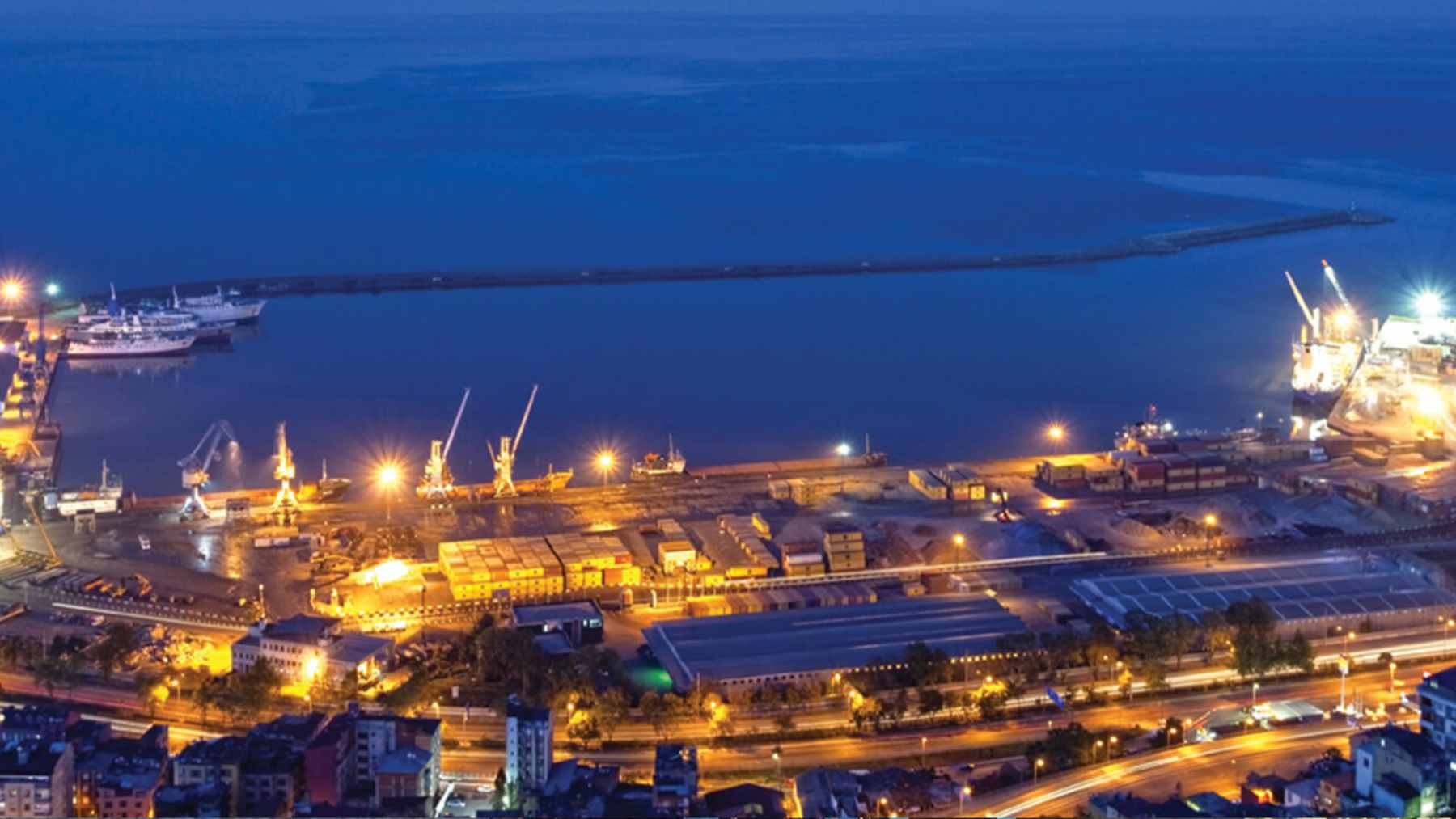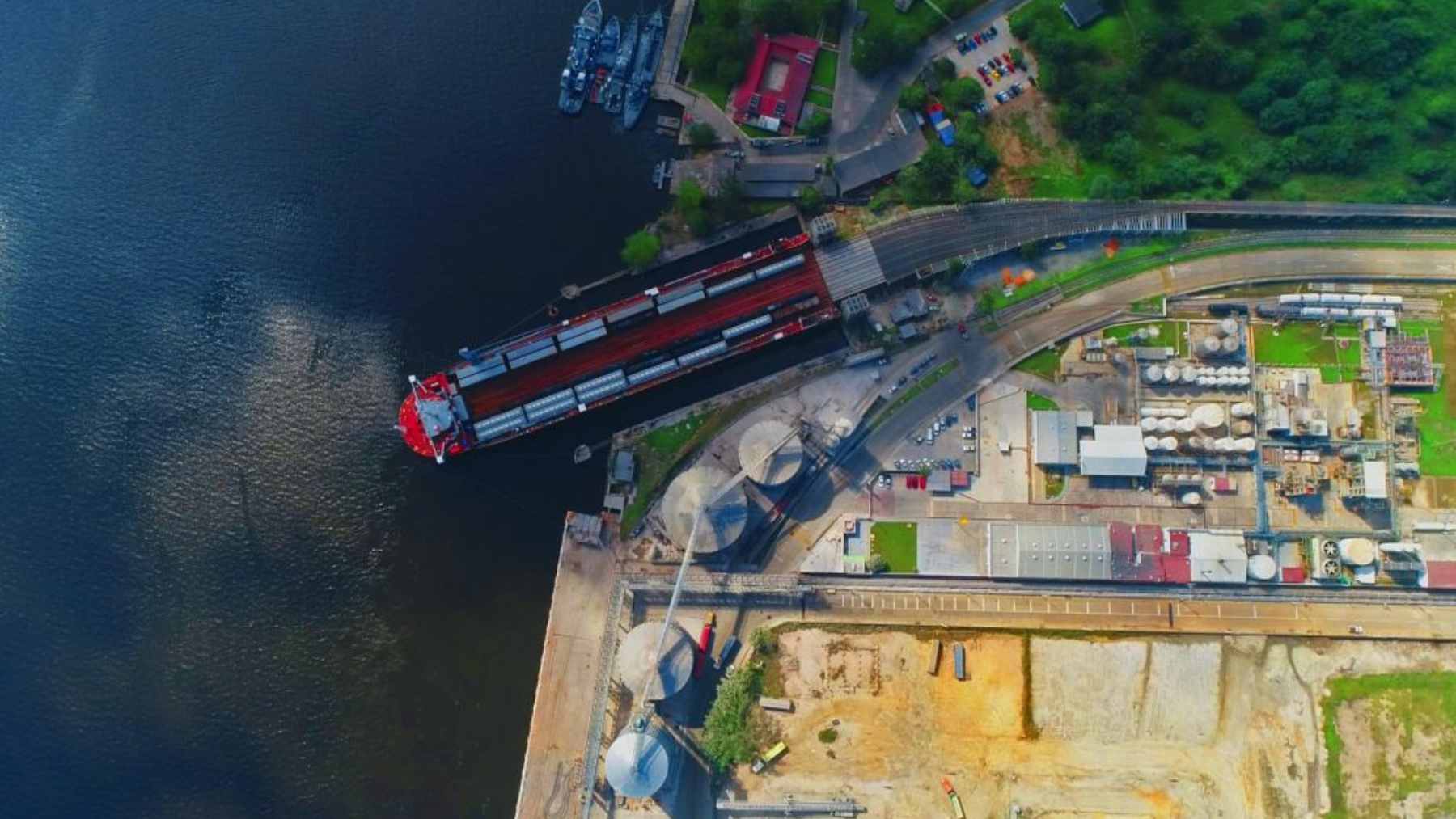
Mexico is racing to turn one of the narrowest parts of North America into a dry canal for global trade. The Interoceanic Corridor of the Isthmus of Tehuantepec is designed to link Salina Cruz on the Pacific with Coatzacoalcos on the Gulf Coast through a rail line of nearly 190 miles, upgraded ports, roads, and industrial development hubs.
The promise is easy to understand. Instead of waiting for a slot at the Panama Canal when drought squeezes traffic, cargo could cross southern Mexico by train and return to the sea within hours. However, can a shortcut built for climate stress really be green if it also pushes heavy industry into one of Mexico’s richest ecological zones?
A canal without locks
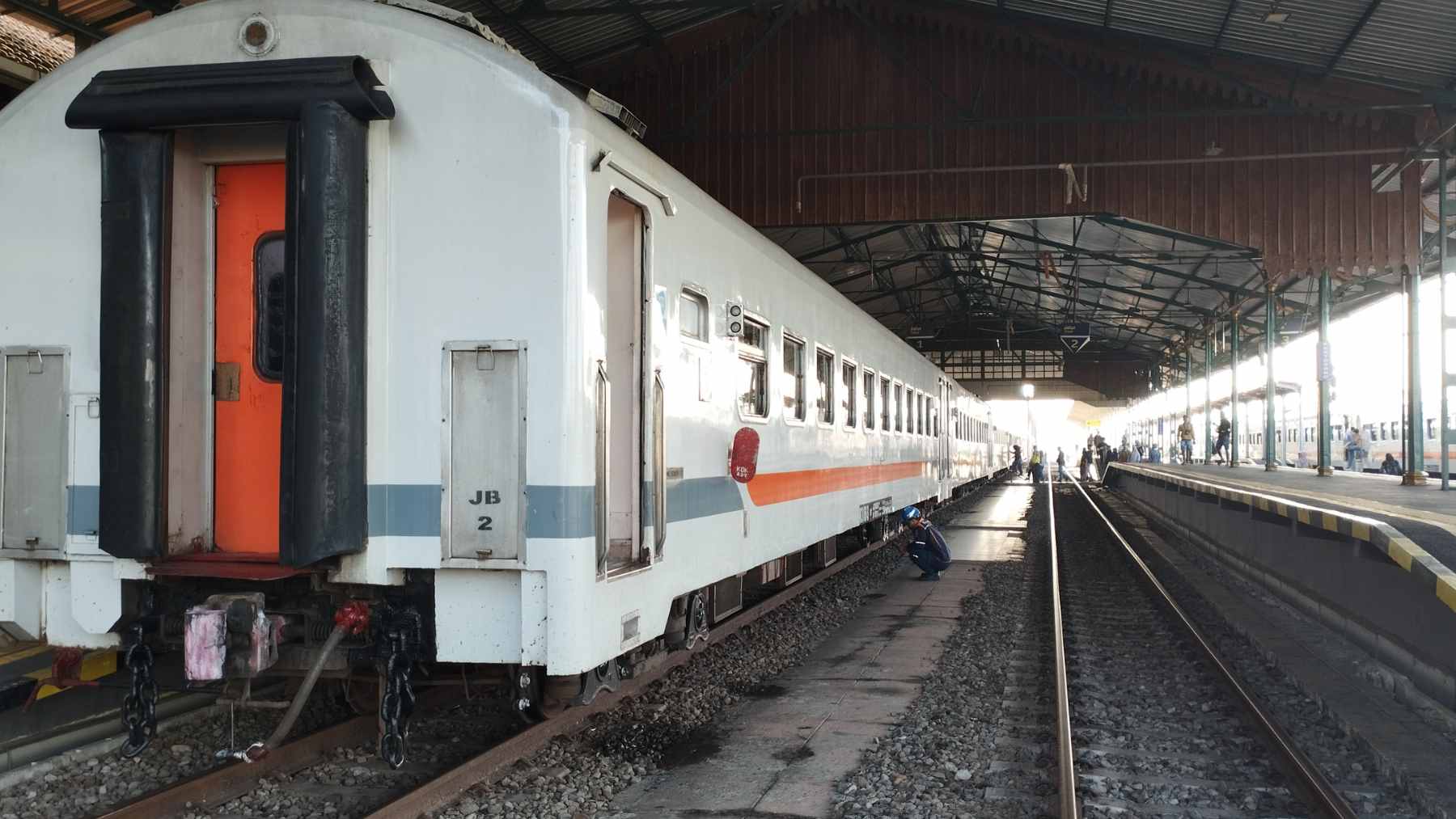
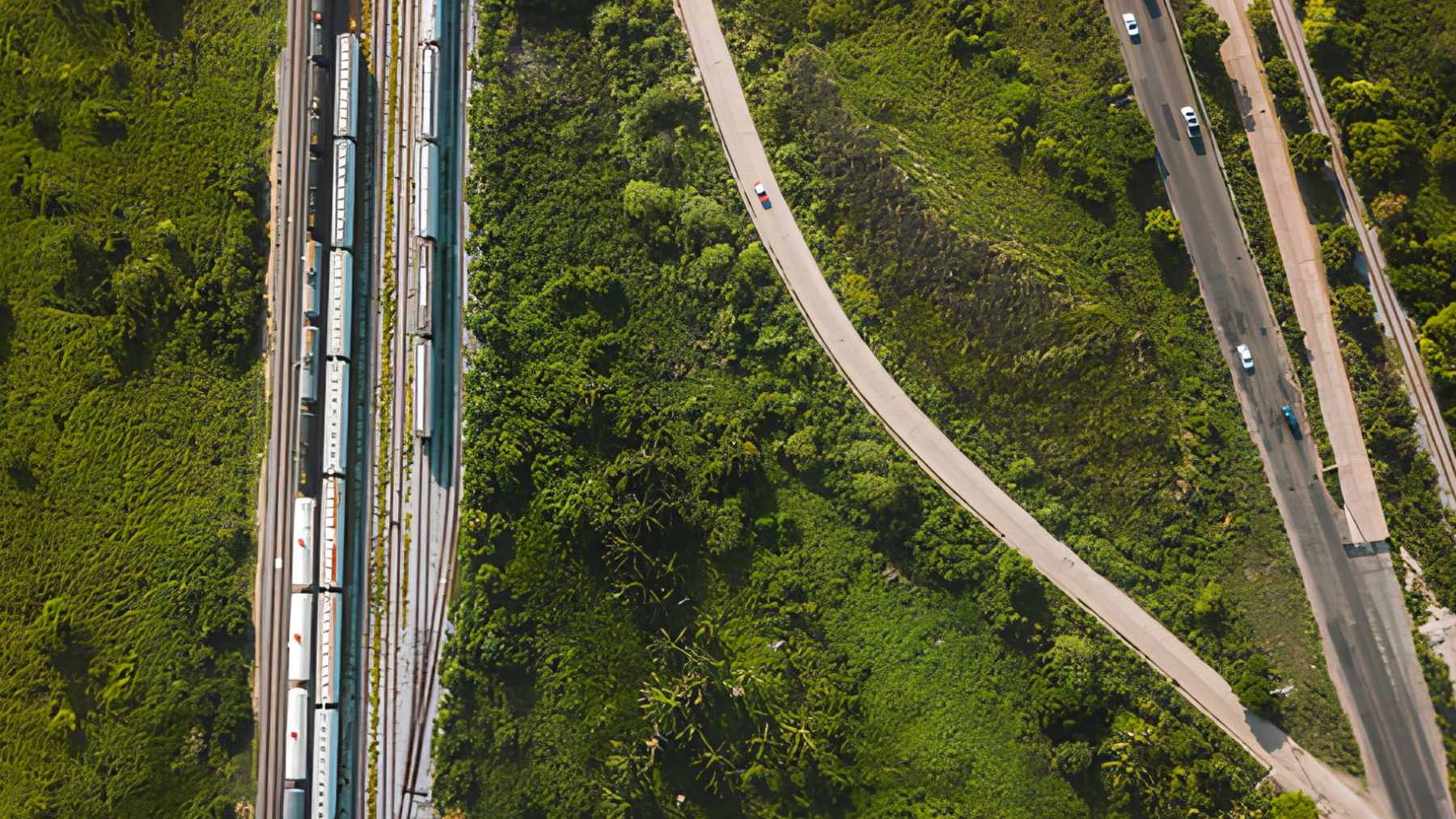
For shippers, the project is really a bet on time. A container that moves by rail does not need freshwater locks, and Mexican planners have promoted the route as a way to connect two oceans without the classic canal bottleneck.
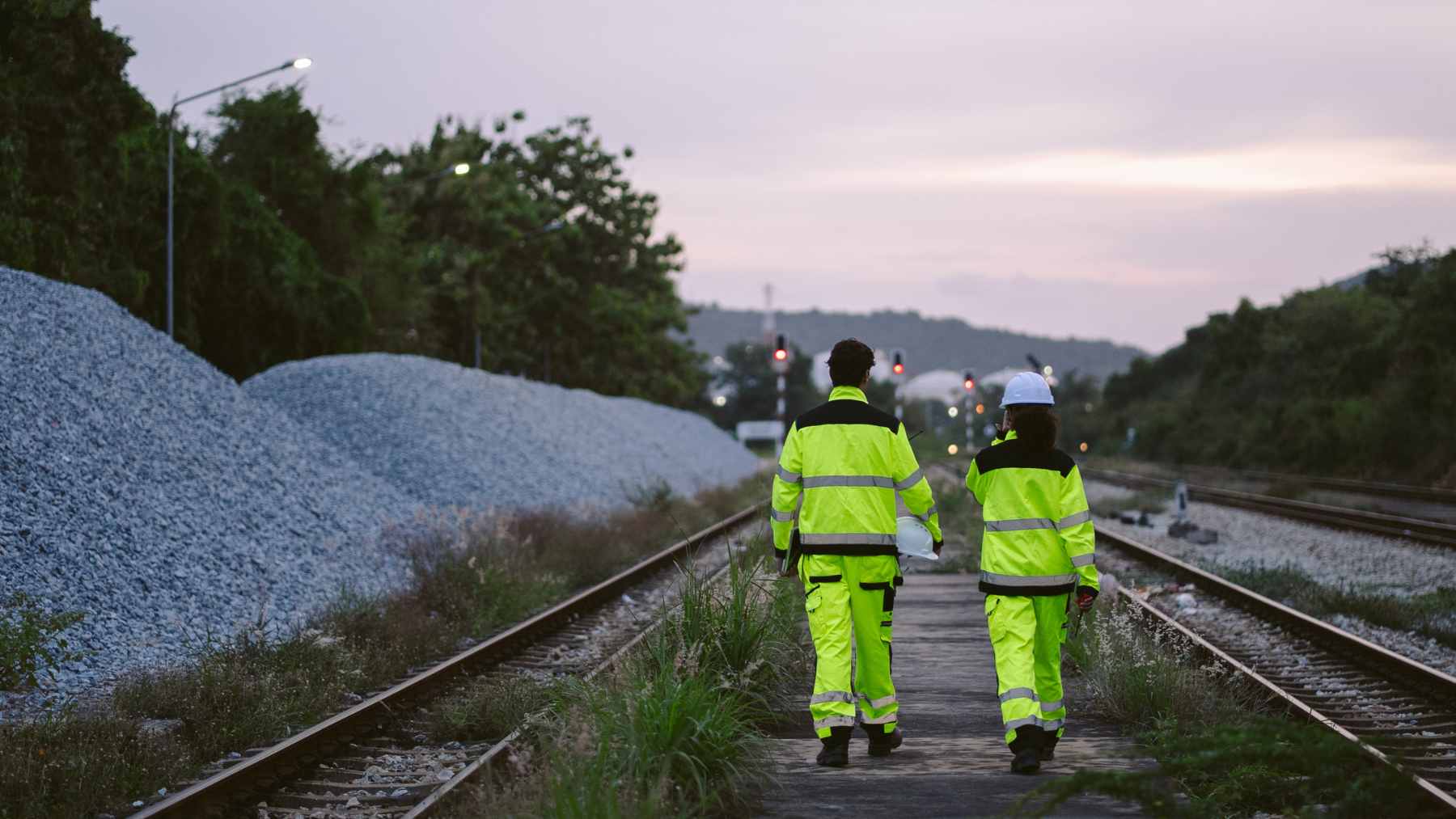
The corridor is not only a railroad. Mexico’s official gazette describes it as a multimodal logistics platform connecting ports, rail, roads, and development sites, with the project sectorized under the country’s Navy Ministry.
Those details matter. It gives the corridor a strong security and infrastructure profile at a time when ports, supply chains, and rail lines are increasingly seen as strategic assets, not just pieces of transport equipment.
Why Panama matters
Panama’s problem is water, not ambition. In 2023, a severe drought depleted water available to the Panama Canal and reduced shipping by 30%, according to an official American Geophysical Union (AGU) release on a new climate study.
The canal’s locks need huge volumes of freshwater to move ships between oceans. AGU says more than 26 million gallons are needed to fill the locks for ships to pass through, water that also matters for nearby cities.
That is where Mexico’s dry canal starts to look attractive. If climate change makes Panama’s low-water years more common, a rail bridge across southern Mexico becomes more than a backup route–it becomes insurance.
The green case for rail
Rail has one clear advantage over long-haul trucking. Freight railroads are three to four times more fuel efficient than trucks on average, and moving freight by rail instead of truck can lower greenhouse gas emissions by up to 75%, according to the Association of American Railroads.
That means fewer long truck convoys and less fuel burned per ton of cargo. Think of the everyday stuff that fills store shelves, from appliances to auto parts to electronics–the way those goods move matters.
Technology could make the difference even sharper. Advanced rail software can improve fuel efficiency by calculating more efficient train speed, spacing, and timing, according to the same rail industry data.
The catch is industrial sprawl
The environmental risk is not the train by itself, it is everything that grows around it.
Federal plans include development poles meant to attract factories, and Mexican project material has described 14 such industrial hubs for the corridor. The business case is obvious, but the ecological cost is where the debate gets uncomfortable.
Reporting supported by the Pulitzer Center and published by El Universal found that a government risk document warned the project could create an “urban industrial landscape” with risks to surface water, groundwater, air, soil, and wildlife.
Communities on the route
For Indigenous communities along the corridor, this is not just a line on a map. Observation groups have reported concerns over consultation, land, and the right of communities to understand and approve what is being built around them.
A project that sounds efficient in a boardroom can feel very different from a small town near the tracks. Land prices rise, construction arrives, and people want to know whether jobs, water, and safety promises will actually reach them.
That does not erase the economic argument for the corridor, but it does mean Mexico’s dry canal will be judged by more than container counts and travel times.
Safety is now part of the story
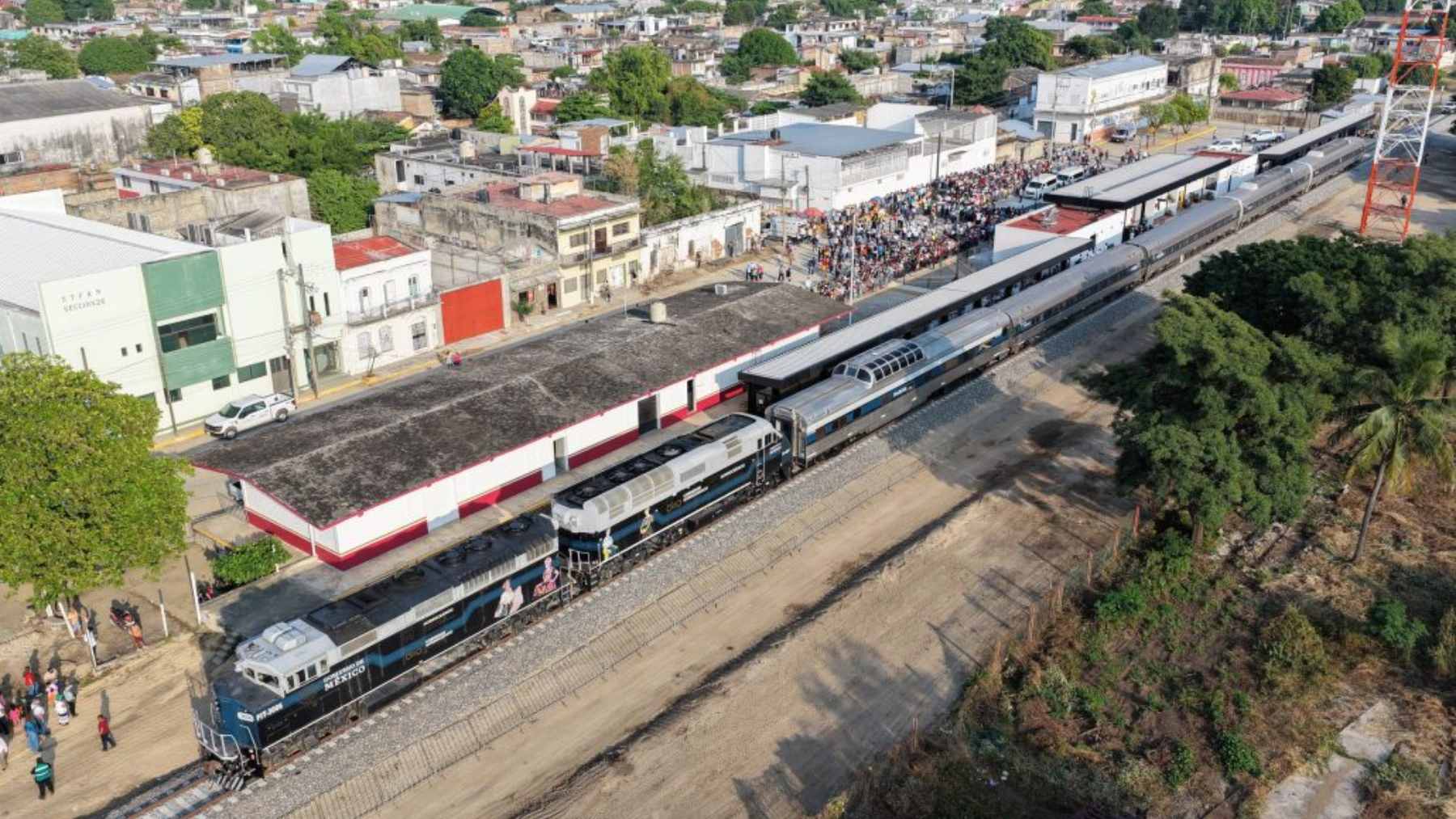
Scrutiny intensified after the Interoceanic Train derailed near Nizanda, Oaxaca, on December 28, 2025. Reuters reported that at least 13 people were killed and 98 were injured, and Mexico’s Attorney General’s Office opened an investigation.
The accident does not prove the freight corridor cannot work. Still, it gave critics a concrete reason to ask about construction quality, maintenance, speed control, crew training, and oversight.
That matters for global shippers, too. A route that sells reliability must prove it can move people and cargo safely, especially when it is being promoted as an alternative to one of the world’s most important maritime passages.
What decides its climate legacy
In the best case, Mexico’s dry canal could reduce emissions by shifting some cargo to rail, shortening disrupted routes, and supporting factories closer to North American consumers. That would be a real win.
In the worst case, it could become a strip of warehouses, pipelines, roads, and industrial parks that moves pollution rather than reducing it. Faster trade is not automatically cleaner trade.
So the real test is not whether Mexico can build a land-based Panama Canal. The harder question is whether it can build one that protects rivers, forests, local communities, and safety standards while still delivering the speed global trade wants.
The official statement was published in AGU’s newsroom.