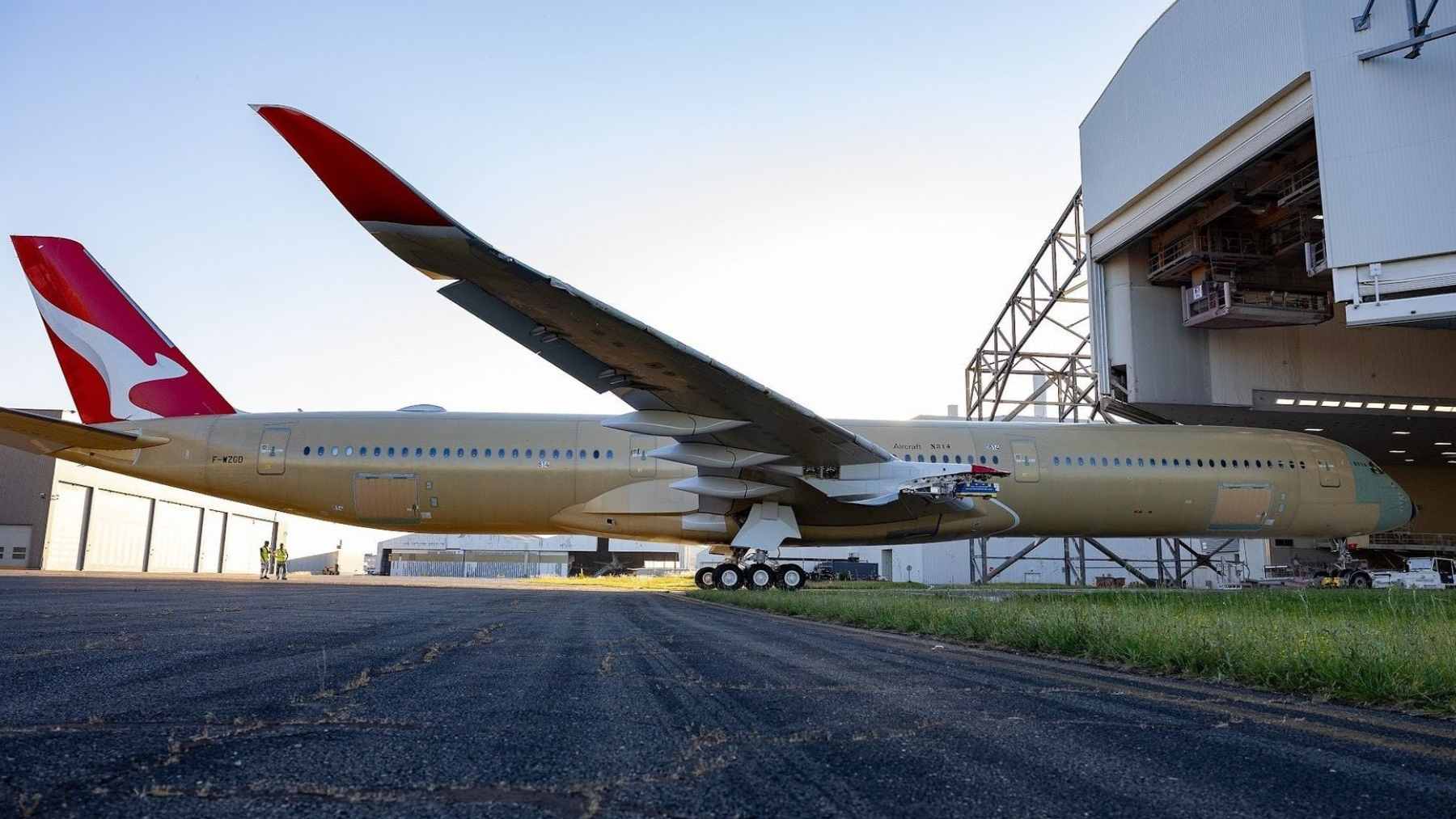
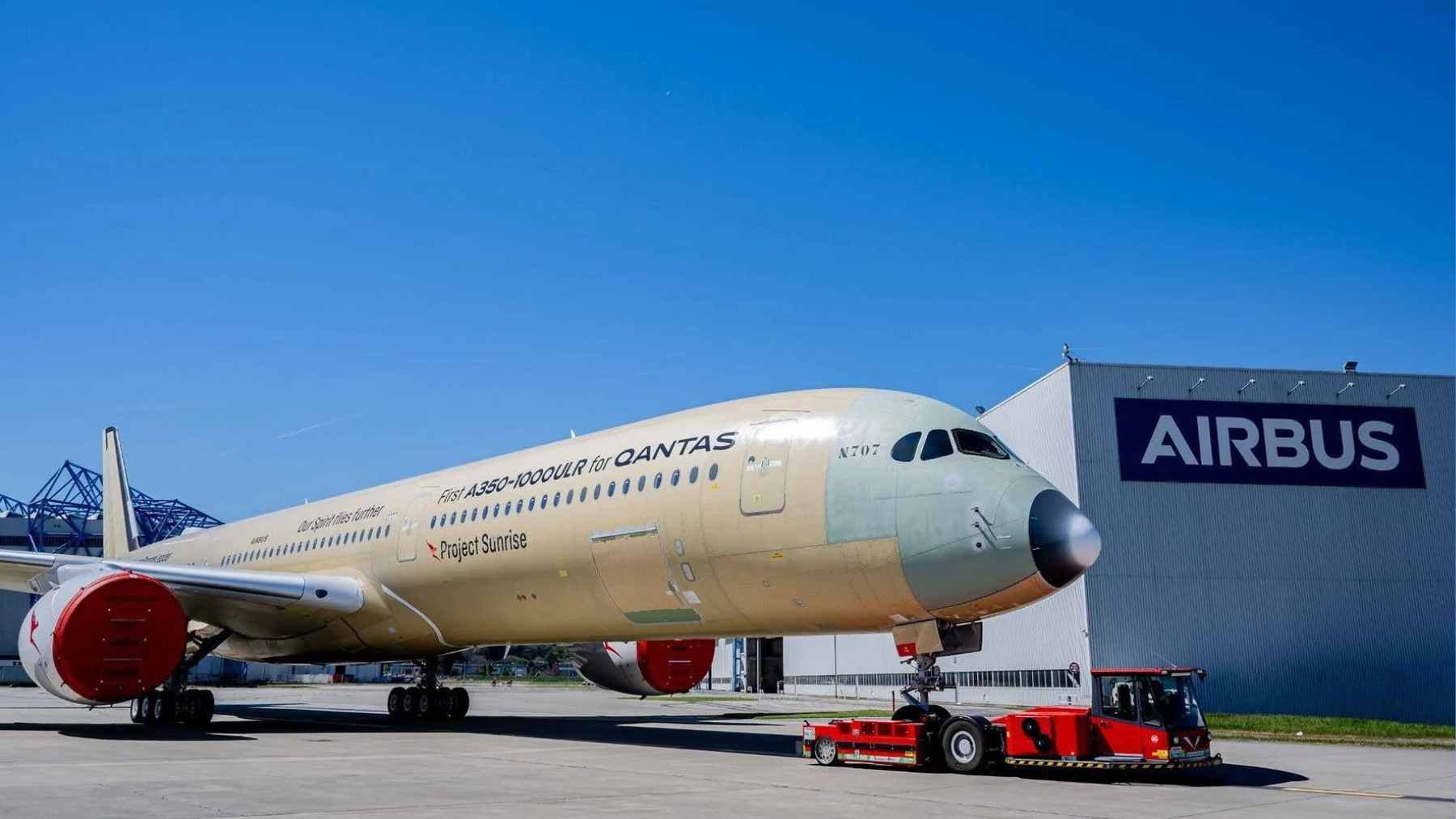
Airbus has taken a major step toward a new era of ultra-long air travel. The company’s A350-1000ULR, the wide-body aircraft being built for Qantas, completed its first test flight in Toulouse, France, after staying in the air for 3 hours and 43 minutes and climbing slightly above 41,000 ft.
The headline is intriguing enough on its own. A plane that can fly from Sydney to London or New York without stopping sounds like a dream for passengers tired of airport layovers, missed connections, and dragging carry-ons through terminals at 2 a.m.
But this is also an environmental story, because the future of flying will be judged not only by how far an aircraft can go, but by how efficiently it gets there.
A flight built for distance
The aircraft, known as MSN 707, is the first of 12 A350-1000ULRs ordered by Qantas under its long-running “Project Sunrise” plan. Airbus says the model is designed to cover almost 10,000 nautical miles, with flight times of up to 22 hours.
How does it manage that? The biggest change is an extra rear center fuel tank built into the aircraft structure, giving the plane 1,150 more miles of range than the standard A350-1000. Airbus says the system adds about 5,300 gallons of fuel capacity, a huge amount that has to be managed safely across every phase of flight.
The first flight also kicked off a two-month test campaign. Engineers will certify the fuel system, cabin ventilation, temperature controls, and a new galley cooling setup that is lighter and more efficient for very long routes. Small details matter when a plane is expected to stay airborne for almost a full day.
Why Qantas cares
For Qantas, this is about solving one of aviation’s most stubborn problems. Australia is far from nearly everywhere, and travelers heading from the country’s east coast to Europe or the U.S. usually need at least one stop.
Qantas says the A350 will allow more direct routes to Australia and cut point-to-point travel time by up to four hours compared with one-stop flights. That may not sound dramatic until you picture a family trying to keep children awake during a late-night connection, or a business traveler losing half a workday in transit.
The first aircraft delivery is now scheduled for April 2027, later than earlier expectations for service in 2025. In any case, the first test flight means the project has moved from concept and cabin previews into the hard engineering phase.
The climate math is not simple
Aviation is not the largest source of global emissions, but it is a fast-growing one. The International Energy Agency says aviation accounted for 2.5% of global energy-related CO2 emissions in 2023.
Airbus presents the A350 family as a cleaner long-haul aircraft compared with older wide-bodies. The company says its lightweight materials, advanced aerodynamics, and newer engines deliver a 25% reduction in fuel burn and CO2 emissions versus previous-generation aircraft, and the A350 is certified to fly with up to a 50% blend of sustainable aviation fuel.
Still, nonstop does not automatically mean green in every case. Research from the International Council on Clean Transportation says nonstop flights and fuel-efficient aircraft are often lower-emitting options, but there are exceptions based on seating layout, load factor, and other operating details.
That’s why a 22-hour flight is not just a range achievement, it is a carbon accounting test, too.
Fewer seats, more comfort
Qantas is not packing this aircraft like a short vacation shuttle. Airbus says the A350-1000ULR will have 238 seats, including six first-class suites, 52 business suites, 40 premium economy seats, and 140 economy seats with a 33-inch pitch.
That layout is clearly built around comfort. It also raises a fair question: if a plane has more premium space and fewer total passengers, how does that affect emissions per seat?
That is the detail travelers rarely see when booking a ticket. A newer aircraft may burn less fuel, but the final environmental impact depends on how full it is, how many passengers it carries, how the cabin is configured, and what fuel is used. There is no magic button here.
Comfort becomes part of the technology
A 22-hour flight is not just a technical challenge for pilots and engineers. It is also a test for the human body.
Qantas plans to include a “Wellbeing Zone” where passengers can stretch, hydrate, and follow guided movements during the flight. That may sound like a small perk, but on a journey long enough to watch several movies, eat multiple meals, sleep badly, wake up confused, and still have hours left, movement becomes more than a luxury.
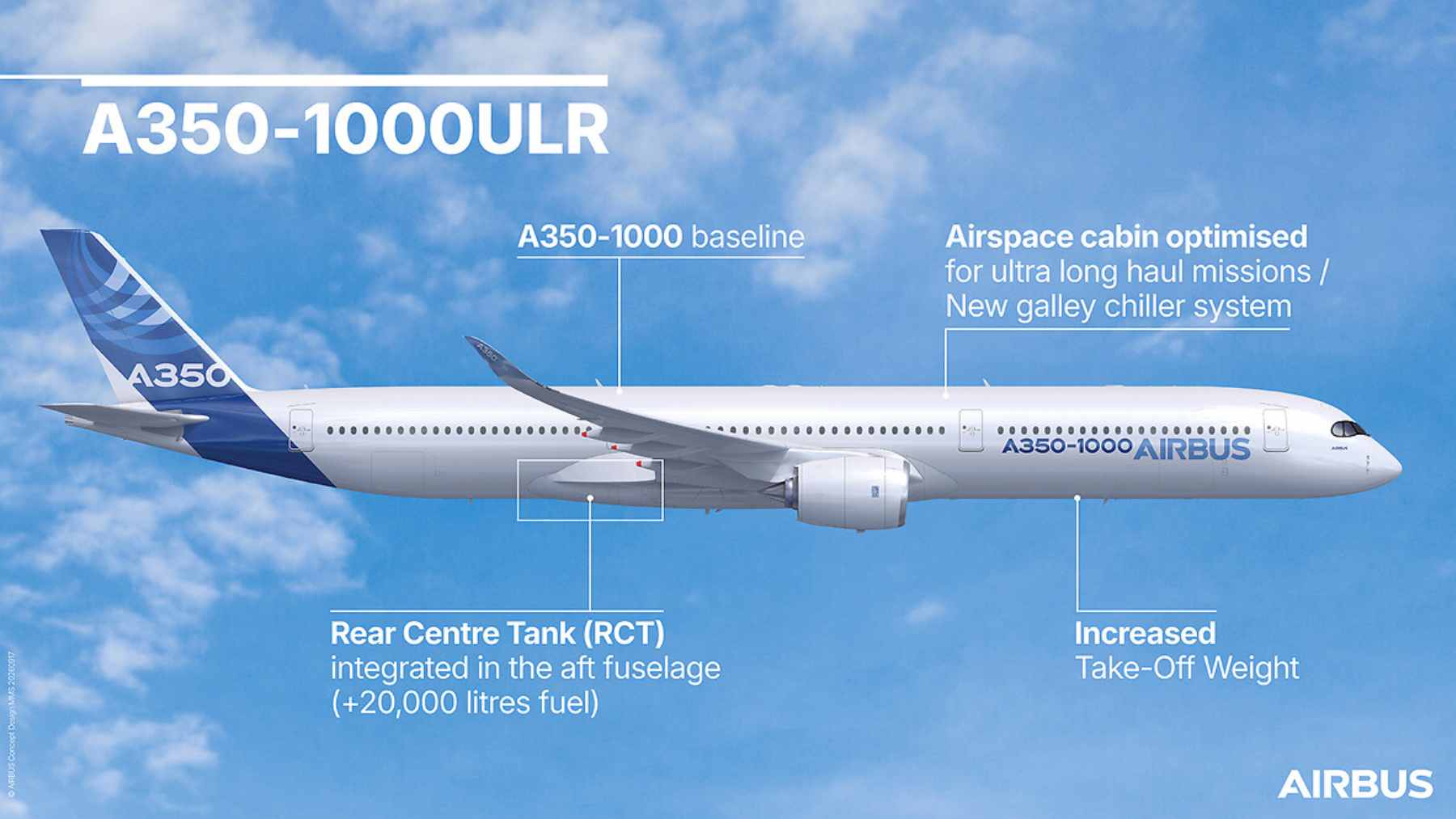
Airbus has also pointed to cabin temperature and ventilation testing as part of the certification process. For most passengers, that translates into something simple: will the cabin feel livable after 15, 18, or 21 hours in the air?
What happens next
MSN 707 will continue serving as a test aircraft before being retrofitted to Qantas specifications. Airbus says a second A350-1000ULR is already in an advanced stage of final assembly and is the first one scheduled for delivery to the airline in April 2027.
The certification work is not glamorous, but it is the part that matters most. Airbus has said the test aircraft carries custom flight test equipment and more than a thousand sensors to monitor performance, fuel systems, and cabin functions.
At the end of the day, the A350-1000ULR is trying to do two things at once. It wants to make the world feel smaller for passengers, while proving that very long flights can fit into a more efficient aviation future. That second part will be the harder one.
A longer flight with bigger questions
If Project Sunrise works, nonstop Sydney to London and Sydney to New York flights could become a new benchmark for commercial aviation. The convenience is obvious. The environmental verdict will take longer.
The aircraft is more efficient than older long-haul jets, but efficiency is not the same as zero emissions. Airlines, manufacturers, regulators, and passengers will have to pay attention to aircraft design, cleaner fuels, fuller cabins, and whether some trips really need to happen at all.
That does not make the A350-1000ULR any less impressive. It just makes it more important to watch carefully.
The official statement was published on Airbus.