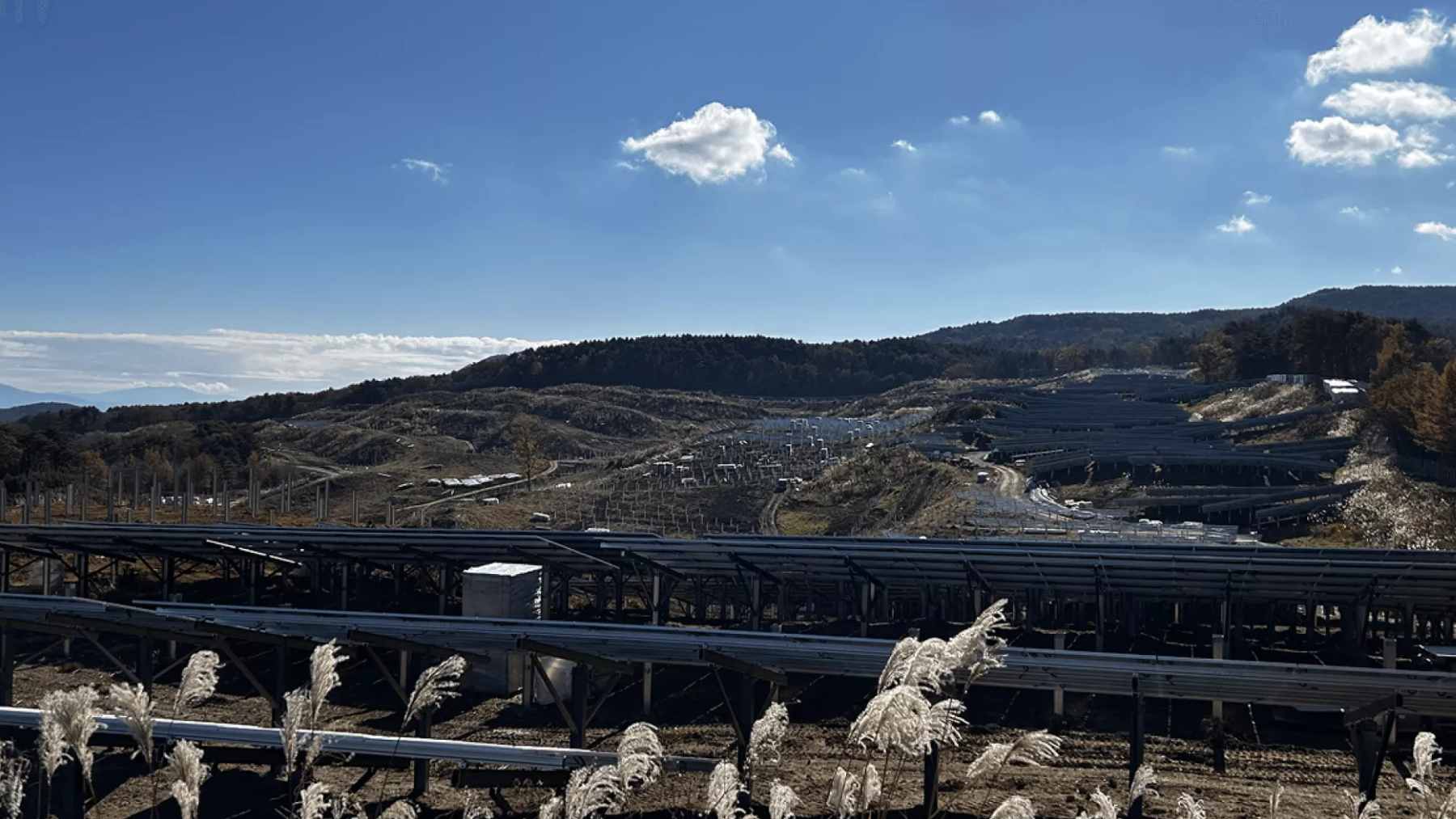
A mega solar plant in Fukushima City is now at the center of a very human clean-energy problem. The issue is not whether solar power can help cut emissions, it is what happens when a renewable project starts shining directly into daily life.
City investigators found that reflected sunlight from the Mount Sendatsu solar plant lasted as long as 53 minutes at one location, far above the operator’s earlier simulation of about 5 minutes a day. That gap is now pushing officials to continue field checks, warn residents, and seek measures from the company behind the project.
A 5-minute estimate became 53
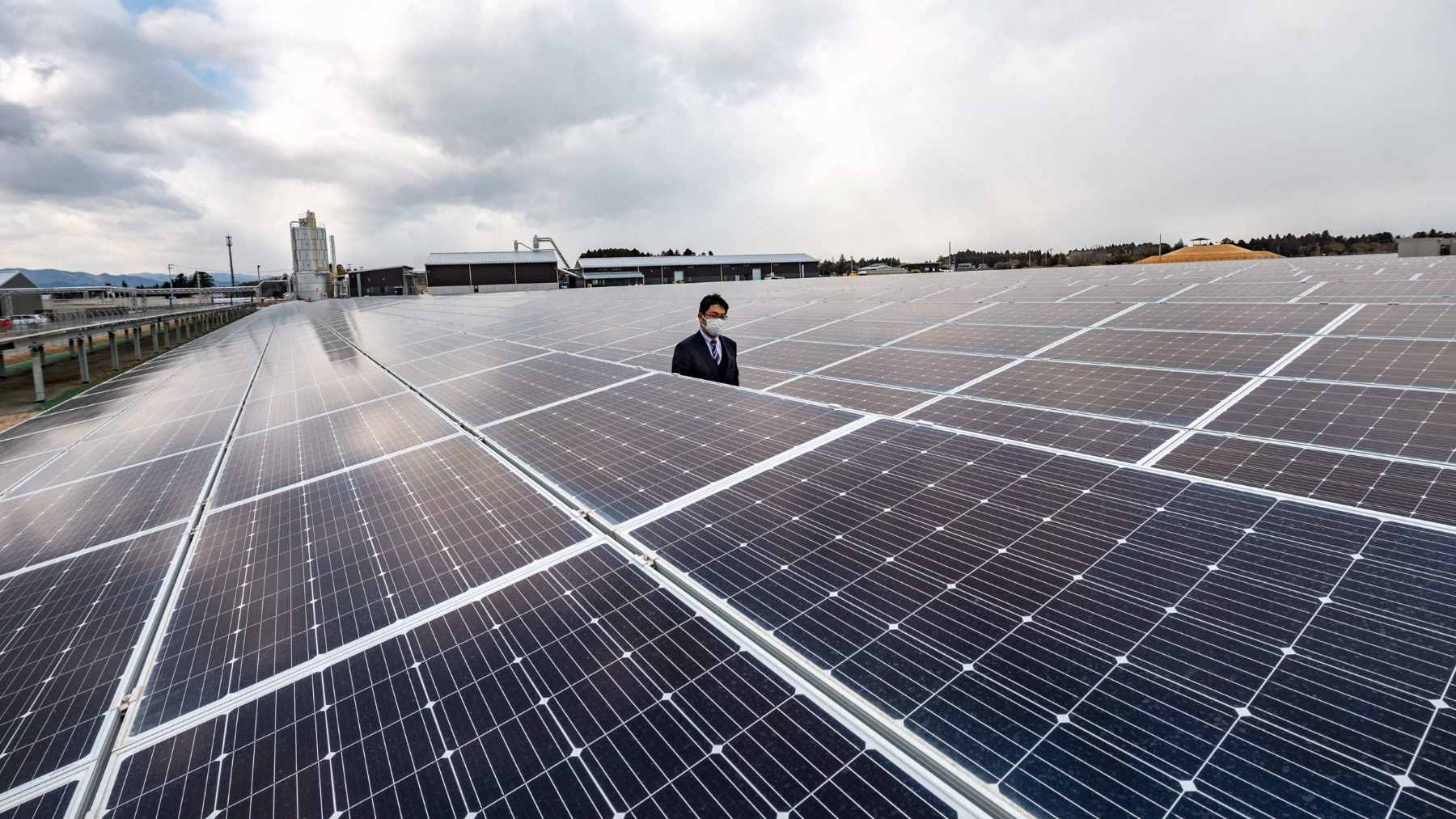
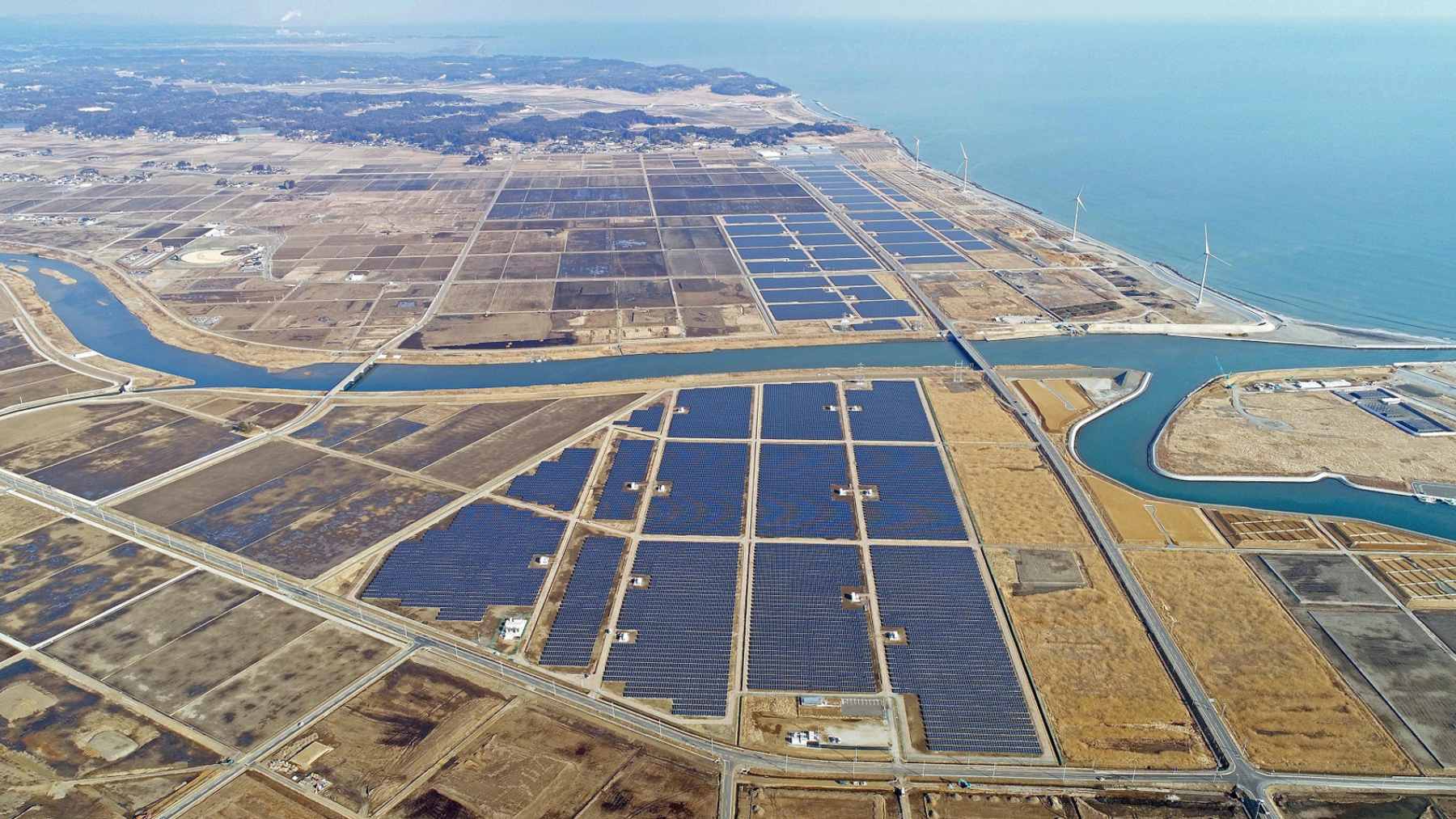
The Fukushima Sendatsuyama Solar Power Plant began operating commercially on September 30, 2025. According to Fukushima City, the project is run by AC7 LLC, covers about 148 acres, and has an output of roughly 40 megawatts.
Between February 24 and April 13, 2026, Fukushima City surveyed six locations around the city. Reflected light was confirmed at every survey point, with daily reflection lasting between 8 and 53 minutes.
That is not a small paperwork difference. For someone driving home, waiting outside, or looking across a familiar hillside, five minutes and nearly an hour feel like completely different realities.
Why the glare matters
Solar panels are supposed to absorb sunlight, not turn neighborhoods into mirrors. Still, large panel fields can create glint and glare when the sun, panel angle, and viewer line up in just the wrong way.
The most striking finding came near the JA-SS Noda Minami service station, west of the Fukushima-Azuma-Urabandai road. There, city investigators recorded reflected light from shortly before 3:40 p.m. until a little after 4:35 p.m., with the glare lasting 44 to 53 minutes in a day.
The city report also noted that westbound drivers could receive the reflected light from the front, making that spot especially likely to feel dazzling. Anyone who has driven into a low afternoon sun knows the feeling–you squint, slow down, and hope the road stays clear.
The model missed movement
The operator’s forecast was not entirely off. Fukushima City said the spring direction of the reflected light roughly matched the real-world pattern, with light moving east to east-northeast.
The trouble was duration. City officials said the difference appeared to come from a calculation based on fixed panel points, while the real installation covers a broad area and the reflection position shifts as time passes.
In practical terms, the glare did not simply flash and vanish. It moved across the panel field, keeping the reflection in play for much longer than the earlier estimate suggested.
Clean energy still needs trust
None of this means solar power is a bad idea. It means project design, public communication, and local environmental review have to be strong enough for the real world.
Fukushima City had already taken a hard line on mountain mega solar projects. In 2023, the city adopted a “No More Mega Solar” stance, saying it did not want more large solar facilities in mountainous areas and wanted to protect residents’ safety and the local landscape for future generations.
That objection matters. Renewable infrastructure does not appear in a vacuum, it appears next to roads, homes, schools, farms, and views people grew up with. When those effects are underestimated, trust can disappear faster than the glare itself.
A warning for developers
For energy companies, the lesson is uncomfortable but useful. A simulation that looks clean on paper may not be enough when a project stretches across a large hillside.
The concern is not limited to Japan. In the United States, the Federal Aviation Administration has also treated glare from solar projects as a safety issue in airport settings, requiring airport solar projects to measure visual impact on pilots and air traffic control personnel.
Roadside glare is not the same as aviation glare, but the broader point is similar. Reflected light needs to be tested from the point of view of the people who will actually see it.
What happens next
Fukushima City says it will keep conducting its own field surveys until around the winter solstice. Officials also plan to share seasonal findings with the operator, publish the results, alert residents, and ask the business to examine and carry out specific measures to prevent reflection impacts.
The operator also carried out an on-site inspection on May 16, according to city materials. For now, officials have not announced a final fix, so it would be wrong to guess any exact solution.
Still, glare problems usually force a practical question: can the site be adjusted, screened, or managed in a way that protects residents without undermining clean power generation? That is where engineering meets accountability.
Fukushima’s sunlight problem
The Mount Sendatsu case lands at a tricky moment for renewable energy. Countries need more low-carbon power, and solar can often be built faster than many other energy sources. But speed can become a weakness when local effects are brushed aside.
For residents, the question is simpler. How long should someone have to live with glare from a project that promised only minutes of impact?
At the end of the day, this is not a fight between solar power and the environment. It is a test of whether the clean-energy buildout can be careful, transparent, and honest when the numbers do not match what people see outside their windows.
The official statement was published on Fukushima City’s official website.