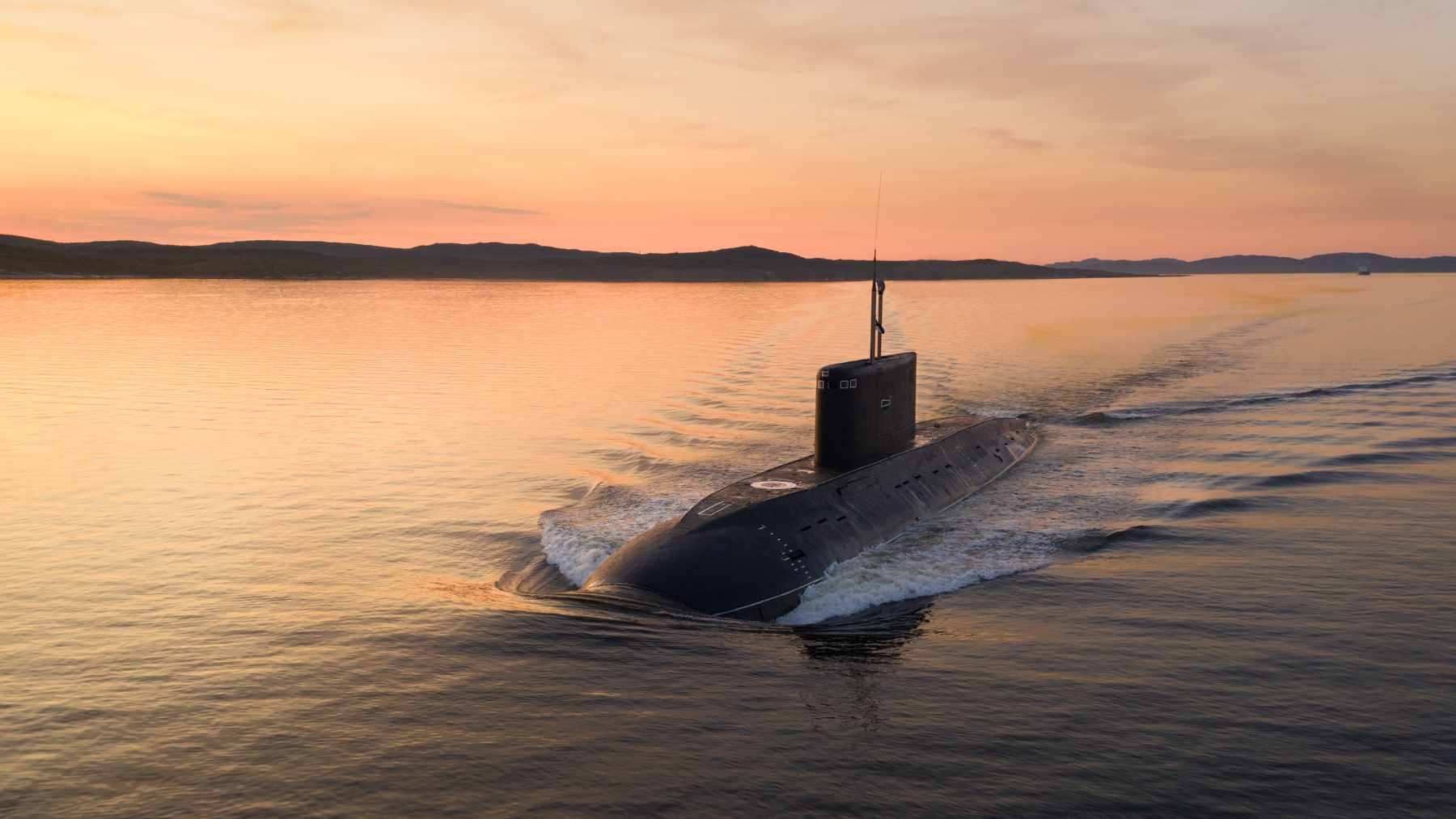
Australia’s AUKUS submarine plan has taken another turn, and this one matters far beyond the navy. The country is now set to pursue three in-service U.S. Virginia-class nuclear-powered submarines rather than the earlier mix of two in-service boats and one new submarine, according to the latest trilateral defense statement.
On paper, the change is about simplicity and cost. In practical terms, it also sharpens a bigger question for taxpayers and coastal communities. How does a nation build a nuclear-powered fleet while proving it can manage radioactive waste, shipyard growth, and undersea technology for decades?
A simpler fleet
Under AUKUS, Australia is still aiming to receive the U.S. Virginia-class submarines from as early as the early 2030s. The Australian Submarine Agency says Congress authorized the sale in December 2023 and that Canberra can seek approval for up to two more submarines if needed.
The May 30 statement says the revised approach would let Australia acquire three in-service Virginia-class submarines instead of a mix of new and in-service variants. Officials said that would simplify supply chains, operations, and maintenance.
That sounds technical, but anyone who has owned two versions of the same device knows the problem: different parts, different fixes, different headaches.
Why used submarines matter
Richard Marles, Australia’s deputy prime minister and defense minister, said in Singapore that running several submarine types at the same time would become “pretty complicated.” His argument is that three similar in-service Virginias create a cleaner bridge from the older Collins-class fleet to the future SSN-AUKUS submarines built in Adelaide.
Pat Conroy, the minister for defense industry, went further. He said the in-service boats would be cheaper and simpler to run, partly because Australia would receive them after the first major maintenance period, about six years into a 33-year life cycle.
It is still a huge bet, but the pitch is clear: let the U.S. Navy absorb some early risk, then transfer a mature platform.
The environmental test
Here is where the environment enters the story. These submarines are conventionally armed but nuclear-powered, and Australia has promised not to seek nuclear weapons. The 2024 naval nuclear propulsion agreement also says Australia will not enrich uranium or reprocess spent fuel as part of AUKUS.
The same agreement says future SSN-AUKUS submarines built at Osborne will use sealed, welded power units that do not need refueling during the submarine’s life cycle. That reduces routine fuel handling, but it does not erase the end-of-life problem.
The Australian Submarine Agency says Australia will manage all radioactive waste from its own Virginia-class and SSN-AUKUS submarines, including waste from operations, maintenance, and decommissioning.
For the most part, the hardest environmental question is not what happens on day one. It is what happens decades later, when reactors and spent fuel need a permanent answer.
Shipyards, money, and jobs
The project is also an industrial and land-use story. The latest AUKUS statement lists planned investments of up to about USD $5.7 billion at HMAS Stirling, an initial about $2.8 billion for the South Australia submarine construction yard, and about $8.5 billion for the Henderson defense precinct, according to recent exchange rate data.
AUKUS supporters see that spending as the price of a sovereign submarine industry. Australia’s 2023 pathway announcement said the program would create around 20,000 direct jobs over 30 years. That means welders, engineers, nuclear safety specialists, software teams, and supply chains that do not exist at this scale today.
Growth has a footprint, though. New docks, training centers, logistics sites, and controlled facilities bring construction impacts, energy demand, transport needs, and local planning fights. The greener test is whether Australia can build this system with serious waste controls and public trust, not just with security slogans.
The France shadow
The move also sits in the shadow of an older submarine fight. Australia had planned to acquire French-designed conventional submarines before the 2021 AUKUS turn sent Canberra toward U.S. and U.K. nuclear propulsion technology.
The political wound with France may have faded, but the lesson remains. Submarine deals are never just procurement.
They reshape alliances, local industries, port communities, and environmental responsibilities. What looks like a military shortcut can become a 30-year national project that touches everything from school training programs to radioactive waste policy.
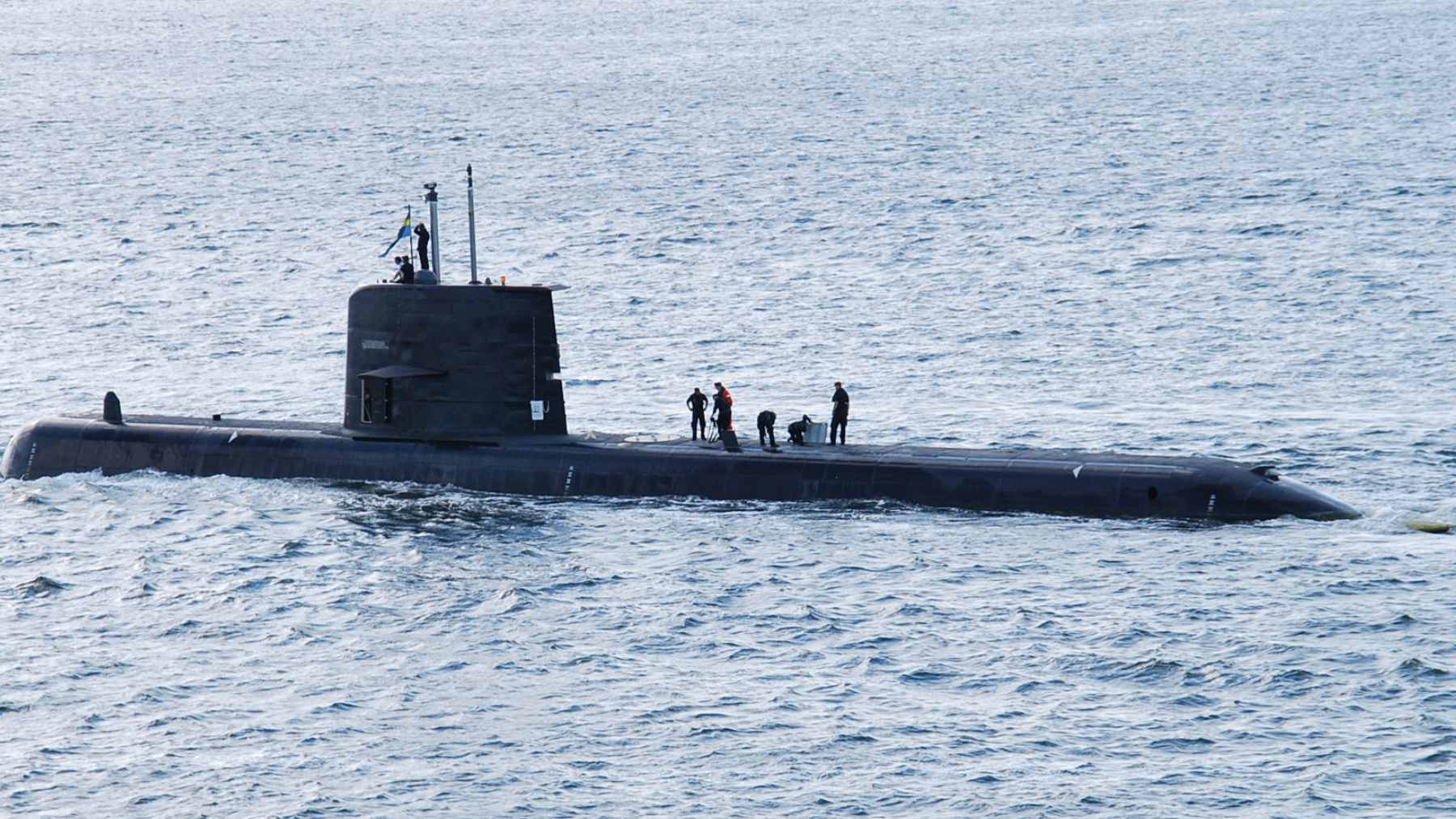
Undersea drones come next
The May 30 AUKUS meeting also pointed to a second wave of technology. The partners announced a Pillar II project focused on payloads and enabling systems for uncrewed undersea vehicles, with delivery starting in 2027.
That means underwater drones designed for surveillance, seabed protection, logistics, and possibly strike missions.
That matters because the ocean floor is becoming a contested space. Cables, pipelines, and sensors carry the modern economy, and defending them is now part of military planning. Cleaner technology will not remove that security dilemma, but it can reduce the need to send large crewed vessels into every task.
What to watch now
For Australia, the near-term question is delivery. Can the U.S. submarine industrial base produce enough capacity while also handing over three in-service boats to Canberra? Can Australia train enough workers and regulators before nuclear-powered operations become routine?
The longer-term question is trust. AUKUS leaders are asking the public to accept nuclear propulsion, large shipyards, and multi-decade spending because they say the region is getting more dangerous. At the end of the day, that promise will be judged not only by deterrence at sea, but by safety on land.
The official statement was published on Australian Government Defence Ministers.