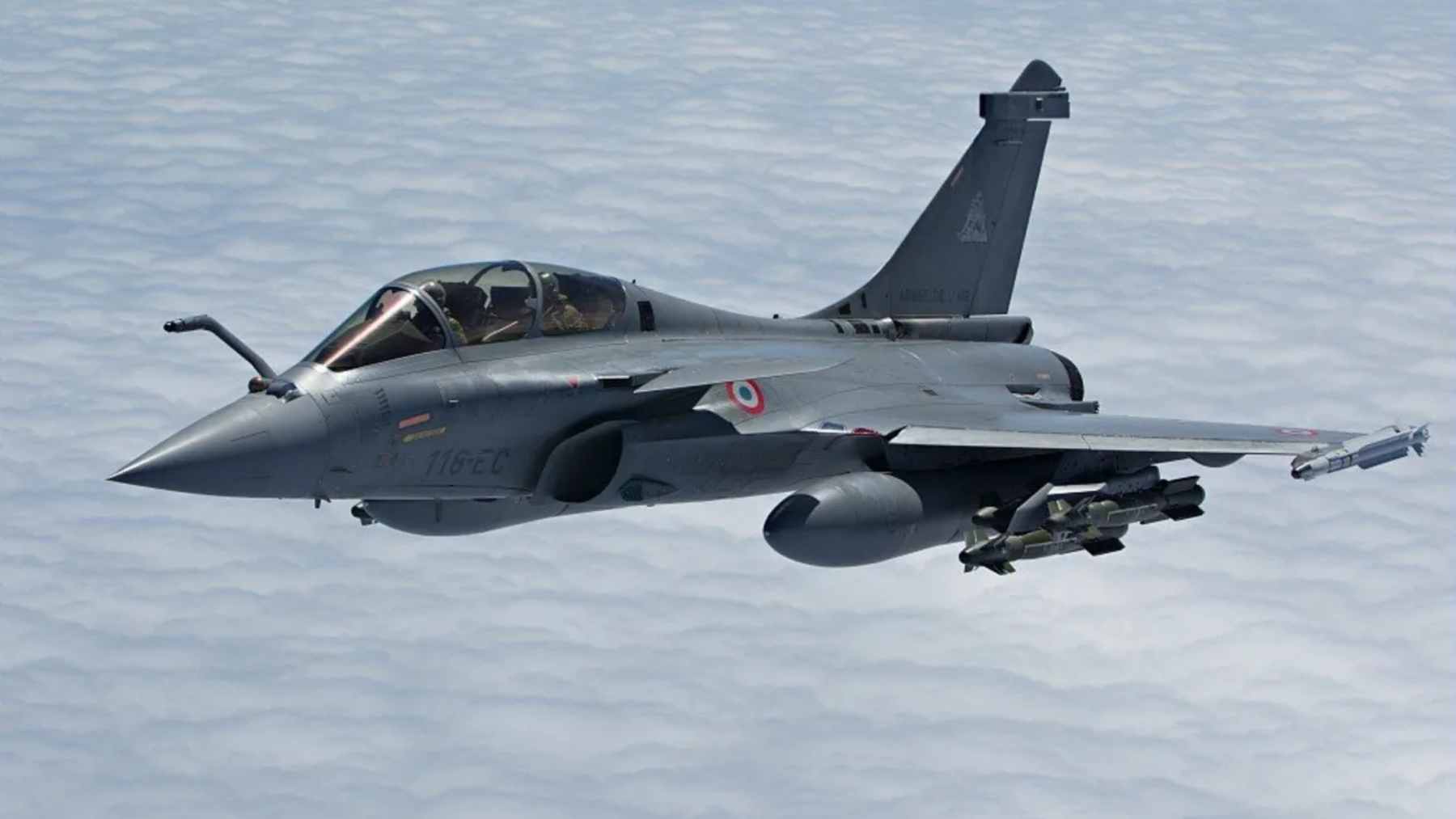
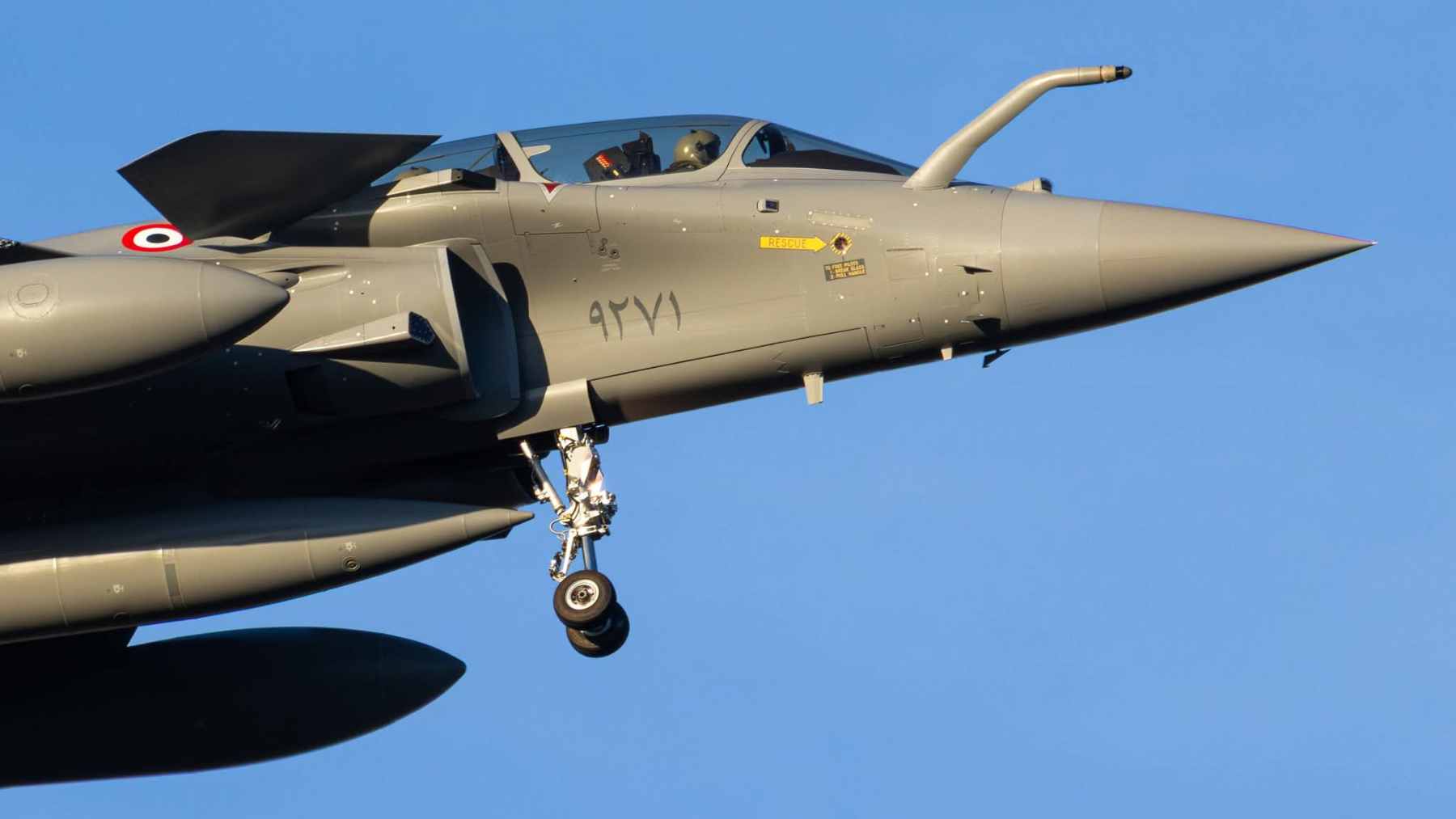
Two French Rafale fighter jets scrambled from Šiauliai Air Base in Lithuania on June 2 after NATO detected a group of six Russian military aircraft operating within the Baltic area of responsibility. This was not a routine sighting of one lonely aircraft.
The formation included fighters, a military transport plane, and reconnaissance aircraft, forcing allied crews to identify and monitor several different types of Russian platforms in one tense mission.
The alert also landed in a region where military pressure and environmental fragility overlap. The Baltic Sea is one of the world’s largest brackish water bodies, but it is shallow, semi-enclosed, and highly sensitive to human activity.
In other words, the skies above it are now busy with defense operations while the waters below remain one of Europe’s most delicate ecosystems.
What NATO saw
According to NATO Air Command, two French Rafales from the Baltic Air Policing mission scrambled from Šiauliai Air Base and worked alongside two Swedish Gripen fighters. The aircraft involved were identified as a Su-35 fighter, a Su-34, a Su-24, an Il-76 military transport aircraft, an An-12, and an An-30 reconnaissance aircraft.
The French Ministry of Armed Forces also listed the An-12, Il-76, Su-35, Su-24, Su-34, and An-30 in its June 4 operations update. French military messaging described the episode as surveillance and escorting without further escalation, which matters because an interception does not mean a shootdown or a dogfight.
Put simply, this was a controlled response. Still, six aircraft in one day is enough to make any air defense command room sit up straight.
Why the Rafale scramble matters
NATO Air Policing is a permanent peacetime mission designed to protect allied skies. NATO says it operates 24 hours a day, 365 days a year, with fighter aircraft and crews ready to react quickly to possible airspace violations or unsafe activity near allied borders.
For everyday readers, Quick Reaction Alert means something very practical. Pilots, maintainers, radar operators, and command teams stay ready so jets can launch within minutes when an aircraft needs to be identified.
The Baltic version of this mission has been running since 2004, when Estonia, Latvia, and Lithuania joined NATO. Allied fighter aircraft have been based at Šiauliai since the mission began, with rotations handled by NATO members that have the aircraft and crews to do the job.
The tech behind the alert
These missions are not just about fast jets. NATO’s air policing system relies on surveillance, command centers, data links, and national air forces working together across borders.
NATO says its Combined Air Operations Centers help monitor up to 30,000 air movements across European NATO airspace each day. When an intercept is needed, the relevant command center decides which base should scramble its fighters, depending on where the incident is unfolding.
That is where the Rafale comes in. France has deployed four Rafale B jets and around 100 personnel for the Baltic Air Policing rotation from April 1 to July 31, with the aircraft configured for air defense and ready to launch in minutes.
The Baltic is more than a military corridor
The Baltic Sea covers about 162,000 square miles and more than one-third of it is shallower than 98 ft., according to HELCOM’s State of the Baltic Sea assessment. It has no tides and is relatively isolated from other seas, which helps explain why pollution and ecological stress can linger there.
That does not mean this specific intercept caused environmental damage–there is no official claim of that. However, it does mean the region is not just a chessboard for military aircraft.
HELCOM describes the Baltic as ecologically unique and highly sensitive, with a catchment area that is home to more than 85 million people. The European Environment Agency also warns that eutrophication remains a large-scale problem in the Baltic, even though nutrient levels have declined over recent decades.
What the aircraft mix suggests
The aircraft list is worth reading closely. A Su-35 is an air-superiority fighter, while the Su-34 and Su-24 are strike aircraft. The Il-76 is a large military transport plane, the An-12 is another transport platform, and the An-30 is linked to reconnaissance and survey work.
Why send that mix? NATO has not publicly stated Russia’s intent, and guessing would go too far. What can be said is simpler and more important.
For allied commanders, intent is only part of the problem. Every aircraft still has to be detected, visually identified, tracked, and escorted when needed, especially in a crowded region where civilian aviation, military patrols, and maritime traffic all share the same strategic neighborhood.
A defensive message
NATO frames air policing as a defensive mission. Its stated purpose is to safeguard the integrity and security of allied airspace, including by monitoring unusual activity and intercepting potentially hostile aircraft when necessary.
That is the bigger message behind the June 2 scramble. If Russian aircraft appear in a sensitive area, NATO wants them identified quickly and handled calmly.
At the end of the day, the Rafale response was not just a show of speed. It was a demonstration of how modern air defense works over a fragile sea, where a few minutes can shape both military risk and public confidence.
The official statement was published on NATO Air Command.