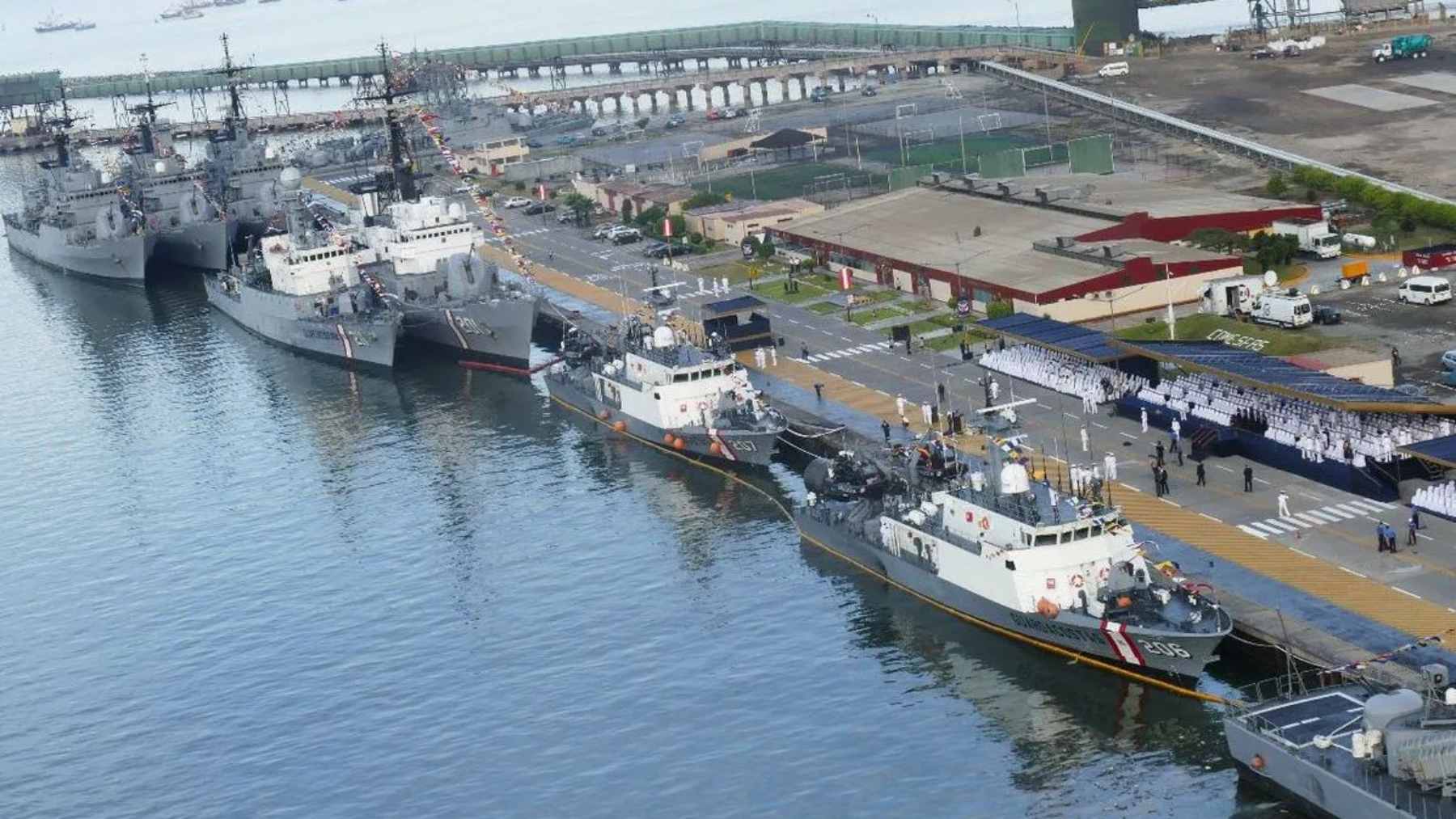
The United States has approved a possible $1.5 billion foreign military sale to Peru for design, construction, logistics, and program support at the Callao Naval Base. However, there is an important distinction.
Based on the official filing, this is not a confirmed U.S.-owned military base being planted in Latin America, but a Peruvian naval infrastructure project requested by Peru and supported through the U.S. Foreign Military Sales system.
That detail matters because Callao is not just another coastal site. It sits beside Peru’s main commercial port, at a moment when the Pacific coast of South America is becoming a busier, sharper, and more competitive trade corridor. What looks at first like a defense story is also about ports, cargo, China, fishing communities, pollution risk, and the future of maritime technology.
A major deal, but not a U.S. base
The Defense Security Cooperation Agency said the State Department made a determination approving the possible sale for work at Callao Naval Base, with an estimated cost of $1.5 billion.
The package includes lifecycle design, construction, engineering studies, infrastructure assessments, surveys, project management, technical support, and related logistics services.
This is essentially Washington opening the door for U.S. government and contractor support in one of Peru’s most strategic military and commercial areas. The agency also said the proposed sale “will not alter the regional military balance,” a line clearly aimed at keeping the message measured.
Why Callao matters so much
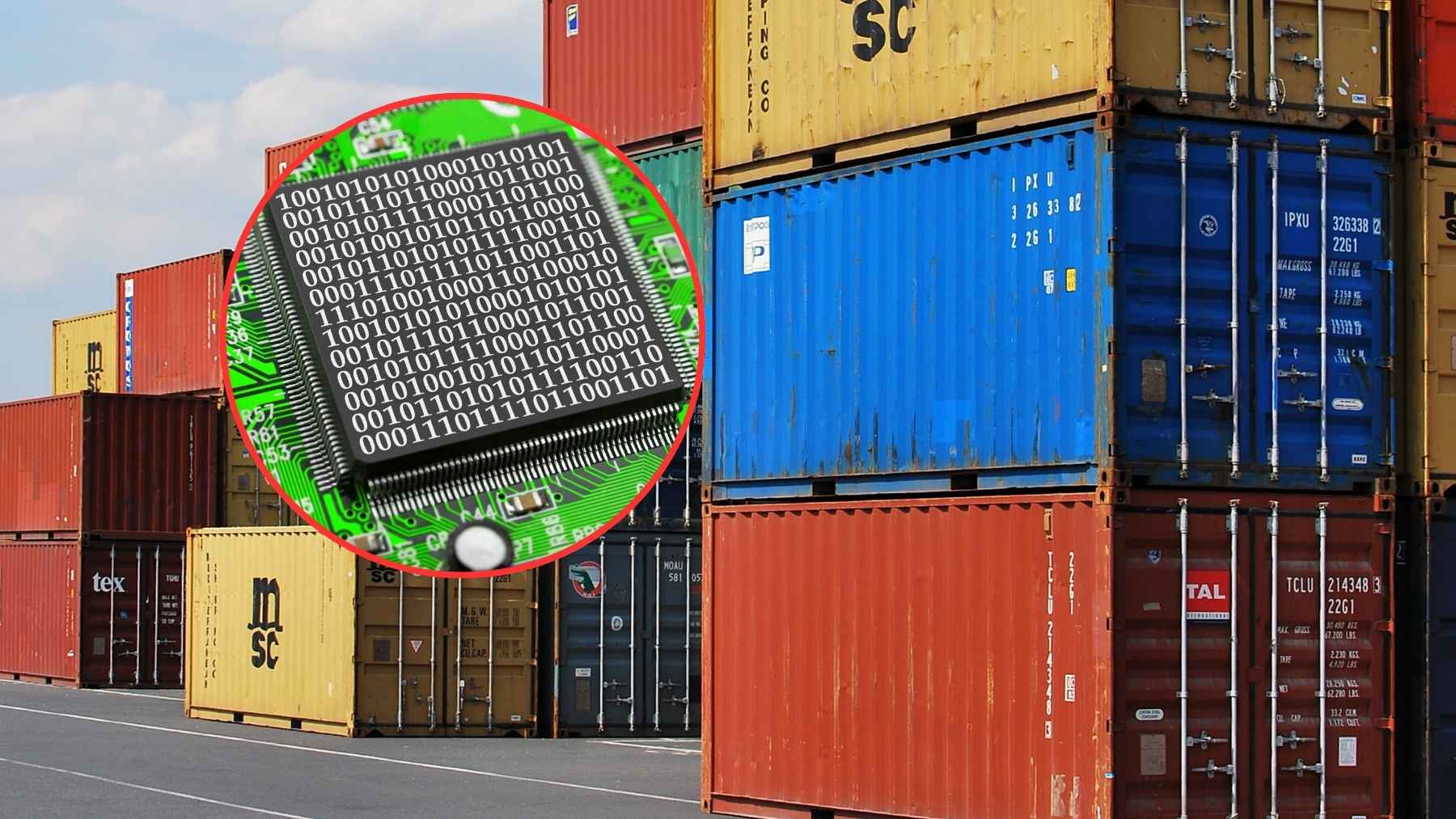
Callao is already the heavy lifter of Peru’s port system. Peru’s National Port Authority reported that the country’s public and private terminals moved more than 145 million tons of cargo in 2025, with the South Container Terminal of Callao leading the national ranking at about 24 million tons.
The North Multipurpose Terminal of Callao ranked second with almost 22.5 million tons. That means the naval base project is unfolding beside a port complex where everyday commercial life is already intense, from container cranes and fuel logistics to trucks, customs, and dockworkers.
The U.S. filing says the project would improve port infrastructure for current and future naval and logistical operations. It also says the work would reduce civilian and military interactions at the existing facility, meaning fewer crossed paths and fewer bottlenecks, fewer safety issues, and a cleaner separation between defense operations and commercial traffic.
The China factor is impossible to ignore
This is where the story gets bigger. Reuters reported that moving Peru’s main naval base in Callao would allow expansion of the neighboring commercial seaport, which competes with the Chinese-built Chancay megaport about 50 miles north of Lima.
Chancay began operations in November 2024 and was built by Cosco Shipping Ports, according to Reuters. It is designed for large vessels and direct voyages between South America and Asia, which is exactly why every government watching Pacific trade is paying attention.
So, is this just a military move? Not really. For shipping companies, exporters, and importers, the real prize is speed, reliability, security, and lower friction. A port that moves cargo faster can change business decisions long before politicians finish their speeches.
The environmental test
There is another layer that should not be treated as an afterthought. Callao Bay already carries environmental pressure, and a 2023 study in the Latin American Journal of Aquatic Research said the bay receives effluents, chemical products, residues from oil refineries, hydrocarbons, and domestic and agricultural waste.
A separate 2024 study in Toxics said contamination sources include domestic and industrial wastewater from the Rimac River, along with maritime transportation linked to the proximity of the Port of Callao. That is why any major port or naval upgrade has to be judged not only by cranes and concrete, but also by monitoring, water quality, sediment control, and spill prevention.
Chancay offers a warning sign, too. The Associated Press reported that local fishermen said port dredging hurt fish breeding grounds and that residents feared pollution and oil spills as large container ships arrived. That does not mean Callao will follow the same path, but it does show what can go wrong when port growth races ahead of local trust.
Technology will decide the real impact
The DSCA list may sound like paperwork, but design studies, surveys, engineering services, and infrastructure assessments are where the future shape of the project will be decided. That is where planners can build in better drainage, safer fuel handling, smarter traffic flows, and stronger environmental safeguards.
It sounds technical, but it is mundane. Anyone who has lived near a busy port knows the difference between a well-managed operation and one that brings noise, dust, delays, and risk right up to the edge of daily life.
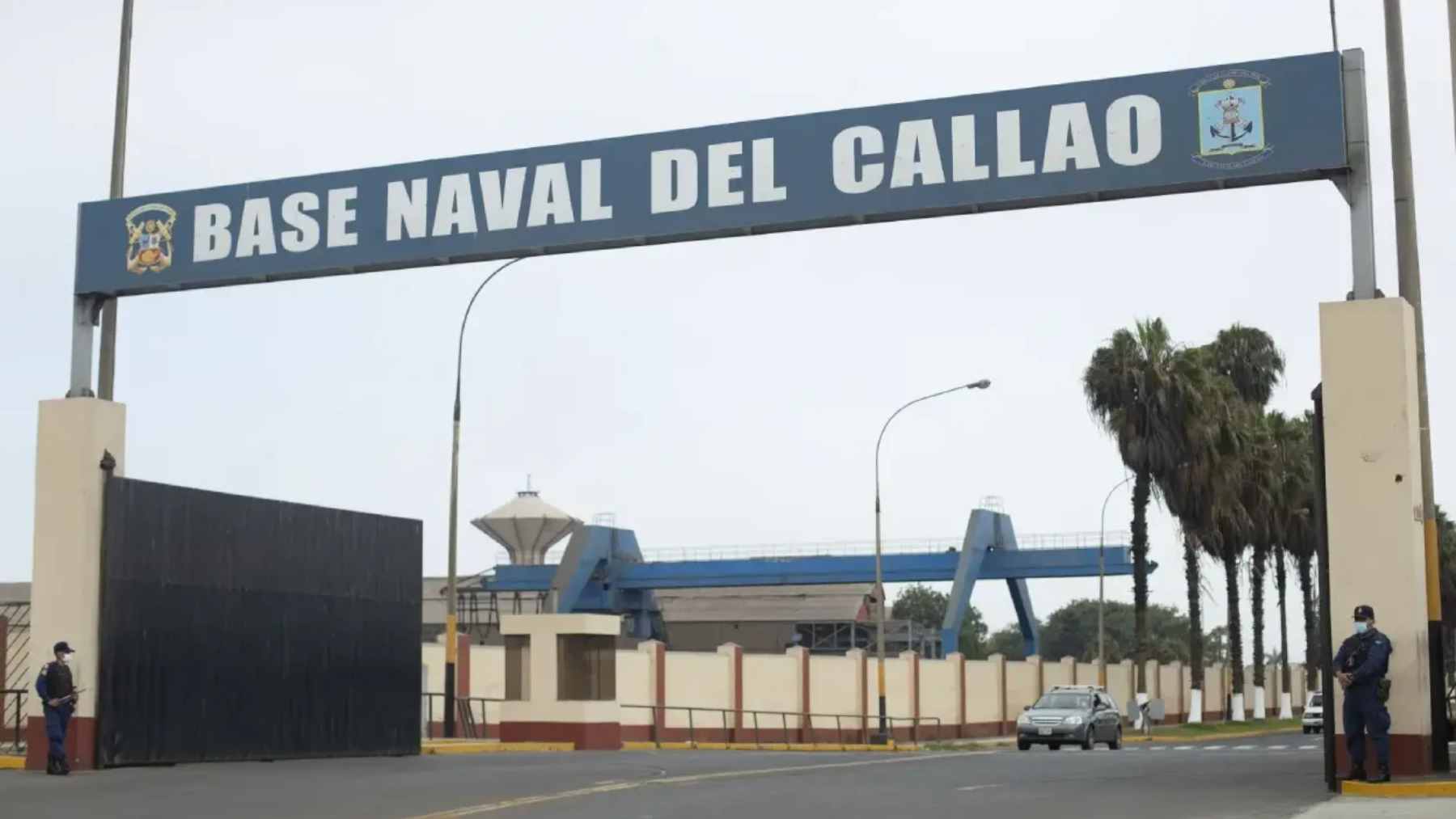
The challenge for Peru is to modernize without treating the coastline as an empty work zone. The challenge for the United States is to show that strategic partnership can include environmental discipline, not just defense contracts and geopolitical messaging.
What happens next
The principal contractor or contractors have not been chosen yet, and the official filing says they are likely to be selected later through a competitive process. It also says implementation could require up to 20 U.S. government or contractor representatives in Peru for as long as 10 years to provide construction management and oversight.
There is another bit of nuance here. The $1.5 billion figure is the highest estimated value based on initial requirements, while the final amount could be lower depending on the final requirements, budget authority, and signed agreements. That makes this a major approved pathway, not a finished construction bill.
At the end of the day, Callao is becoming a test case for how countries balance security, trade, technology, and coastal protection in a busier Pacific.
The official statement was published on Defense Security Cooperation Agency.