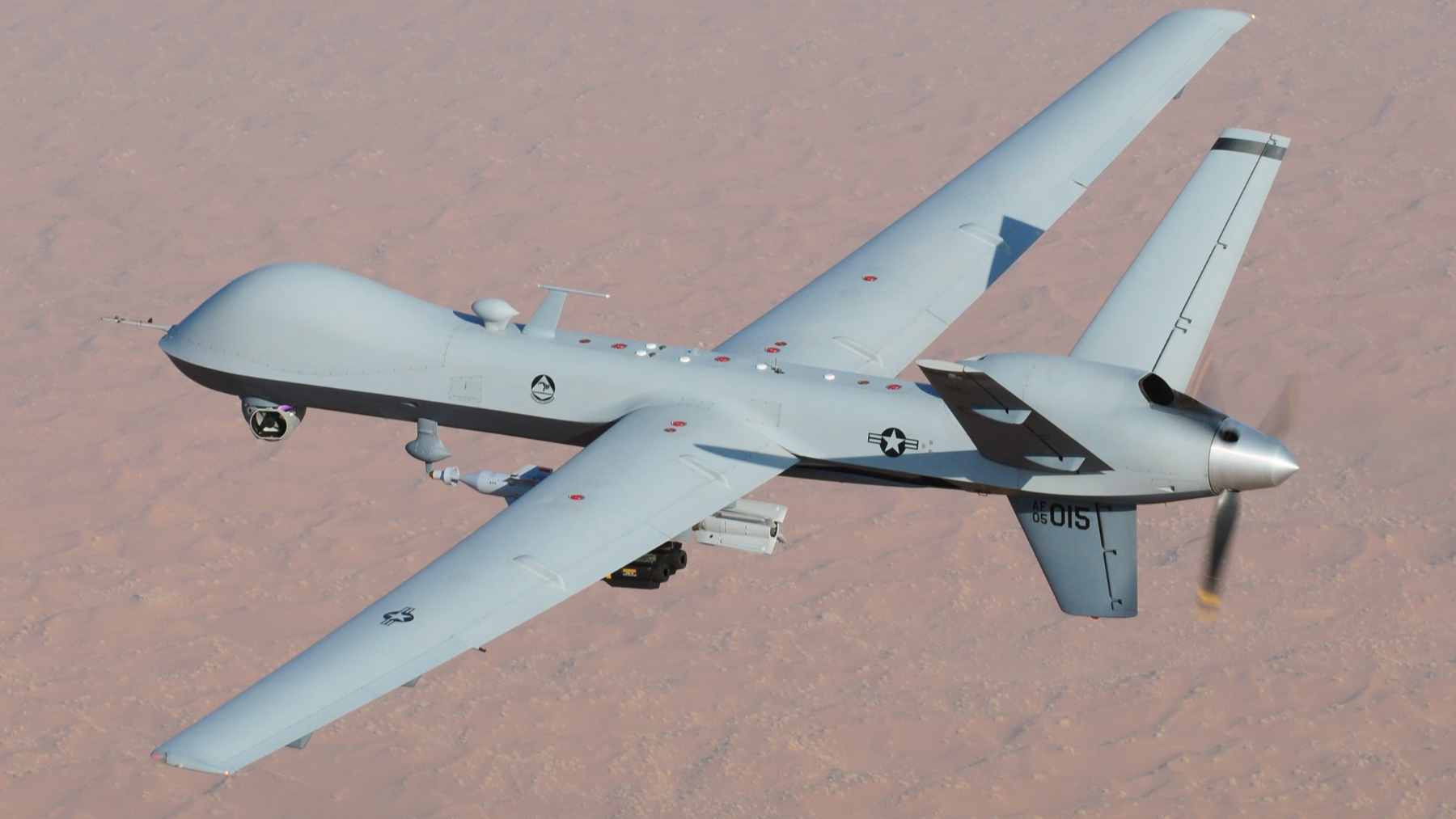
Japan is moving to make low-cost drone interception a permanent part of its coastal defense plan, and the request is unusually specific. The Ministry of Defense wants systems that can guard radar sites against waves of long-range suicide drones without a ground operator flying each interceptor from a camera feed.
That matters beyond the military world. Radar sites are part of the quiet infrastructure that helps islands, ports, cities, and emergency systems keep watch, and attacks on them can quickly ripple into civilian life and environmental risk. The big question now is simple: can Japan field autonomous interceptors fast enough without losing transparency over what it is buying?
A SHIELD for radar sites
On May 27, Japan’s Ministry of Defense published a request for information on radar-site-defense unmanned aerial vehicles (UAVs) under its rapid acquisition effort. The document describes a system that would detect and identify hostile drones, then neutralize them with interceptor UAVs.
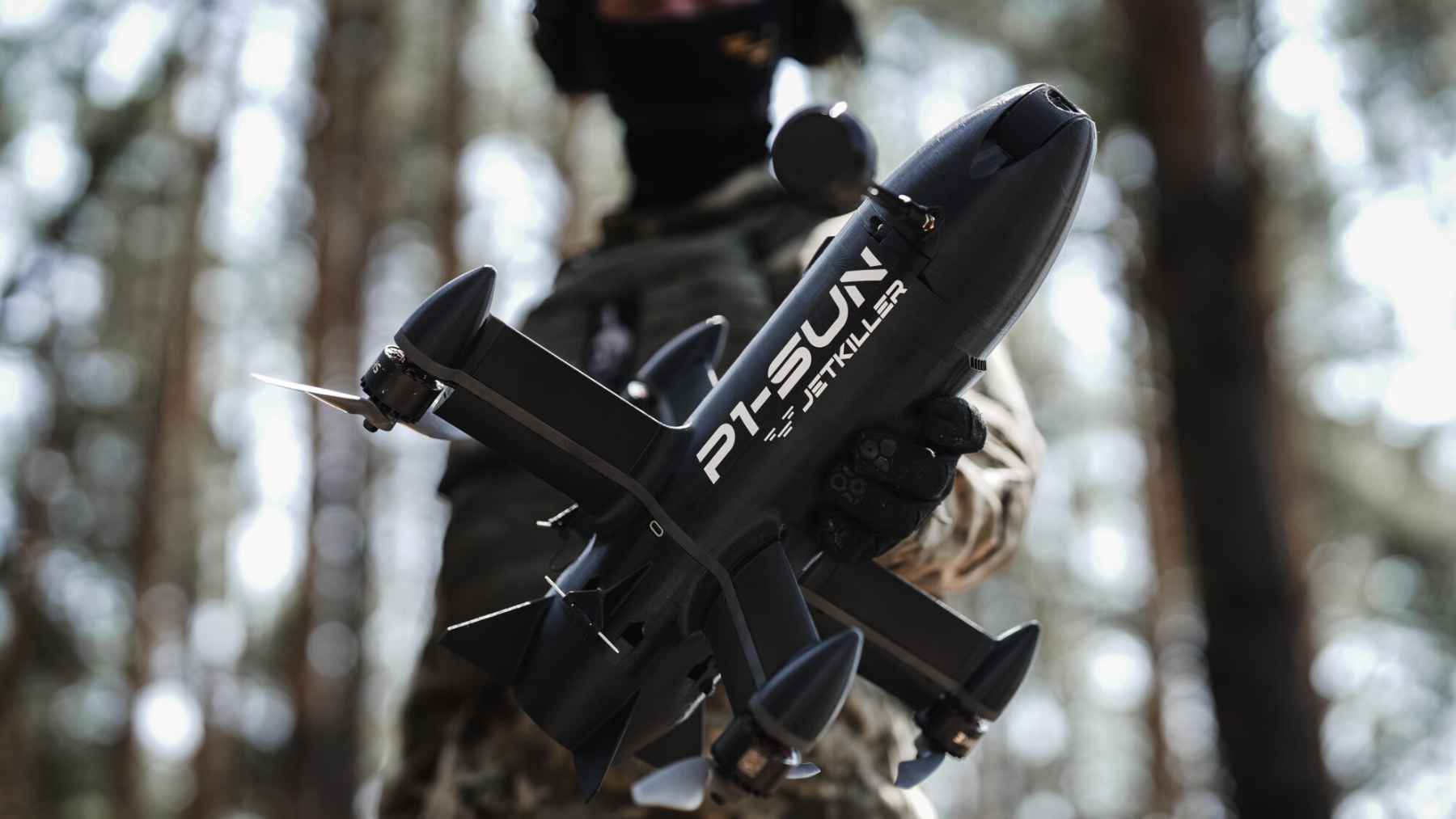
The requirement is not just about buying another drone. It asks for a linked system that connects radar, command and control, and interceptor UAVs, and it says the interceptors should be automatically guided from ground equipment rather than flown manually by personnel watching onboard video.
In practical terms, that points toward a “fire and forget” model. Once deployed, the system should allow air defense combat to be conducted by two or fewer people, which shows how strongly manpower pressure is shaping Japan’s drone plans.
Why drones changed the math
Japan’s broader SHIELD plan, short for Synchronized, Hybrid, Integrated and Enhanced Littoral Defense, is built around inexpensive and large-quantity UAVs, unmanned surface vessels, and unmanned underwater vehicles. The FY2026 budget overview allocates about ¥100.1 billion, roughly $625 million, with the aim of establishing SHIELD in FY2027.
That figure tells only part of the story. What really changes the calculation is the need to defeat cheap drones without firing weapons that cost far more than the incoming threat. Nobody wants to spend luxury-car money swatting a lawn-mower engine out of the sky.
The U.S. Army has been working through the same problem. Army Secretary Dan Driscoll told lawmakers that the service bought 13,000 Merops interceptors at about $15,000 each, with hopes of pushing the price below $10,000 at scale, while Shahed drones were described as costing about $30,000 to $50,000.
Ukraine is the testing ground
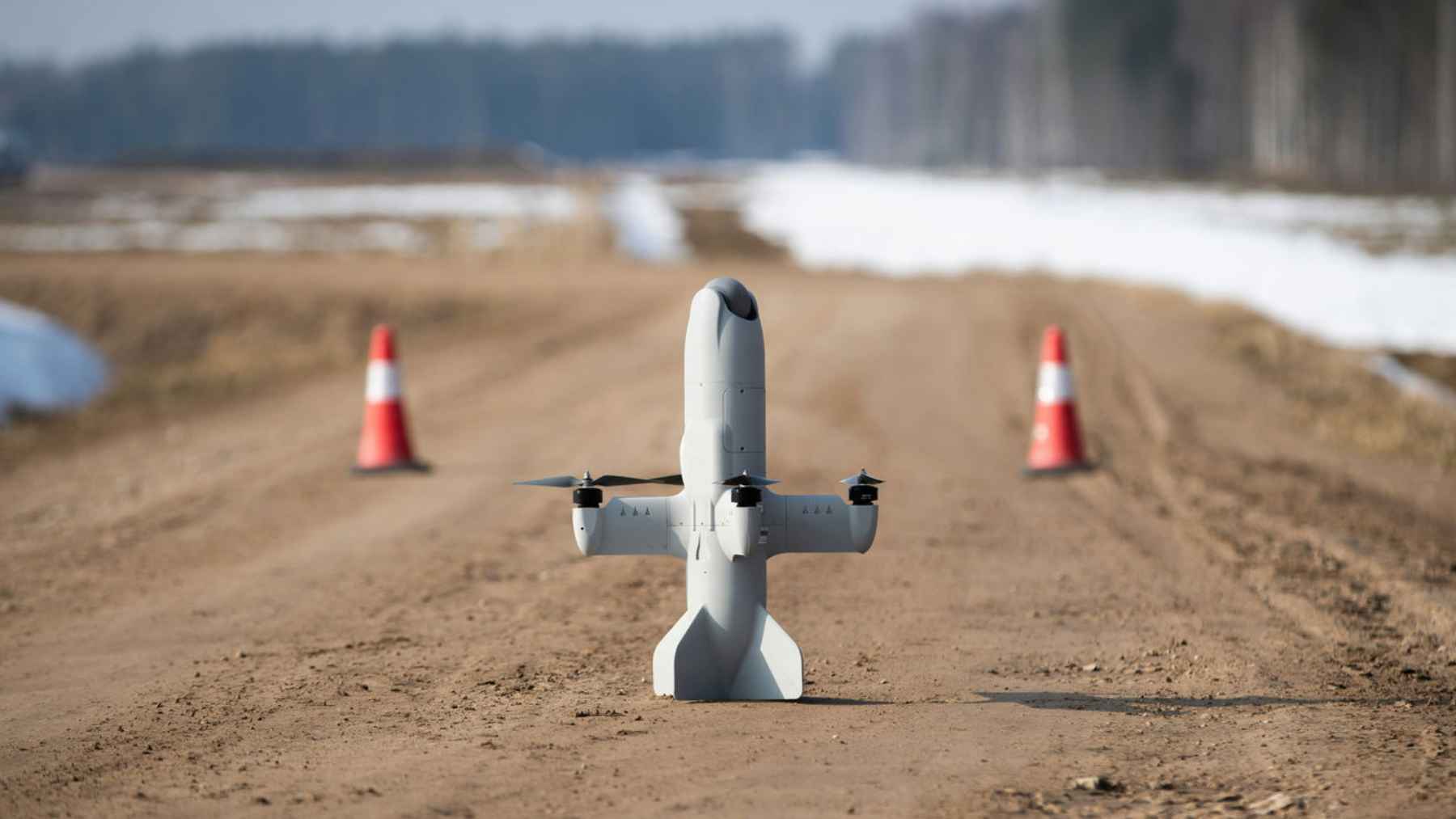
Ukraine has become the world’s harshest proving ground for counter-drone systems. Terra Drone announced in May that its fixed-wing Terra A2 interceptor, produced with Ukraine’s WinnyLab, had begun operational deployment in Ukraine for wide-area air defense.
The company says Terra A2 can reach about 194 mph, cover about 47 miles, and stay airborne for more than 40 minutes. It is designed to integrate with radar systems and work alongside the shorter-range Terra A1 as part of a layered defense architecture.
That sounds close to what Japan is looking for, but the public record still leaves room for questions. Terra Drone’s release emphasizes combat deployment, radar integration, and operational feedback, while Japan’s request asks specifically for automatic guidance and a proven record against long-range suicide drones such as the Shahed-136.
The hard part is autonomy
There is a big difference between a drone that can keep tracking a target at the last moment and a fully integrated air defense system that can detect, classify, assign, and intercept with minimal human help. That’s where the technology stops sounding like a product brochure and starts looking like a real battlefield test.
Electronic warfare makes the challenge even harder. In Ukraine, jamming and communication loss are everyday problems, so last-mile guidance can matter as much as speed or range. But experts and developers still warn that proving autonomy in a controlled test is not the same as scaling it in combat.
That’s why Japan’s wording matters–it is not simply asking for a fast aircraft. It is asking for a system that can reduce the burden on people, plug into other radars and effectors quickly, and still perform when several drones arrive at once.
Transparency still matters
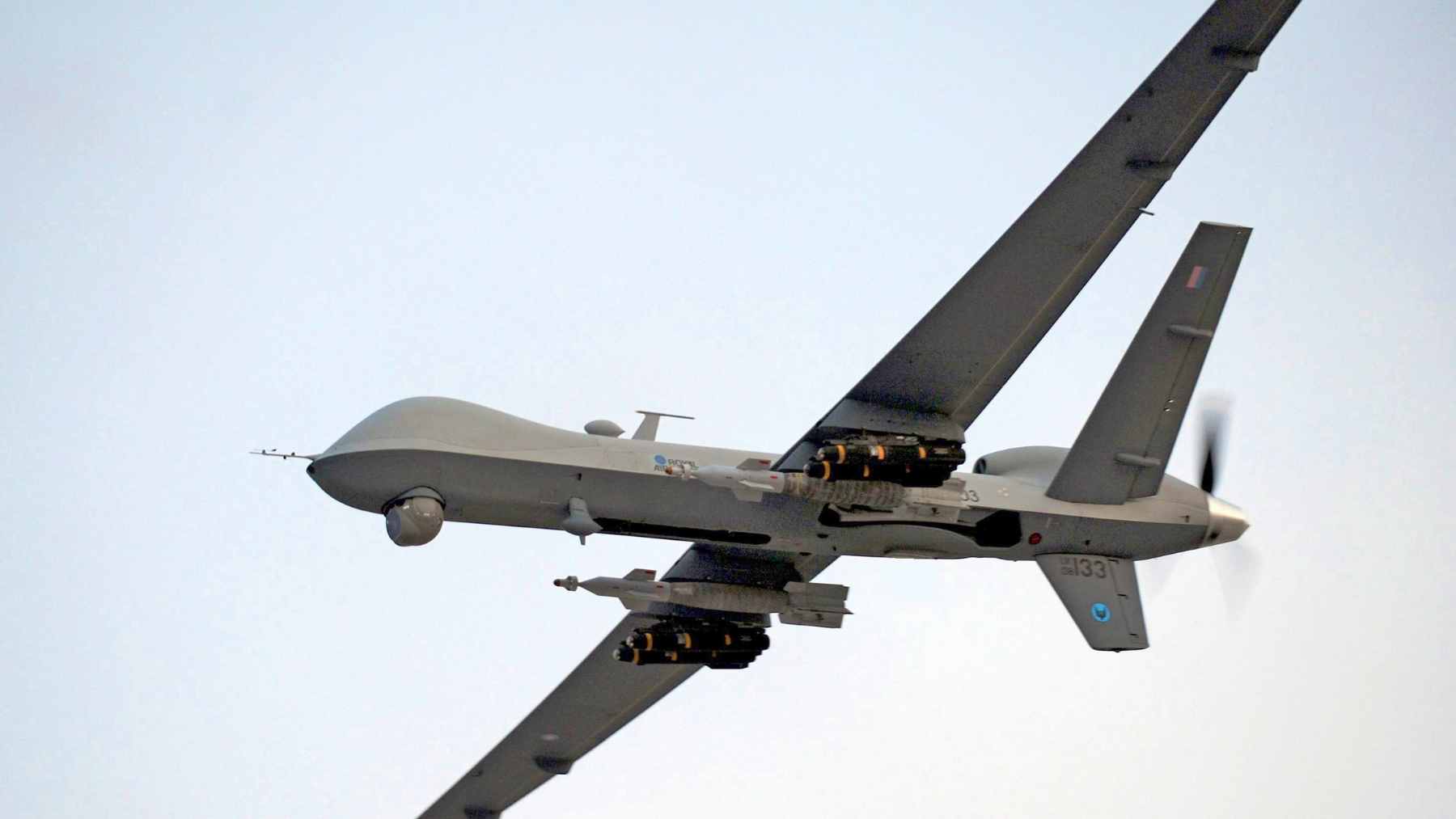
The push for speed comes with a political risk. Earlier in May, the Ministry of Defense announced the selection of a Small Attack UAV Type I and said it would publish results for new major equipment to clarify and increase transparency in selection procedures.
The public notice, though, named the equipment category and described its purpose, while the attached document said the model had been decided after competitive bidding and that life-cycle costs would continue to be reviewed. It did not publicly identify the winning company or the exact model in the text released by the ministry.
Some secrecy is normal in defense procurement. Still, if Japan is about to buy autonomous systems for radar-site protection, the public deserves enough information to understand the cost, safety logic, and strategic purpose. That does not mean publishing every sensitive detail, it just means explaining the basics.
What comes next
Companies that want to respond to the radar-site UAV request must express interest by June 30, 2026, and submit proposals by July 3, 2026. The desired deployment window is FY2027, or at the latest, FY2028.
That is a tight clock. Japan may have to choose between adapting domestic systems, buying proven foreign technology, or creating teams that combine Japanese manufacturing with Ukrainian and Western combat experience. None of those paths is simple.
At the end of the day, the new request shows where air defense is heading. The next shield around a radar site may not be a missile battery alone, but a mesh of sensors, software, and small interceptors waiting for the next drone swarm.
The official request for information was published on Japan Ministry of Defense.