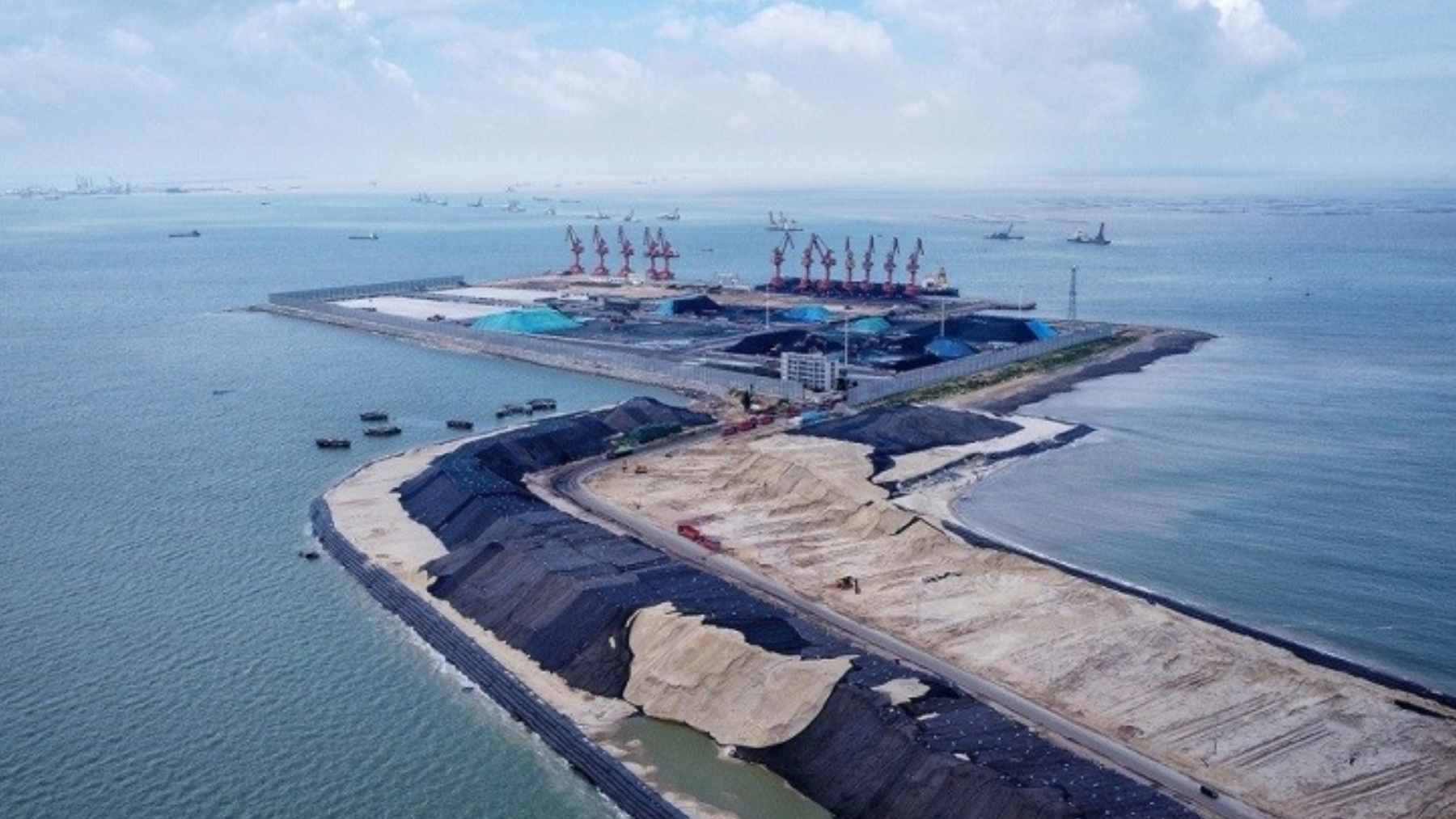
China’s Pinglu Canal has moved into a crucial final stretch. On June 3, water began flowing through the final sections of the project in Guangxi, pushing an 83-mile river-to-sea shortcut closer to opening for navigation.
The canal is being sold as a faster, cheaper way to move cargo from China’s southwest to the Beibu Gulf and then into global shipping lanes. But the more interesting question is not only whether ships can save time. It is whether a trade corridor of this size can also protect fish, wetlands, and local wildlife once heavy traffic begins.
A new way out
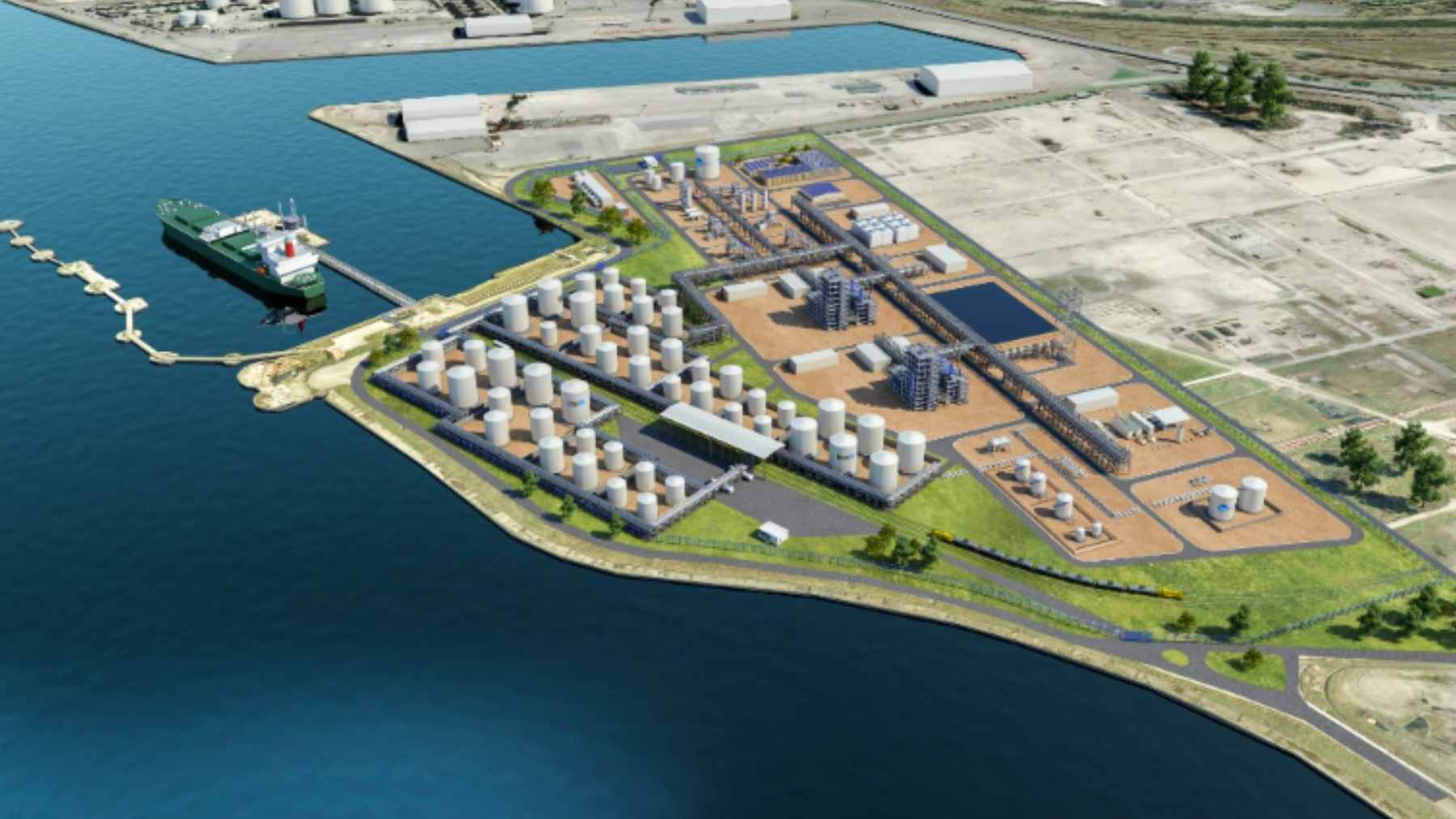
The Pinglu Canal stretches from the Xijin Reservoir in Hengzhou to Qinzhou Port in the Beibu Gulf. In practical terms, it gives inland areas such as Guangxi, Yunnan, and Guizhou a more direct path to the sea instead of routing cargo through Guangdong.
That may sound like a map detail, but for exporters it can change the math. Local authorities say the canal could shorten inland shipping distance by more than 348 miles compared with the older route through Guangzhou Port, saving around $768 million a year in logistics costs.
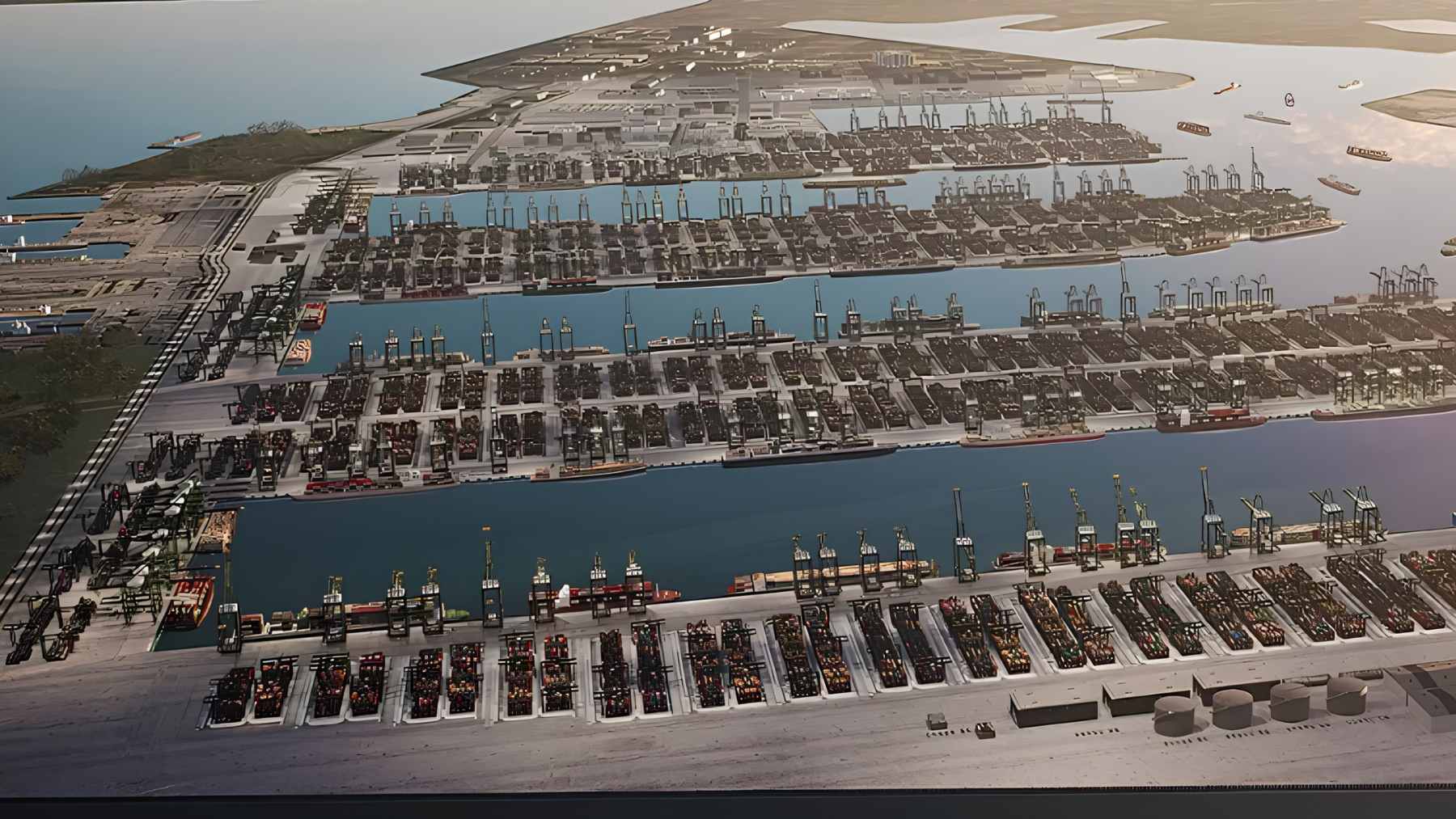
The timing matters, too. Beibu Gulf Port reached 10 million TEUs in annual container throughput in 2025, a milestone that suggests the coastal end of the route is already handling serious volume. For a factory manager, a warehouse planner, or even a shopper waiting on a delivery, fewer miles can eventually mean fewer delays.
The water elevator problem
A canal can sound like a long ditch filled with water. Pinglu is more complicated than that. The route has to overcome a water-level difference of about 213 feet, so engineers built three navigation hubs with ship locks that work like giant water elevators.
Those locks are designed for vessels in the roughly 5,500 U.S.-ton class. The system is paired with bridges, channel works, and support infrastructure so roads and ships can share the same corridor without getting in each other’s way.
One visible sign came in April, when the Zicai Bridge officially opened to traffic in Qinzhou. Xinhua described it as a key project across the canal and the newest of the 27 planned bridges spanning the route.
Why September matters
The original expectation put the canal’s opening near the end of 2026. The latest reporting now points to September, with China Daily saying the project has entered water testing and is more than 96 percent complete. That is not just a construction update. It means the canal is moving from concrete promise to operating system.
For Guangxi, the goal is to turn geography into leverage. China Daily quoted Guangxi chairman Wei Tao as saying, “The canal will enable ASEAN members to connect more efficiently and conveniently with China’s inland market.”
There is a bigger trade backdrop here. Reuters reported that China’s exports to ASEAN rose 13.4 percent in 2025, while exports to the United States fell 20 percent. That does not mean Southeast Asia replaces the U.S. market overnight, but it helps explain why Beijing is spending heavily on southern logistics routes.
The green test
Here is the uncomfortable part. Digging an 83-mile canal through a living river system can disturb habitats, change water flow, and make it harder for species to move naturally. What happens to fish when a river becomes a freight corridor?
Project planners have tried to answer that question with ecological design. Xinhua reported that a smart monitoring system for a key fishway along the Pinglu Canal began operating in 2025, using underwater attraction lights, AI recognition, and sonar imaging to track fish numbers, species, and movement in real time.

There are also land-based measures. Chinese forestry reporting said the project planned ecological corridors, animal passages, fish facilities, biodiversity observation, and 36 ecological conservation areas formed from original river channels or oxbow lakes. That sounds careful on paper. The real test comes after the ships arrive.
What researchers warn
A 2024 review in the journal Water noted that ship canals can reduce travel costs and reshape trade routes, but also pose risks to wetland systems. The review highlighted concerns including habitat loss, disrupted fish migration, salt intrusion, pollution, reduced biodiversity, and invasive species moving through newly connected waterways.
That does not mean every canal causes the same damage. It does mean the benefits and the environmental costs have to be tracked for years, not just celebrated on opening day. A fishway camera is useful, but it is not the same as proof that an ecosystem is thriving.
For the most part, Pinglu is being presented as a “green canal” and a trade shortcut at the same time. Those two ideas can coexist, but only if the environmental safeguards keep working when shipping schedules, fuel savings, and industrial demand start pushing the canal harder.
What to watch next
The first thing to watch is whether the promised logistics savings show up in real business decisions. If bulk cargo, agricultural products, and manufactured goods really move faster to the Beibu Gulf, inland cities could gain new warehouses, factories, and jobs. That is the upside China is betting on.
The second thing is quieter, but just as important. Will fish still migrate, will wetlands remain healthy, and will water quality hold up after the canal becomes busy? Those answers will not come from one ribbon-cutting ceremony.
At the end of the day, Pinglu is more than a canal. It is a test of whether modern infrastructure can redraw trade routes without treating nature as an afterthought.
The official update was published on Xinhua.