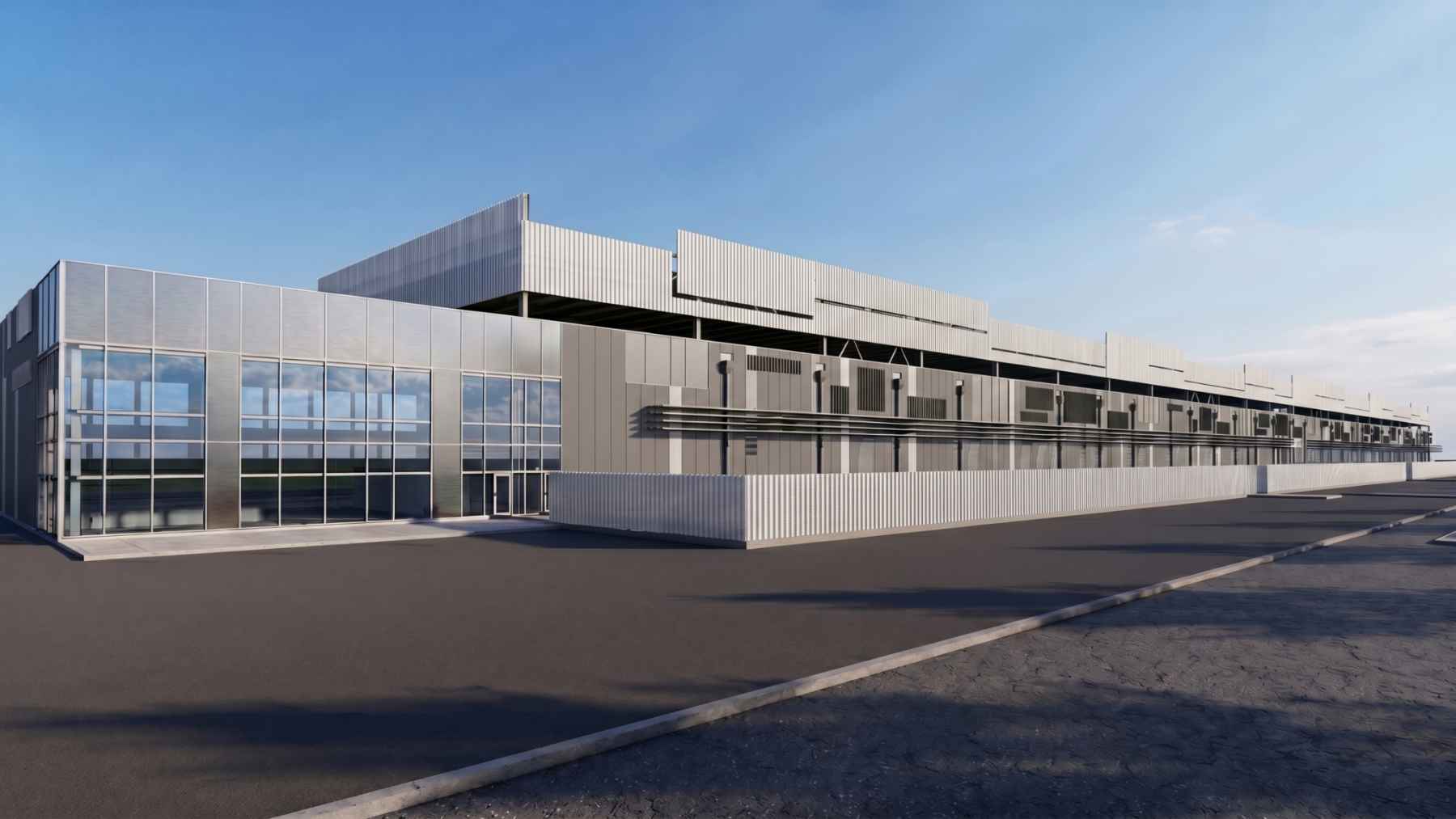
China is pushing one of the most unusual airport projects on Earth, and it starts with a simple problem that many crowded cities know too well. Dalian needs more airport space, but the city’s current options on land are tight, so engineers are moving the next chapter of its aviation future into the sea.
Dalian Jinzhouwan International Airport is often described as “floating,” but that is not quite right.
It is being built on reclaimed land in Jinzhou Bay, and a June 2026 update said China’s civil aviation authority and the Dalian city government had jointly approved the project’s flight-area and supporting-works design, a key step that helps lock in the airport’s construction plan, technical standards and investment scale.
Built from the sea
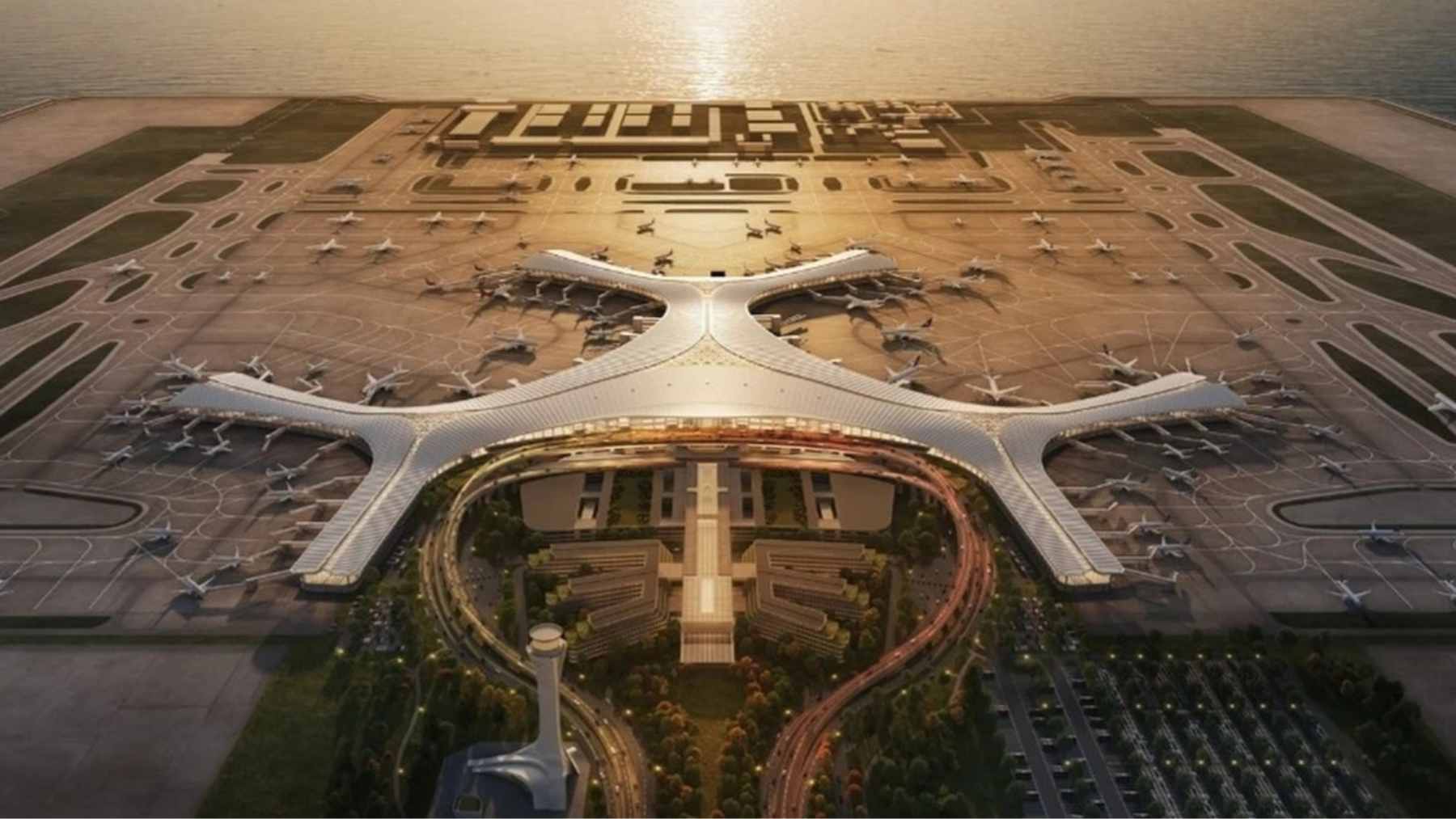
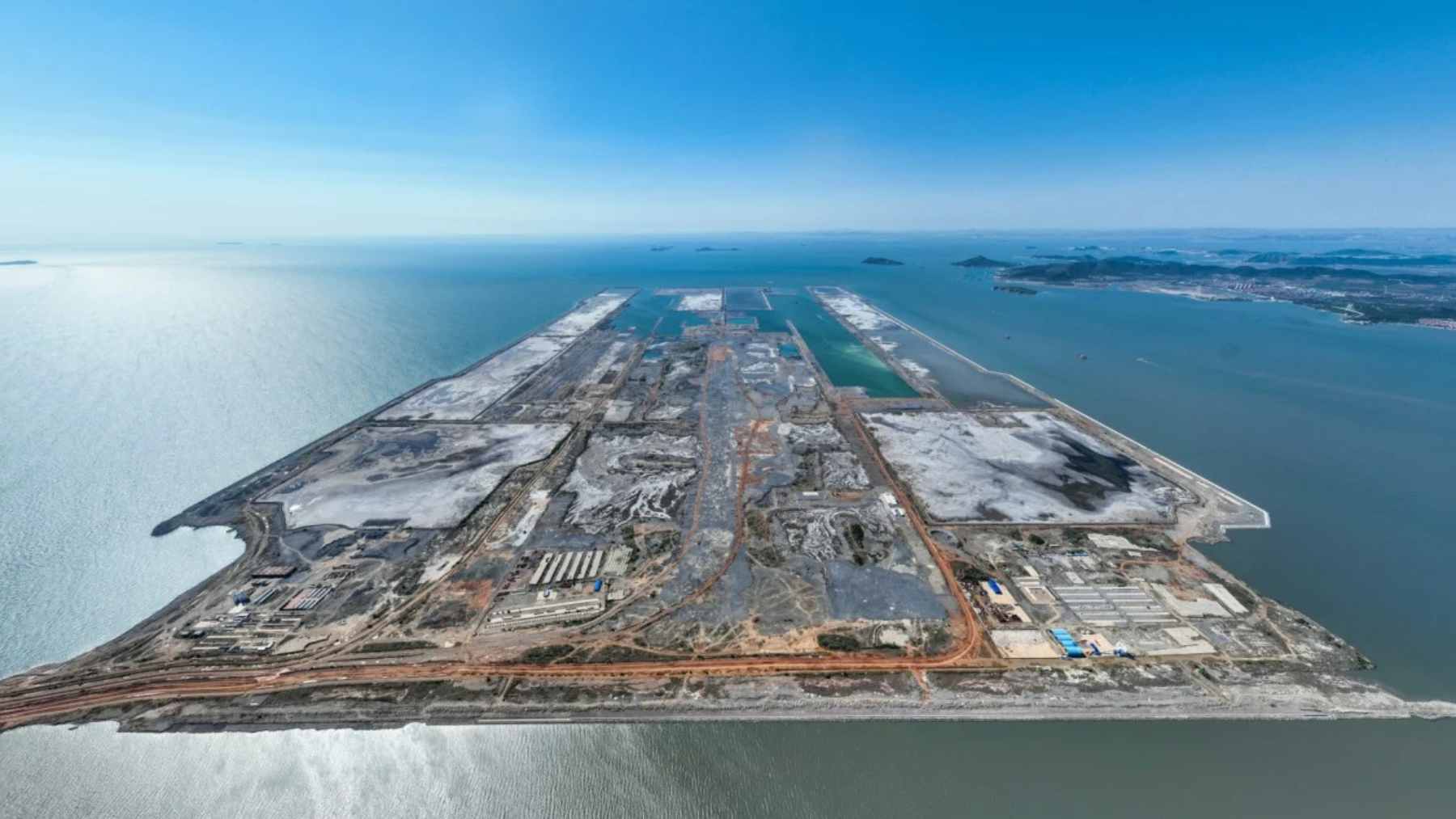
The airport is planned for about 7.7 square miles of artificial island land in the eastern waters of Jinzhou Bay. Liaoning’s provincial government has described it as China’s first offshore artificial island airport, while China State Construction Engineering Corporation calls it the world’s largest reclaimed-sea airport.
So, is it really floating? Not in the way most people picture it. Engineers are creating land where water used to be, then strengthening the seabed so runways, taxiways, terminals and thousands of daily passengers can safely sit on top of it.
Why Dalian wants it
Dalian is not just another coastal city. South China Morning Post described it as a major hub for oil refining, shipping, logistics and coastal tourism, with strong business links to Japan and South Korea.
That matters because airports are not only about vacation trips and boarding gates. In practical terms, more airport capacity could mean faster cargo handling, fewer bottlenecks for travelers and stronger links between northeastern China and nearby Asian markets.
The numbers are huge
The long-term plan calls for four runways and a terminal of about 9.7 million ft.², with capacity for 80 million passengers a year and about 1.65 million tons of cargo and mail. China State Construction also says the airport is being designed to the 4F standard, which is the highest operational category used for large civil aircraft.
The first phase is already massive by itself. It includes two parallel runways, a T1 terminal of about 5.4 million ft.², 194 aircraft stands, annual capacity for 43 million passengers and about 606,000 tons of cargo and mail.
Money tells another part of the story. Liaoning’s 2026 project list puts the main works investment at about $7.5 billion, based on a listed ¥50.9 billion cost at recent exchange rates.
The hard part below
Building an airport on reclaimed land is not like filling a backyard hole and pouring concrete. Soft seabed soil can settle unevenly, and that is a serious problem when wide-body jets need long, stable runways.
In June 2025, Liaoning said deep foundation treatment had entered a key stage, with work covering about 3.9 square miles in total. At that point, about 0.5 square miles had already been reinforced, or roughly 13% of the foundation-treatment task.
The scale is almost hard to picture. The same update said the work would use about 56 million cubic yards of earth and stone, around 340,000 cement mixing piles, gravel piles and high-pressure jet-grouting piles, plus roughly 7.5 million drainage boards.
A greener airport, at least on paper
Moving an airport into the sea also raises the environmental stakes. Liaoning’s December 2025 update said the reclamation work formed about 7.7 square miles of land and used more than 366 million cubic yards of backfill, while also noting complex geology, changing marine conditions and high ecological protection requirements.
Officials say the project has used ecological revetments and marine environmental monitoring to reduce impacts around the construction area.
That does not erase the environmental questions that come with major land reclamation, but it does show that ecological controls are now part of the airport’s public-facing engineering story.
The latest Dalian update goes further. It says the airport plans a dedicated wastewater treatment plant with capacity of about 3.4 million gallons per day, aiming for zero wastewater discharge from the island, along with a multi-energy system using waste-incineration heat, seawater-source heat pumps, solar power and other low-carbon features.
Runways and resilience
The approved first-phase runway layout shows why the project is being watched so closely. The north runway is planned at about 11,800 ft. long and 150 ft. wide, while the south runway is about 11,160 ft. by 150 ft.
What happens when storms hit, or when sea access routes are disrupted? That is the uncomfortable question with any offshore airport. Bridges, tunnels, power, drainage and emergency routes are not background details here, they are the lifelines that make the island work.
That’s why flood control and drainage are part of the newer design language. Dalian’s June 2026 update says the project includes a smart flood-prevention and drainage system combining gravity drainage and pumping stations, with monitoring and warning coverage for waterlogging risks.
What happens next
The airport is no longer just a sketch on a planning board. By late 2025, People’s Daily reported that reclamation had reached about 98.6% of the total land area, while terminal ground preparation and tower crane foundation work had begun.
By June 2026, Dalian’s latest update said deep foundation treatment was 58% underway, terminal pile foundations were 84% complete, and the terminal’s underground section had been finished, allowing construction to move above ground. That is a real milestone.
At the end of the day, Dalian is trying to turn a stretch of sea into a regional gateway for people, cargo and future business.
The official update was published by “Dalian Release” on The Paper.