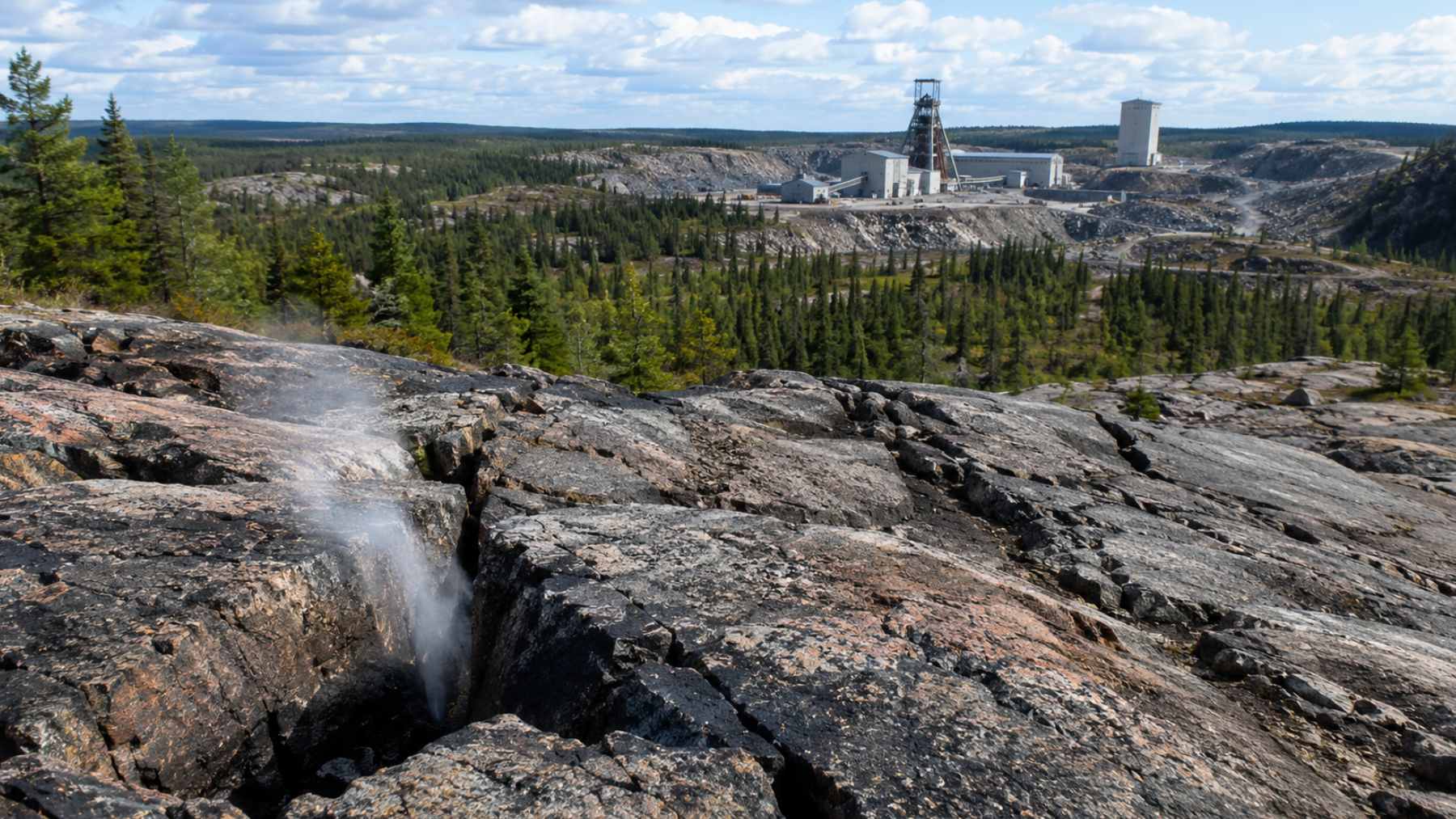
What if one of the clean fuels the world is chasing has been sitting quietly under old mine tunnels all along? Deep inside billion-year-old rocks in Canada, researchers have measured natural hydrogen seeping from the Canadian Shield, opening a new window into a resource that may help power mines, industry, and remote communities.
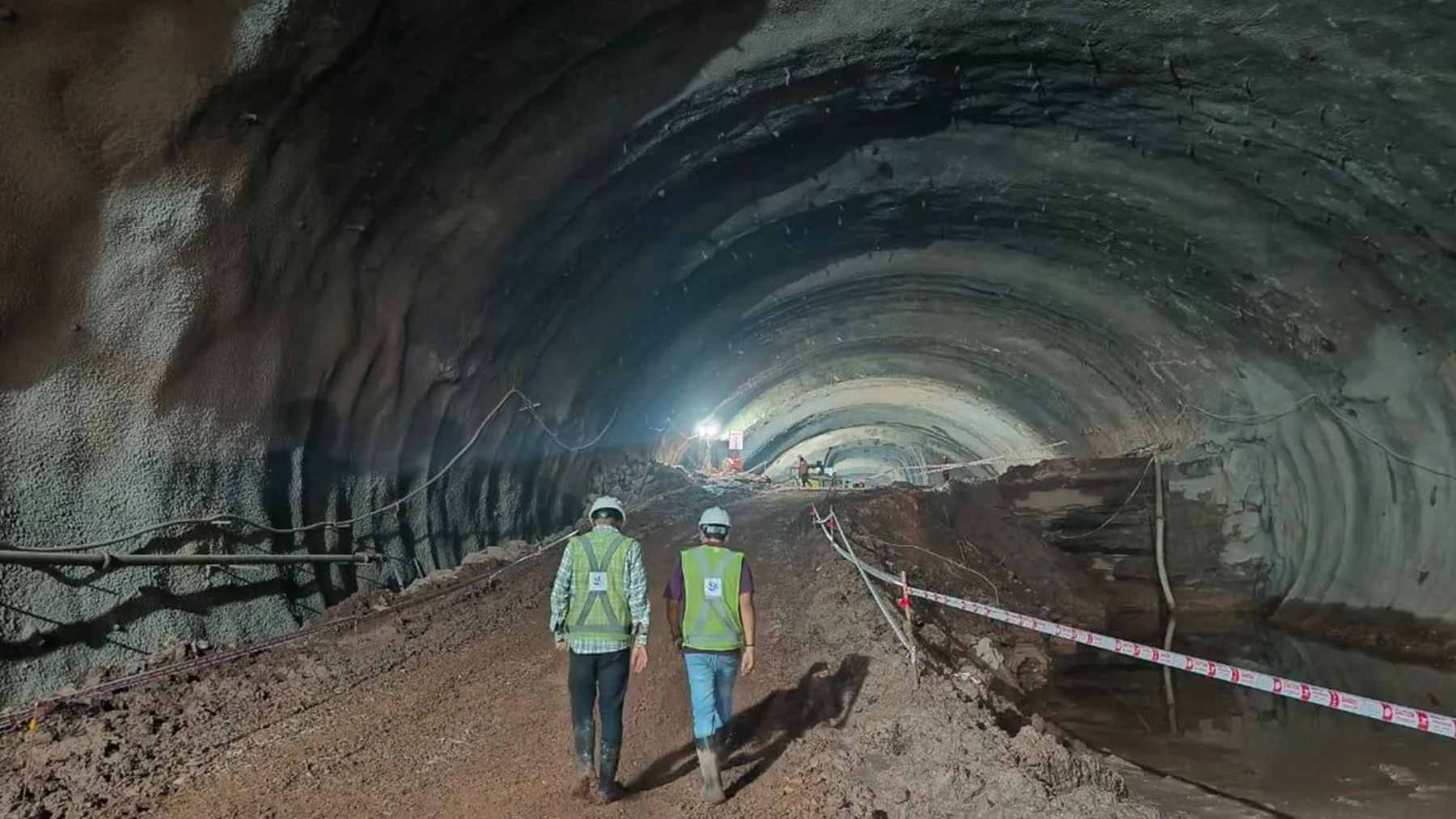
The findings come from an operating mine near Timmins, Ontario, where geochemists from the University of Toronto and the University of Ottawa tracked hydrogen building up and escaping from ancient rock formations.
The numbers are still modest compared with global energy demand, but they are real measurements, not just a hopeful model on a whiteboard.
White hydrogen measured underground
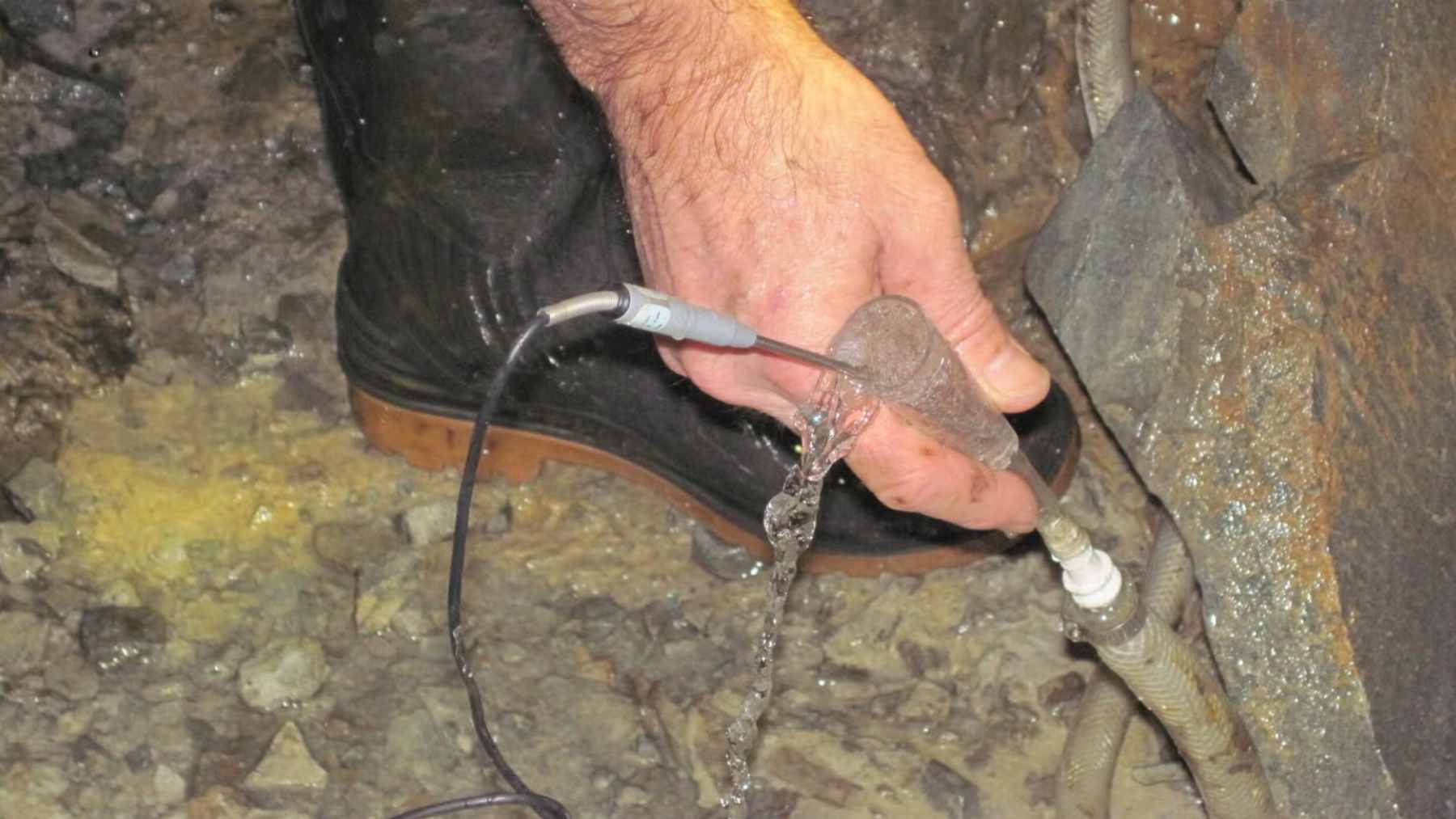
Researchers found that boreholes at the site release an average of 0.008 metric tons of hydrogen per year, or about 8 kilograms (17.6 lbs.). That may sound small, roughly the weight of a car battery, but the key detail is that the flow can continue for 10 years or more.
When the team extrapolated across nearly 15,000 boreholes at the site, the total discharge came to more than 154 US tons of hydrogen per year. According to the release, that could provide about 4.7 million kilowatt-hours of energy annually, enough to support the yearly energy needs of more than 400 households.
Barbara Sherwood Lollar, lead author and professor at the University of Toronto, said the data point to “critical untapped opportunities” beneath our feet. In practical terms, Canada may have a local clean-energy resource hiding in the same kind of rocks that mining companies already know well.
Why this fuel matters
Hydrogen is already a huge business, worth about $135 billion globally. It is used in fertilizer production, methanol, and steel, which means it is tied not only to clean-energy plans but also to food systems and heavy industry.
The trouble is how most hydrogen is made today. Current industrial processes usually rely on hydrocarbons from fossil fuels such as natural gas, oil, or coal, releasing carbon monoxide and CO2 along the way.
Green hydrogen, made with renewable electricity, avoids much of that fossil-fuel problem, but it is still energy-intensive and costly to produce. It also needs transport and storage, which can become a headache for remote regions where every fuel delivery already shows up in the price of power, and eventually, the electric bill.
How rocks make hydrogen
White hydrogen is not manufactured in a factory. It forms underground through chemical reactions between rocks and groundwater, slowly generating hydrogen inside the Earth’s crust.
That is what makes the Canadian Shield so interesting. The researchers say vast parts of Canada contain rocks and minerals suitable for this process, especially across regions such as northern Ontario, Quebec, Nunavut, and the Northwest Territories.
Oliver Warr, a co-author from the University of Ottawa, summed it up simply by saying, “The common link is the rock.” The same geological settings linked to nickel, copper, diamonds, lithium, helium, chromium, and cobalt may also be useful for finding natural hydrogen.
Mines could use it first
The most realistic near-term use may not be powering big cities. Instead, white hydrogen could first help mines and northern communities cut fuel costs and emissions right where the gas is found.
That local angle is important. Mines often need steady energy, while remote communities can face high costs when diesel or other fuels must be transported over long distances, sometimes through difficult weather and rough terrain. Cleaner fuel nearby would change the math.
There is also a business case hiding inside the environmental one. If hydrogen production and mining operations are located together, companies may need less long-distance transport, less storage, and less major infrastructure than they would for hydrogen brought in from somewhere else.
Not a magic fix
Still, this discovery should not be treated as a silver bullet. More than 140 metric tons a year from one site is meaningful, but it does not replace the entire hydrogen industry overnight.
The real breakthrough is that researchers documented sustained, measurable discharges over years. Until now, the role of natural hydrogen in the economy had remained largely speculative, based more on models than on long-term field data.
At the end of the day, white hydrogen is another possible tool in the clean-energy toolbox. If scientists can map it reliably and companies can extract it safely, the rocks under old mining regions may become part of a very modern energy race.
The full study was published on Proceedings of the National Academy of Sciences.