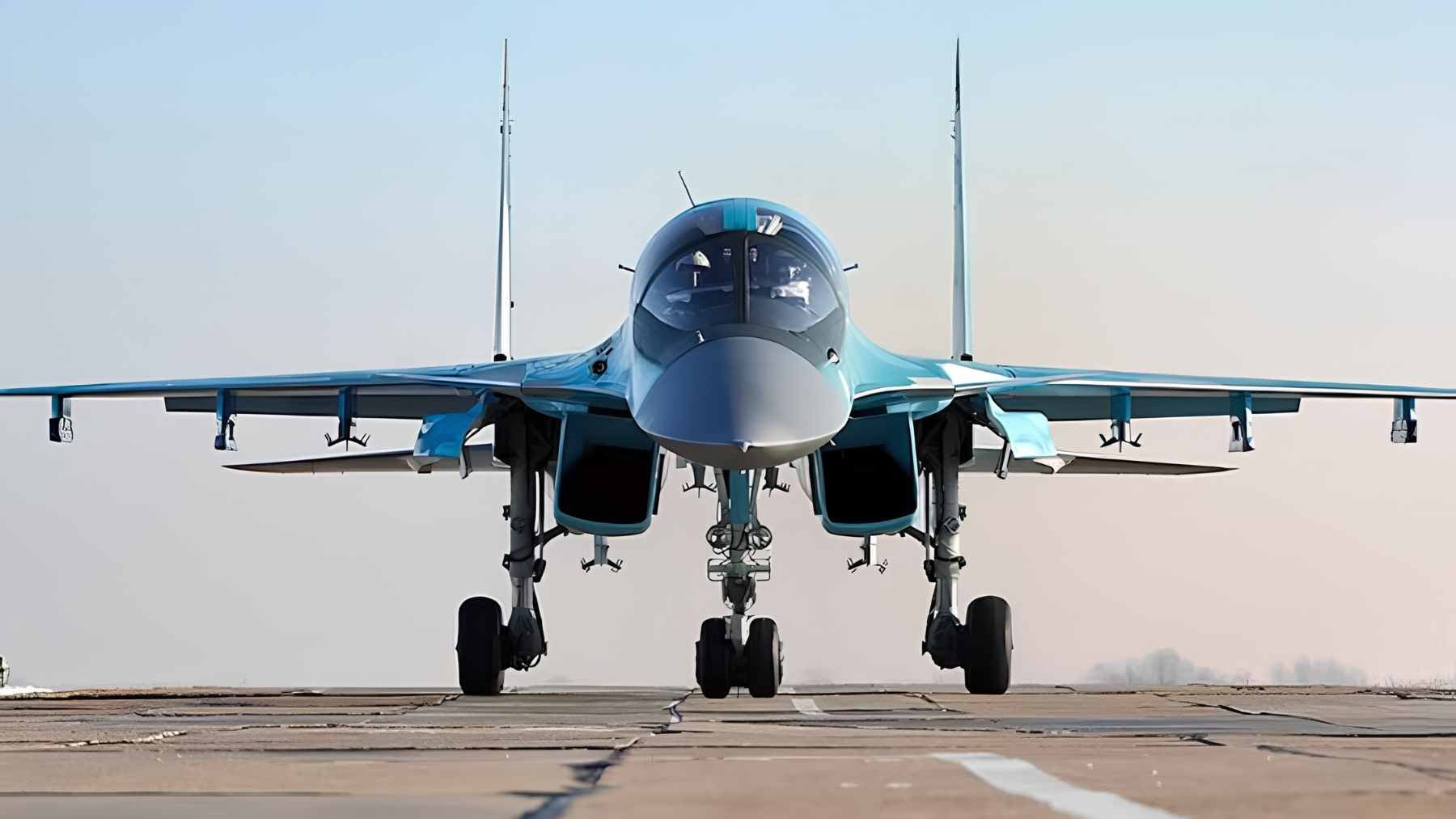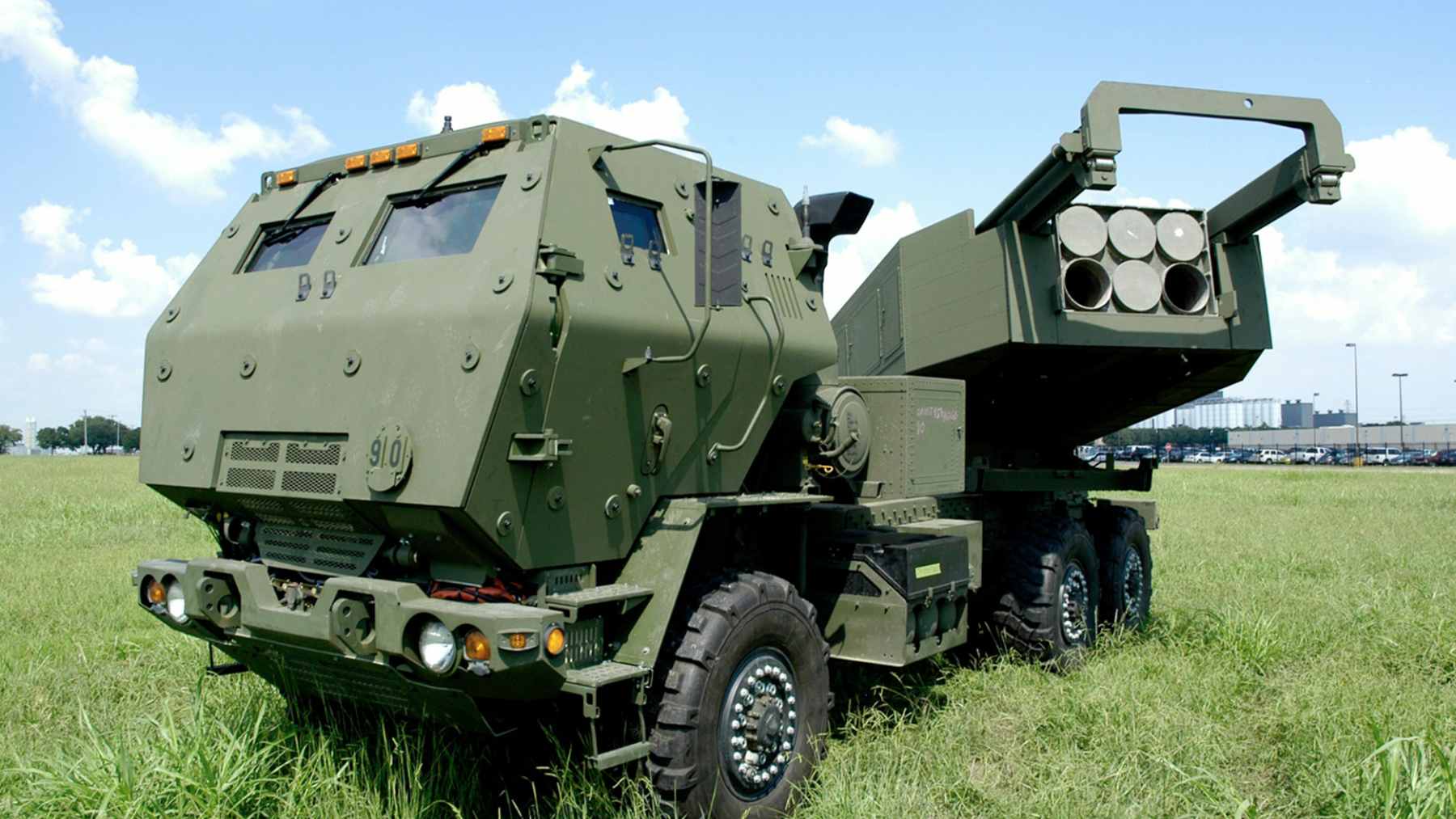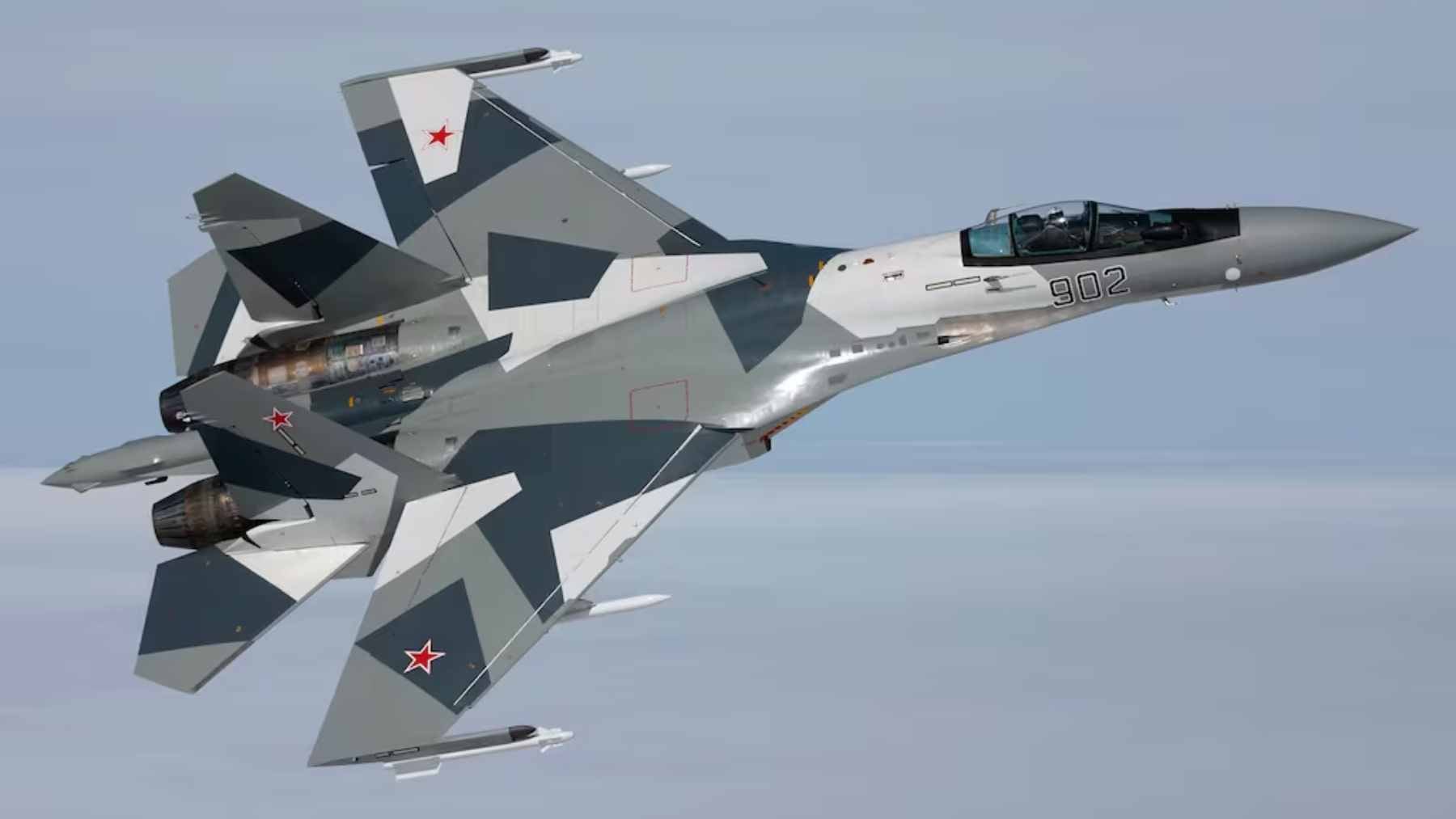
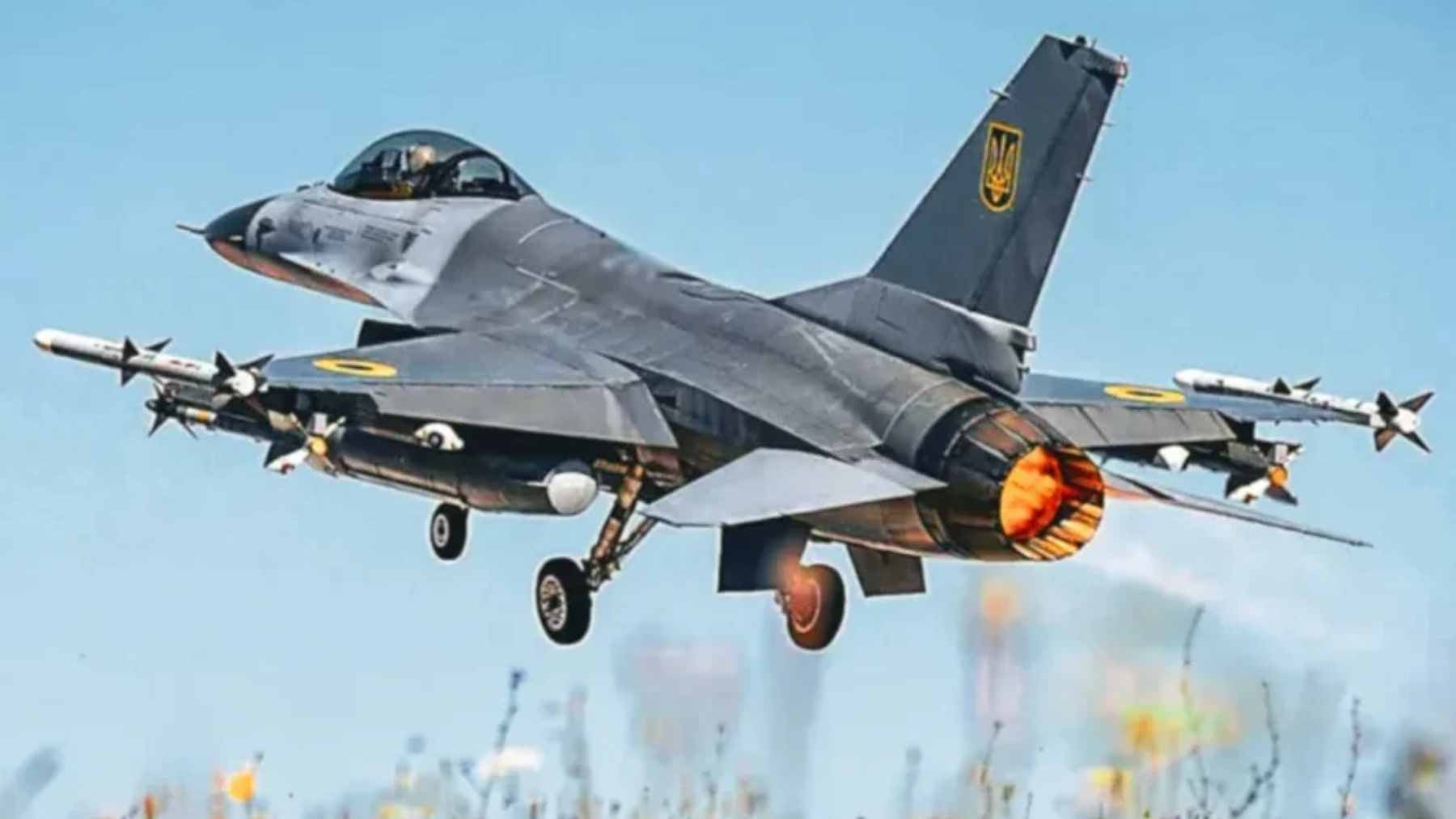
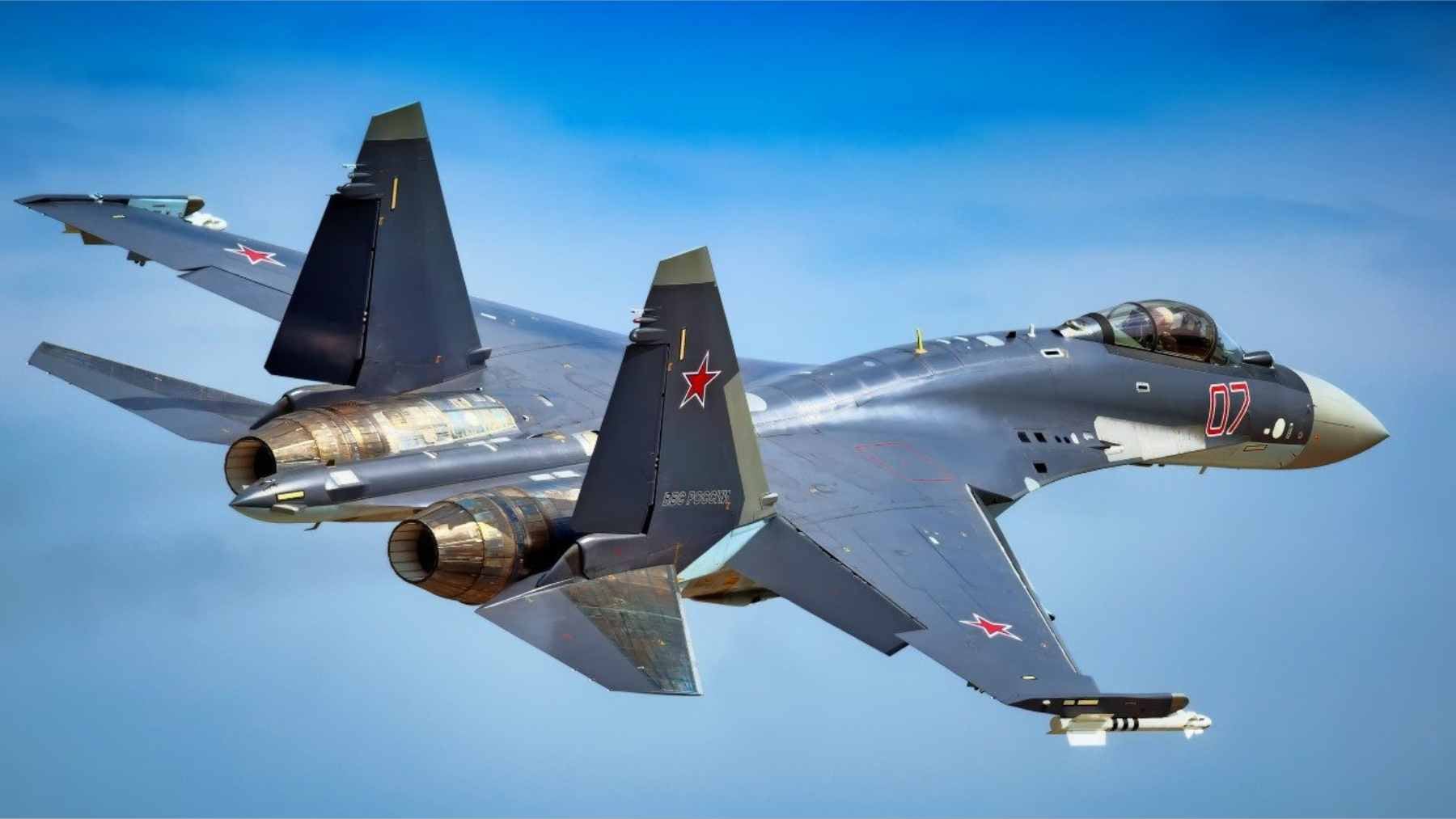
A new claim is making the rounds that a Russian Su-35S shot down a Ukrainian-operated F-16AM beyond visual range with a radar-guided missile. Even if the details remain unconfirmed, the story leads to something we can measure with more confidence: modern air combat burns through fuel, hardware, and ecosystems at the same time.
A February 2026 assessment by the Initiative on Greenhouse Gas Accounting of War estimates the invasion has driven 332 million tons of CO2-equivalent emissions since February 2022, with 83 million tons added in the fourth year alone. In that accounting, the atmosphere is not a backdrop, it is another casualty.
A shootdown claim in a fog of proof
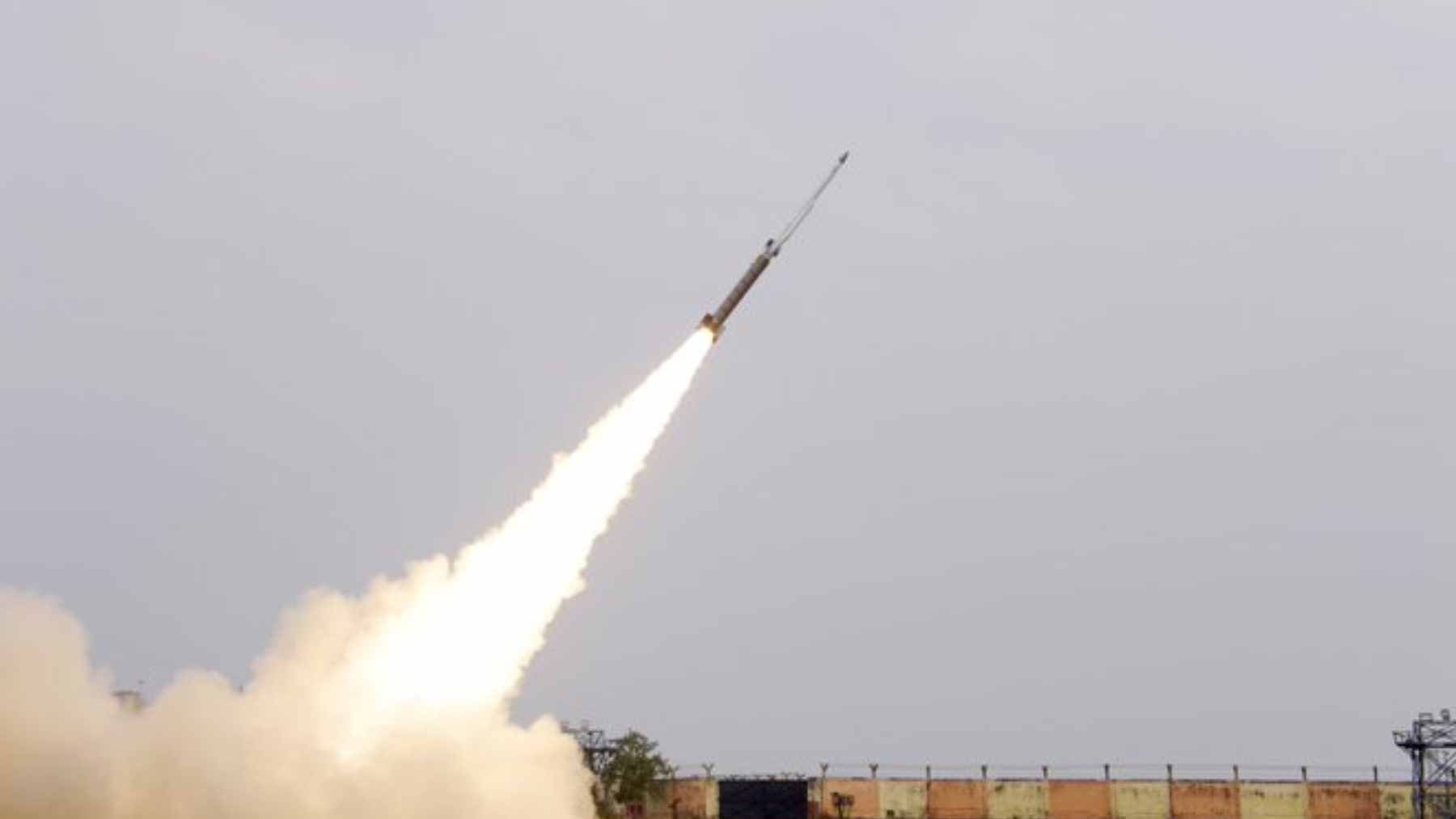
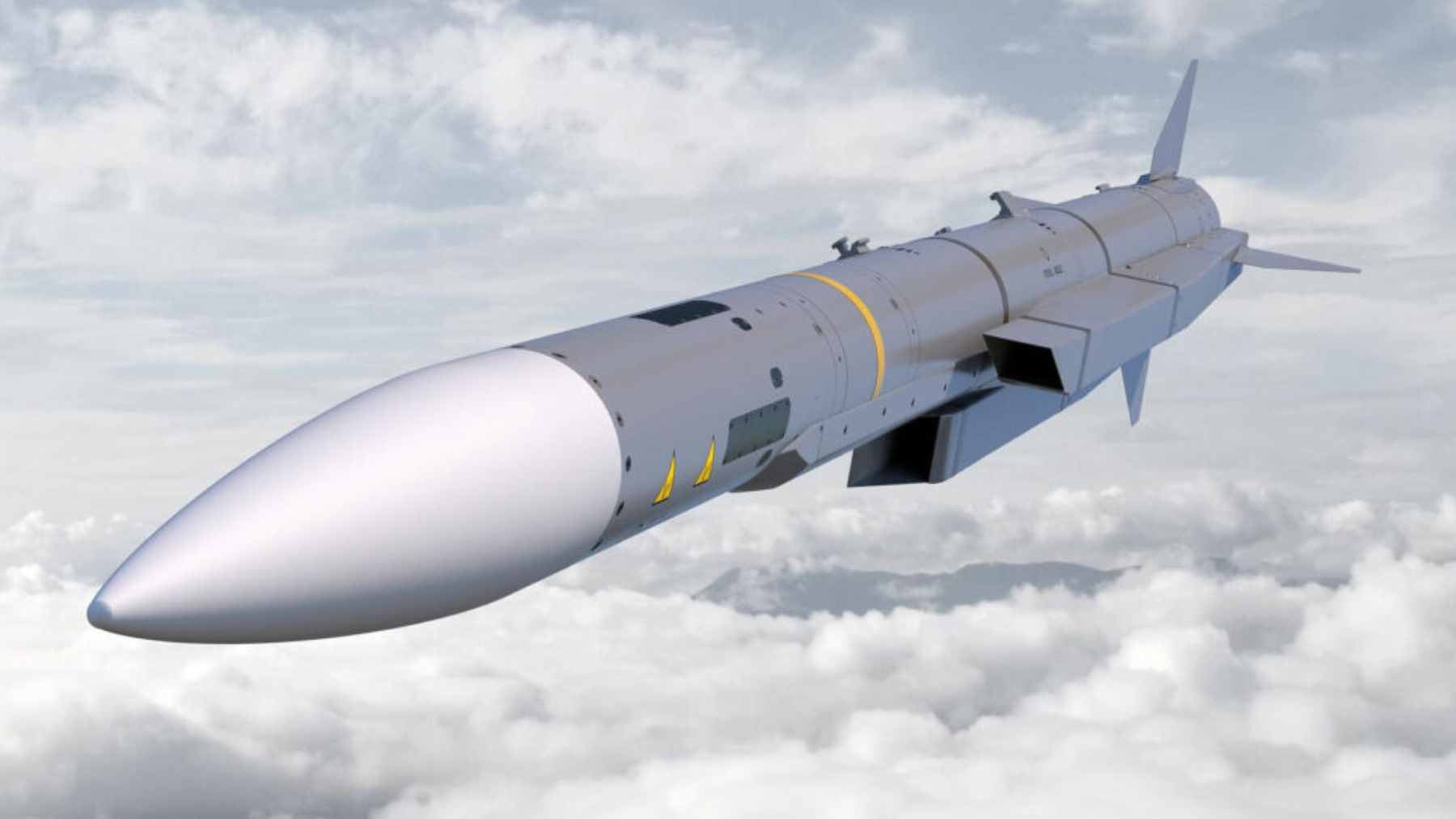
The Spanish-language brief circulating online says local sources and Ukrainian monitoring channels detected a missile launch, with the Su-35S allegedly engaging at distances beyond visual range using a missile described as an R-77 or R-37M.
It also notes that if confirmed, it would be the first reported Ukrainian F-16 loss in air-to-air combat. That is a big “if,” and it is why readers should separate the claim from the verified record.
This is not the first time a dramatic F-16 headline has outrun confirmation. In March 2025, Ukraine’s Center for Countering Disinformation and the air force rejected a Russian claim that an F-16 had been shot down over Sumy, calling it fake. The pattern is familiar in wartime, tactical narratives and information operations often travel together.
The tech duel is also a fuel duel
Ukraine’s own messaging has been consistent on the core problem: Russia’s advantage in range and integrated air defense. Air Force spokesperson Yurii Ihnat has warned that Russia has “aircraft with longer range and missiles with longer range,” and he has argued Ukraine needs a broader approach that combines ground air defense, electronic warfare, and better sensors.
The same brief describes Ukrainian F-16s shifting to low-altitude flight and terrain masking to reduce radar tracking and missile seeker effectiveness.
Low-altitude tactics can help pilots survive, but they can also raise the hidden costs of a sortie. In the February 2026 emissions assessment, warfare is the largest single category at 114.1 MtCO2e, or 37% of total war-related emissions, and the authors say fossil fuel use accounts for about 90% of warfare emissions.
That is a reminder that every extra patrol, diversion, or low-level dash has a climate footprint, even before you count smoke from battle-driven fires.
When missiles run short, the price of air defense goes up
The business side of this story is less cinematic but more decisive. Reuters reported in March 2026 that Ukraine’s F-16 unit ran short of AIM-9 Sidewinder missiles for more than three weeks in late November through mid December 2025, as Russia was ramping up a winter strike campaign.
During that gap, sources told Reuters pilots flew limited daytime sorties, tried to hit drones with rotary cannons, and even reused previously malfunctioning missiles after maintenance.
That shortage highlights why modern air defense is a supply chain contest. The Reuters report says Ukraine has relied heavily on Sidewinder variants produced in the 1970s and 1980s, while the more capable AIM-120 is far more expensive, with sources putting each missile well over $1 million.
When intercepts cost that much, countries ration, scramble for production slots, and compete for inventory across multiple conflicts.
Counting the climate bill and who pays it
Researchers are now trying to quantify war the way accountants quantify a balance sheet. The February 2026 emissions assessment says Ukraine announced plans at COP30 to file a claim tied to war-related emissions under the Register of Damage for Ukraine, and it estimates the climate damage claim exceeds $57 billion using a social cost of carbon of $185 per metric ton.
The same report attributes 70.3 MtCO2e to landscape fires and 73.3 MtCO2e to reconstruction, which shows how environmental harm can keep compounding long after a missile strike.
This raises an uncomfortable question for governments and militaries worldwide–what gets measured, and what stays off the books. A 2023 Reuters report described military emissions as a blind spot and cited a 2022 estimate that militaries account for 5.5% of global greenhouse gas emissions.
NATO has also started building its own measurement tools, publishing a methodology to estimate emissions from NATO civilian and military facilities and installations, even as the document notes it excludes emissions from NATO-led operations, missions, training, and exercises.
Relevant official sources you can read directly include global frameworks and on-the-ground environmental reviews. They are useful if you want the methodology behind the headlines:
- The Environmental Impact of the Conflict in Ukraine A Preliminary Review by UNEP.
- The NATO Greenhouse Gases Emission Mapping and Analytical Methodology.
- Climate Damage Caused by Russia’s War in Ukraine covering four years of war.
One would be remiss to talk about air superiority without talking about what it does to land, water, and climate.
The study was published on Ecoaction.