Bolivia has spent two decades living with electricity that feels almost “too cheap to worry about.” Flip a light switch, run the AC, charge your phone, and the system quietly did its job, mostly thanks to subsidized natural gas.
Now the numbers are getting harder to ignore. Proven gas reserves have dropped sharply, and the country’s power model is drifting toward a moment where the environment, business investment, and even basic energy security all collide in the same place.
The gas clock is ticking
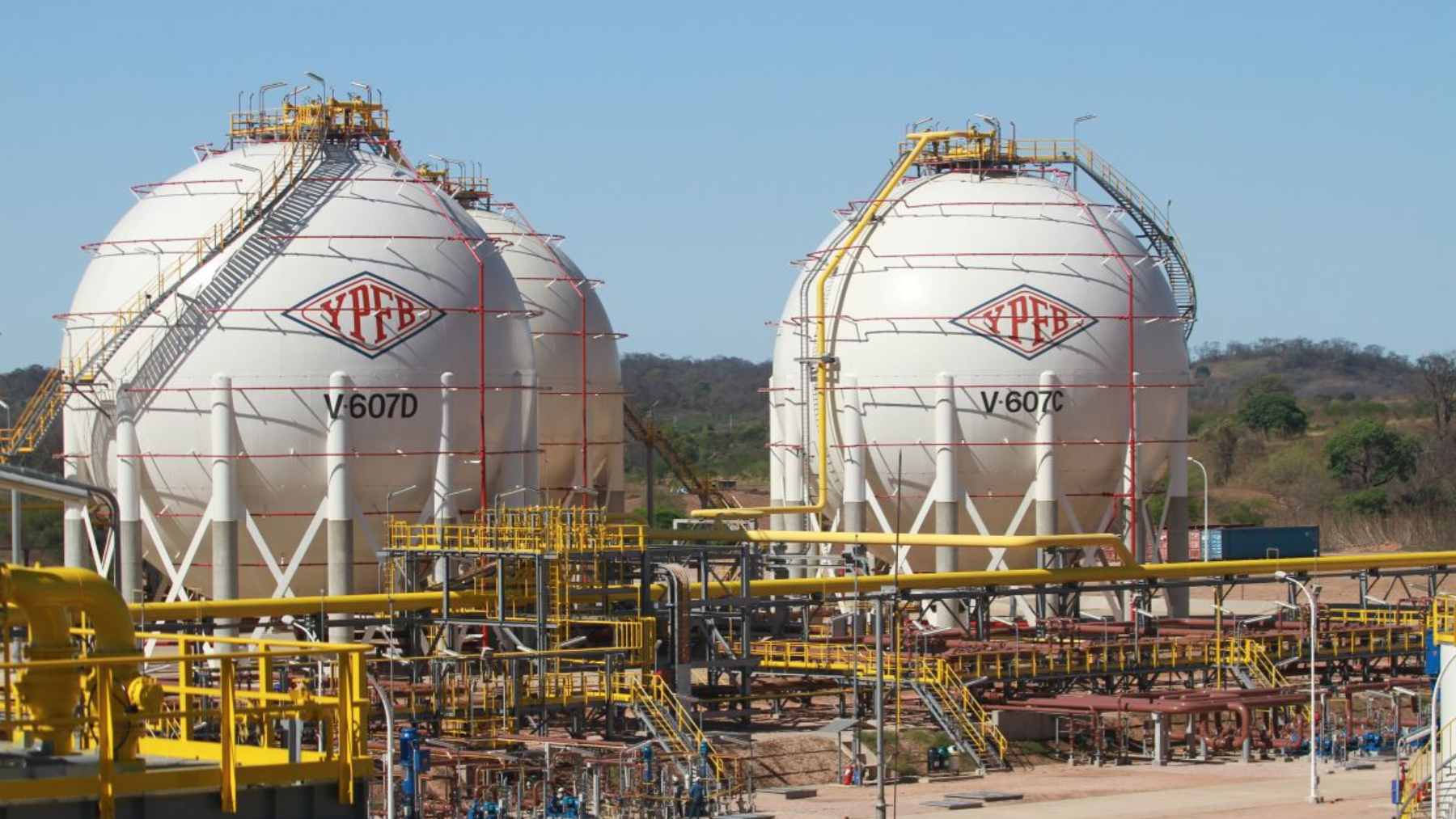
Bolivia’s proven gas reserves fell to 3.7 trillion cubic feet (TCF) as of the end of 2025, according to YPFB’s public reporting. That is a steep slide from the 10.45 TCF certified at the end of 2013, back when the gas boom still looked like a long-term guarantee.
Production tells the same story in a more everyday way. Bolivia peaked around 2014 at roughly 59 million cubic meters per day, then drifted down year after year to about 27 million by 2025, meaning less supply to cover power plants, industry, and households.
New discoveries and smaller development wells could buy time, and that matters. Fields like Mayaya and Bermejo, plus ongoing drilling in places like Enconada and Surubí, can slow the decline if financing and execution show up on schedule, but they do not erase the bigger structural problem of dependence on one subsidized fuel.
Cheap electricity was not really cheap
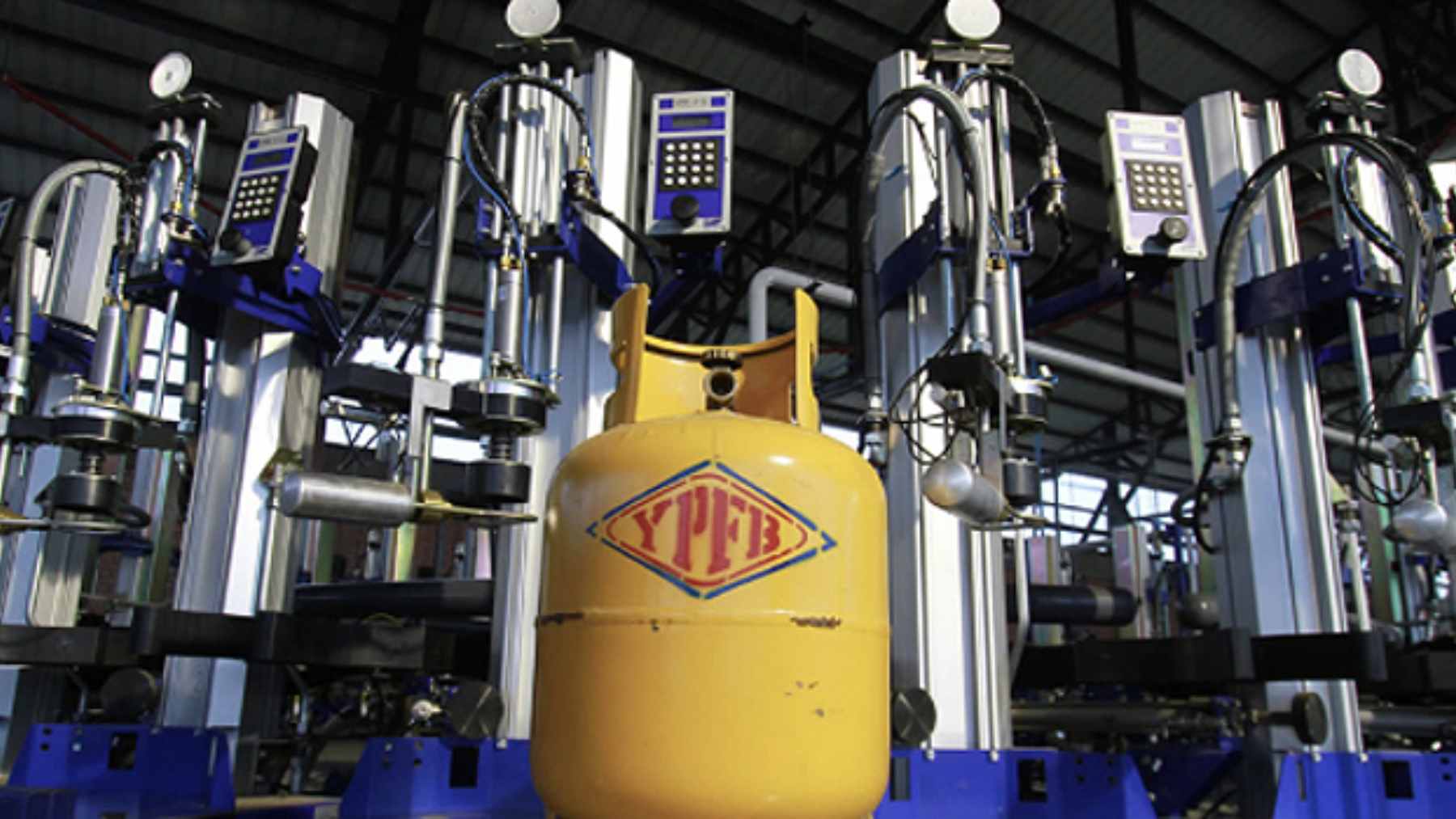
For years, Bolivia’s system relied on a simple trick that felt like good policy because it kept people’s bills low. Thermoelectric plants bought gas at regulated prices around $1.2 to $1.6 per million BTU, while export markets like Brazil historically paid more like $4 to $6, and global prices have pushed above $10 during high-demand periods.
That gap was effectively absorbed inside the state energy balance sheet. Residential power tariffs hovered around $15 per megawatt-hour by some estimates, far below many neighbors, but the low price also sent a message that said, “don’t bother building alternatives.”
Here’s the catch that keeps coming back: if Bolivia ends up importing gas at market prices, the power sector’s fuel cost jumps fast, and someone eventually pays the difference, whether it is the state, consumers, or a private investor asked to step in.
A grid built on one fuel and one operator
At a system level, Bolivia is not short on power plants. CNDC data cited in recent sector analysis puts effective installed capacity around 3,530.9 megawatts, with about 71.2% (2,512.5 MW) tied to gas-fired thermoelectric generation, while hydro accounts for about 20.3% and nonconventional renewables together sit near 9%.
That’s why the situation can feel confusing to normal customers. Bolivia can have “enough” capacity and still face risk, because the constraint is the fuel behind the turbines, not the number of turbines, and demand peaks around 2,003 MW do not change that basic math.
The ownership structure also concentrates operational risk. ENDE Andina runs the country’s largest combined-cycle plants, and a 2025 government decree (Decreto Supremo 5444) formalized a shift to overwhelmingly state participation in that mixed-economy company, following the voluntary capital reduction of PDVSA Bolivia and leaving ENDE with 99.999% participation.
If the sector is later broken apart without strong regulation, or handed to a single private player under unclear terms, the vulnerability does not disappear, it just changes uniforms.
Why renewables did not scale
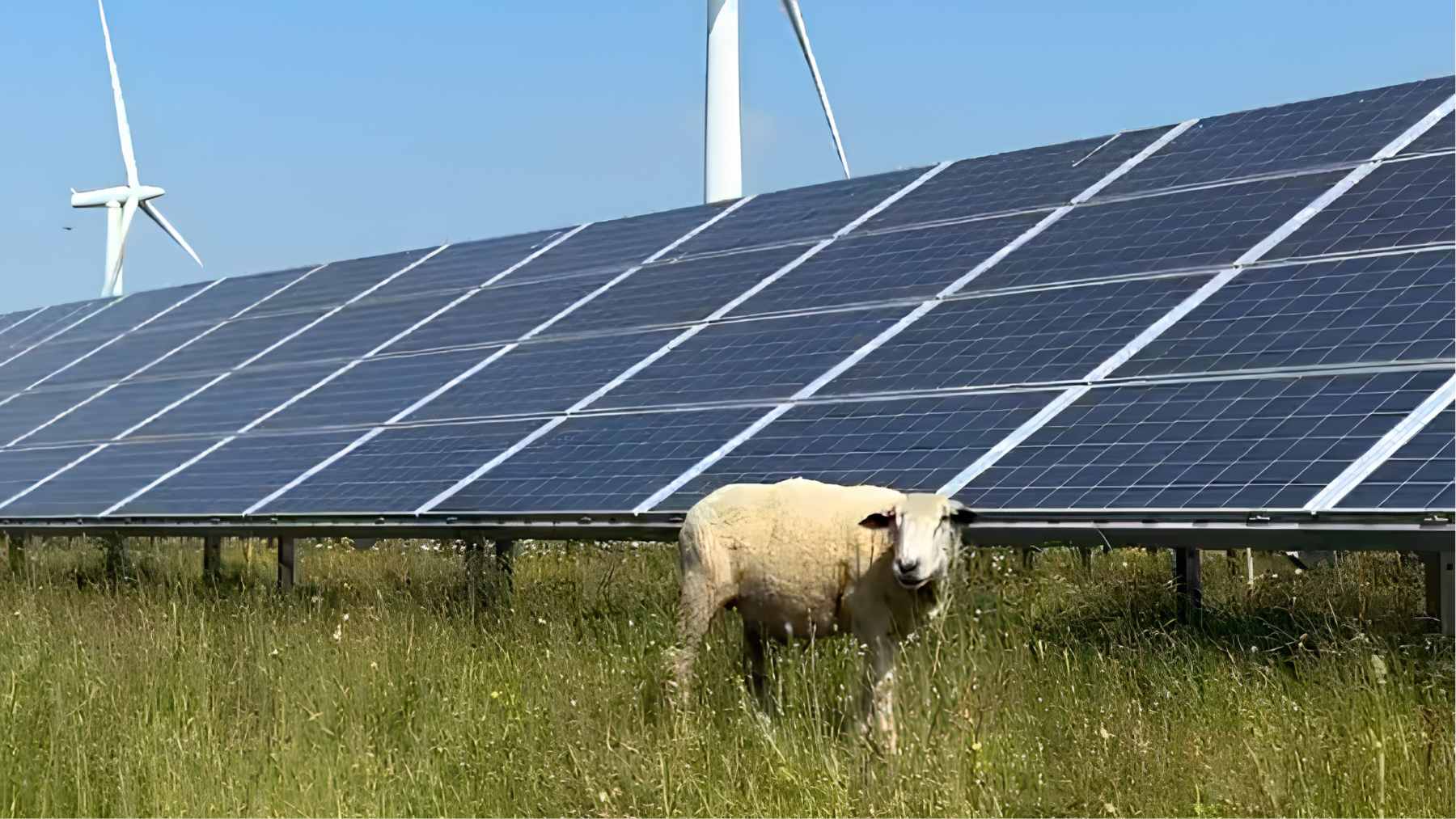
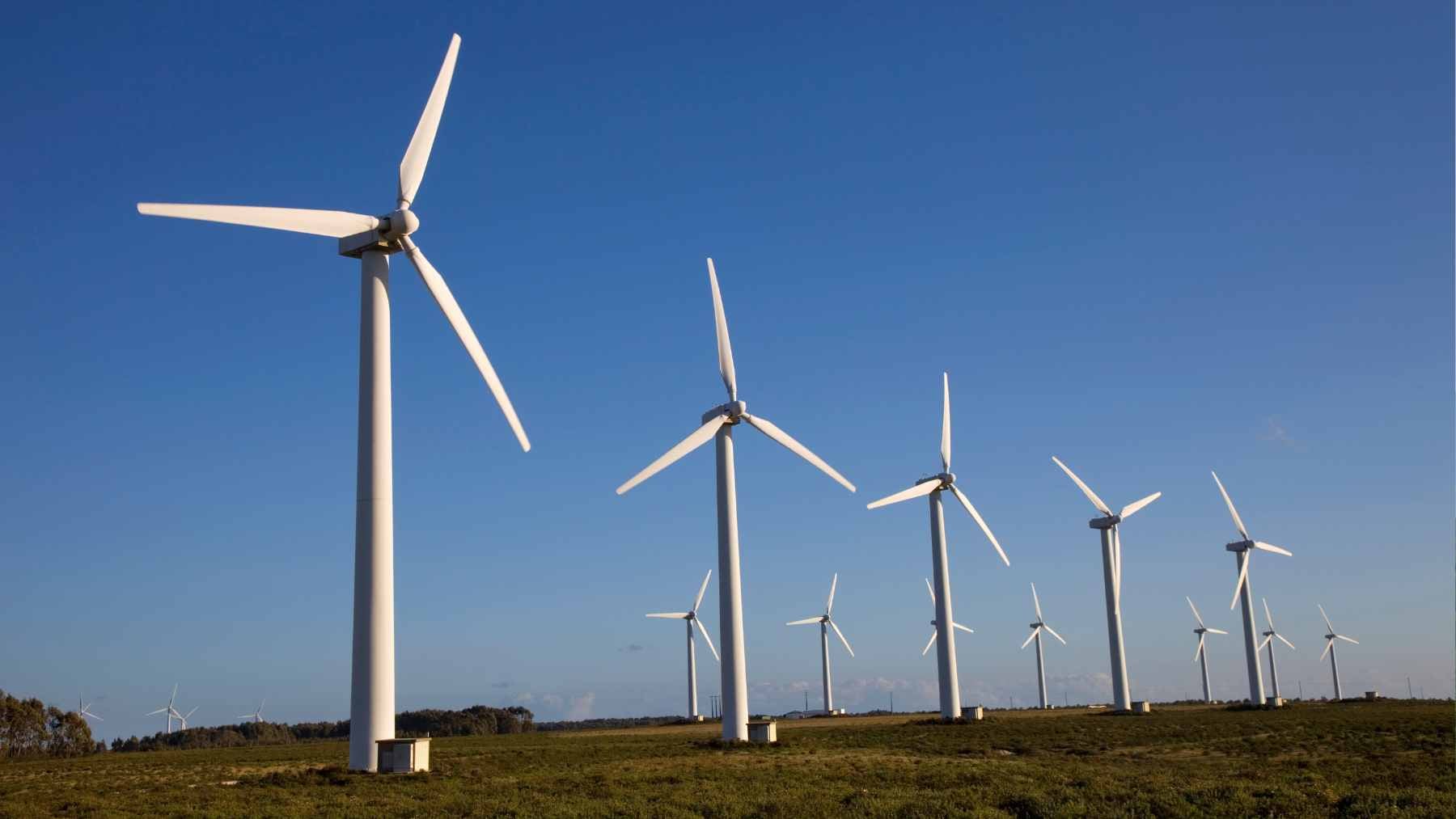
Bolivia’s renewables story has not failed because the sun and wind suddenly stopped working. It has largely failed because the market signal was distorted, with a very low marginal cost benchmark that renewables could not match without help.
One comparison makes the gap real. Sector analysis has placed the system’s average marginal generation cost around $16.41 per megawatt-hour in 2024, while Harvard Growth Lab cites costs around $77 per MWh for the Oruro solar project and about $58 per MWh for Uyuni’s solar plants, using AETN figures as references.
To bridge that mismatch, Bolivia leaned on administratively set premiums that supported state-led renewable projects, tied to decrees such as 2048 (2014) and 4408 (2022).
In practical terms, that approach can keep a project alive, but it does not reliably attract private capital because developers still need predictable pricing, a solvent buyer, and contracts that manage currency risk when equipment and services are priced in dollars.
Energy security is now climate policy
The political fight is already heating up. Bolivia’s Ministry of Hydrocarbons and Energy has publicly rejected claims that a new electricity and renewables law would privatize ENDE or automatically raise electricity tariffs, calling some circulating versions “false” and “malicious,” but the core cost equation does not vanish because officials deny it.
This is also an environmental story hiding in plain sight. When over 70% of installed capacity is tied to gas, the power sector’s emissions profile is locked to a fossil fuel, even if gas can be cleaner than coal on some pollutants, and even if the country’s immediate concern feels more like reliability than climate.
For business, defense, and everyday life, the goal is resilience without sticker shock.
Mines, hospitals, telecom networks, and government facilities all depend on stable electricity, and import dependence is a classic strategic vulnerability, so the smartest path is usually a mix of competitive renewable auctions, grid upgrades, storage, and efficiency that reduces gas burn while keeping gas plants as backup when the weather changes.
The official report was published on YPFB.