The United Arab Emirates is quietly moving some oil through the Strait of Hormuz with ship trackers switched off, a tactic usually linked to sanctions evasion and “dark fleets.” In a region already on edge, it is now colliding with something more tangible than geopolitics, the risk of pollution in one of the world’s most heavily trafficked sea lanes.
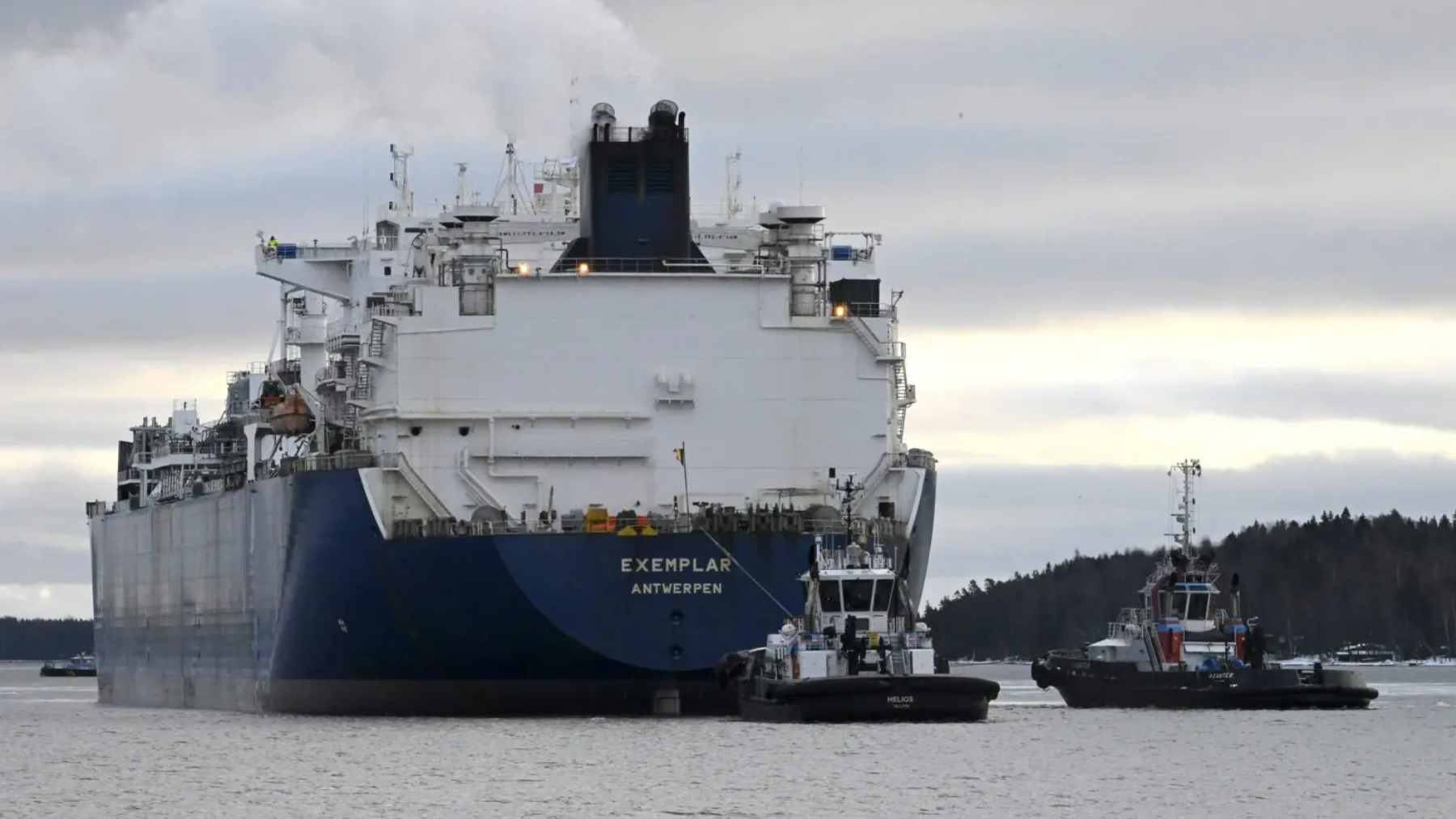
A drone attack on an ADNOC-linked tanker and a later fuel leak off the Oman coast put that risk in plain sight.
Reuters has linked the wider disruption to oil prices above $100 a barrel, the kind of spike that tends to show up at the gas pump and on the electric bill. What happens when ships “go dark” in a chokepoint that under normal conditions carries a large share of the world’s energy trade?
Why the UAE is taking the “dark shipping” gamble
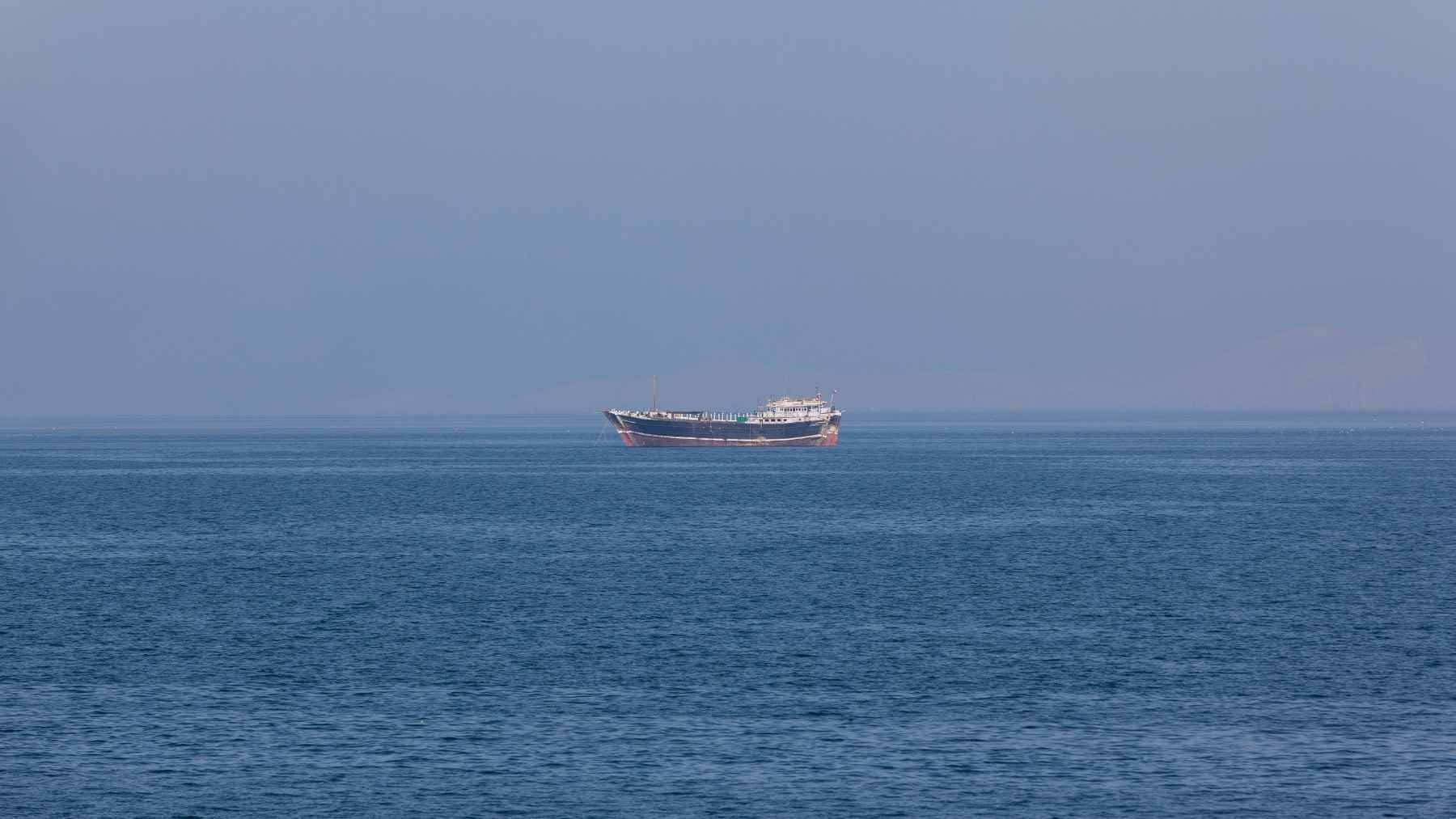
Reuters reported that ADNOC managed to export at least 6 million barrels in April by moving four tankers loaded with Upper Zakum and Das crude out of Gulf terminals while their tracking signals were not broadcasting.
Some cargoes were transferred ship to ship outside the strait, while others were unloaded into storage in Oman or sailed straight to South Korean refineries.
This is a smaller flow than the UAE’s usual pre-war pace. Kpler data cited by Reuters said ADNOC cut exports by more than 1 million barrels per day from the 3.1 million bpd it shipped last year, after access through Hormuz tightened.
So why take the risk at all? Because every stranded cargo ties up tankers, contracts, and cash, and some buyers are still willing to pay up for barrels that arrive on time. Reuters said one portion of an Upper Zakum cargo was sold at a record premium of $20 a barrel over ADNOC’s official selling price.
When an attack becomes an environmental incident
On May 4, the UAE accused Iran of hitting the ADNOC tanker Barakah with two drones as it tried to transit the strait. ADNOC’s logistics unit said the ship was empty and reported no injuries.
Days later, ADNOC Logistics and Services said it leaked “a small amount” of bunker fuel off the coast of Oman and that it was working “closely with the relevant authorities and specialist response teams.” Reuters said Copernicus Sentinel satellite imagery showed a visible streak near Oman’s Musandam Peninsula before later imagery suggested it had dissipated.
A spill does not have to be huge to matter, especially in narrow waters where currents, fishing grounds, and shipping lanes intersect. For coastal communities, that is not an abstract climate debate, it is cleanup work and disrupted routines.
Trackers off, satellites on
AIS transponders are designed to automatically provide a vessel’s position and identity to other ships and coastal authorities. That system supports basic navigation safety, particularly in busy corridors like Hormuz.
Turning AIS off may reduce the chance of being spotted by hostile forces, but it also removes a layer of visibility that insurers and nearby vessels rely on. And “dark” does not mean invisible, as Reuters described how satellite analysis helped piece together April exports, while Copernicus satellites helped flag the fuel trail near Oman.
The bypass strategy is turning into hard infrastructure
There is a reason Hormuz keeps showing up in energy headlines. The U.S. Energy Information Administration has described it as the world’s most important oil transit chokepoint, and in 2018 it carried an average of about 21 million barrels per day, roughly 21% of global petroleum liquids consumption.
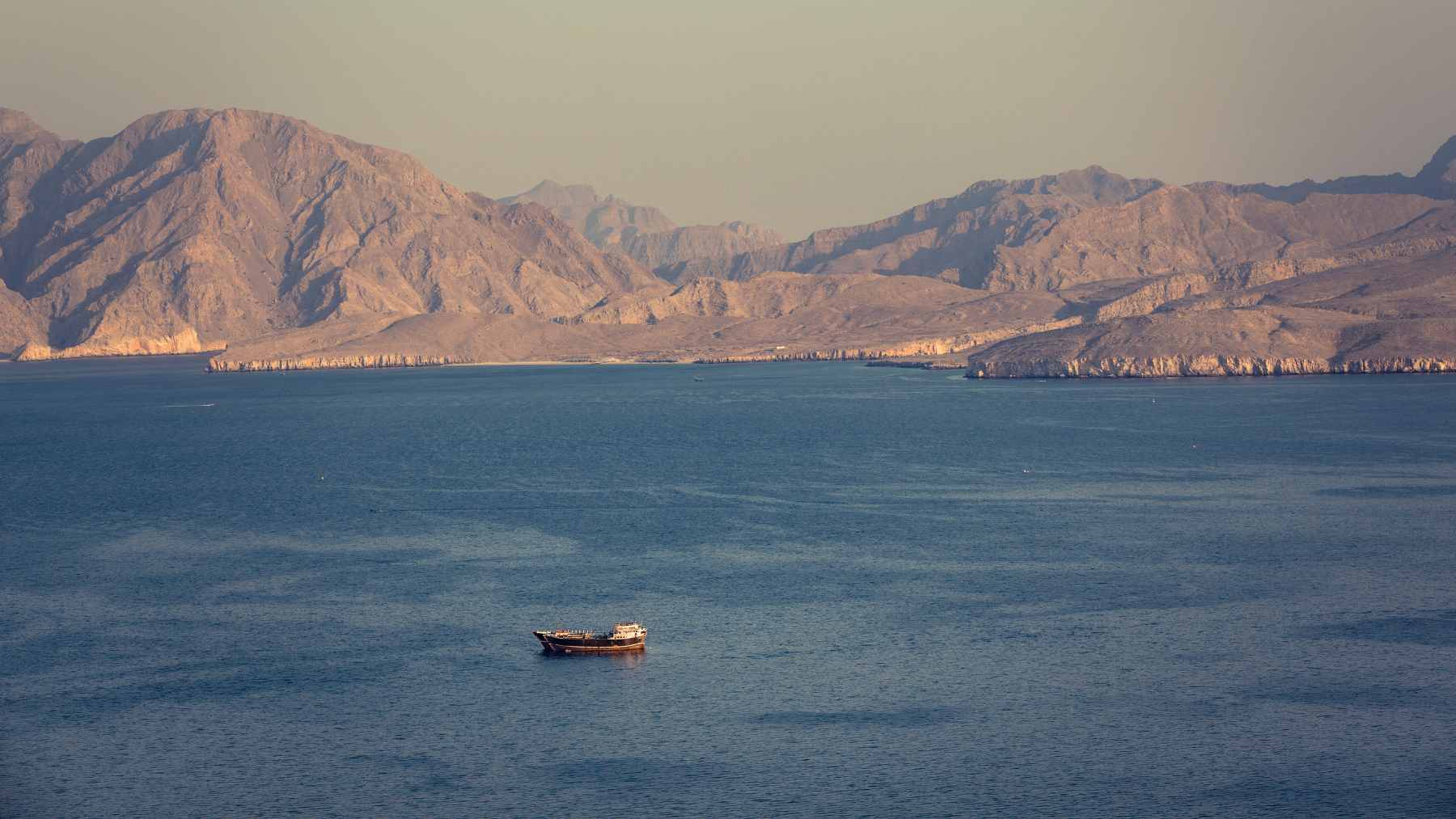
Now producers are racing to route around it. Reuters reported that the UAE will accelerate a new West-East Pipeline project to double export capacity through Fujairah by 2027, building on an existing pipeline that can carry up to 1.8 million bpd to the Gulf of Oman coast outside the strait.
Reuters has also reported that Iran’s IRGC Navy has published maps expanding the maritime area it says it controls, adding pressure on ports and shipping lanes near the UAE’s eastern coastline.
What readers and investors should keep in mind
First, the “dark shipping” playbook is spreading beyond one flag. Reuters also documented other tankers exiting Hormuz with trackers switched off, including ships carrying Iraqi crude and a tanker that offloaded Upper Zakum at Fujairah after sailing with its transponder dark.
Second, environmental risk is no longer a side story in an energy conflict, it is part of the main plot. When vessels are attacked, rerouted, or pushed into tighter traffic patterns with fewer safety signals, the odds of another slick go up, and everyone pays one way or another.
The press release was published on Abu Dhabi Media Office.