While the Strait of Hormuz dominates the energy headlines, Turkey is still looking at another pressure point on the global map. Canal Istanbul, the planned artificial waterway between the Black Sea and the Sea of Marmara, is not just a construction project. It is a bet on who controls the routes that keep oil, grain, cargo and military access moving.
The idea sounds simple enough: build a second maritime corridor near the Bosphorus, ease traffic, reduce accident risks and create a faster route for ships. But the closer you look, the more complicated it gets. The project sits at the crossroads of business, defense, logistics and ecology, and the bill may not only be measured in dollars.
Why Hormuz matters now
The Strait of Hormuz is a reminder of how fragile global trade can be when too much depends on one narrow passage. The International Energy Agency says an average of 20 million barrels per day of crude oil and oil products moved through Hormuz in 2025, equal to around 25% of the world’s seaborne oil trade.
When that kind of route is disrupted, the shock can travel fast, from tanker schedules to the electric bill at home.
That is why Turkey’s canal debate feels bigger than Istanbul. The Turkish Straits are the only sea route connecting the Black Sea to the Mediterranean, according to Turkey’s Foreign Ministry, making them vital for Black Sea states and for wider economic and military security. That means delays or danger in one waterway can ripple across several countries at once.
The canal on the table
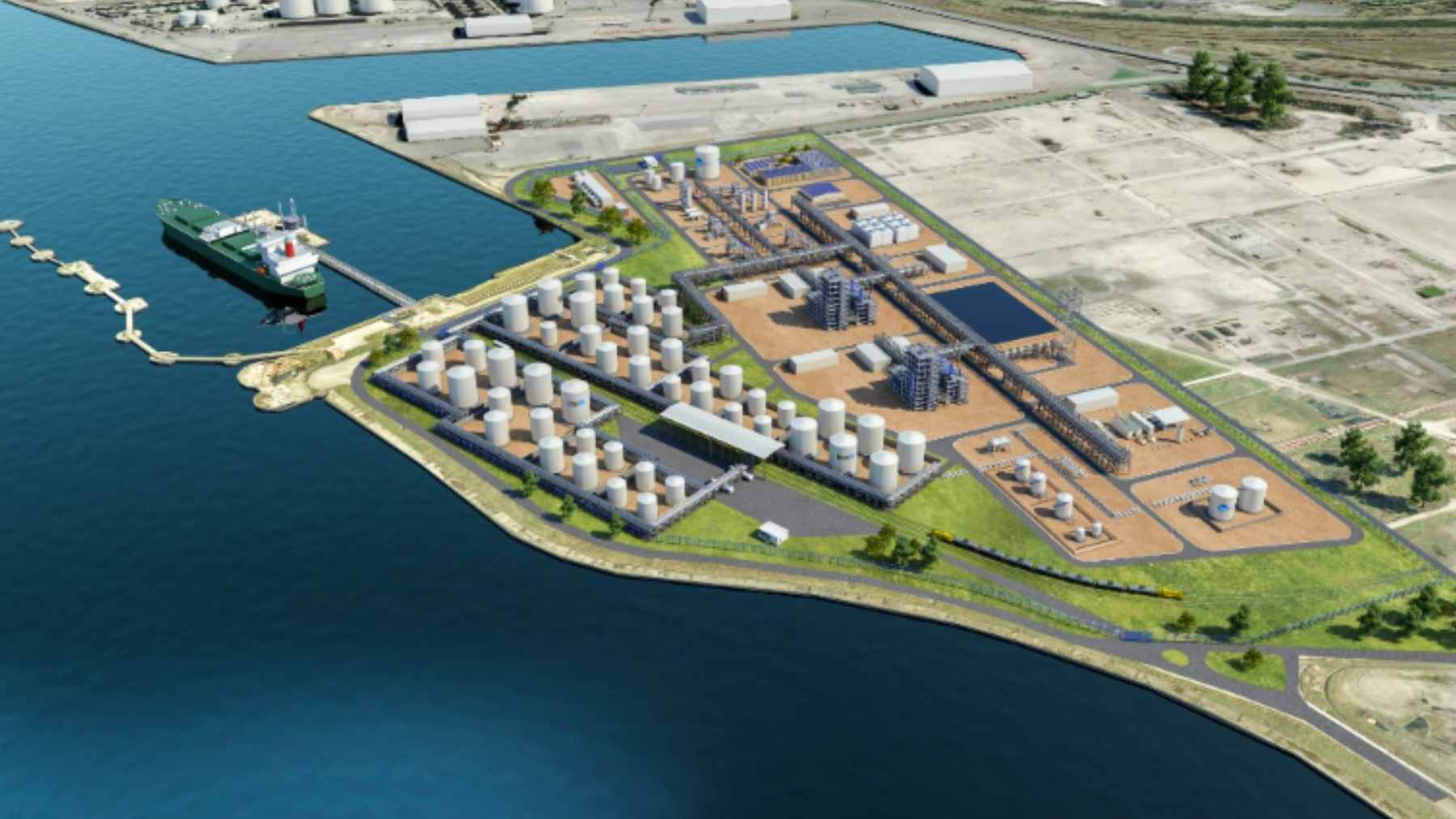
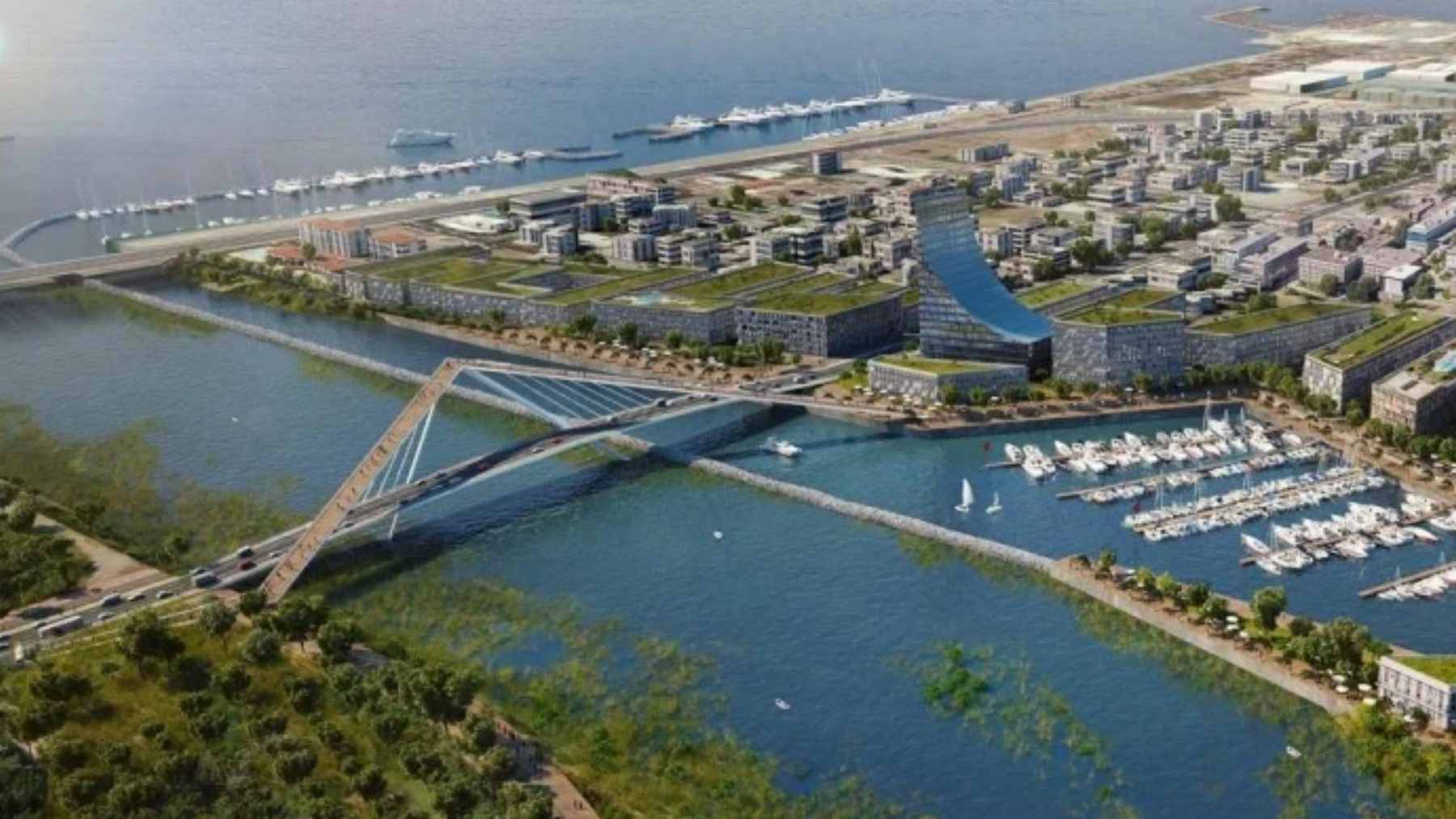
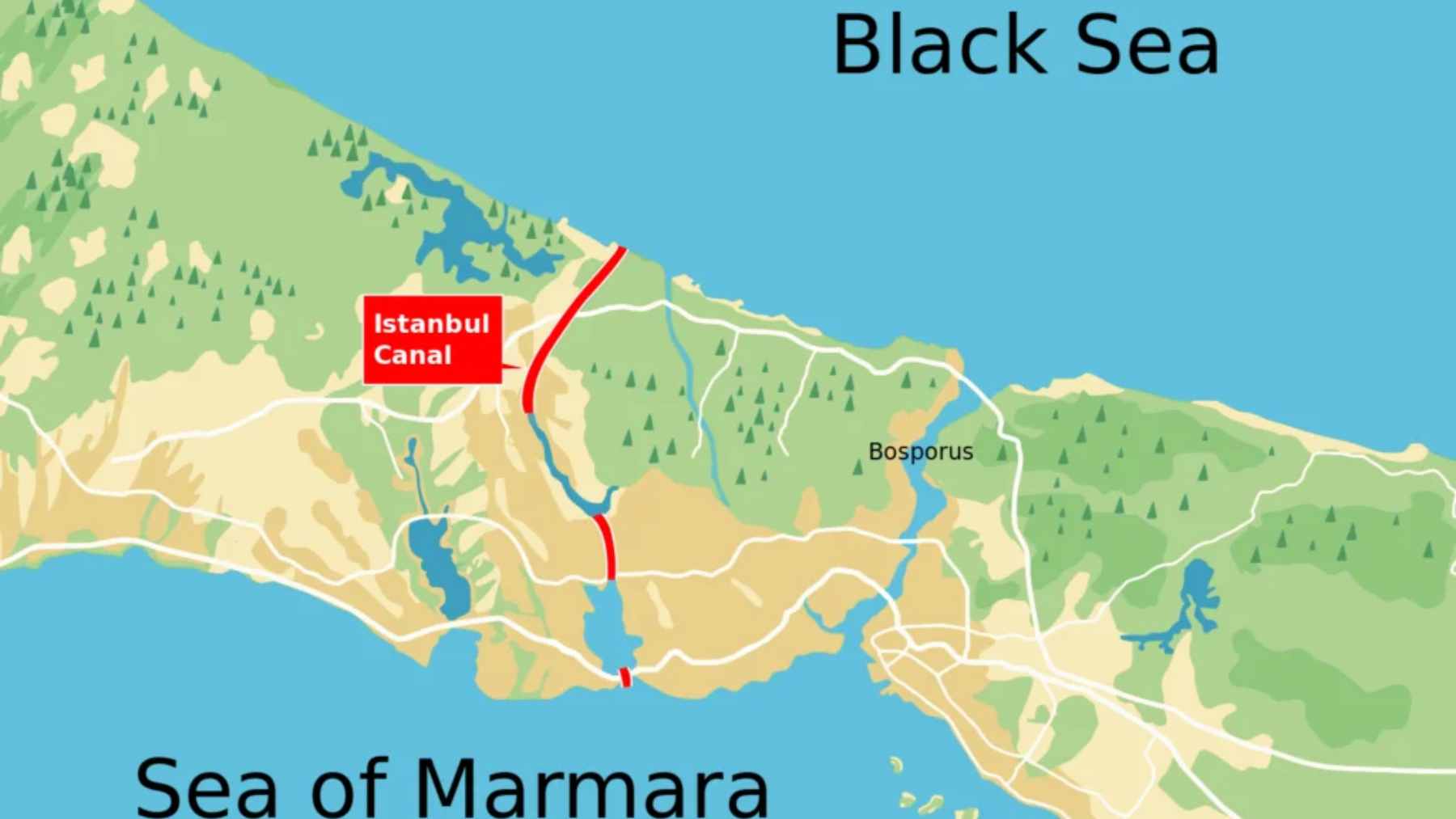
Canal Istanbul is planned as a roughly 28-mile artificial waterway with a base width of 275 meters and a depth of 20.75 meters. The official project site puts the total cost at $15 billion, a figure that makes the canal one of the most ambitious infrastructure plans in Turkey’s modern history.
The route would follow the Küçükçekmece Lake, Sazlıdere Dam and the area east of Terkos, according to the project description. Ankara says the goal is to ease the load on the Bosphorus, improve navigation safety and create a new international waterway.
Still, one hard question remains. Will shipowners pay for a new passage if the old one remains available under long-standing rules?
The Bosphorus under strain
The Bosphorus is not some empty channel far from daily life. It runs through a crowded city, past ferries, homes, fishing boats and waterfront neighborhoods. Turkey’s Foreign Ministry says average daily vessel traffic through the Istanbul Strait has risen from 17 ships in 1936 to around 107 today, while larger ships and hazardous cargoes have made navigation more difficult.
That risk is not imaginary. In 2024, the ministry recorded 9,669 tankers carrying hazardous cargo through the Istanbul Strait, with more than 167 million tons of hazardous cargo moving through it. A serious accident there could mean fire, marine pollution and damage to human health, not just a bad day for shipping companies.
Montreux still matters
The Bosphorus is governed by the Montreux Convention, signed in 1936, which preserves the principle of freedom of passage for merchant vessels while placing rules on warship transit. That makes the strait more than a trade route–it is also a defense instrument that shapes access to the Black Sea.
Turkey’s official Canal Istanbul page says the project would not undermine Montreux because ships would still need to pass through the wider Turkish Straits system before or after using the canal. That may ease some legal concerns, but it does not erase the strategic debate.
Any new route beside the Bosphorus will naturally draw attention from navies, insurers, energy companies and governments.
Ecology is the red line
Ecology is where the story changes. Supporters talk about safer shipping, but scientists warn that cutting a new sea road through Istanbul could disturb water systems that are already under stress.
A 2026 study by Seval Sözen and Derin Orhon examined pollution loads, water resources, salinization risks, dredging and excavation disposal, and warned that the project may pose notable environmental challenges for Istanbul’s ecosystem and long-term ecological balance.
Another study published in Continental Shelf Research found that Canal Istanbul would increase water exchange between the Black Sea and the Mediterranean system and cause changes in salinity and temperature along the Turkish Straits System.
That does not automatically prove disaster. It means the canal is not just a trench, but a change in the plumbing of two seas.
A costly gamble
The business case depends on speed, safety and predictability. Turkey’s project site argues that ships already face costs and waiting times in the Bosphorus, especially tankers carrying dangerous cargo, and that delays can stretch from hours to several days.
For shipping firms, time is money. For Istanbul residents, a tanker accident would be far worse than a traffic jam with noise and exhaust fumes.
But critics see another risk. Reuters reported in 2025 that the project had been shelved in recent years because of economic turmoil, financing problems and public opposition, even as Turkey’s transport minister said the government had not abandoned it.
At the end of the day, Canal Istanbul is a compass for Turkey’s ambitions, but also a warning about the price of rerouting nature for logistics.
The study was published on Istanbul Technical University.