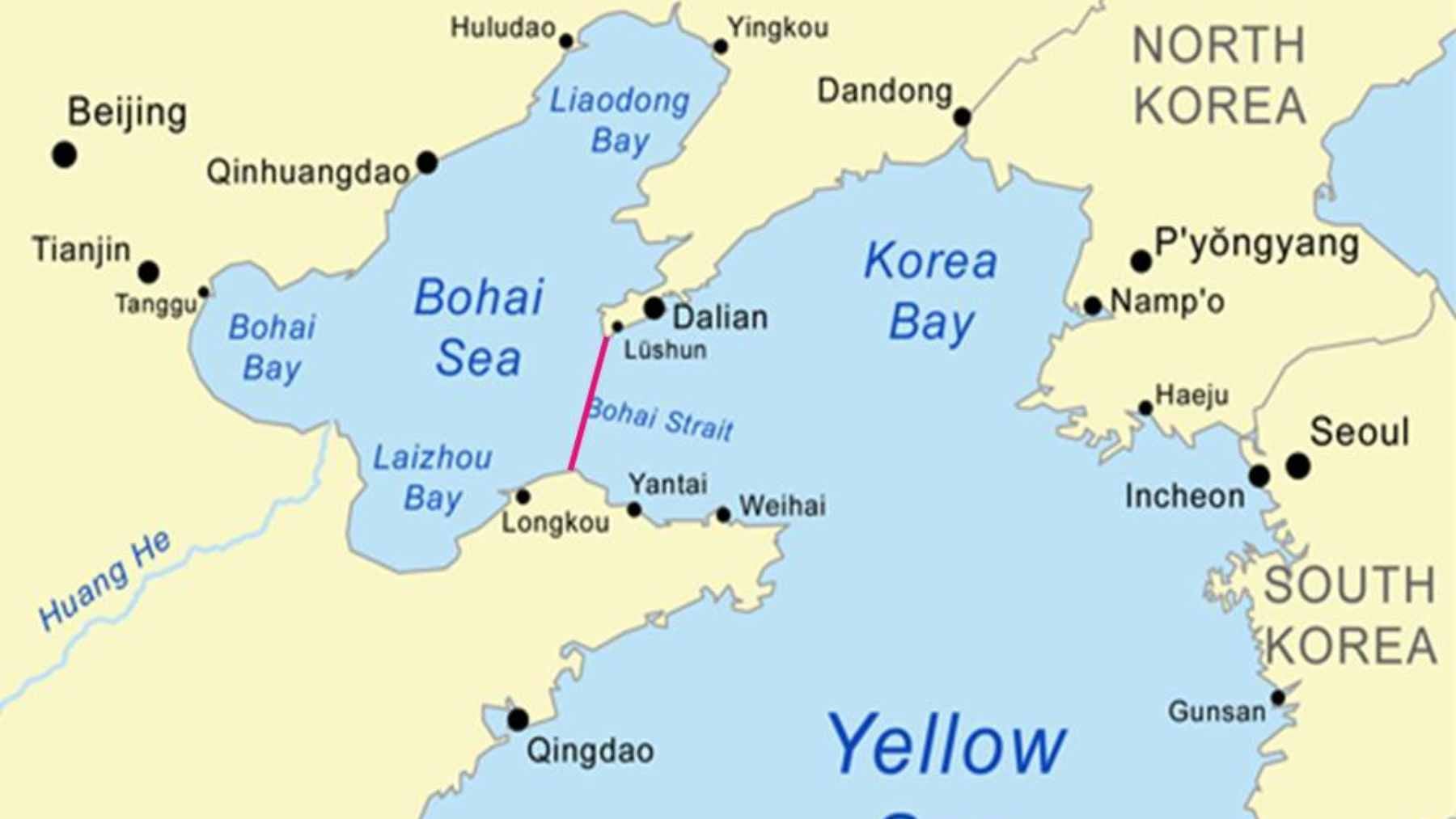
China’s next great rail story is not an inaugurated bullet train racing under the sea, at least not yet. The Bohai Strait Cross-Sea Corridor is still a proposed megaproject, with Yantai’s 2026 government work report saying officials will “advance research and demonstration” on the link between Yantai and Dalian.
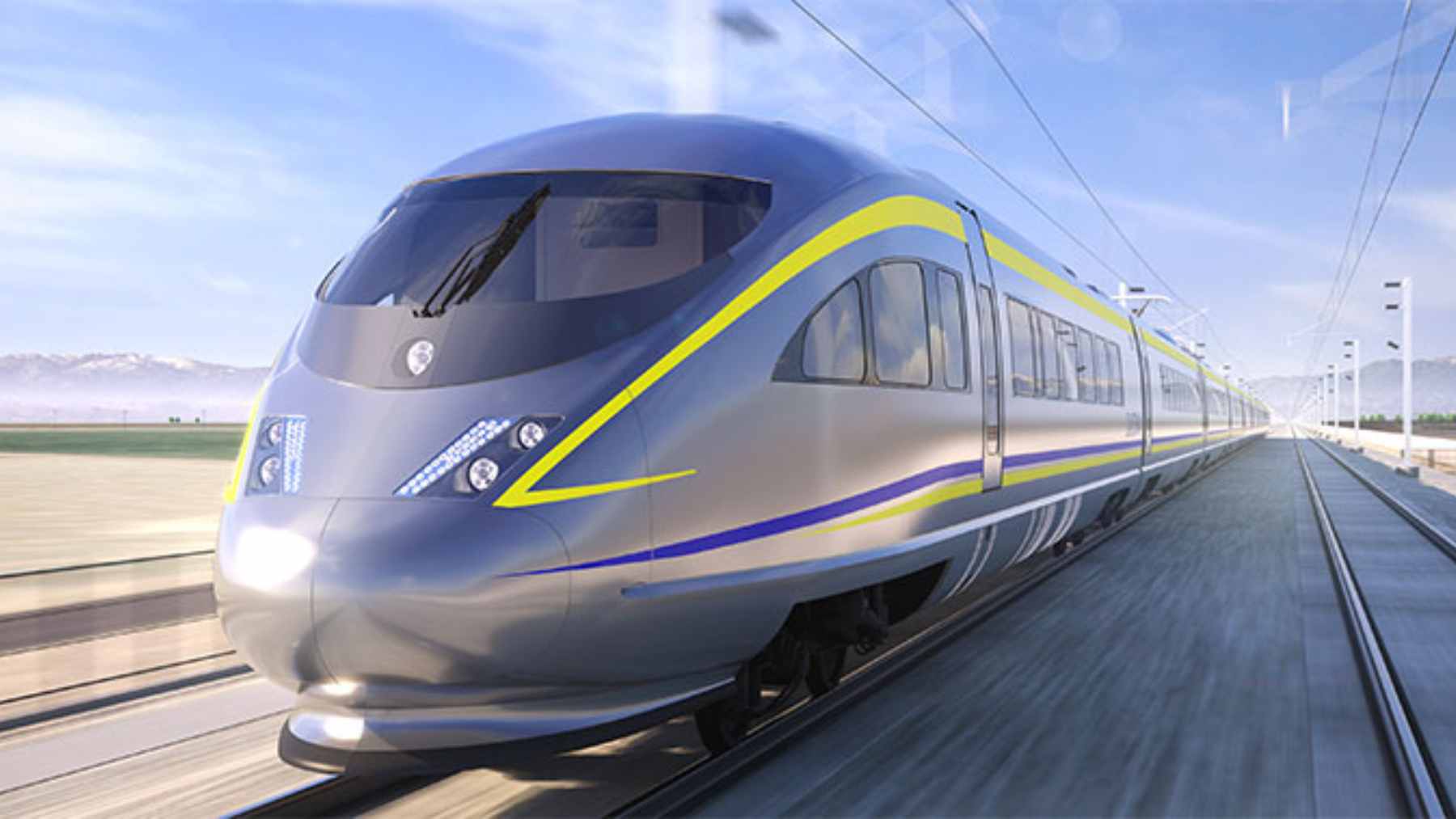
Still, the idea is huge. If built, the corridor could connect the Shandong and Liaodong peninsulas through a high-speed undersea rail route, cutting a long ferry or road detour into a much shorter crossing. For business, that means faster freight.
For the environment, it raises a harder question: can a cleaner electric rail link justify the enormous footprint of building under the Bohai Sea?
Why this link matters
The Bohai Sea creates a frustrating gap between Yantai and Dalian. Without a direct bridge or tunnel, traffic must either move by ferry or loop around by land, adding time, cost, exhaust fumes, and plenty of waiting.
Chinese reporting on the project notes that ferry trips between the two cities currently take about seven hours, while land routes can require a detour of more than 600 miles.
That is why the project keeps coming back. In practical terms, it would turn a “C-shaped” route around the sea into a direct crossing. For ports, factories, and families, that is not just a map problem, it is missed time, higher shipping bills, and more fuel burned before goods ever reach their destination.
Not open yet
Some headlines have made the tunnel sound like it is already operating, but the official record is more cautious. Yantai’s government work report places the Bohai Strait corridor inside long-term regional coordination plans and says the city will push forward research and demonstration while deepening the “twin-city” link with Dalian.
Other Chinese reporting points in the same direction. Liaoning’s territorial plan reserves space for the Dalian-side approach, while Shandong’s plan calls for continued planning work. As The Paper put it, the project is still at the “reserved” or “demonstration” stage, not the grand opening stage.
Cleaner travel, not free travel
Rail has a real climate advantage when it is used well. The International Energy Agency says rail carries around 7% of global passenger kilometers and 6% of freight-tonne kilometers, yet accounts for only about 1% of transport emissions. Electric rail also produces no direct carbon dioxide emissions while running.
That matters here. A fast electric rail corridor could reduce pressure from trucks, cars, and ferries, especially if China’s power grid keeps adding cleaner energy. But there is no magic switch. Just like the electric bill at home, the climate impact depends on where the electricity comes from.
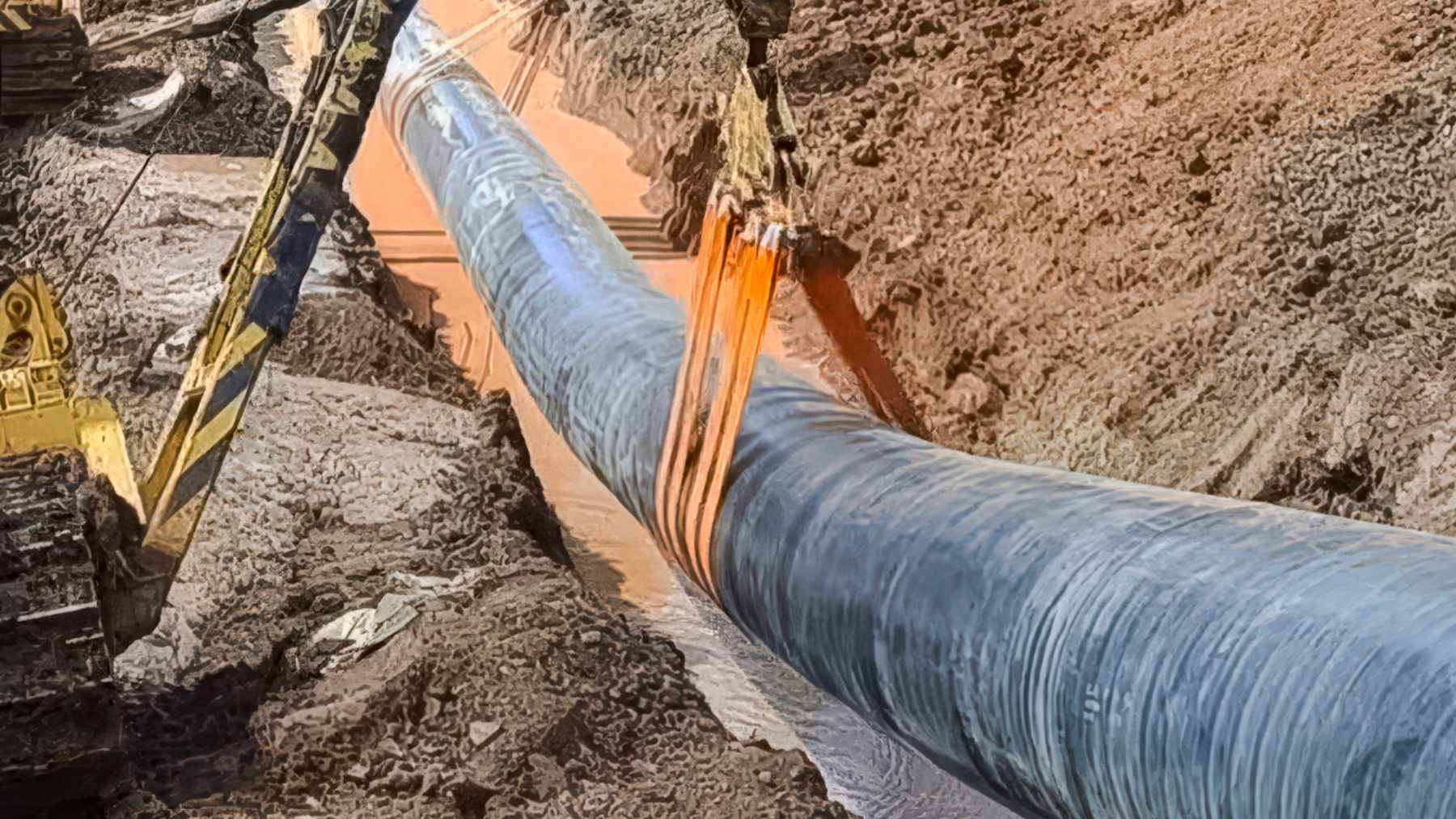
The other side is construction. A 75-mile+ undersea tunnel would require massive amounts of concrete, steel, machinery, and seabed work, materials that carry their own carbon cost before the first passenger ever boards.
The engineering test under Bohai
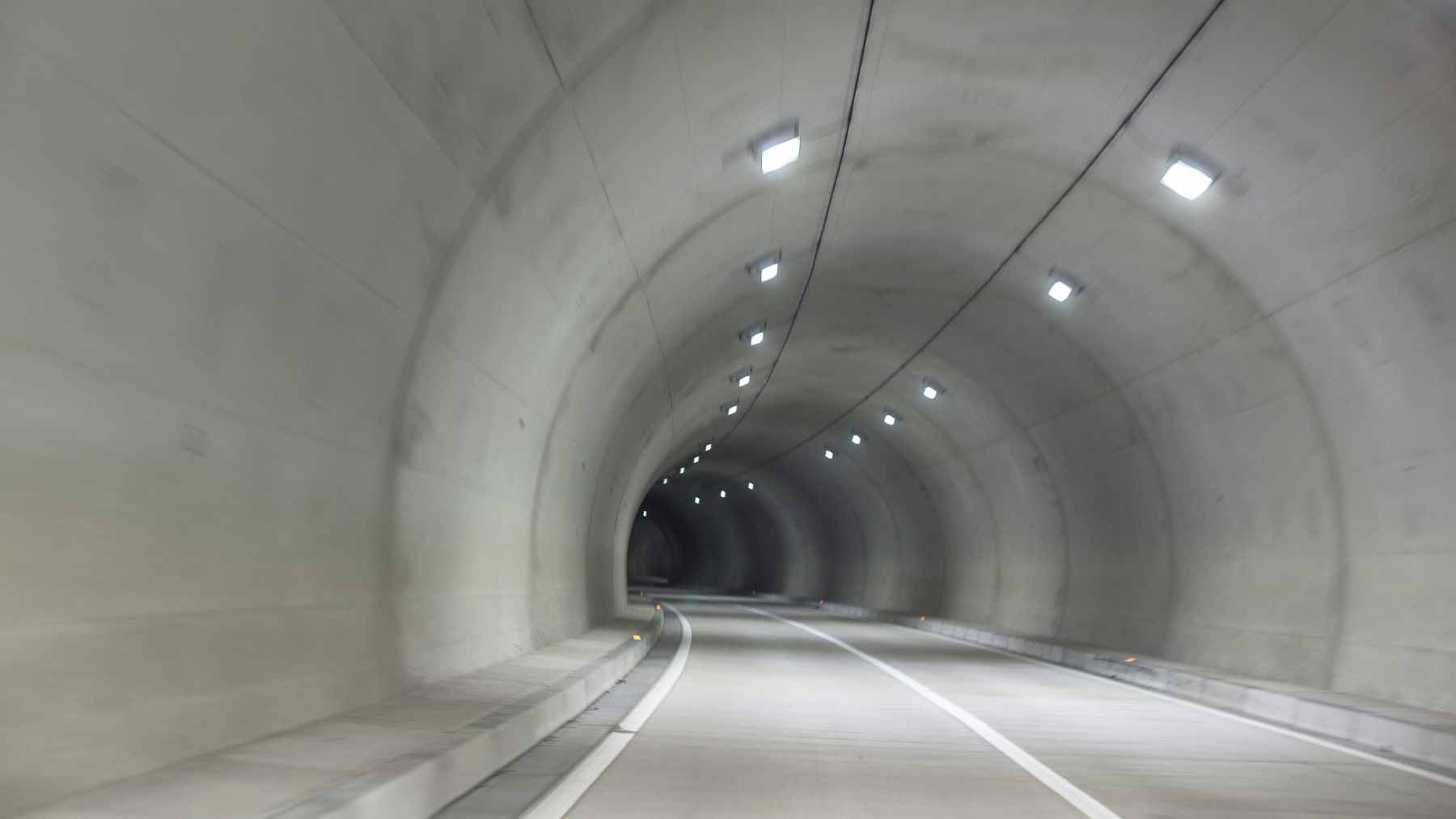
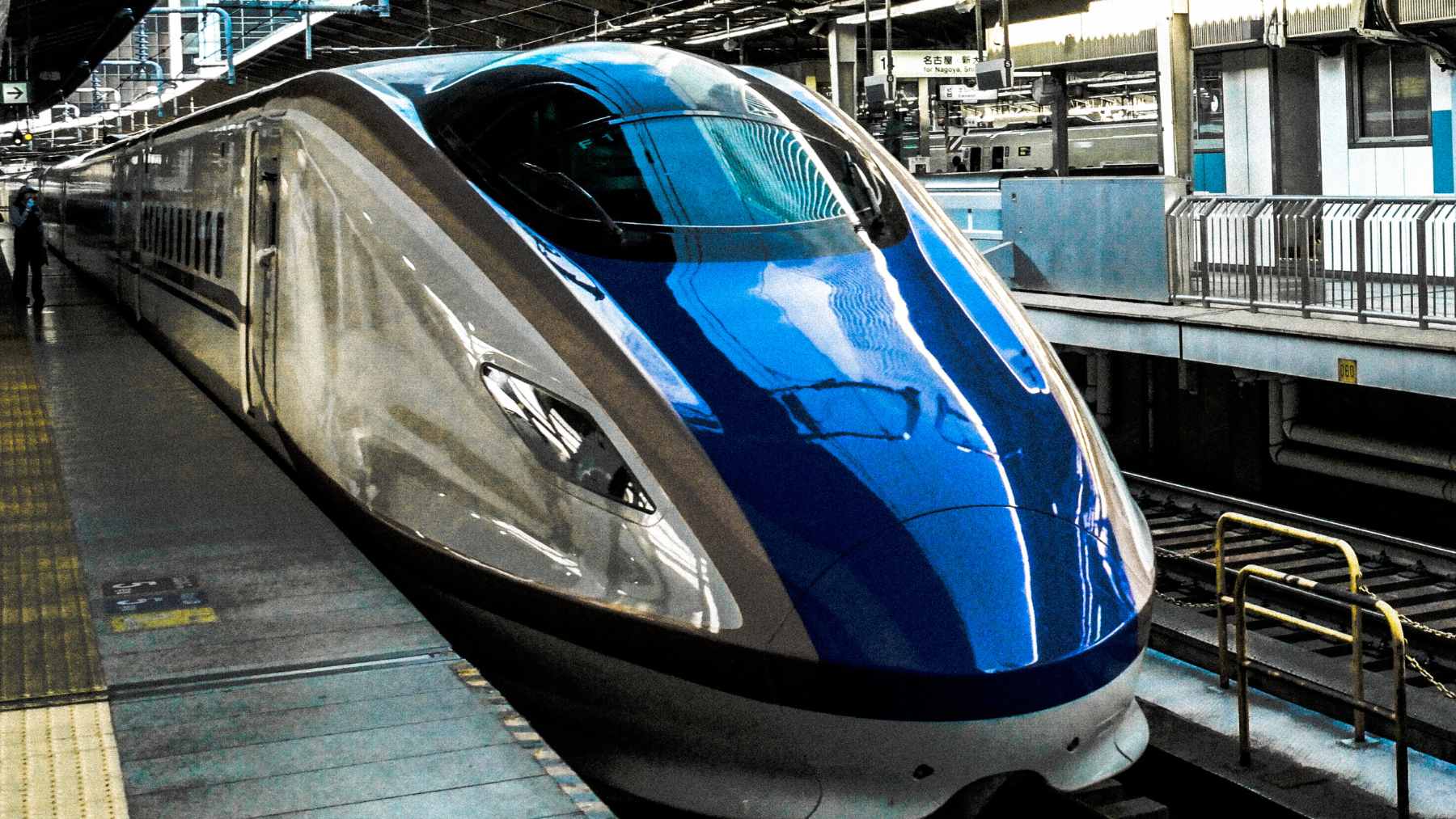
The most discussed version of the corridor is a railway tunnel, not a road tunnel. Chinese experts have described a layout similar in spirit to the Channel Tunnel, with two single-track train tubes and a service tunnel for maintenance and emergencies. Cars could also be carried by trains, rather than driving through the tunnel themselves.
That choice is not just about speed. Very long road tunnels bring difficult ventilation, smoke control, and evacuation problems. Anyone who has sat in a traffic jam inside a regular tunnel knows the feeling. Now imagine that problem under the sea, multiplied many times over.
The Bohai route also brings geologic risk. Chinese engineers have warned that the corridor would face seabed valleys, weathered rock zones, and active fault areas, making design and construction especially demanding. Sensors, leak detection, ventilation systems, and real-time control centers would not be extras, they would be the backbone of safety.
The sea cannot be ignored
The Bohai Sea is not an empty blue shortcut. China’s State Council Information Office has described it as the country’s only semi-enclosed inland sea, with limited water exchange and a history of coastal water quality decline, ecological degradation, and resource depletion.
That makes the environmental review especially important. Dredging, drilling, underwater noise, waste handling, and emergency planning would all need careful controls. A tunnel may reduce surface traffic in the long run, but during construction, the sea would feel the work first.
China has also said Bohai restoration campaigns have improved nearshore water quality, with good to excellent waters in the region rising to 83.5% by 2023. That progress gives planners something to protect while it also raises the stakes.
What happens next
The project’s appeal is obvious. A 40-minute undersea rail crossing would be a striking piece of technology, and it could strengthen trade between northern China’s ports and industrial regions. For passengers, it would make a trip that now feels slow and weather-dependent much easier to plan.
But the sober version is the one worth trusting. The Bohai Strait corridor is still a proposal under study, not a finished bullet train line. At the end of the day, what it is trying to do is simple: move people and goods faster while putting less strain on roads, ferries, and the air. The hard part is proving that the environmental math works.
The official statement was published on the Yantai Municipal People’s Government website.