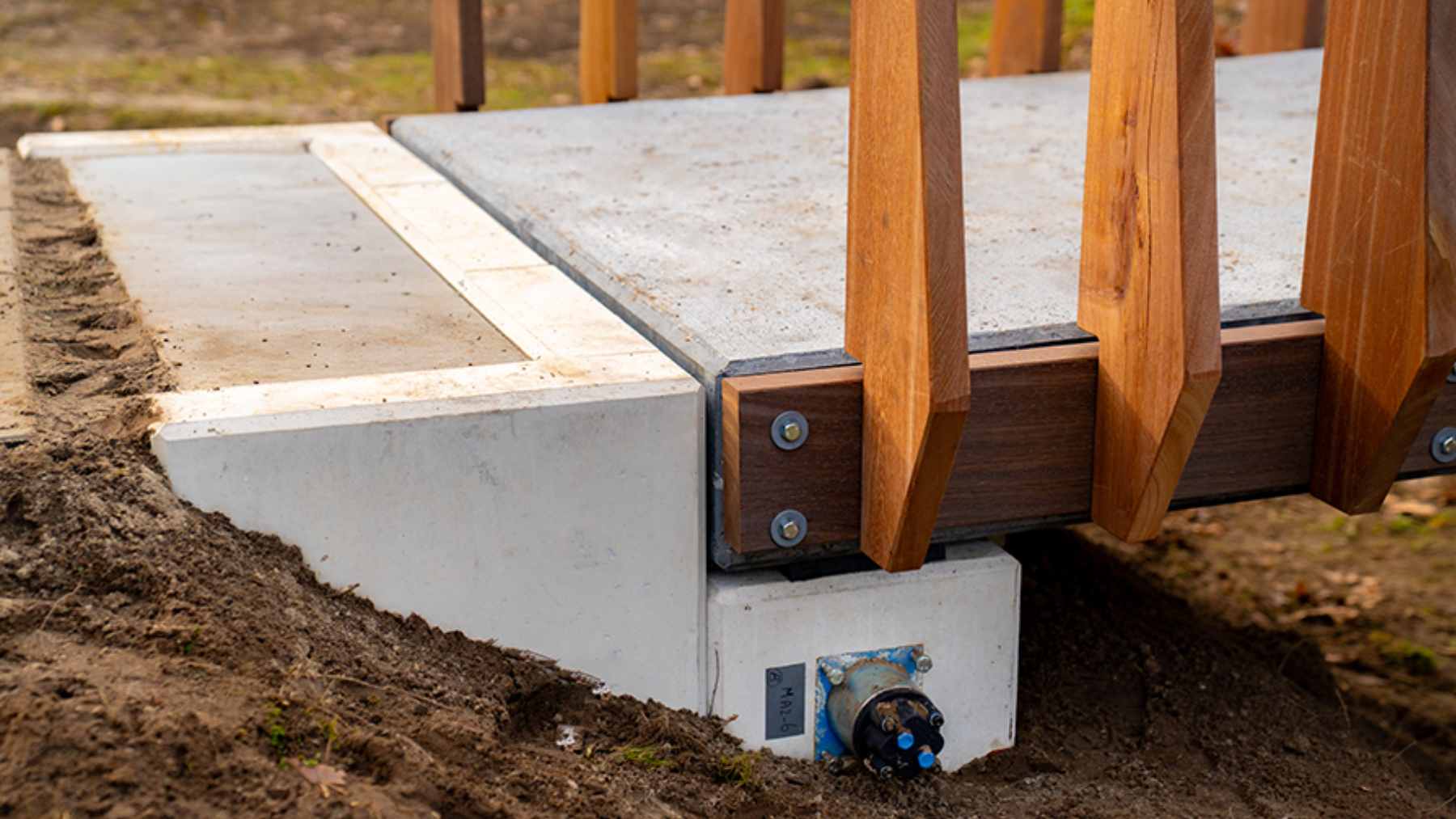
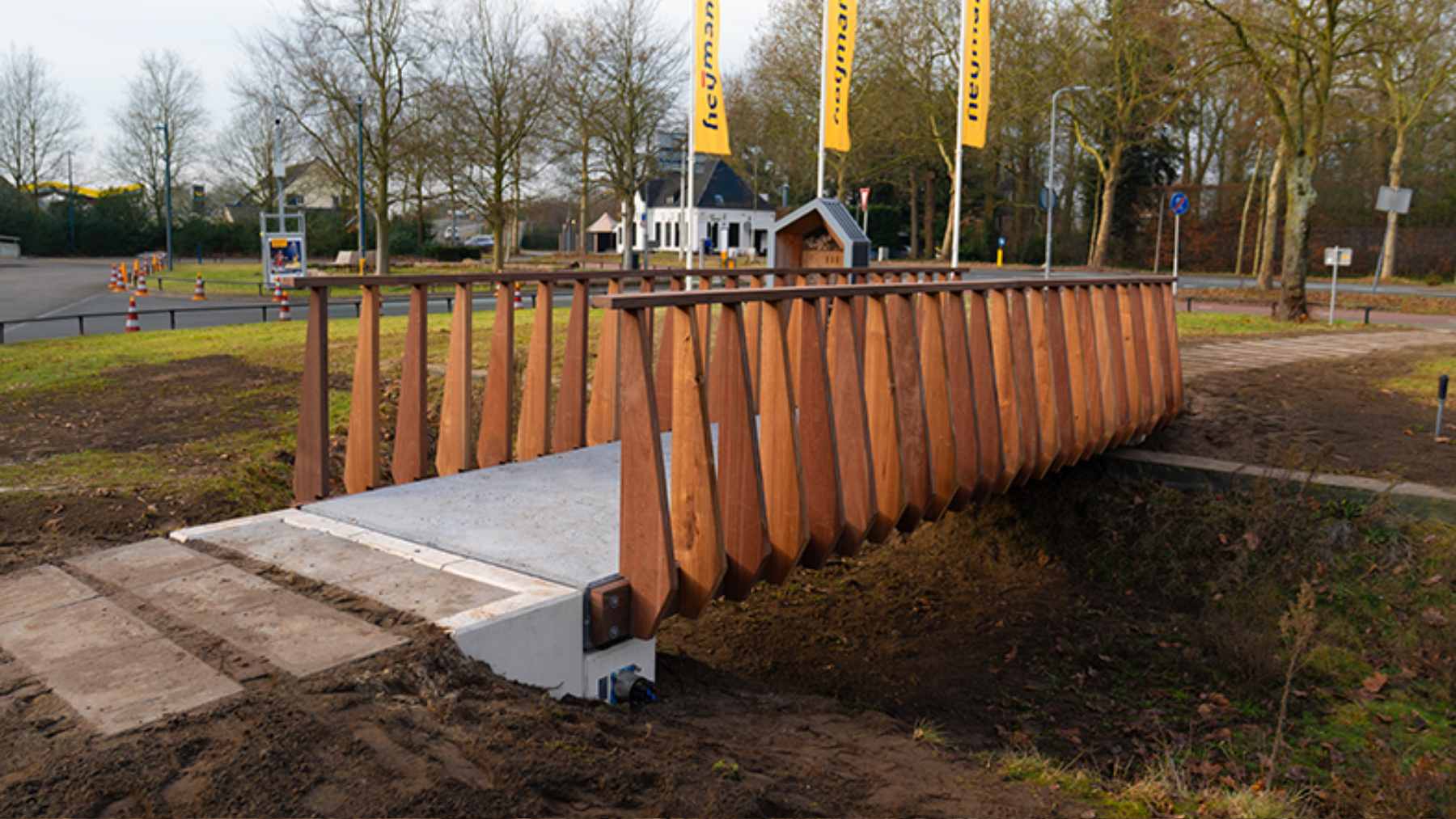
A footbridge is not usually the kind of structure that makes an industry stop and stare. You cross it, maybe hear a bike roll by, and keep moving. But a new 7-meter pedestrian bridge in Rosmalen, Netherlands, is getting attention because its concrete does something unusual for construction material.
The bridge, unveiled by Paebbl and Heijmans, uses a CO₂-neutral concrete mix that permanently stores about 145 lbs. of carbon dioxide in the bridge deck.
It is a small structure, yes, but for an industry tied to a large share of global emissions, it points to a much bigger question. What if concrete could become part of the climate solution instead of only part of the problem?
A bridge that stores carbon
The project replaces 30% of traditional cement with Paebbl’s carbon-storing material, which is the company’s highest replacement rate so far for structural concrete. The bridge also uses 75% circular raw materials and no primary sand or gravel, according to Paebbl’s project page.
That detail matters. This is not a decorative bench or a showroom tile. It is a working piece of infrastructure, and Paebbl says the concrete reached strength class C30/37, a common structural grade used for serious building applications.
How the concrete works
Paebbl’s technology is based on mineralization, a natural process where CO₂ reacts with certain minerals and becomes locked into stable carbonate form. Nature can take centuries to do this. Paebbl says its process can do it in about one hour, accelerating the timeline by a factor of 10 million.
In practical terms, captured CO₂ becomes part of a solid material that can be used as a supplementary cementitious material. Paebbl says every metric ton of its material currently stores around 220 kg. (480 lbs.) of CO₂ while helping replace part of the cement in concrete mixes.
Why cement is such a big deal
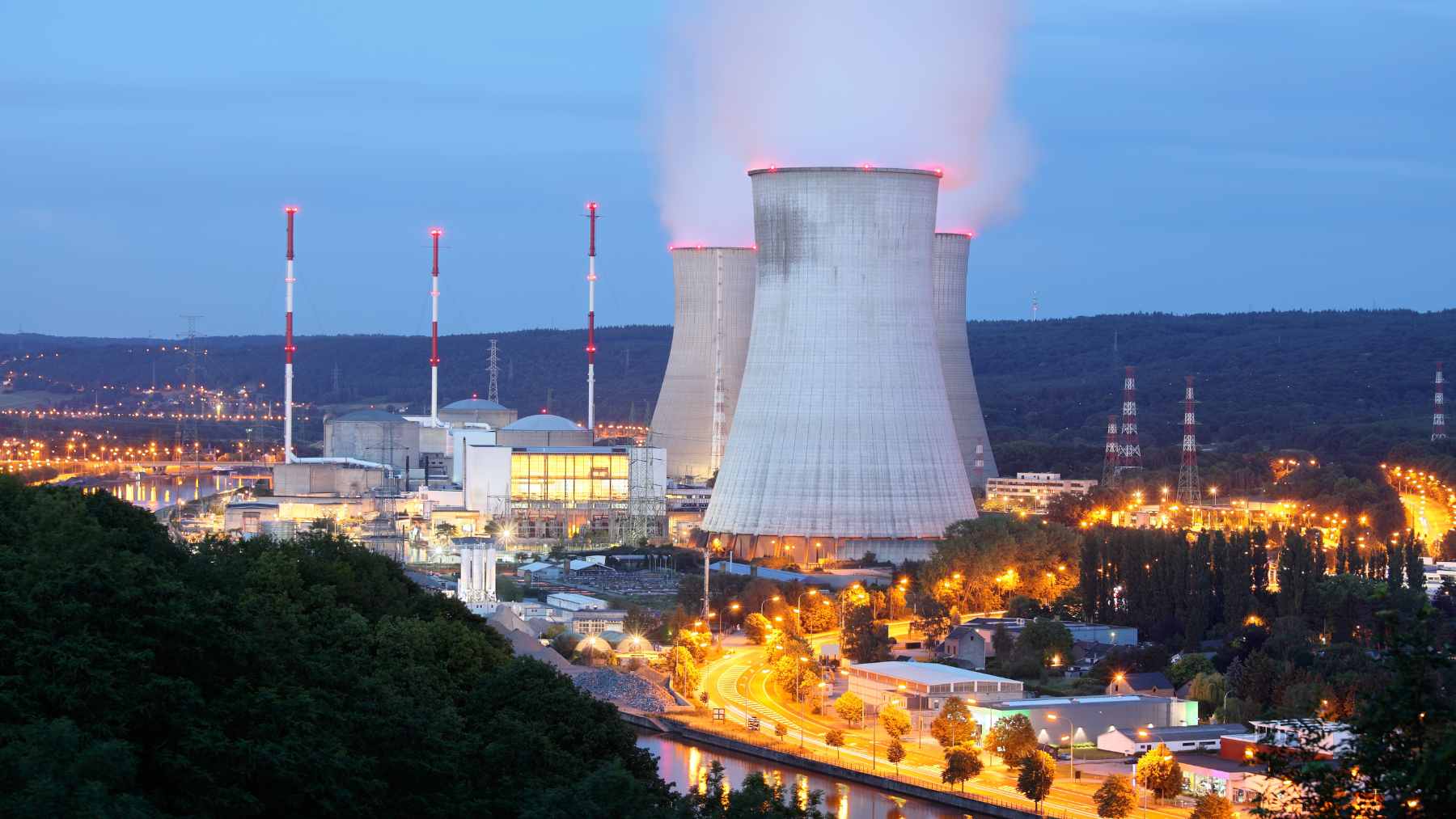
Cement is one of those materials most people barely think about, even though it is under our feet every day. Sidewalks, bridges, parking garages, apartment blocks, storm drains, and highways all depend on it. That everyday usefulness comes with a climate cost.
Chatham House has estimated that more than 4.4 billion tons of cement are produced each year, accounting for about 8% of global CO₂ emissions. A lot of those emissions are not just from burning fuel. They also come from the chemical process used to make clinker, a key cement ingredient.
The team behind it
The project brought together several partners. Heijmans led the construction work, HCM Cement provided the optimized cement formulation, Van der Kamp managed concrete production, CarStorCon Technologies contributed biochar integration, and Urban Mine supplied recycled aggregates.
Nick Vervoort, innovation manager at Heijmans, said the bridge shows that carbon-neutral structural concrete is “not a future aspiration, it’s achievable today.” Ana Luisa Vaz, Paebbl’s vice president of products, added that the project shows carbon-storing materials are “ready for real infrastructure.”
What makes this different
Many lower-carbon construction ideas focus on doing less harm. Use less cement, burn cleaner fuels, improve efficiency, or capture emissions at the kiln. All of that can help, but this bridge takes a slightly different path.
Here, CO₂ is not treated only as waste. It becomes an input. That is the shift worth watching, because it changes the story from trimming emissions to storing carbon inside the built environment itself.
Can this scale?
This is where caution belongs. A 7-meter footbridge is not a national highway network, and 145 lbs. of stored CO₂ will not move the climate needle on its own. Still, construction changes slowly, and real-world demonstrations often matter more than polished lab claims.
Paebbl says its continuous demo plant has been operating since the first quarter of 2025, and its technology page lists a first-of-a-kind commercial facility for the first half of 2028.
At the end of the day, the big test will be whether this kind of material can be produced affordably, certified widely, and trusted by engineers who have to keep bridges standing for decades.
The official press release was published on Paebbl.