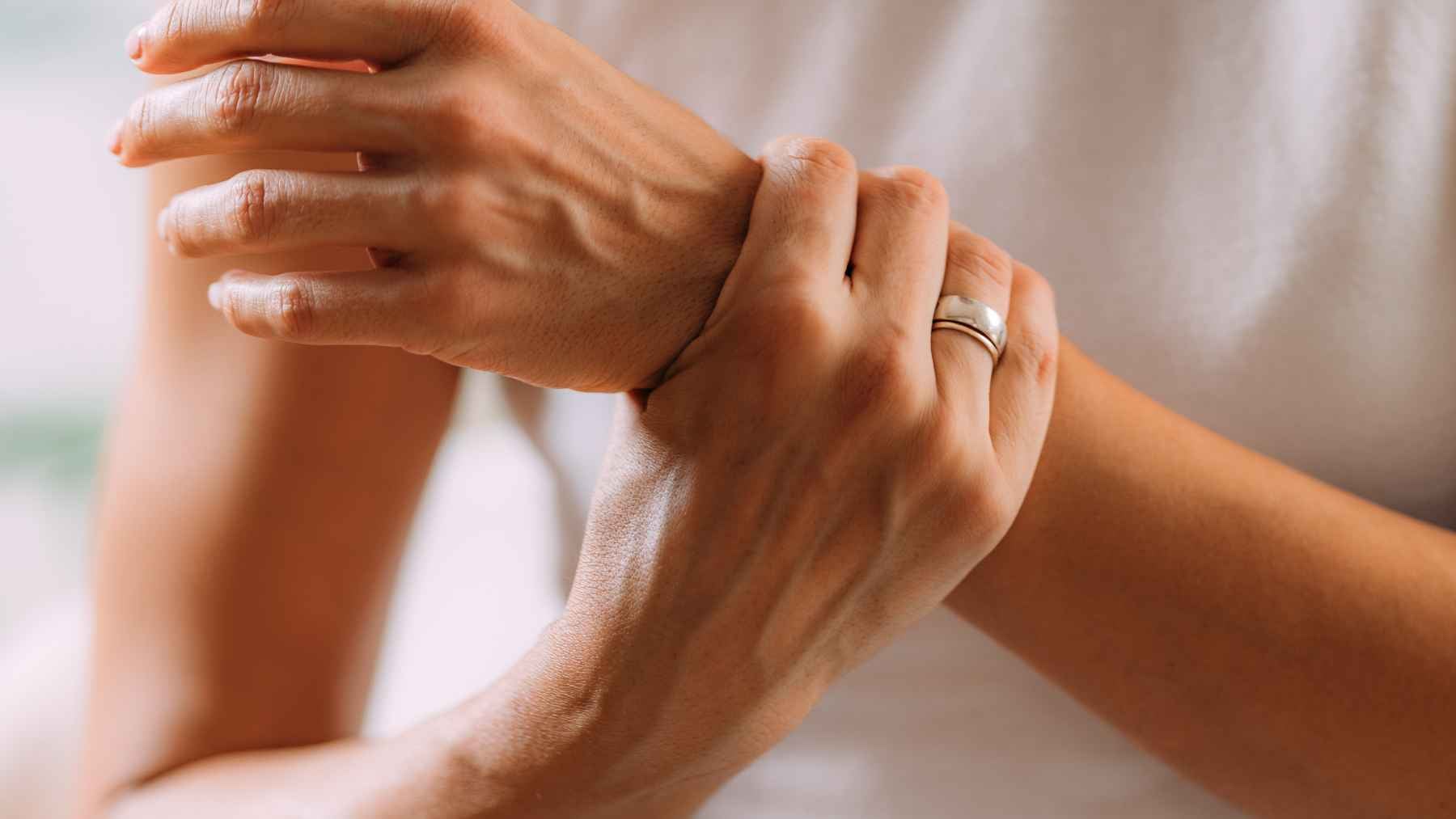
A sore wrist after typing all day, a sharp elbow after tennis, or a stiff heel first thing in the morning can feel like a minor inconvenience. But sometimes that pain is tendinitis, a tendon problem that starts when the tough tissue connecting muscle to bone becomes irritated and inflamed.
The good news is simple but important. When tendinitis is caught early, most cases can improve with rest, physical therapy, medicine for pain, and better movement habits, but ignoring it can turn a short-term injury into a stubborn problem that affects work, sports, sleep, and everyday chores.
What tendinitis is
Tendons are like strong cords inside the body. They connect muscles to bones, helping your arm lift a bag, your knee climb stairs, or your ankle push off the ground when you walk.
Tendinitis happens when one of those cords becomes swollen and irritated. It can appear suddenly after one hard effort, or build up slowly after weeks of repeated stress.
Doctors also use the word “tendinopathy” when the problem lasts longer and the tendon starts to show wear, poor healing, or structural changes. That distinction matters because a fresh flare-up and a long-running tendon problem may need different recovery plans.
Why tendons flare up
For the most part, tendinitis comes from asking a tendon to do too much, too often, or too suddenly. Think of hours at a keyboard, painting a ceiling, gripping tools, scrolling with the neck bent, or jumping into a hard workout without warming up.
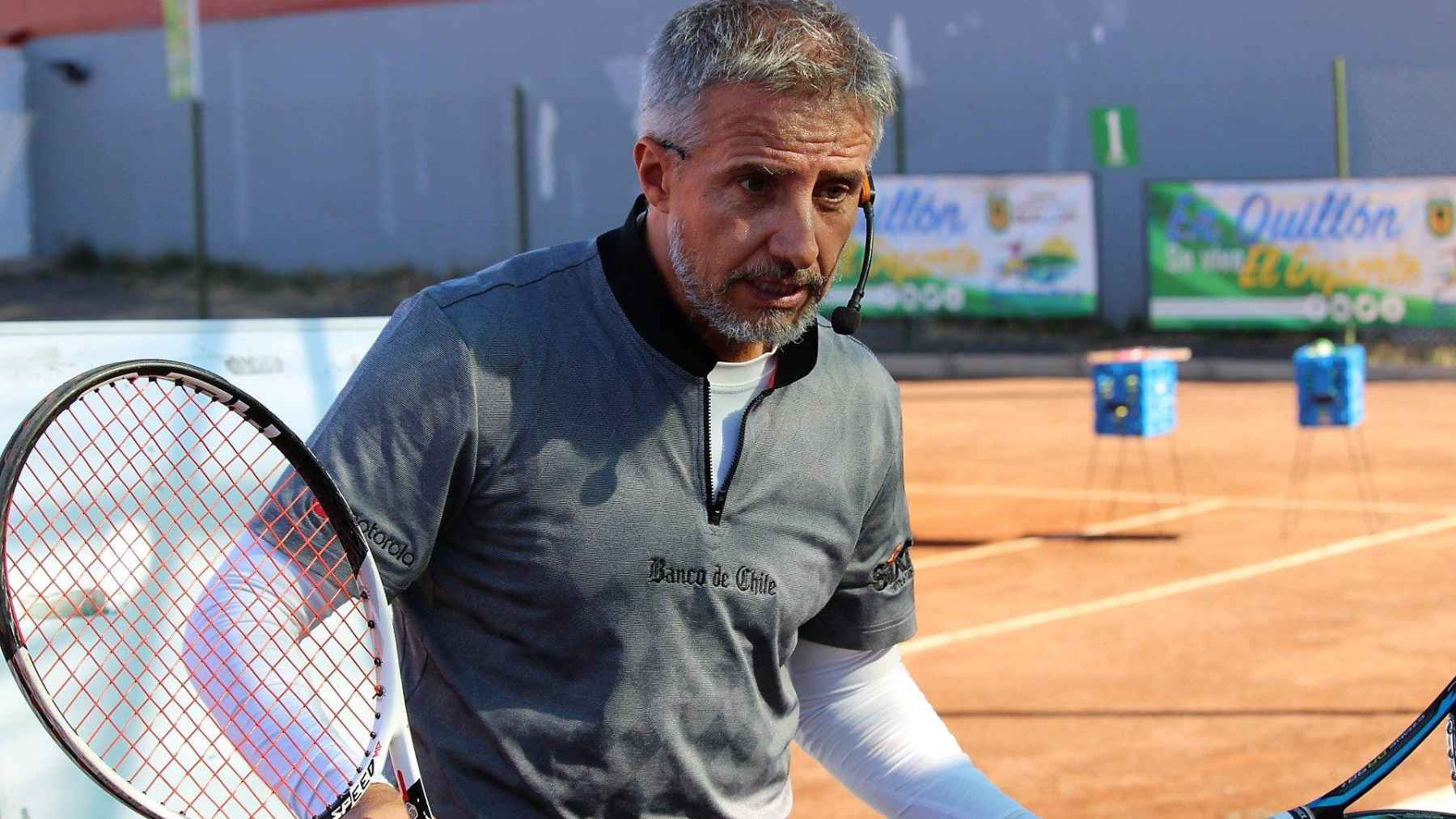
Sports can trigger it too. Running, tennis, volleyball, swimming, basketball, and high-intensity training can all overload tendons, especially when someone increases speed, distance, weight, or practice time too quickly.
Age can raise the risk because tendons naturally lose some flexibility over time. The American Medical Association also notes that obesity, type 2 diabetes, and high cholesterol can make tendon problems more likely or slow healing, partly because the tissue does not recover as well.
Symptoms people notice
The clearest warning sign is pain in one specific spot. It often gets worse when the tendon is used and eases when the area rests.
Other signs include morning stiffness, swelling, tenderness when touched, and weaker grip or movement. In practical terms, that can mean trouble holding a cup, climbing stairs, opening a door, lifting a child, or reaching overhead.
The most common areas are the shoulders, elbows, wrists, hips, knees, and heels. Some familiar names, such as tennis elbow, golfer’s elbow, swimmer’s shoulder, and jumper’s knee, are forms of the same basic problem.
Treatment is not just rest
Rest matters, but it does not mean staying completely sedentary for weeks on end. Mayo Clinic advises rest, ice, compression, and elevation for home care, while also warning that gentle movement after a few days can help prevent joints from becoming stiff.
Pain-relieving anti-inflammatory medicines may help some people in the short term, but they are not the whole answer. If the same bad posture, sports technique, work setup, or training jump stays in place, the tendon can flare up again.
That’s where physical therapy comes in. George C. Umeh, MD, a sports medicine physician at Bayhealth Orthopaedics, told the American Medical Association, “Physical therapy is definitely the cornerstone for it.”
What the exercise research found
A 2023 systematic review led by Diego Ailton Prudêncio of Santa Catarina State University, with co-authors including Nicola Maffulli and Filippo Migliorini, looked closely at eccentric exercise for mid-portion Achilles tendinopathy.
Eccentric exercise means the muscle works while slowly lengthening, like lowering your heel in a controlled calf exercise.
The team screened more than two thousand papers and included eight clinical trials with 371 patients. The review found that eccentric exercise helped improve pain in Achilles tendon problems, although the authors also warned that stronger and better-designed trials are still needed.
That nuance is important. Exercise is not magic, and doing the wrong move too aggressively can make symptoms worse. The useful part is guided loading, which means giving the tendon enough work to rebuild strength without pushing it past its limit.
How to prevent a flare-up
Prevention starts with small habits that are easy to ignore. Take breaks during repetitive work, warm up before exercise, stretch afterward, and build intensity gradually instead of trying to make up for lost time in one weekend.
Posture matters too. A better desk setup, supportive shoes, proper sports gear, and small changes in phone use can reduce strain on the tendons that quietly absorb those daily movements.
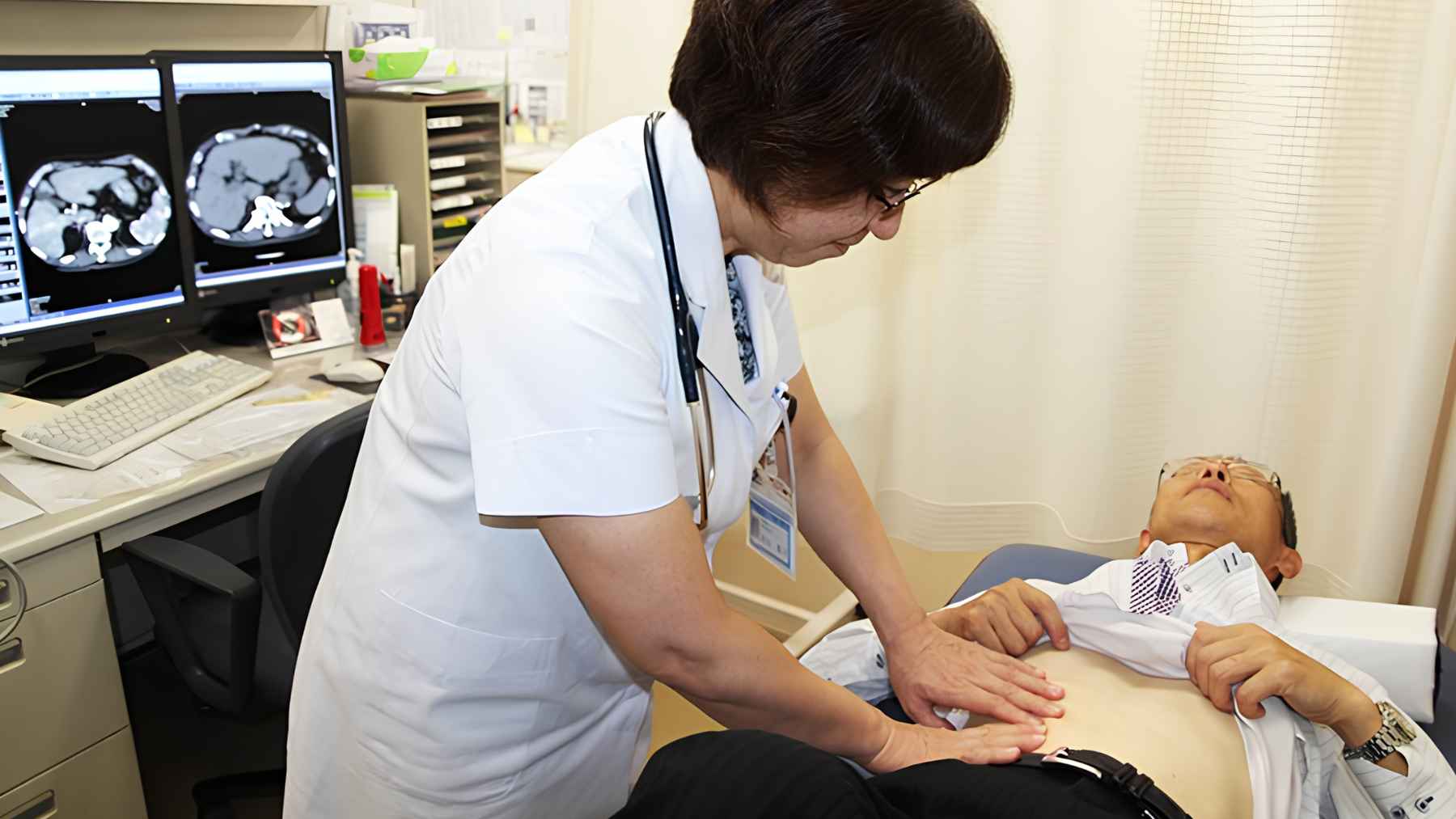
Anyone should seek medical care if pain lasts more than a week, gets worse with movement, causes swelling, or interferes with normal activities. This article is for general information and does not replace evaluation, diagnosis, or treatment from a qualified health care professional.
The main study on exercise therapy cited in this article has been published in BMC Sports Science, Medicine and Rehabilitation.