A good haircut after 65 requires a style that works in harmony with your hair’s natural evolution. Age-related changes—such as thinning textures, receding hairlines, and finer strands—can make popular options seem not only impractical but also inadequate.
Here, we’ll explore why the classic mid-length haircut emerges as an outstanding option for older men seeking a refreshed and sophisticated look. We’ll also examine alternative styles, so you have versatile choices that cater to your hair type, facial structure, and preferences. Let’s begin.
The classic mid-length haircut for seniors over 65
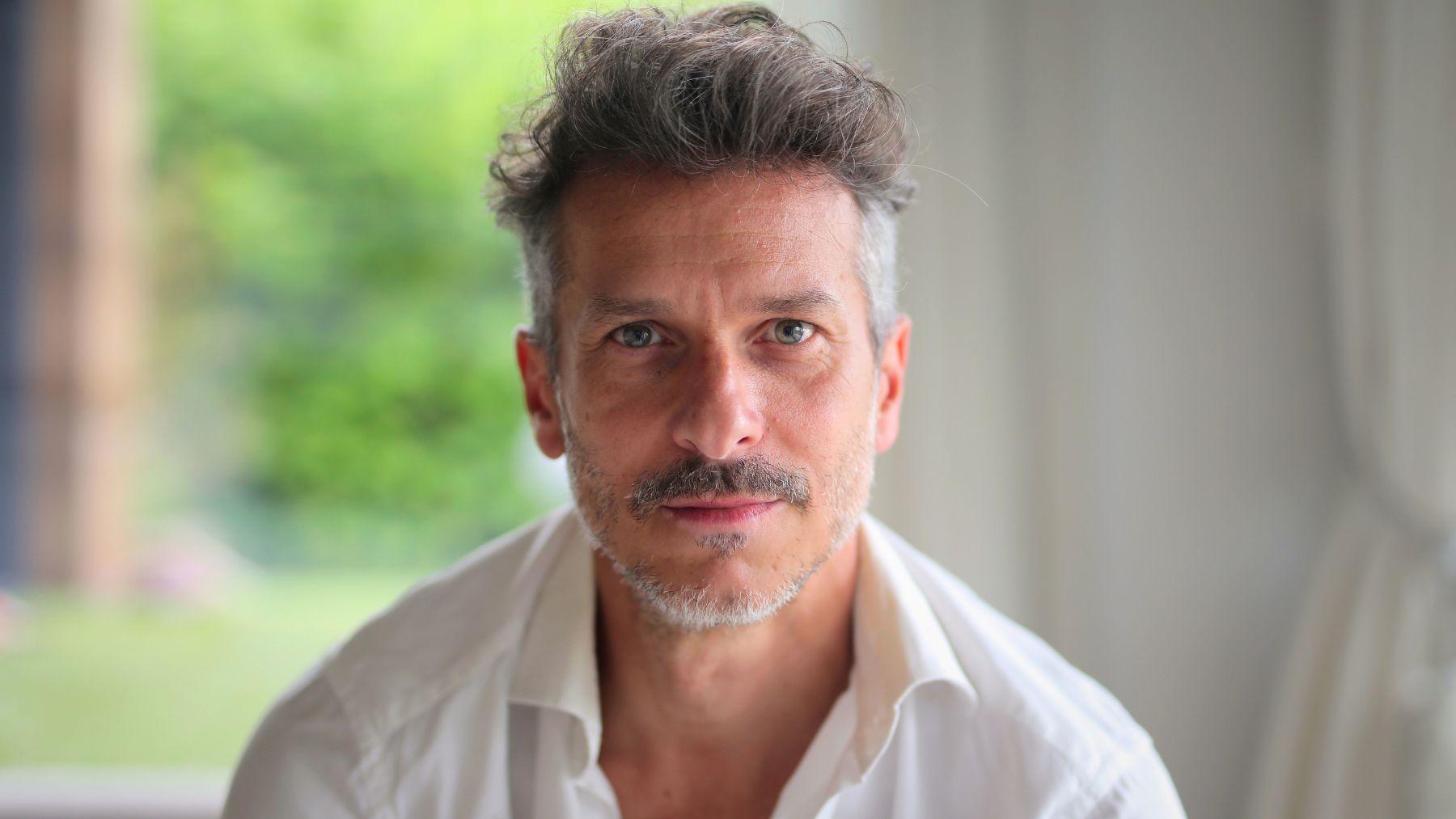
The timeless mid-length haircut addresses common aging hair concerns while preserving sophistication. By incorporating subtle layering and gradual length transitions, this style boosts volume where hair tends to thin, particularly around the crown and temples. The layers introduce natural movement that softens facial contours and diverts attention from receding areas.
You can style this haircut by neatly combing it for formal events or by creating a tousled, relaxed vibe for everyday occasions. The shorter back and sides are carefully tapered with precision scissors, resulting in a clean silhouette free of harsh lines. This balanced design is ideal for men who desire a polished look that is manageable and stylish.
For those with fine or thinning hair, stylists frequently employ texturizing techniques using razors or thinning shears to eliminate bulk while enhancing the hair’s natural body. You can complement it with a light matte product or a spray to add grip and definition without weighing the hair down.
For rounder faces, slightly longer layers on top help elongate the profile, while softer side layers can balance angular jawlines. Regular trims every 4 to 6 weeks will help you maintain a precise shape.
Other haircut options for older men to look young
Besides the classic mid-length cut, other alternatives may better suit your style:
- The pompadour: This modern reinterpretation of a classic retro style adds height and volume at the front. Incorporate a light hold cream to ensure the style remains relaxed rather than rigid. It works especially well with wavy, coarse, or textured hair.
- The layered long cut: When shoulder-length hair is meticulously maintained and layered to remove unnecessary weight, it can exude a sharp and mature sophistication. Instead of a conventional center part, a side part or a swept-back style infuses a sense of refinement.
- The side-swept undercut: This style combines the modern edge of an undercut with the elegance of longer, side-swept hair on top. Keeping the sides closely trimmed while allowing the top to flow naturally creates a balanced silhouette that complements receding hairlines and thinning textures.
The focus is on avoiding overly complicated cuts that require high maintenance or inadvertently highlight sparse areas. For example, harsh fades or extreme contrasts may draw attention to thinning spots, while excessively long hair can appear unkempt when the natural texture is fine. Expert stylists typically advise choosing simpler approaches that celebrate your natural features while minimizing upkeep.
Prioritize haircuts that add subtle volume, complement your facial structure, and integrate with your routine. With guidance from experienced hair stylists, you’re guaranteed to look and feel your absolute best.