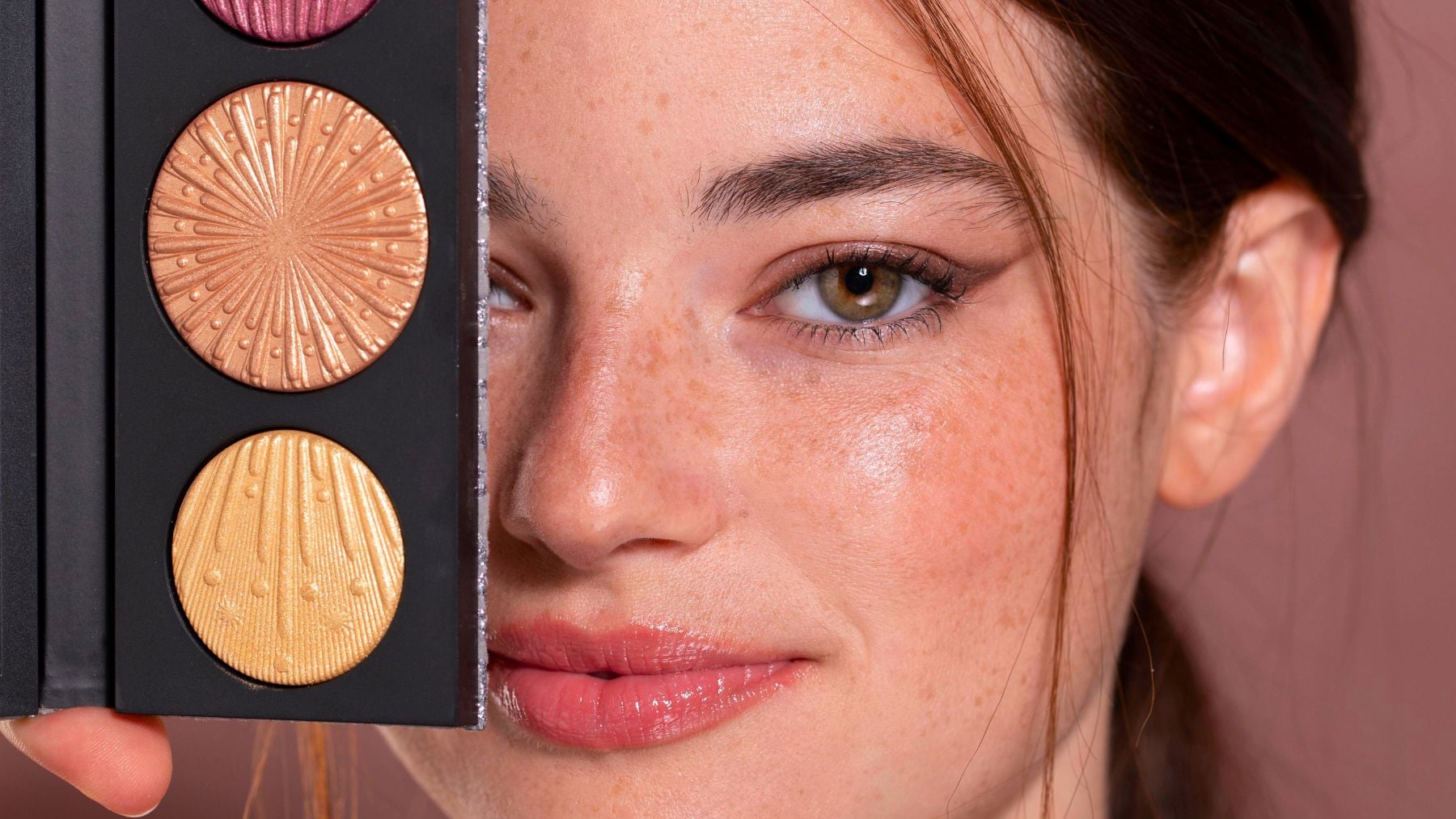
Many of us have experienced a beautiful eyeshadow palette that just doesn’t work for us. The secret may lie in matching the right shades to your colorimetry. Knowing which tones work best for you can transform your looks while allowing you to buy products in a smarter way.
Here, we’ll explain how your natural features can point to your most flattering eyeshadow colors. We’ll cover the best shades for various eye colors and talk about how factors like skin tone and seasonal palettes play a role. Let’s get started.
Choosing eyeshadow shades for your eye color
Your eye color is one of the strongest indicators of which eyeshadow shades will brighten your look. For brown eyes, the options are plentiful. If your eyes have a warmer, amber quality, try adding cooler tones such as soft blues or muted purples. For deeper brown eyes, you might find that bold contrasts like deep plum or warm gold complement you best.
Green eyes benefit from tones that sit opposite green on the color wheel. Look for shades in the purple and red families, such as soft mauves and warm burgundies. Delicate pinks and even hints of copper can add depth without overwhelming your natural color. It’s the right contrast that will let your eyes stand out naturally.
Blue eyes are best enhanced by warm, contrasting shades. Consider eyeshadows that lean toward orange or brown, which can bring out the brightness of blue. Avoid cool colors that may diminish the intensity of your blue. Experiment with shades like soft copper or neutral bronze to create a vibrant yet balanced look.
Other aspects to consider when choosing eyeshadow
While eye color is a major factor, your skin tone and seasonal palette also play important roles in selecting the right eyeshadow. Your skin tone determines how vibrant or subdued a color will appear. If you have a warm complexion, look for eyeshadows with hints of gold, caramel, or bronze. These tie in naturally with your skin and add a healthy glow without clashing with your undertones. For cool skin tones, softer pastels such as lavender, dusty pink, or cool taupe tend to create a harmonious look.
Seasonal color palettes offer another useful guide. If you fall into a spring or summer category, your eyes might be flattered by lighter, more delicate shades. Think peachy tones, soft corals, and airy pastels. In contrast, if you belong to an autumn or winter palette, richer and darker hues can bring out the depth of your natural features. Earthy tones like olive, terracotta, or even navy and violet often work best. By combining insights from your color wheel, skin tone, and seasonal palette, you create a cohesive look that looks balanced and natural.
Understanding your colorimetry can simplify your eyeshadow choices and enhance your natural beauty. When you align your makeup with your eye color, skin tone, and seasonal palette, each look feels more intentional and polished. Use these insights to experiment confidently and find the shades that make your eyes truly shine.