The color purple has captivated people for centuries. Known for its deep and rich tones, it’s a shade that commands attention and evokes strong emotions. From royal robes to spiritual practices, purple has symbolized many powerful ideas. But what does it mean from a psychological perspective?
Psychologists have explored how colors influence our emotions and thoughts, and purple stands out for its unique blend of influences. Formed by combining red’s energy and blue’s calmness, purple strikes a balance between passion and tranquility. Its meanings can vary depending on its shades and contexts, making it one of the most versatile colors in the spectrum.
The positive meanings of purple
In psychology, purple is often associated with wisdom, power, and creativity. These connections stem from its historical use by royalty and leaders to signal wealth and authority. Today, wearing purple or incorporating it into your surroundings can project confidence and ambition. It’s a color that encourages high standards and bold goals, making it a favorite in professional and competitive environments.
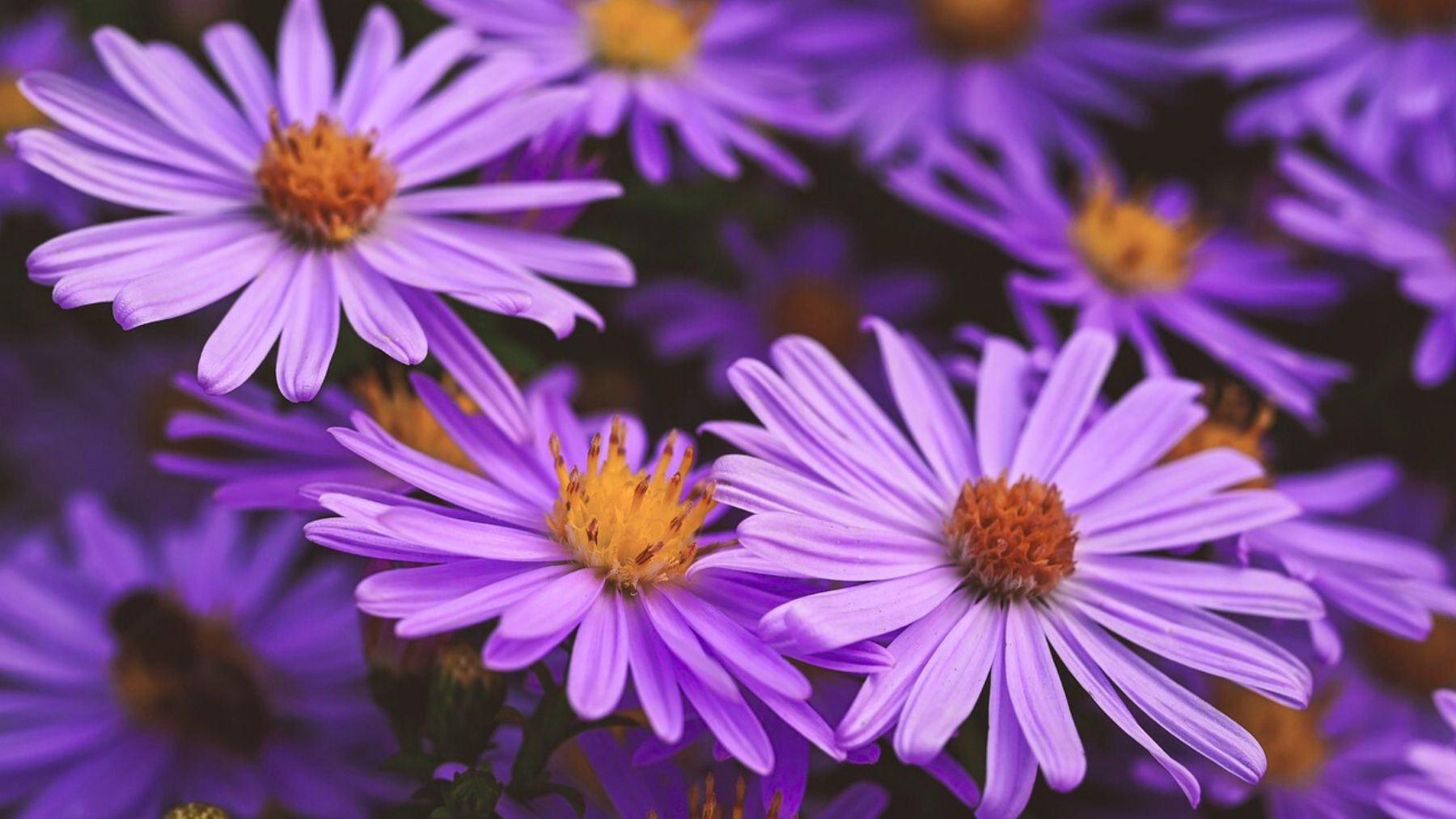
However, purple isn’t solely about strength and drive. Lighter shades like lavender and lilac evoke peace and serenity. These tones are popular in spaces designed for relaxation, such as bedrooms and spas. They calm the mind, reduce stress, and promote a sense of well-being. Similarly, the softer hues are often linked to feelings of trust and gentleness.
Purple also holds significance in spirituality. Darker shades like violet are deeply connected to introspection and higher consciousness. They’re often used in meditation and rituals to encourage a connection with the spiritual realm.
The negative side of purple
As with all colors, purple can have its drawbacks. When overused, it may appear arrogant or overly dramatic. What begins as an air of elegance and authority can quickly turn into vanity or pretentiousness. This is why it’s important to use purple in moderation, especially in personal styling or interior design.
Certain shades of purple, particularly darker ones, can also lead to feelings of sadness and isolation. These tones may resonate with introspective or shy personalities but can cause an overwhelming sense of melancholy if not balanced with brighter accents. In some contexts, purple is even associated with mourning or sacrifice, as seen in religious traditions that use the color during solemn observances.
Shades of purple and their significance
Each shade of purple carries its unique psychological meaning:
- Lilac: Delicacy and softness, often symbolizing youthfulness and innocence.
- Lavender: Relaxation and calm, ideal for creating peaceful atmospheres.
- Violet: Spirituality and depth, promoting introspection and awareness.
- Mauve: Comfort and composure, fostering feelings of reassurance.
- True purple: Power and individuality, representing the desire to stand out.
- Royal purple: Luxury and ambition, rooted in historical connotations of wealth and status.
- Plum: Mystery and sophistication, appealing to those who value elegance.
The color purple is a fascinating blend of contrasts: strength and softness, passion and calm, individuality and introspection. Its psychological impact depends largely on its shade and how it’s used. Whether you’re seeking to project authority, find inner peace, or express creativity, purple offers a rich palette of meanings to explore. By understanding its nuances, you can harness its power to enhance your emotions and surroundings.