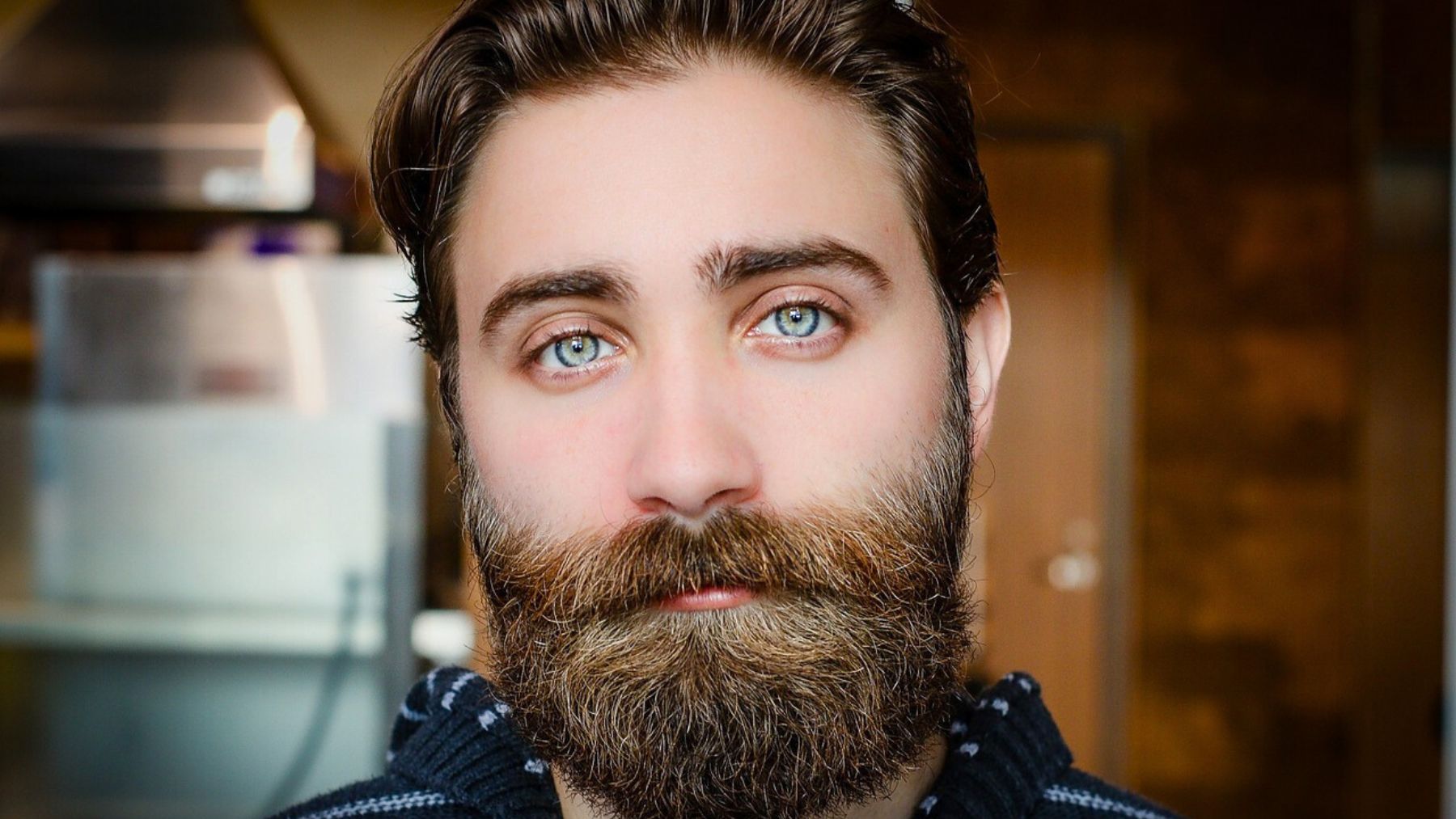
Beards have long been a symbol of masculinity, dominance, and wisdom. But what do they say about a man? According to a study published in Psychological Science by a team of Australian researchers, beards influence perceptions of emotions, social traits, and attractiveness.
In the modern world, beards are everywhere, from Hollywood red carpets to boardrooms. But beyond fashion trends, their psychological and social significance has sparked curiosity among scientists. Are beards simply a sign of manliness, or do they carry deeper messages about personality and behavior? Let’s explore what the research says.
Our perception of beards
Facial hair can significantly impact how people interpret a man’s emotions. In the study, participants were shown images of clean-shaven and bearded men displaying both happy and angry expressions. Interestingly, angry expressions on bearded faces were recognized more quickly than those on clean-shaven faces. This suggests that beards amplify the visual cues of anger, potentially making bearded men appear more dominant or intimidating in certain situations.
However, the same wasn’t true for other negative emotions, like sadness. Participants struggled to identify sad expressions on bearded faces. Clean-shaven men, on the other hand, were more quickly identified as happy, hinting that smooth faces may signal approachability and warmth.
Beyond emotions, beards also shape perceptions of masculinity, aggressiveness, and prosocial behavior. In a follow-up study, participants rated bearded and clean-shaven faces on traits like dominance and kindness. As expected, bearded men scored higher in masculinity and aggressiveness. Surprisingly, bearded men with happy expressions were also seen as more approachable and friendly compared to their clean-shaven counterparts.
This duality highlights an interesting aspect of beards: they can project both strength and warmth. When paired with a smile, a beard’s rough edge softens, making the individual appear powerful as well as relatable.
Why are beards so popular?
The love for beards goes beyond cultural trends. Many studies suggest that women find men with stubble or full beards more attractive, associating facial hair with maturity and parenting ability. Men also rate beards as desirable, possibly viewing them as a marker of dominance and status in social hierarchies.
However, attractiveness isn’t the whole story. Beards also influence perceptions of health, age, and leadership. Men with facial hair are often seen as older and more authoritative. This could explain why beards are so common among political leaders, CEOs, and even fictional characters like Dumbledore.
The evolutionary puzzle
Unlike eyelashes or eyebrows, beards serve no clear biological purpose. They don’t protect against the elements or aid survival directly. Instead, they might have evolved as a way for men to communicate strength, dominance, and maturity to potential mates and rivals.
Beards may have played a role in social hierarchies within early human communities. A prominent beard could have signaled social status or rank, helping to reduce conflicts by making it clear who held power and authority. It may have also provided a visual cue that deterred potential challengers, increasing the chances of survival and reproductive success.