The color of our clothes can influence how others see us and even how we feel about ourselves. Psychology shows that colors are more than just aesthetic choices: they impact our emotions, behavior, and interactions. Among all colors, blue holds a unique place.
According to color psychology experts, blue is often associated with tranquility, trust, and creativity. Angela Wright, a pioneer in color theory, highlights that blue’s calming effect on the nervous system makes it more than a stylistic choice. But how does this play out in daily life? Let’s explore.
Wearing blue promotes calmness, creativity, and trust
The calming nature of blue is not just a perception; it’s rooted in biology. Studies show that blue tones can lower blood pressure, slow heart rate, and ease anxiety. Light blues, in particular, evoke feelings of openness and clarity, making them ideal for environments where focus and relaxation are key.
This is why blue is often used in spaces designed to reduce stress, such as hospitals or yoga studios. Similarly, wearing light blue clothing can help maintain a calm mindset, whether you’re at work or facing a hectic day.
Darker shades of blue, like navy, are often linked to professionalism and reliability. In professional settings, wearing navy or royal blue can create a sense of authority and trustworthiness. Psychologists suggest that this perception is why many corporate uniforms and suits are blue. When you want to leave a lasting impression in a job interview or pitch, opting for dark blue can subtly signal competence and honesty.
Also, if you’re tackling a creative task, blue can be your ally. Lighter shades of blue are said to enhance creativity by creating a mentally stimulating yet calm environment. This makes blue an excellent choice for brainstorming sessions, artistic endeavors, or solving complex problems.
Are there downsides to blue?
Despite its many advantages, blue isn’t perfect for every situation. Experts warn that darker blues can sometimes come across as too formal or even distant, especially in casual settings. For instance, wearing navy to a relaxed gathering might unintentionally make you seem less approachable.
Balancing blue with warmer colors, like orange or yellow, can counteract this effect. These combinations create harmony, softening the sometimes “cold” perception of blue.
How to incorporate blue into your wardrobe
Here are a few ways you can add this color to your daily clothes:
- Office attire: Opt for navy blue blazers, dress shirts, and trousers to convey professionalism and trustworthiness in business settings.
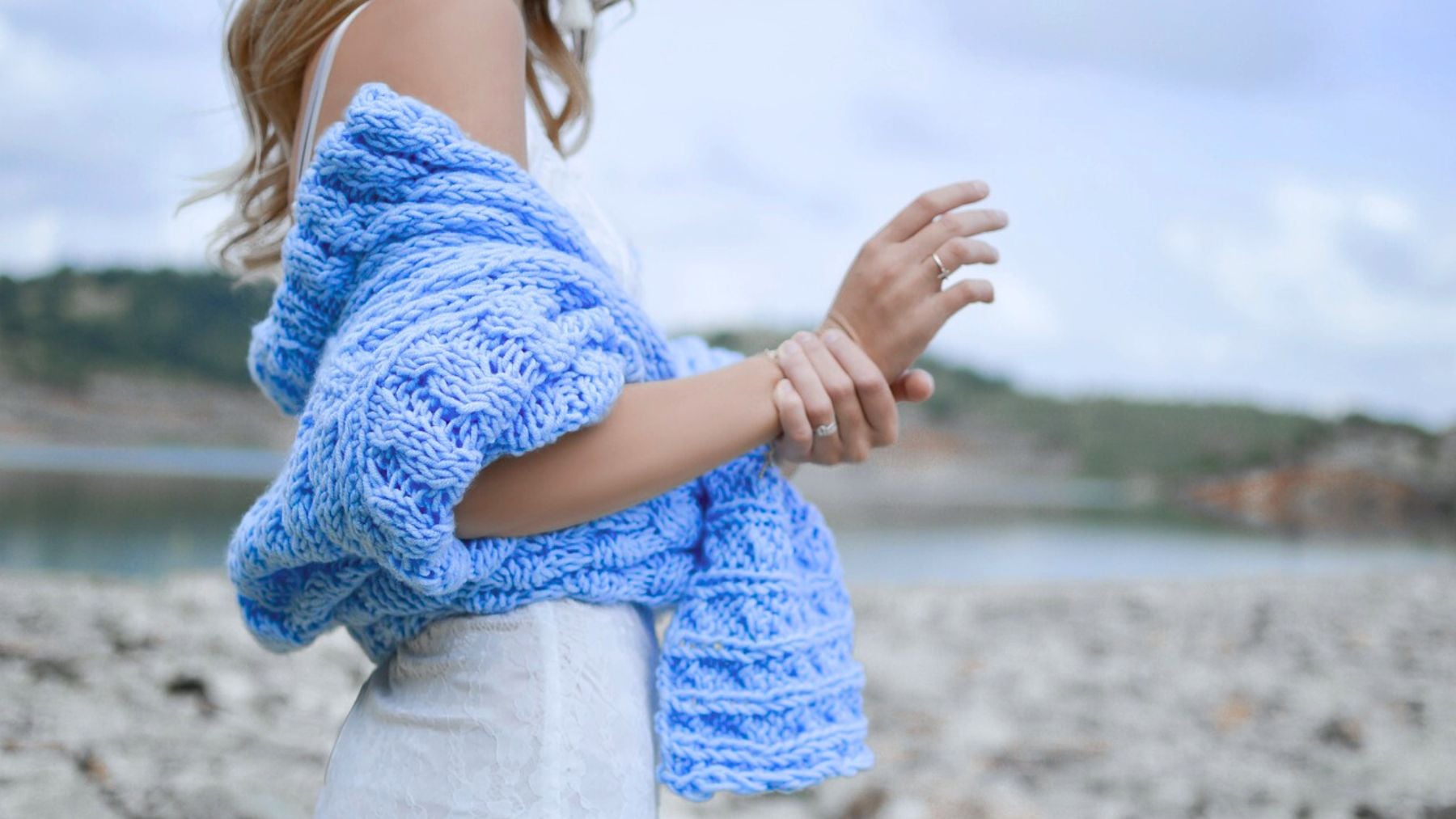
- Casual wear: Integrate light blue t-shirts, jeans, and accessories for a relaxed yet focused look on casual days.
- Activewear: Choose blue workout clothes to benefit from their calming effects during exercise, helping to maintain focus and reduce anxiety.
- Layering: Mix different shades of blue with neutral colors like white, gray, or beige to create a balanced and stylish outfit.
Wearing blue offers numerous psychological benefits, from promoting calmness to boosting creativity and fostering trust. While it’s important to consider context, incorporating different shades of blue into your wardrobe can elevate your style and even influence how others perceive you. So, next time you’re choosing an outfit, remember that the science of color might just work in your favor.