A simple image has the power to reveal a lot about your thought process and cognitive style. Engaging with these visual tests, such as this one about your biggest fear, invites you to explore how your mind organizes and interprets the world.
In the following sections, we’ll explore how your immediate visual perception provides insights into your personality traits and cognitive biases. Although this isn’t a rigorously scientific evaluation, it offers a playful yet meaningful exploration of how you process sensory information and interpret the world around you.
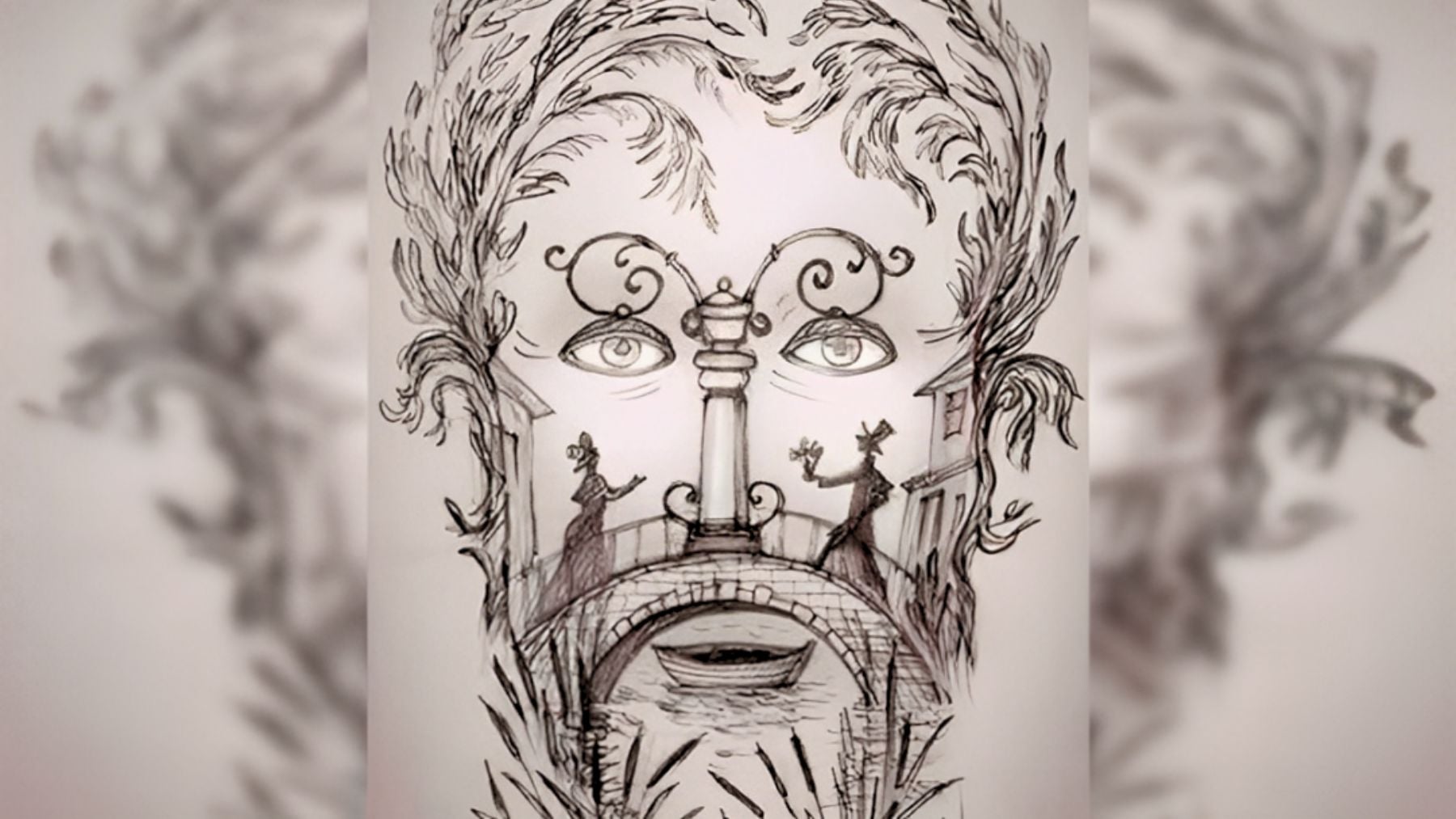
Visual test: What do you see in this image first?
Examine the image above for a few seconds. What immediately catches your eye? Your initial impression—whether it reveals a face, a couple, or another element—may offer clues about your natural interpretative style. Avoid overanalyzing; trust your gut reaction and spontaneous insight.
If you saw a face first
Seeing the face first suggests that you have a reserved and introspective nature. Those who immediately notice a face display a calm, thoughtful presence and approach challenges with careful deliberation. People around you often view you as someone who values clarity and quiet innovation rather than ostentatious expression.
Your analytical mindset and attention to detail inspire trust and respect in professional and personal settings. By processing information internally, you let your reflective insights speak for themselves, creating an impression of reliability and competence.
If you saw a couple first
An immediate focus on a couple indicates that your focus is on relationships and interpersonal dynamics. You naturally gravitate toward the connections that bind people together, presenting yourself as approachable and charmingly quirky. You often come across as socially attuned and lively, with a knack for understanding the nuances of human interactions.
Your playful curiosity and warm demeanor make you a delightful conversationalist, effortlessly blending humor and empathy. This social flair not only endears you to others but also highlights your genuine appreciation for collaboration and emotional bonding in diverse settings.
If you saw a bridge first
Observing a bridge first means your perspective is marked by an unmistakable eccentricity that sets you apart from the crowd. Your imaginative approach to life challenges conventional boundaries and sparks innovative ways of thinking. Others perceive you as a visionary who sees limitless connections and possibilities where most see only division.
Your capacity for connecting seemingly disparate ideas and forging new pathways reflects a bold, creative style that is both captivating and inspiring. This unconventionality often makes you a trendsetter and natural mediator in dynamic environments, leaving a lasting impression on anyone who engages with your unique worldview.
More on the results of the test
While these interpretations aren’t scientifically definitive, they offer a reflection on the way you process visual stimuli and form impressions. Your brain filters and prioritizes information in a manner uniquely your own.
The next time you confront a decision, consider how your perceptual tendencies may influence your choices and judgments. Cultivating self-awareness is a key step in understanding both your personal and professional interactions, and it can ultimately guide you toward more thoughtful decisions.