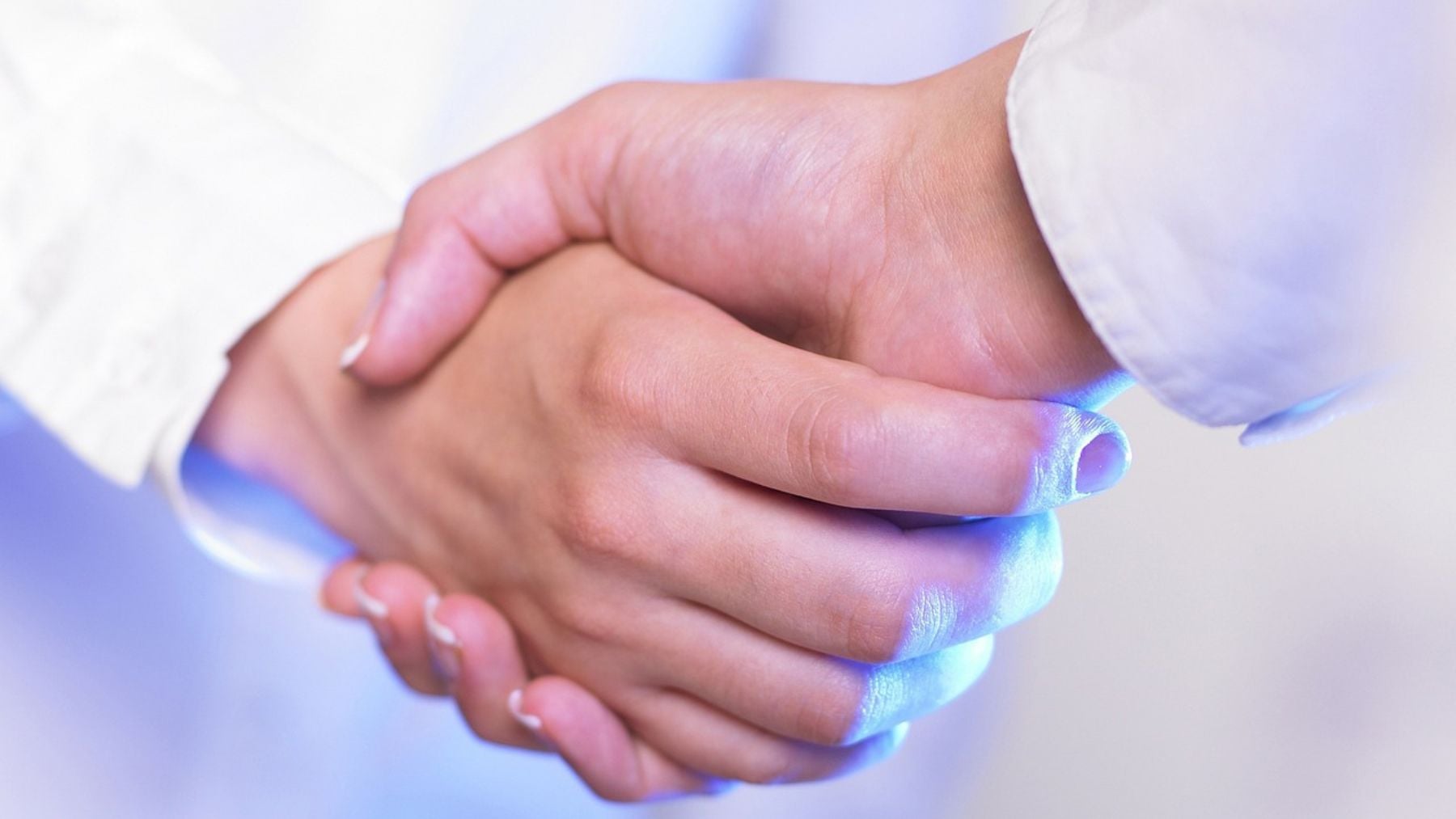
When we greet someone, the way we extend our hand says more than we think. From the firmness to the pace, this seemingly simple action can reveal layers of personality traits and emotional tendencies.
Experts agree that handshakes are a form of nonverbal communication, a window into our inner selves. Understanding the way you shake hands can offer surprising insights into your character and how others perceive you. Let’s explore what your handshake style might be saying about you.
The firm handshake
A firm handshake is a sign of confidence and self-assuredness. People who use this style tend to be assertive, open-minded, and comfortable in their own skin. Their handshakes are steady, with the right amount of pressure to convey strength without being overbearing.
This style often belongs to natural leaders who thrive in social and professional settings. They’re proactive, quick to make decisions, and unafraid to take on challenges. Their ability to balance confidence with approachability makes them effective communicators who inspire trust.
If this sounds like you, your handshake is likely helping you leave a strong impression in job interviews, business meetings, or casual introductions.
The gentle handshake
A soft or loose handshake often signals a reserved or introspective personality. People with this style might shy away from the spotlight and prefer quieter interactions. While this doesn’t necessarily indicate a lack of confidence, it does suggest a more cautious and reflective nature.
Those who greet with a gentle handshake are often deep thinkers. They like to observe and analyze before acting. While this can be an asset in strategic situations, it may sometimes come across as insecurity or hesitation in social contexts.
If you recognize yourself here, consider whether your handshake reflects the impression you want to make. A little extra firmness might help convey greater confidence without losing your natural warmth.
The quick handshake
A short and almost abrupt handshake can indicate a busy or restless personality. People with this style are often on the go, mentally or physically. They may appear anxious or preoccupied, even when they aren’t.
This handshake is common among highly dynamic individuals who thrive on action and productivity. However, it might unintentionally send a message of disinterest or impatience, especially in one-on-one interactions.
If this matches your style, slowing down and showing you are present in the moment can make a difference. Taking a few extra seconds for a more deliberate handshake can help you connect better with others.
The overly firm handshake
An overly strong handshake can signal a need to assert dominance or control. While it might come from a need to impress, it often leaves the opposite impression, making others feel uncomfortable or intimidated.
People with this handshake are usually highly driven and competitive. They might not realize how their intensity affects others. If this sounds familiar, aim to moderate your grip. A handshake should communicate confidence, not competition. Balancing strength with subtlety can create a more positive interaction.
Understanding your handshake style is an opportunity to refine how you present yourself. A small adjustment in the way you greet others can enhance your connections, leave a lasting impression, and even boost your personal and professional relationships. Next time you extend your hand, think about the message you’re conveying and the perception you want to create.