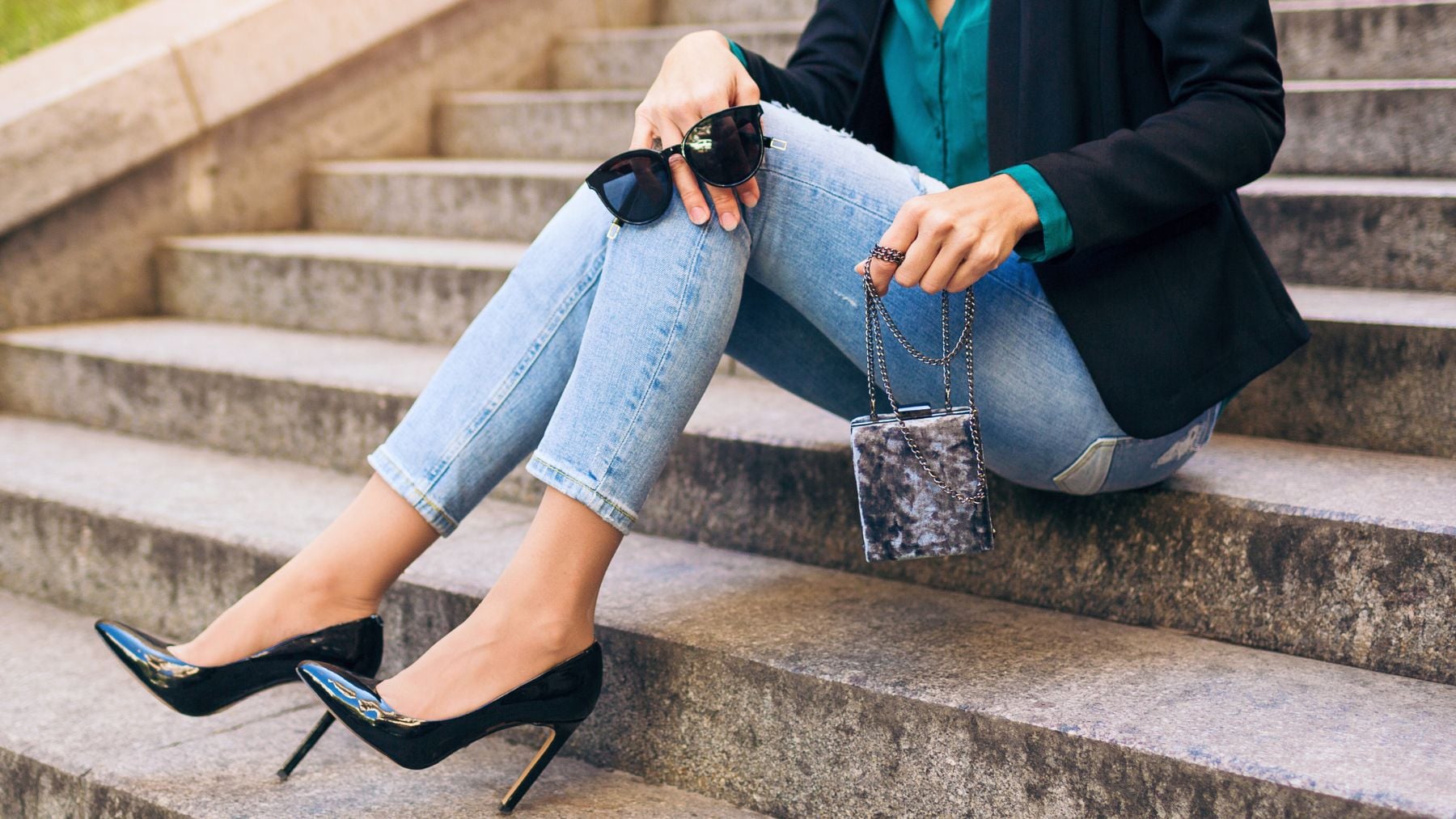
A pair of heels can shift your posture and your mindset in seconds. Many women reach for them when they want to feel grounded, assertive, or more like themselves. Psychologists say this is not just a habit, and that your footwear can influence how you think and how you carry yourself.
Studies suggest that shoe choices reflect emotional states and shape them at the same time. Let’s look at why heels can raise confidence, how they affect mood, and what other clothing items women use to express identity, security, and emotional needs.
Why high heels influence confidence
Heels change the way you move. They lift your body, shift your center of gravity, and create a more deliberate stride. That physical change feeds into mental cues. This is part of embodied cognition, the idea that the body and mind influence each other in real time. When your posture aligns with power or control, your internal state often follows.
Women often reach for heels when they want to make their presence stronger, for a meeting, a date, or a social event that requires more energy. Heels can signal femininity and control, one that does not just reach others. It loops back, shaping your own sense of authority. Studies tied to self-esteem and positive emotion show that when you feel aligned with how you present yourself, your confidence rises.
Heels can also stir complicated emotions. Some women associate them with major life transitions or memories, from first jobs to big nights out. That emotional residue sits in the background. It can shape how you feel the moment you put them on. For some, heels mask insecurity. For others, they become a reminder of strength, identity, or independence.
But not all heels feel empowering. If a pair is unstable or painful, the effect can flip, raising tension instead of confidence. The psychology shifts with how well the shoe matches your physical and emotional state. When the choice feels intentional, the boost is stronger. When the choice feels forced, the mood drop is noticeable.
Other clothing choices and their effect
Clothing choices carry emotional weight, and many women use specific items to shift their mood or steady themselves during uncertain moments. Here are a few examples:
- Sneakers: Often linked to freedom and ease. They lower pressure and create a sense of safety when the day feels heavy or overstimulating.
- Boots: Associated with protection and strength. Many women wear them when they need a little extra resilience or stability.
- A structured blazer: It can sharpen your posture and give you a sense of purpose when you need clarity or authority.
- Hats: Headwear can reflect mood and identity. A hat can make you feel expressive, shielded, or a bit bolder than usual.
- Bold accessories: Statement earrings, a bright bag, or unique sunglasses act as small anchors. They help you express personality without reshaping your entire outfit.
Clothing shapes how you move through the world, and that movement influences your thoughts and emotions. A well-chosen item can settle anxiety, lift energy, or help you feel more like the version of yourself you want to bring forward that day.