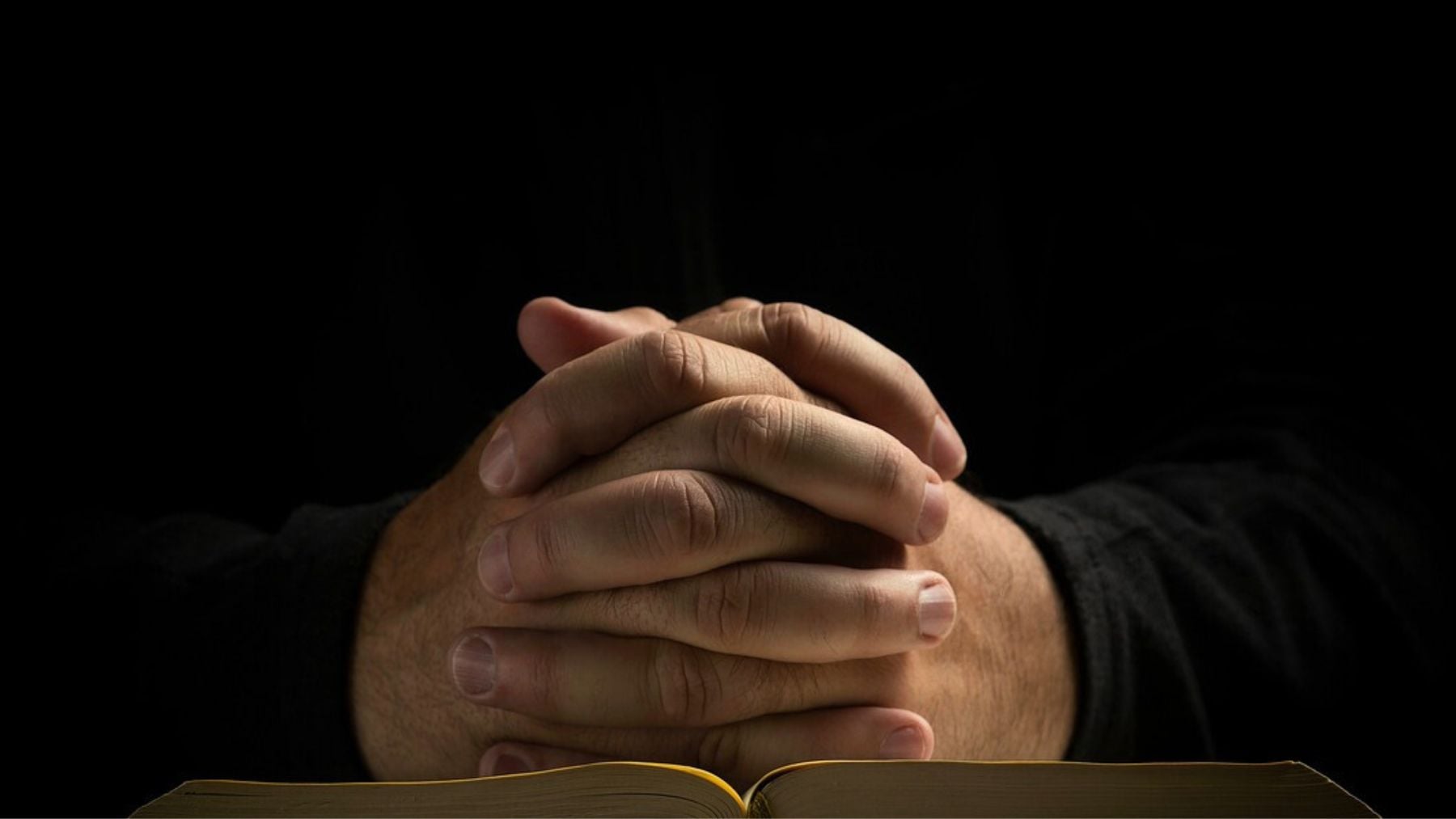
When it comes to body language, most of us tend to analyze facial expressions. But if you want to truly decode someone’s emotions—even from a distance—pay attention to their hands. Interlacing fingers and tightly clasping the palms might indicate deep insights into a person’s emotions.
Let’s explore the fascinating meanings behind clasped hand behaviors, especially those we reserve for moments of stress, anxiety, or even authority. These gestures, often performed subconsciously, can reveal a lot about our emotional state.
When do we clasp our hands and why?
One of the most common ways people clasp their hands is by interlacing their fingers. This gesture maximizes physical contact and provides a comforting sense of security, almost like holding hands with someone else. According to experts, this self-soothing technique is often seen during moments of anxiety or nervous anticipation. For instance, you might notice someone clasping their hands in this way during a job interview or while waiting for important news.
Dr. Tiffany Field of the Touch Research Institute explains that the pressure created by interlacing fingers stimulates sensitive nerves in the hands. This helps to calm the nervous system, lower heart rate, and reduce stress. It’s a natural response to situations where emotions run high.
This behavior is comparable to other self-soothing actions, like rubbing a lucky charm or tapping your fingers. It’s our brain’s way of grounding us in physical sensations when emotions threaten to overwhelm us.
A less common but equally revealing gesture involves clasping the hands with the palms facing up. This position feels awkward to hold, and that’s precisely why it’s significant. The unusual positioning creates tension in the hands and fingers, which can act as a tactile distraction during extreme emotional distress. This behavior might surface in heated arguments or after hearing bad news.
What hand positioning reveals
The position of clasped hands relative to the body also plays a role in conveying emotions. For example:
- Hands in the lap (seated): A common position during interviews or formal settings, this placement suggests mild nervousness or a desire to appear composed.
- Hands held high (under the chin): When hands are clasped closer to the face, it often signals heightened anxiety or distress. This might occur after hearing shocking or upsetting news.
- Behind the back: Clasping hands behind the back, on the other hand, conveys confidence and authority. By leaving the front of the body exposed, the individual appears open and in control, often seen in leaders or those wanting to project dominance.
While facial expressions get most of the attention in body language analysis, our hands are just as expressive. The gestures we reviewed offer valuable clues about what someone is feeling.
The next time you’re in a tense conversation or observing someone from across the room, take note of their hands. Are they fidgeting, clasped tightly, or calmly interlaced? These subtle movements might be saying more than words ever could.