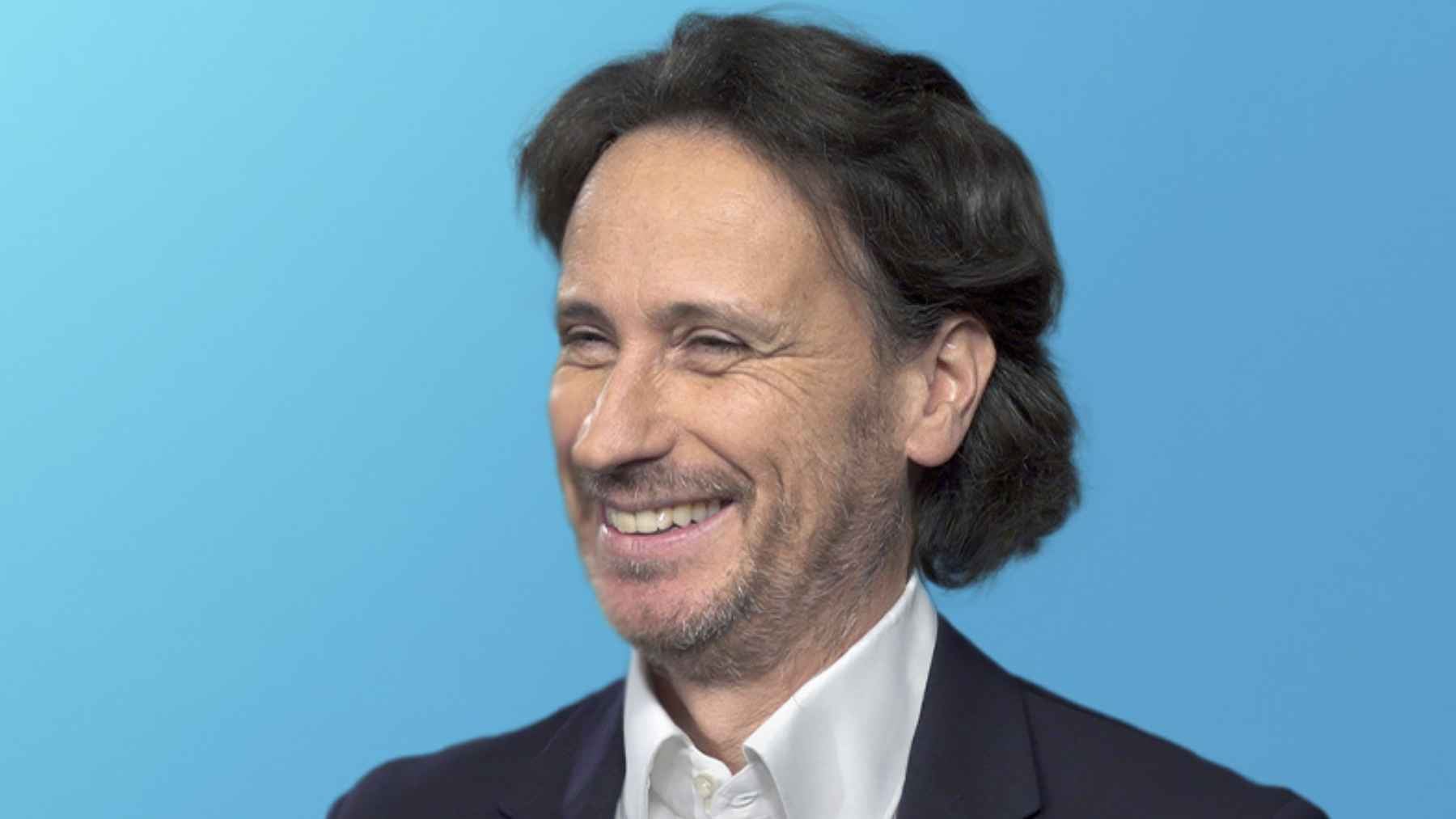
Intelligence, credentials, and visible success get the loudest applause in schools and workplaces. Speaker and educator Víctor Küppers argues that character deserves more weight because the way a person treats others can leave a deeper mark than raw ability.
Translated from Spanish, his most quoted line puts it plainly, “We should not admire someone’s intelligence; we should admire whether they are a good person.” His point is not that knowledge is useless. It is that talent without respect can feel hollow, while kindness, empathy, and integrity shape daily life.
Why character come first
Küppers treats intelligence as partly luck, while becoming decent takes repeated choices. He asks audiences to notice the difference between a trait someone happens to possess and the conduct they practice day after day. In his view, respect belongs to the second category.
His official biography offers a more precise description of his professional background. Küppers holds a degree in Business Administration and a doctorate in Humanities, works as a trainer and speaker, and has taught at the University of Barcelona, the International University of Catalonia, and the Autonomous University of Barcelona.
He also says his role is to share specialists’ ideas rather than present himself as a researcher.
Positive psychology itself is a research field, not just a call to smile more. The University of Pennsylvania’s Positive Psychology Center defines it as the scientific study of factors that help individuals and communities thrive. That distinction matters when evaluating any motivational message.
The attitude multiplier
To make his idea memorable, Küppers uses a simple equation in words. Knowledge and skills are added together, then multiplied by attitude. Here, attitude means more than a cheerful mood and includes how someone behaves, cooperates, and responds when pressure arrives.
Read literally, no equation can calculate a human being’s worth. Read as a metaphor, however, the framework asks a practical question. What happens when two equally qualified coworkers enter the same tense meeting, but only one listens, shares credit, and treats everyone with respect?
What research supports
The equation is best read as a speaking device, not as a validated psychological test. Still, broader research supports a more modest version of his message.
A 2020 meta-analysis pooled 201 independent samples and 198,213 participants, finding a small but statistically reliable association between prosocial behavior, meaning actions intended to help others, and well-being; informal helping was often linked more strongly than formal volunteering.
That result does not prove that every kind act makes a person happy, and it does not mean optimism erases hardship. The association varied according to the type of helping and the kind of well-being being measured. Science adds useful shading where motivational language can sometimes sound too tidy.
Listening matters too. A 2015 brain-imaging study found that perceiving active listening was associated with activity in reward-related brain systems and a more positive emotional appraisal.
The finding does not settle every question about conversation, but it supports a familiar experience in which being heard feels different from watching someone glance at a phone while waiting to speak.
Respect in everyday moments
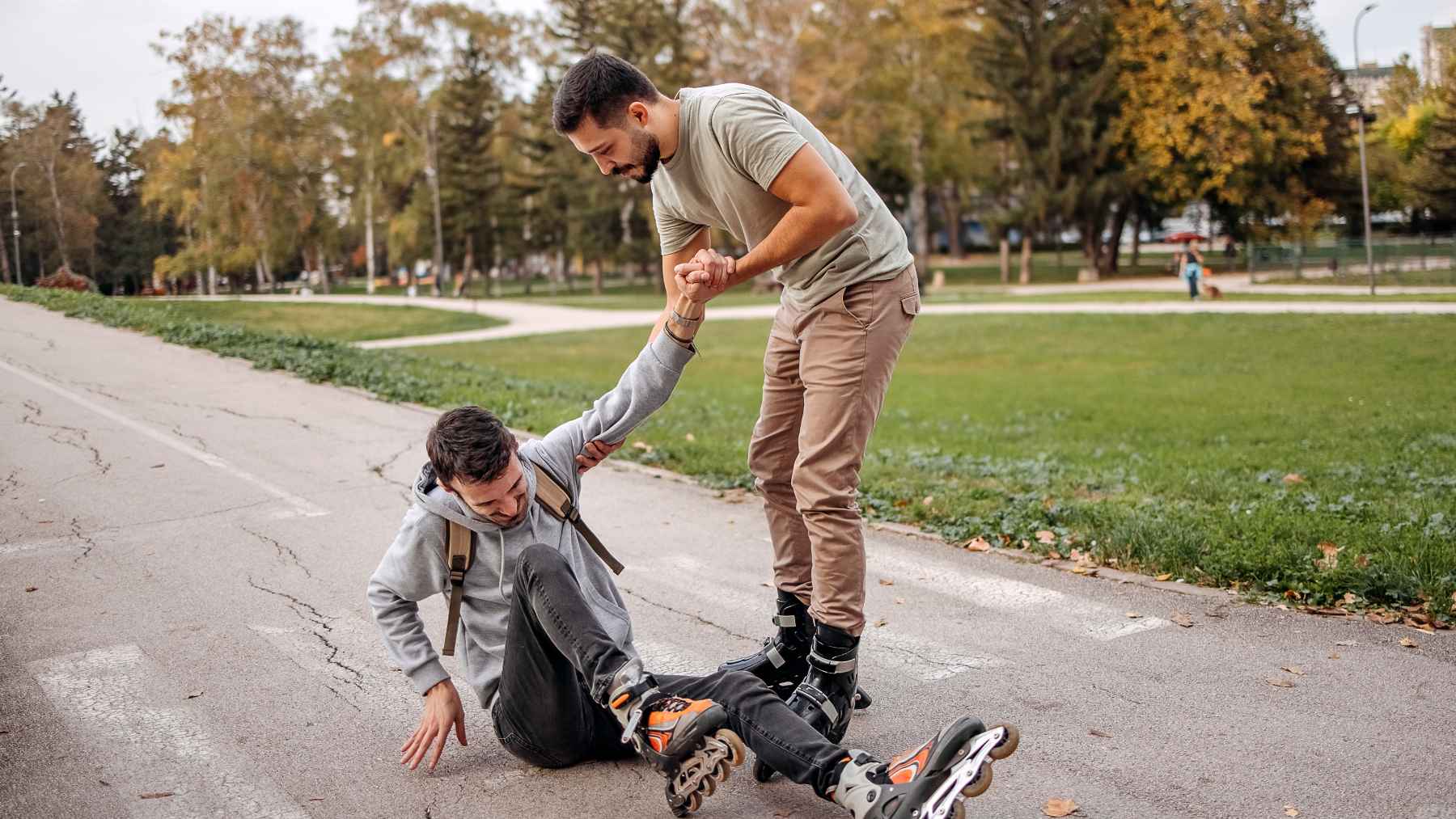
Küppers says character appears in small behaviors. Smile when greeting someone, say please and thank you, treat people with the same respect regardless of status, and let another driver merge during a traffic jam. None of that requires a diploma.
His idea of a “present mind” is just as simple. When someone talks, stop scrolling, look up, and give the conversation enough time. In a world of buzzing phones, half-read messages, and hurried replies, full attention can become a quiet form of respect.
He also treats goodness as a practice rather than a permanent label. People can strengthen it through repeated choices, just as impatience, arrogance, and indifference can become habits. The work is ordinary, and that is precisely the point.
A useful message with limits
The message lands because it pushes back against the scoreboards people see every day. Grades, promotions, job titles, and income are easy to count, while patience, honesty, and generosity are harder to display on a profile.
Yet those less visible qualities can shape whether a classroom, office, or home feels fair and safe.
Being kind does not mean being passive, endlessly upbeat, or unqualified, and knowledge and skill still matter in medicine, engineering, teaching, and every job where mistakes carry consequences.
Küppers’s stronger point is that competence tells us what someone can do, while character shapes how that ability is used
Watch the full talk on BBVA’s Aprendemos Juntos 2030.