“The intelligence of a person is measured by the amount of uncertainty they can bear.” The line circulates online as a sharp test of mental strength, usually under the name of Immanuel Kant. It feels made for an age of instant searches, confident notifications, and algorithms that rarely leave an empty space unanswered.
There is one major problem because the sentence has no verified primary source in the standard collections checked for this article, so it should not be presented as a confirmed Kant quotation. Still, modern psychology supports a narrower and more interesting idea.
Facing incomplete information without grabbing the first available answer can help people think more carefully, although it is not an exact measure of intelligence.
The attribution problem
The philosopher’s writings have been gathered in the Academy Edition, the standard scholarly collection of his work, and much of that material is searchable through the Bonner Kant Corpus.
The viral sentence circulates without a book title, volume, page number, or original German passage. For now, “often attributed to Kant” is the accurate wording.
He did write extensively about the limits of human knowledge. In “Critique of Pure Reason,” he argued that good judgment includes knowing which questions reason can properly ask, rather than inventing confident answers to questions that cannot be rationally settled. That is close in spirit, but it is not the same quotation.
A stronger historical match comes from poet John Keats. In an 1817 letter, he described “negative capability” as remaining in “uncertainties, Mysteries, doubts” without impatiently forcing facts and reasons into a tidy conclusion. The resemblance is striking, but it does not prove that the viral wording came from Keats either.
What psychology measures
Psychologists use several related concepts, and they are easy to mix up. “Need for cognitive closure” means wanting a firm answer and feeling uncomfortable with ambiguity.
Arie Kruglanski and Donna Webster described how people under this pressure may “seize” an early explanation and then “freeze” on it, resisting information that could reopen the question.
That tendency can rise when people are tired, rushed, bored, or surrounded by distracting noise. Think about a tense work meeting where everyone wants a decision before the evidence is ready. The fastest answer may feel calming, but calm is not the same thing as accuracy.
Crucially, the classic research did not establish that need for closure is simply the opposite of intelligence. A 2023 study by Stephen Cuppello, Luke Treglown, and Adrian Furnham examined 3,836 adults using a workplace personality assessment and a multidimensional intelligence test across City, University of London, Thomas International, and BI Norwegian Business School.
Tolerance of ambiguity was a consistent positive correlate of intelligence scores, but correlation is not causation and the finding does not turn uncertainty tolerance into a definitive IQ test.
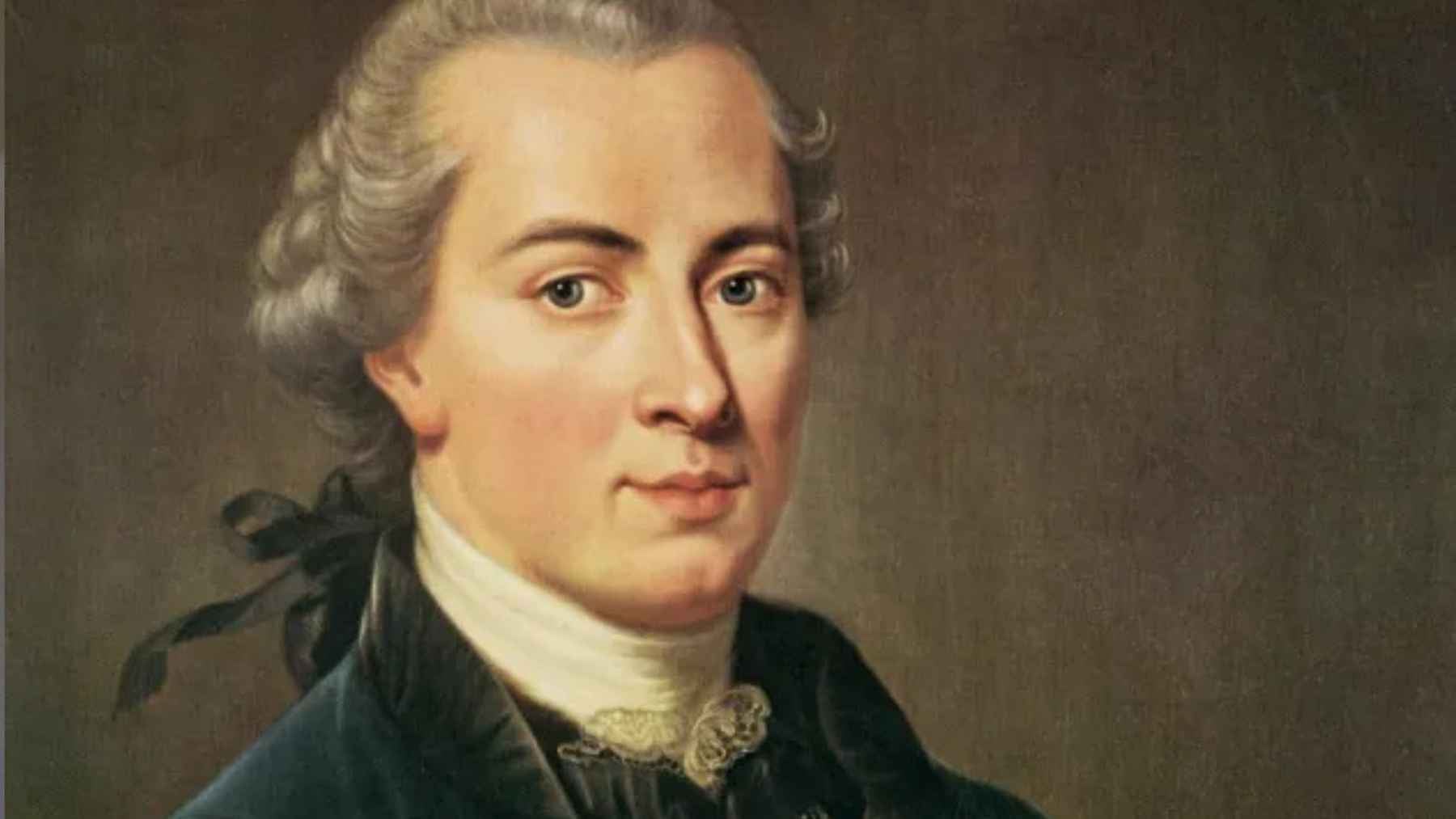
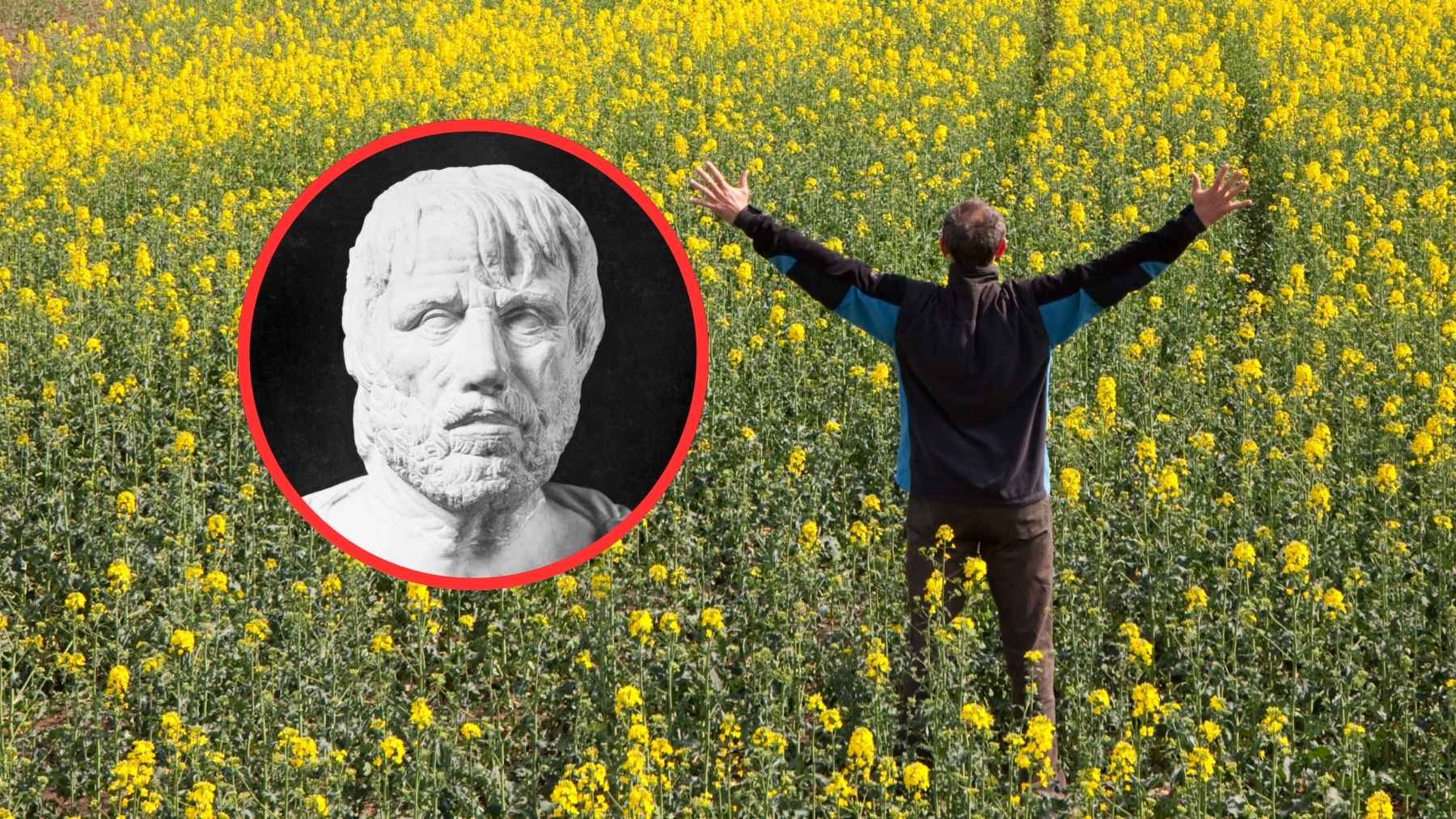
An 18th-century portrait of a European philosopher whose writings explored reason, knowledge, judgment, and the limits of certainty.
Why uncertainty feels difficult
Intolerance of uncertainty is slightly different from ambiguity tolerance. It describes difficulty coping when important information is missing and the future cannot be predicted. A job decision, a medical test, money trouble, or silence from someone you love can leave the mind searching for certainty long after midnight.
A 2023 meta-analysis combined 91 studies involving 30,239 participants. It found a moderate link between intolerance of uncertainty and less helpful ways of handling emotion, along with an inverse link to more adaptive strategies.
That does not mean everyone who dislikes uncertainty has a disorder, but it helps explain why the unknown can trigger rumination, repeated checking, or reassurance seeking.
Another 2023 review by Michelle Miller and Joseph McGuire at Johns Hopkins University School of Medicine examined 28 randomized trials.
It found that evidence-based psychological treatments can reduce intolerance of uncertainty and related anxiety symptoms. The effect is not an instant escape from stress, but the evidence suggests this pattern can change rather than remaining a fixed flaw.
A better mental test
So, how can the idea be used without turning it into another viral personality label? Before making a difficult decision, separate what is known from what is assumed. Then identify the next action that is useful and reversible, set a reasonable deadline, and look for evidence that challenges your favorite explanation.
Tolerating uncertainty does not mean doing nothing, ignoring facts, or surrendering life to chance. It means acting with incomplete information while staying ready to update your view. In practical terms, a flexible mind can say, “I do not know yet,” without collapsing or pretending that doubt has disappeared.
Perhaps that is the real test. Can you hold two plausible explanations, resist the comfort of a snap judgment, and still take the next sensible step? Intelligence is larger than any single habit, but intellectual honesty often begins in that uncomfortable space.
The main study on intelligence and tolerance of ambiguity was published in the Journal of Intelligence.