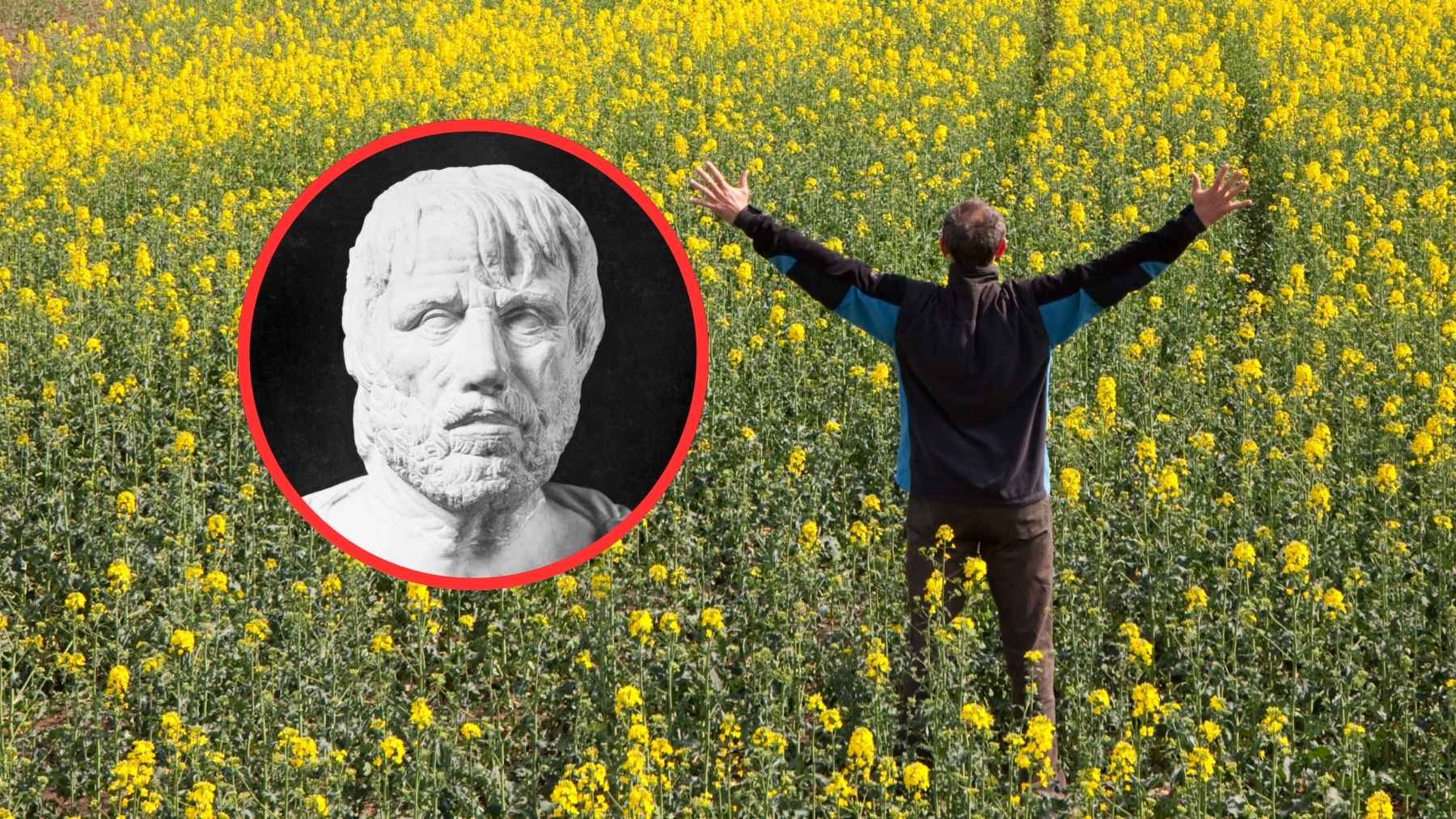
An exam, a job interview, a move, or the judgment of other people can grow into a monster before it even happens. The event has not changed, but the mind has filled the empty space with worst-case scenes.
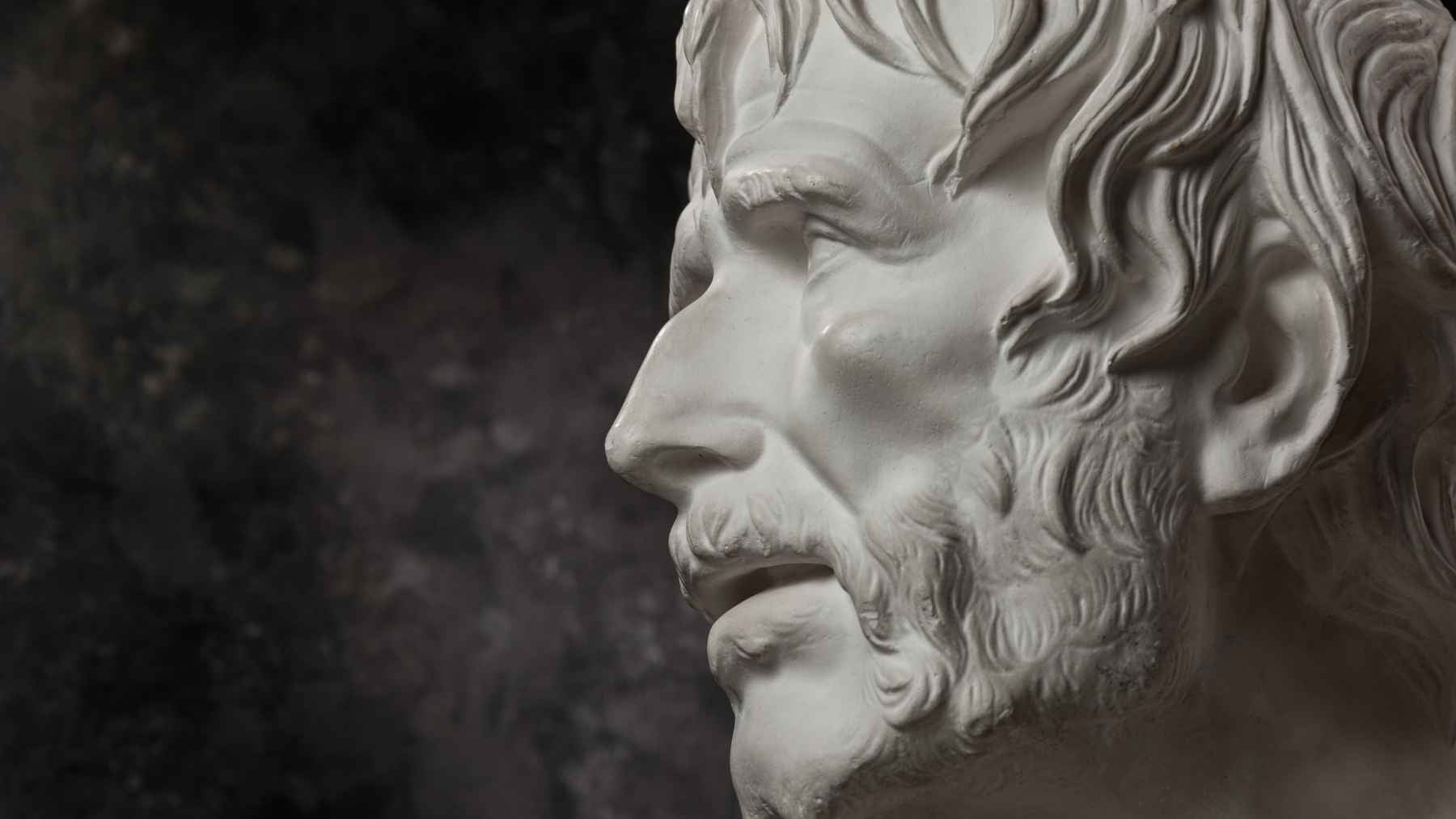
Nearly two thousand years ago, Seneca described the same pattern in a letter to Lucilius. His point was not that danger is imaginary, but that progress begins when we test fear against reality instead of letting anticipation make the decision for us.
What Seneca actually wrote
The wording often shared in modern languages varies by translation. In Letter 4 of the Moral Letters to Lucilius, one classic English version says that “some things are less to be dreaded, precisely because they inspire us with great fear.”
The letter is commonly titled “On the Terrors of Death.” Seneca was considering the largest fear of all, not merely the nerves that arrive before an exam, and he urged Lucilius to train his judgment rather than let fear control every hour before the feared event.
That context matters. The Roman Stoic was not arguing that every threat is harmless or that sensible caution is weakness. His point was that anticipation, habit, and judgment can make a danger occupy far more space in the mind than the facts justify.
Why uncertainty feels so threatening
Modern psychology offers a useful echo, although Stoic philosophy and clinical science are not the same thing.
A review of uncertainty and anxiety by Dan Grupe and Jack Nitschke of the University of Wisconsin-Madison describes anxiety as a future-focused response shaped by uncertainty about possible threats.
When the outcome is unknown, the mind tries to prepare by calculating what could go wrong. That can be useful, but it can also inflate the likelihood or cost of a bad outcome, keep attention fixed on danger, and make avoidance feel like the safest choice.
That is why the night before an interview can feel worse than the interview itself. There is no answer yet, so imagination keeps opening new tabs. The waiting becomes its own event.
Progress means testing fear
The key verb in Seneca’s passage is “advance.” He was not promising wealth, fame, or instant confidence. Progress meant practicing clearer judgment and becoming less ruled by the first frightening impression.
In practical terms, one small action can replace a cloud of possibilities with information. Opening the textbook, sending the application, asking the difficult question, or walking into the room does not guarantee success, but it gives the mind something real to work with.
Courage, then, is not the disappearance of fear before action. It is the decision to move while fear is still talking. Step by step, experience begins to correct imagination.
Facing fear can reduce its power
There is a careful modern parallel in exposure therapy, a form of cognitive behavioral therapy. The National Institute of Mental Health explains that people face feared situations gradually and in a supportive setting, allowing them to learn to tolerate distress and reduce fear over time.
This does not mean someone with a phobia, panic disorder, or trauma should simply force themselves into the most frightening situation. Clinical exposure is planned, progressive, and often guided by a qualified professional. Safety matters.
Still, the broader pattern is familiar. Avoidance can preserve the mystery surrounding a fear, while safe experience can show that the imagined disaster is not inevitable. The mind finally receives evidence, not just predictions.

Not every fear is an illusion
Fear is also a warning system. A dangerous road, an abusive relationship, a worrying medical symptom, or a serious financial risk should not be dismissed as a trick of the mind.
The useful question is not “How do I stop feeling afraid?” A better question is “What evidence supports this fear, what can I control, and what is the next safe step?” That shift separates preparation from paralysis.
This distinction keeps Seneca’s advice from becoming reckless. Growth means reducing exaggerated fear while respecting genuine danger. Sometimes walking away is the courageous action.
A lesson that still fits modern life
Students facing an exam, young adults choosing a future, and workers starting again after a setback all meet the same gap between prediction and experience. From a distance, the challenge can look like a mountain. Up close, it becomes a series of steps.
Sometimes the outcome is difficult. Sometimes the fear was accurate, but even then, action can reveal resources, alternatives, and resilience that waiting alone never shows.
That may be the most durable part of Seneca’s message. We do not become fearless first and then move forward. For the most part, we learn what fear is worth by moving forward carefully.
The original passage appears in Seneca’s Letter 4, and an authoritative modern edition has been published by the University of Chicago Press in Letters on Ethics.