Bloating, slow digestion, and that heavy feeling after a meal are common complaints. They can make anyone reach for an old family remedy, from warm lemon water to soaked prunes or mint tea.
But “cleaning the intestines” is not quite what the body needs. The useful part of many traditional remedies is simpler, since they may provide fluid, fiber, movement, or comfort without an aggressive purge.
Your intestine is not dirty
The digestive tract already moves food, absorbs nutrients, and removes waste. A “colon cleanse” is not a medical requirement for most people, and there is no good evidence that juice fasts, supplements, or colon irrigation remove vague toxins from the body.
The National Center for Complementary and Integrative Health says detox research is limited and generally low quality. It also warns that colon-cleansing procedures can cause serious side effects, especially in people with digestive, kidney, or heart conditions.
Constipation is different. It often means fewer than three bowel movements a week, hard or dry stools, straining, or feeling that stool remains, and those symptoms call for practical support rather than a dramatic purge.
Start with water, not a detox
Warm lemon water can be a pleasant morning ritual, but its clearest benefit is hydration. There is no convincing evidence that lemon flushes the colon or performs a special intestinal cleanse, and plain water replaces fluid just as well.
Water also helps dietary fiber soften stool and move through the bowel. About 6 to 8 cups a day may suit many adults, but needs vary with body size, activity, medications, health conditions, and that sticky summer heat we all know.
People with heart or kidney disease may need individualized fluid advice. More water is not automatically better.
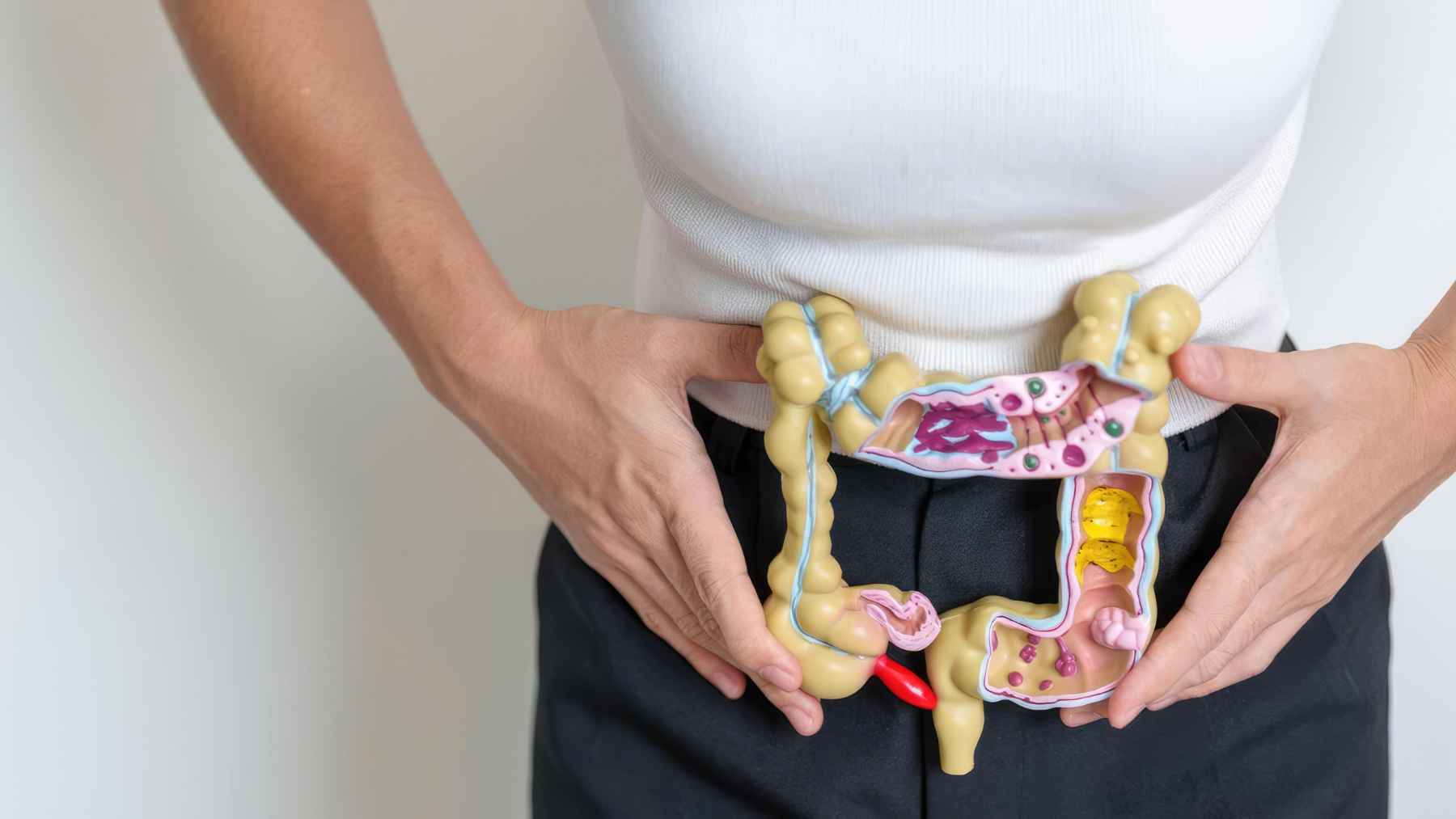
A colon model illustrates the digestive system as experts explain why hydration and fiber are more effective than detox cleanses for constipation.
Fiber does the real work
Fiber adds bulk and holds water in stool, helping it pass more easily. Adults generally need about three-quarters of an ounce to 1.2 oz. daily, depending on age and sex, but it should be increased gradually to reduce gas and bloating.
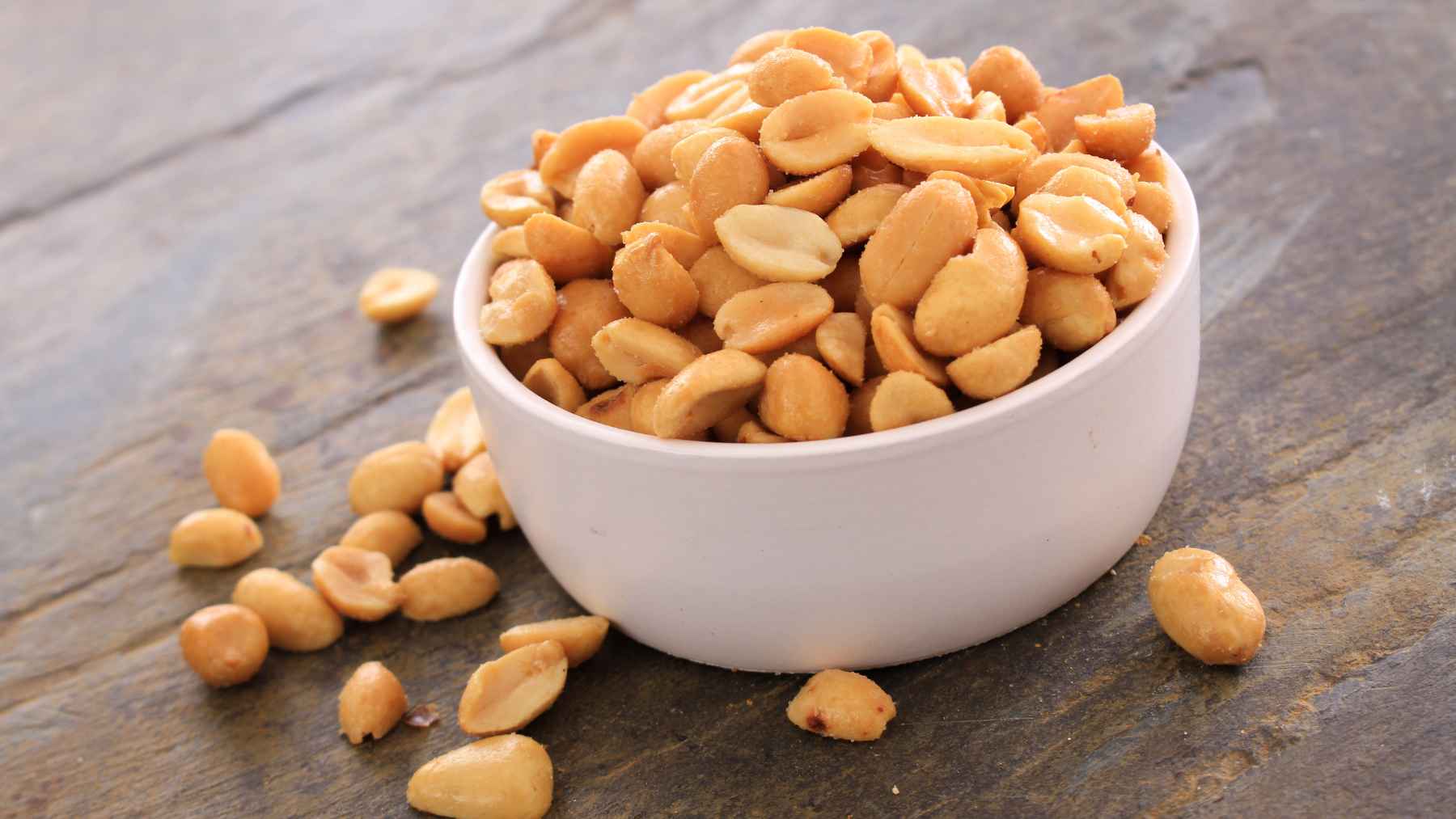
Useful sources include beans, oats, whole grains, apples with the skin, vegetables, chia seeds, and ground flaxseed. When adding more fiber, it is important to drink enough liquid and give the digestive system time to adjust.
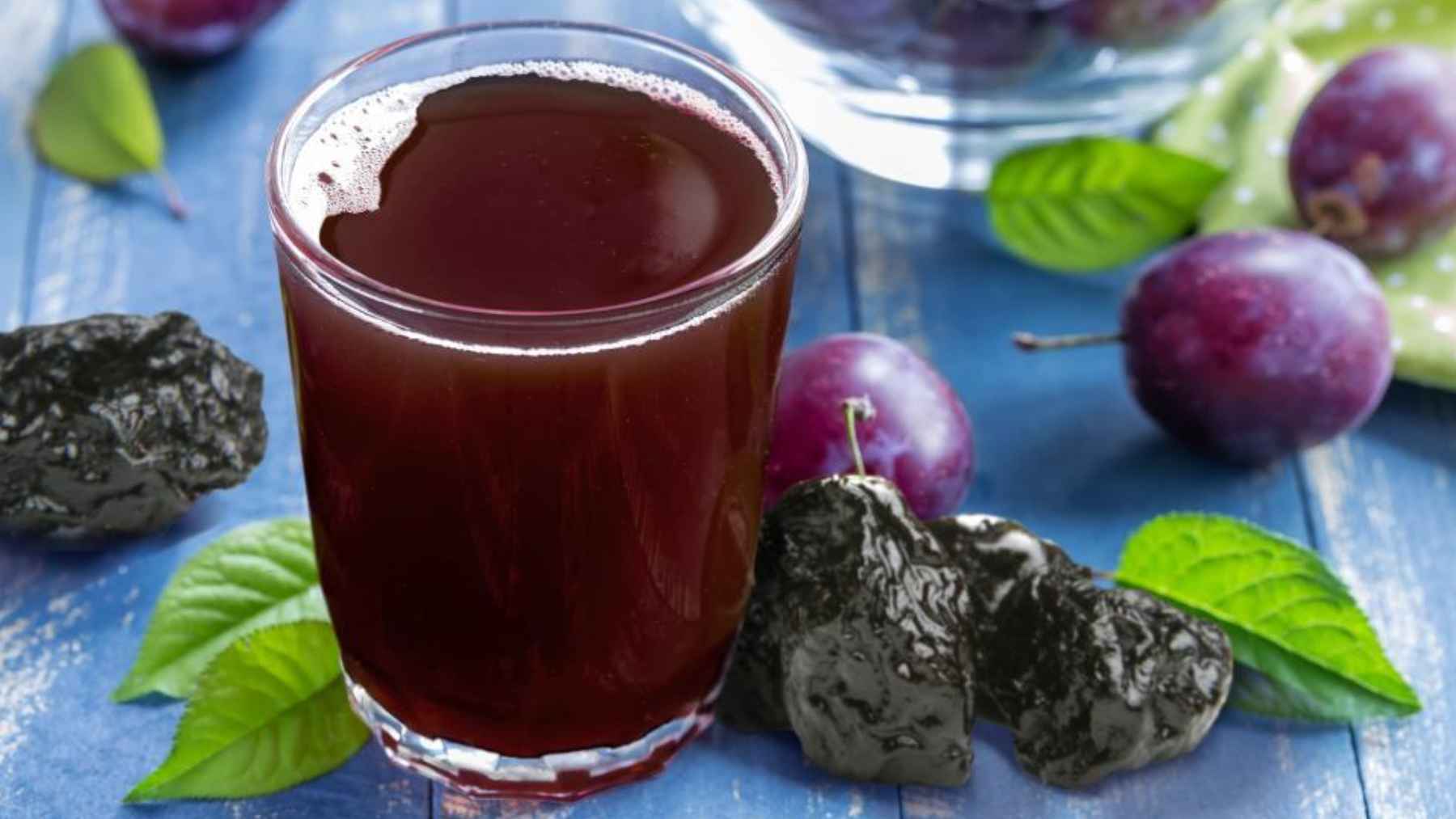
Prunes deserve their reputation because they provide fiber and natural sorbitol, which can soften stool.
A randomized trial led by Adil Attaluri found that about 3.5 oz. a day improved bowel frequency more than psyllium in adults with mild to moderate constipation, although later reviews concluded that the overall evidence remains limited.
Teas may soothe, not cleanse
Peppermint, fennel, ginger, and dandelion teas are often described as digestive helpers. A warm drink may feel calming after a large meal, but strong evidence that these teas clean the intestines or reliably speed bowel transit is lacking.
There is some evidence that enteric-coated peppermint oil capsules can modestly reduce pain, gas, and bloating in some people with irritable bowel syndrome. That is not the same as peppermint tea, and mint may worsen heartburn in sensitive people.
Green tea contributes to fluid intake, but it should be treated as a beverage rather than a bowel treatment. It also contains caffeine, while concentrated green tea extracts can cause digestive discomfort and interact with some medications.
Apple cider vinegar is not a shortcut
Apple cider vinegar is popular, yet it is not an established treatment for constipation or slow digestion. Drinking it before meals may sound harmless, but the acid can irritate the throat, worsen reflux, and damage tooth enamel over time.
The American Dental Association has highlighted reports of enamel erosion, esophageal burning, delayed stomach emptying, and low potassium linked to regular consumption. Using vinegar in food is more sensible than taking a daily acidic shot.
Build a routine that lasts
A simple routine often works better than rotating through detox products. Try a fiber-rich breakfast, regular water intake, a daily walk, and unhurried bathroom time about 15 to 45 minutes after breakfast, when eating naturally encourages the colon to move.
Also, do not assume every pharmacy laxative damages the microbiome. A 2023 guideline led by gastroenterologists Lin Chang and William Chey strongly recommended polyethylene glycol for chronic constipation, while fiber and several other options received conditional support.
Persistent symptoms deserve advice from a clinician or pharmacist rather than endless self-treatment. Sometimes the answer is a safe medicine, a diet adjustment, or testing for an underlying cause.
Know when home care is not enough
Seek prompt medical care if constipation comes with blood in the stool, constant abdominal pain, vomiting, fever, an inability to pass gas, or unexplained weight loss. Those signs do not belong in the home-remedy category.
Ongoing bloating or constipation can also be linked to irritable bowel syndrome, celiac disease, thyroid problems, diabetes, medication side effects, or pelvic floor disorders. The aim is not to clean the gut, but to help it work comfortably and regularly.
The main clinical guideline referenced in this article was published in Gastroenterology.