Three canned foods nutritionists keep recommending belong in your pantry: the budget-friendly staples they reach for again and again
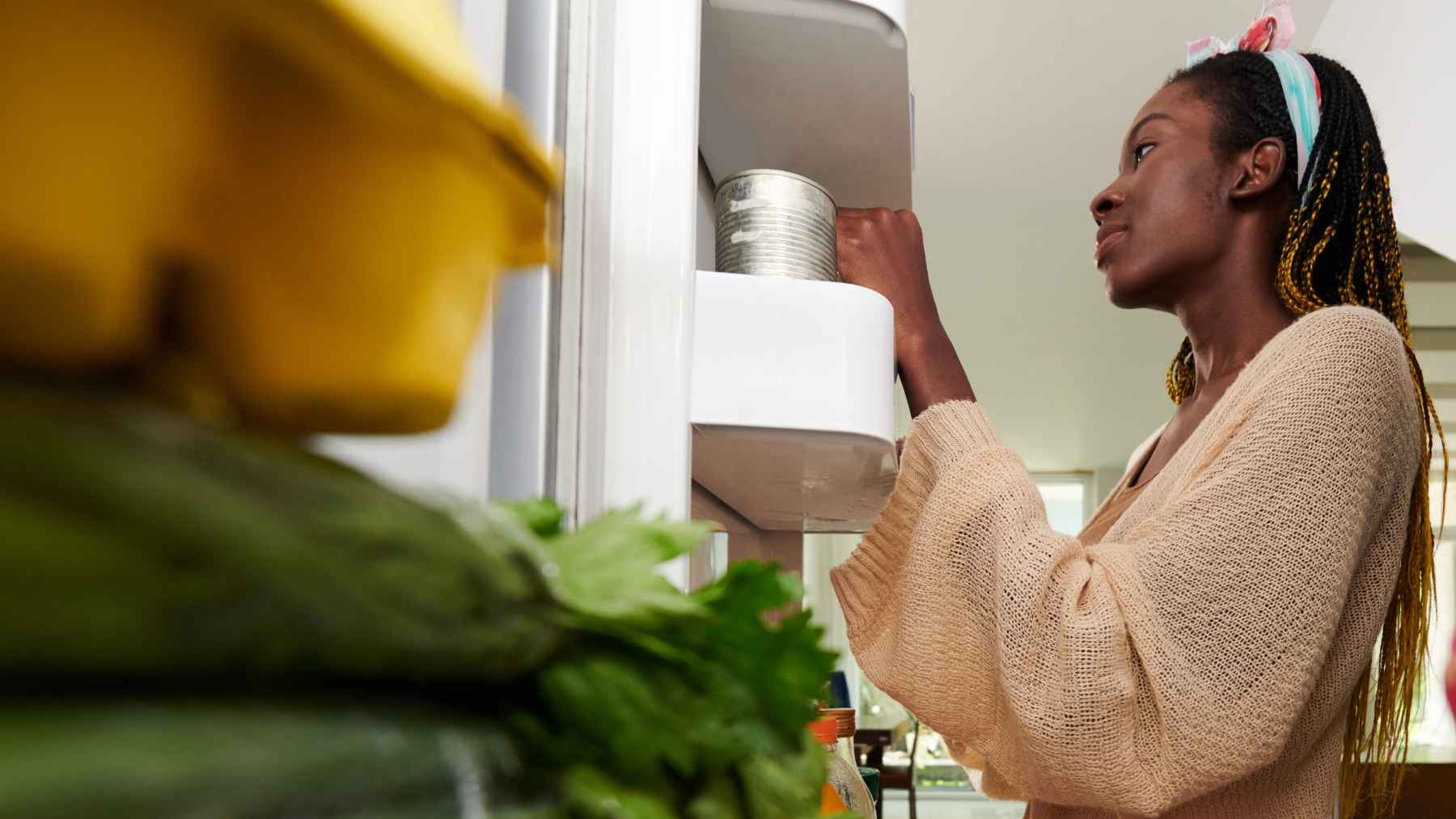
Canned food often gets treated as the dusty backup plan at the rear of the pantry. But the right one can do much more than rescue dinner after a long day. It can deliver useful protein, fiber, healthy fats, vitamins, and minerals without a last-minute grocery run.
Dietitian and nutritionist Vanessa Bedjaï-Haddad points to three dependable groups. Canned legumes, canned fish, and canned vegetables can form the backbone of a balanced meal, provided shoppers choose plain products and keep an eye on sodium.
The three cans to prioritize
Legumes come first. This group includes lentils, chickpeas, kidney beans, and white beans, all of which provide plant protein, fiber, slower-digesting carbohydrates, vitamins, and minerals. That combination can also help a meal feel more filling, which matters when lunch needs to last through a busy afternoon.
The second choice is canned fish such as sardines, mackerel, or tuna packed in water. These foods provide protein, while sardines and mackerel also supply omega-3 fats and vitamin D. Sardines with soft edible bones add calcium too, according to a National Institutes of Health fact sheet on vitamins and minerals.
Canned vegetables round out the list. Corn, peas, green beans, carrots, tomatoes, and other plain options make it easier to add vegetables when the refrigerator drawer is nearly empty. All vegetables count, whether they are fresh, frozen, canned, or dried, according to Penn State Extension guidance.
Why the nutrients mostly survive
Canning places food in a sealed container and uses heat to destroy harmful microbes, as the National Center for Home Food Preservation explains. That heat can reduce vitamin C and some B vitamins because those nutrients are sensitive to processing. Protein, fiber, carbohydrates, fats, and most minerals are generally far more stable.
Does that make fresh produce automatically better? Not necessarily. Nutrition varies by the food, how long it has been stored, and how it is prepared, while research comparing fresh, frozen, and canned vegetables found broadly similar nutrient value across the three forms.
Texture and flavor can change, of course. Canned green beans will not have the same snap as fresh ones, but they can still add vegetables, fiber, and minerals to dinner in seconds. Convenience can be the difference between eating vegetables and skipping them.
Rinsing changes the sodium math
Salt is the main issue to watch in many canned foods. A 2011 study led by researchers connected with the University of Tennessee found that draining canned beans reduced sodium by about 36%, while draining and rinsing reduced it by about 41%. The exact amount varies by product, but a quick rinse under running water can make a meaningful difference.
The same habit can help with canned vegetables and tuna. The Food and Drug Administration advises rinsing sodium-containing canned foods and says adults should generally stay below 2,300 mg. of sodium a day. For someone watching blood pressure, those small choices can add up.
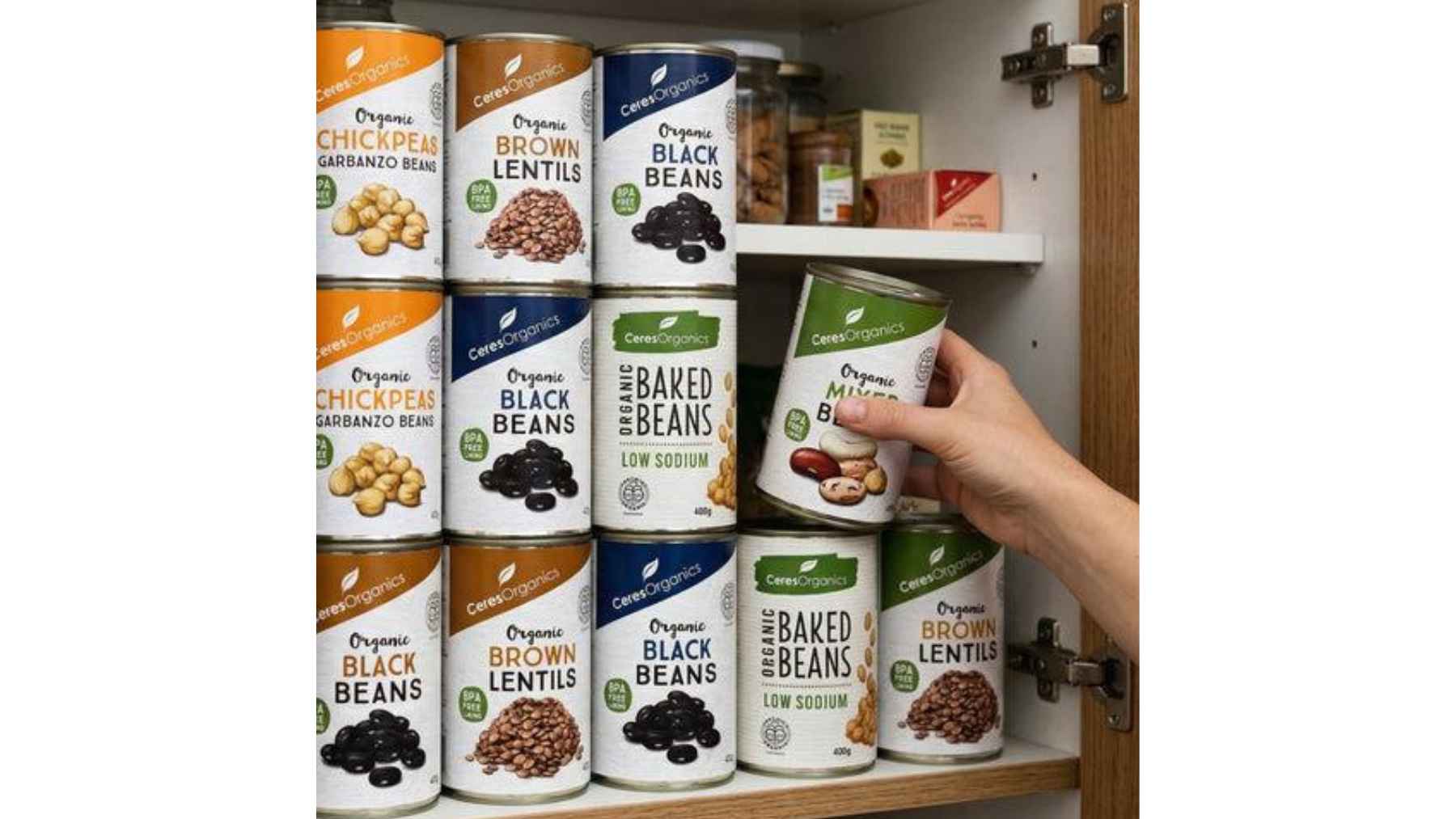
Canned legumes such as chickpeas, lentils, and beans provide fiber, plant protein, and long shelf life for convenient everyday cooking.
Read beyond the front label
The ingredient list is often the fastest reality check. “The shorter it is, the better,” she says, ideally leaving only the food, water, and perhaps salt. Flavored versions can bring sauces, added sugar, thickeners, and much more sodium.
Next, compare the Nutrition Facts panels using the same serving size. A product labeled “low sodium” contains no more than 140 mg. per serving under current federal rules. “No salt added” means salt was not added during processing, but the food can still contain naturally occurring sodium.
For vegetables, look for plain, low-sodium, or no-salt-added options. Tuna packed in water is a straightforward choice, while sardines and mackerel in olive oil can add flavor and useful fats. Heavy cream sauces and sugary glazes turn a simple pantry staple into a different kind of food.
Turn cans into an actual meal
The most useful approach is to think in building blocks. Toss rinsed chickpeas with canned tomatoes, chopped vegetables, olive oil, and lemon, or serve sardines with whole-grain toast and a side of canned green beans. No elaborate recipe is required.
A can should not be viewed as nutritionally complete on its own. Pairing protein-rich beans or fish with vegetables and a whole grain creates a more balanced plate, and herbs, citrus, garlic, or vinegar can bring flavor without leaning heavily on salt. Dinner can be fast without feeling improvised.
Check the container before opening
Nutrition is only part of the decision. The U.S. Department of Agriculture warns shoppers not to buy cans that are bulging, leaking, heavily rusted, or deeply dented, especially near a seam. Those defects can signal a damaged seal or unsafe storage.
A can that is swollen or leaking should go straight into the trash. When there is doubt, discard it rather than taking a chance. Pantry convenience should never come at the expense of food safety.
The original report was published by Top Santé.