One meal on vacation left her with 38 parasites in her brain: the symptoms doctors traced back to what she ate
Lowri Denman thought she had taken a sensible precaution during a three-month trip through India in 2007. She avoided meat, hoping to dodge food poisoning, yet years later doctors found 38 parasitic cysts in her brain.
Her case shows why neurocysticercosis is so easy to misunderstand. The infection can remain quiet for years, and eating pork is not the direct cause of brain cysts. The real danger is swallowing microscopic pork tapeworm eggs in contaminated food, water, or on unwashed hands.
A disturbing first sign
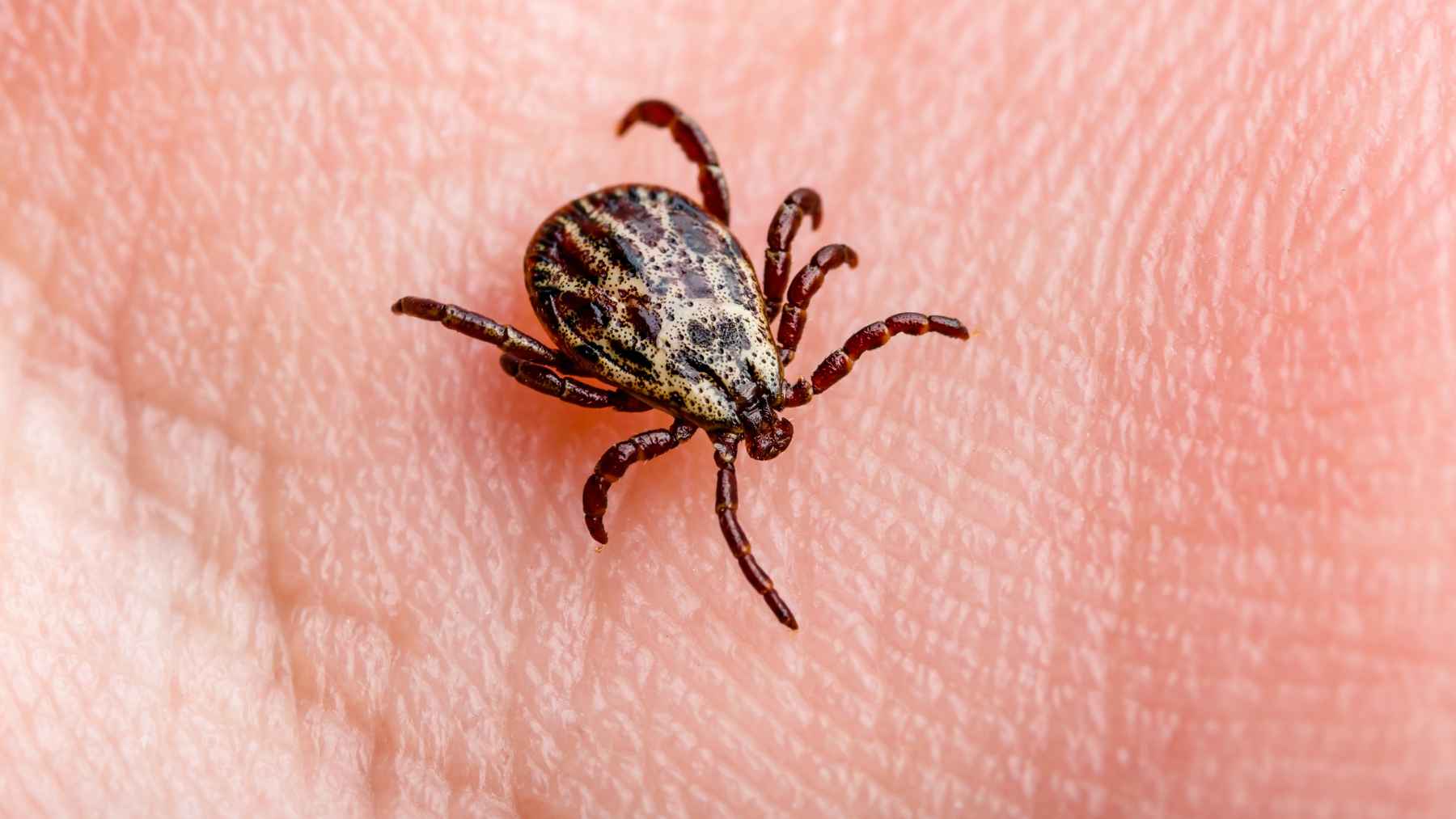
In 2010, Denman, now 42 and from Wales, went to the bathroom at a restaurant and discovered a tapeworm about 3.3 feet long. She described it as something like ridged clear tape, then flushed it away.
She contacted her doctor, but stool tests did not reveal a problem and she felt well. Life moved on. Within a year, however, severe headaches began, followed by trouble speaking and her first seizure in 2011.
Doctors find 38 parasites
After the seizure, Denman underwent two types of brain scan, a CT scan and an MRI. The results brought a sentence no patient expects to hear. “We’ve found 38 parasites on your brain,” she recalled the doctor telling her.
Doctors first considered toxoplasmosis, another infection that can affect the brain. Her mother then asked whether the scans could be connected to the tapeworm found the previous year, and further testing led to a diagnosis of neurocysticercosis.
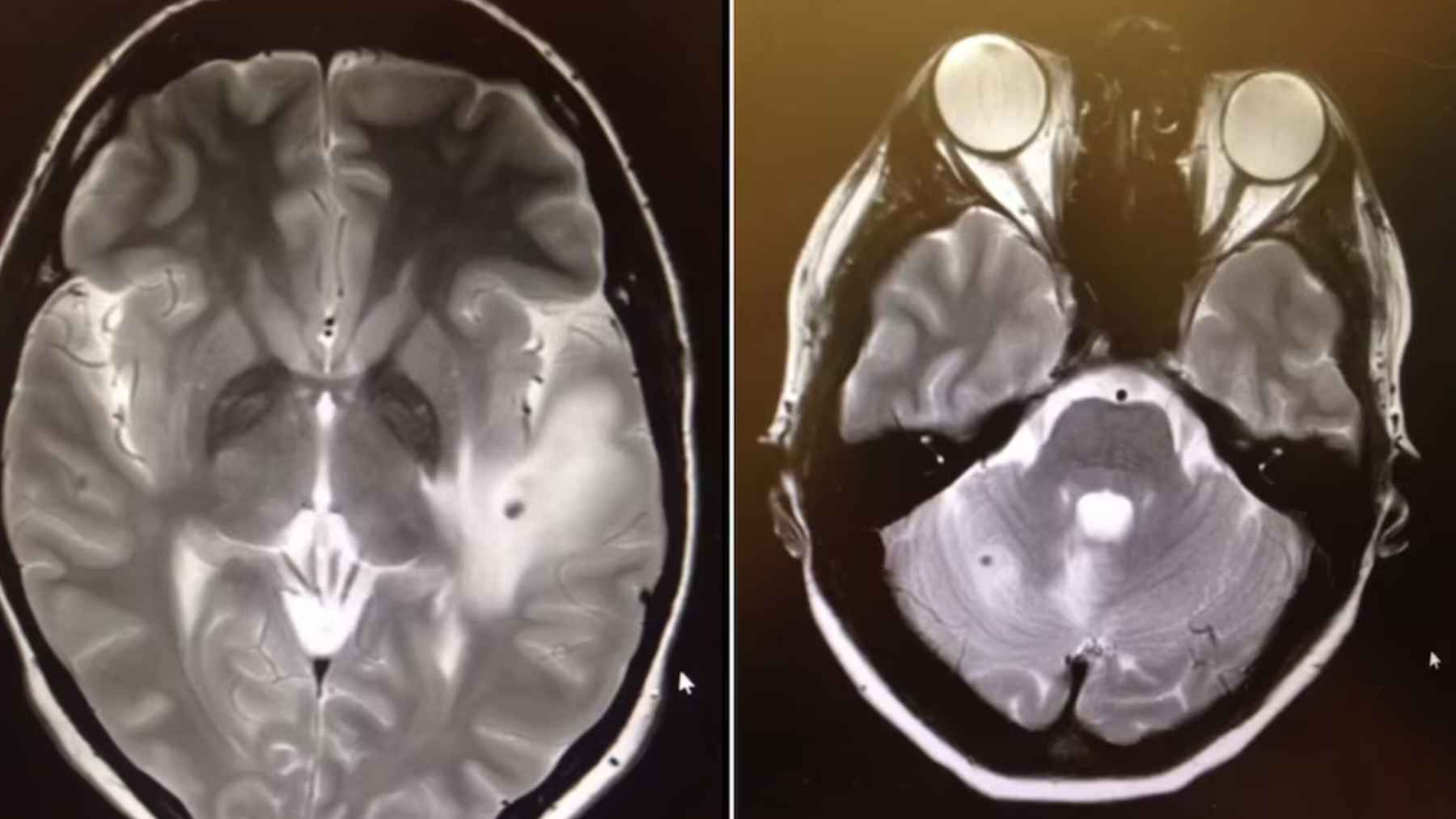
Brain MRI images reveal multiple parasitic cysts consistent with neurocysticercosis, an infection caused by ingesting tapeworm eggs through contaminated food, water, or unwashed hands.
How the infection spreads
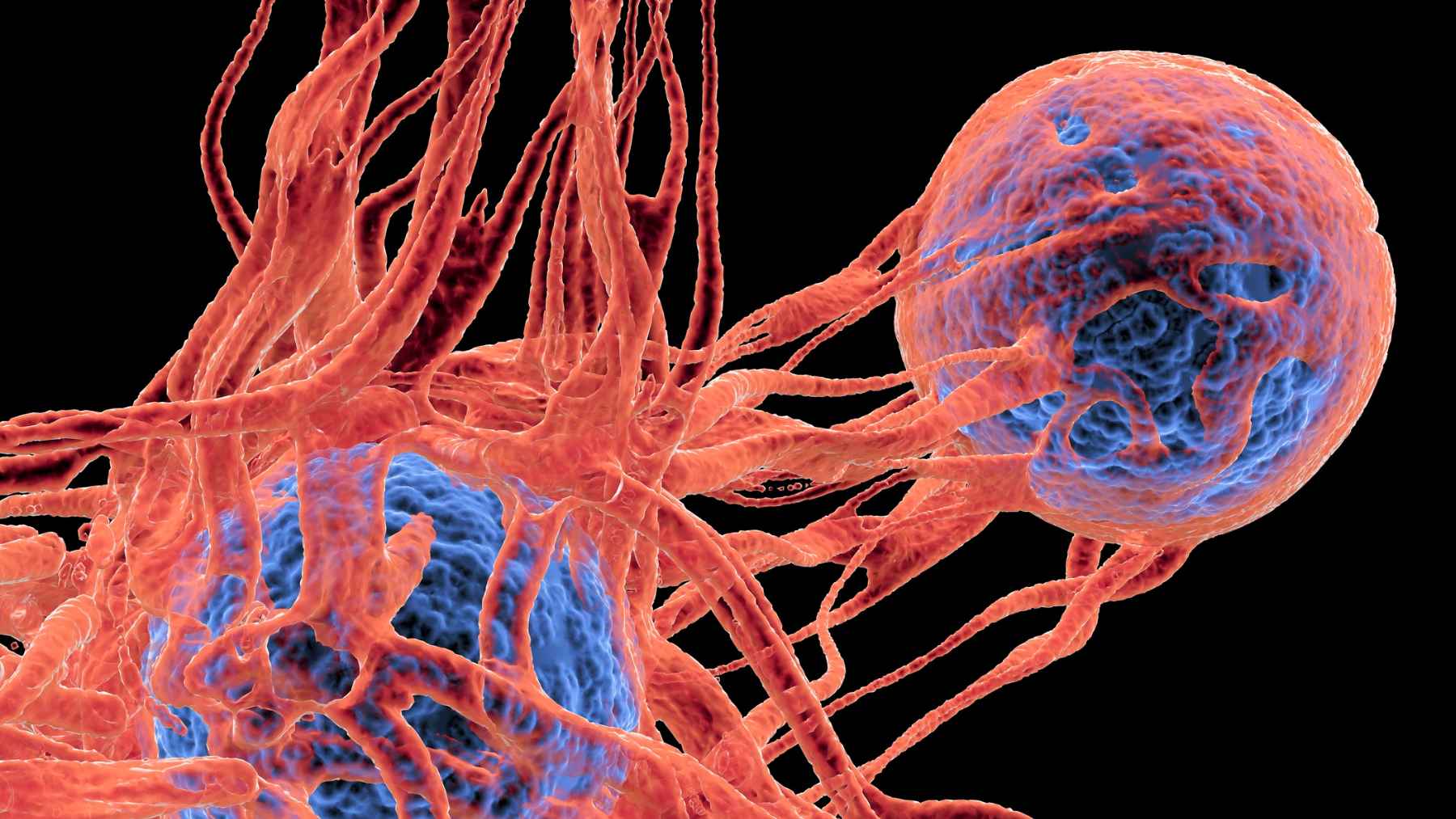
Neurocysticercosis develops when a person swallows eggs from Taenia solium, commonly called the pork tapeworm. The eggs hatch in the intestine, and the young parasites can travel through the bloodstream before forming fluid-filled cysts in the brain or other tissues.
This point matters. The Centers for Disease Control and Prevention says eating raw or undercooked pork can cause an adult intestinal tapeworm, but it does not directly cause cysticercosis. Brain infection begins when eggs shed in human feces contaminate food, water, surfaces, or hands.
Dr. Brendan Healy, a consultant at the University Hospital of Wales, believes Denman acquired the infection during her 2007 trip. That remains the leading clinical explanation rather than a confirmed meal or exposure, and avoiding meat would not have protected her from contaminated produce or water.
Why symptoms can take years
The cysts may cause little reaction while they remain alive. Symptoms often appear months or years later, especially as the parasites begin to die and the immune system attacks them, creating swelling around nearby brain tissue.
That inflammation can trigger headaches, seizures, confusion, speech problems, numbness, or changes in behavior. The number and location of the cysts also matter, which is why two patients with the same infection may have very different experiences.
Treatment became another ordeal
Denman spent two weeks in the hospital and received antiparasitic medicines and steroids, which reduce inflammation. For several years, she improved enough to travel, run half marathons, and return to an active life.
Then she collapsed at work. New scans showed major swelling around the parasites, and she developed confusion, numbness, tingling, severe anxiety, panic attacks, paranoia, and psychosis. She left her job, moved in with her father, and spent six weeks in a neuropsychiatric hospital.
Treating neurocysticercosis can be a delicate balancing act. Killing parasites may increase inflammation, so doctors often combine antiparasitic treatment with steroids and anti-seizure drugs, adjusting the plan to the number, stage, and position of the cysts.
A rare case with a global reach
The specialist called Denman a “once-in-a-career patient” and said many infectious disease doctors in the United Kingdom may never see a similar case. Neurocysticercosis is rare there, but it remains a major health burden in parts of Latin America, South and Southeast Asia, and sub-Saharan Africa.
World Health Organization guidance estimates that between roughly 2.6 million and 8.3 million people worldwide may have symptomatic or symptom-free neurocysticercosis. It may account for up to 30% of epilepsy cases in places where the parasite is common, making it one of the leading preventable causes of epilepsy.
What travelers should know
Does this mean travelers should panic over every meal? No. The practical lesson is to focus on safe water, careful handwashing, clean food preparation, and fruits and vegetables that can be washed and peeled.
A first seizure, severe persistent headache, sudden speech difficulty, or unexplained neurological symptoms requires urgent medical care, whether travel is involved or not. When symptoms follow time in a region where the parasite circulates, sharing a full travel history can help doctors connect the dots.
Moving forward after years of illness
Denman eventually returned to work in 2022. The parasites have calcified, meaning they have died and hardened into small deposits, and she has not had a seizure since 2017.
She did not have surgery to remove them and expects to remain on epilepsy medication for life. After losing much of her thirties to illness, she now wants to raise awareness and says she is “happy to be alive and healthy and fit again.”
The original report was published by BBC News.